



Six Pedestal Table
A six pedestal table provides scale and presence for larger dining rooms, bringing together period timbers and solid construction.
Six Pedestal Table
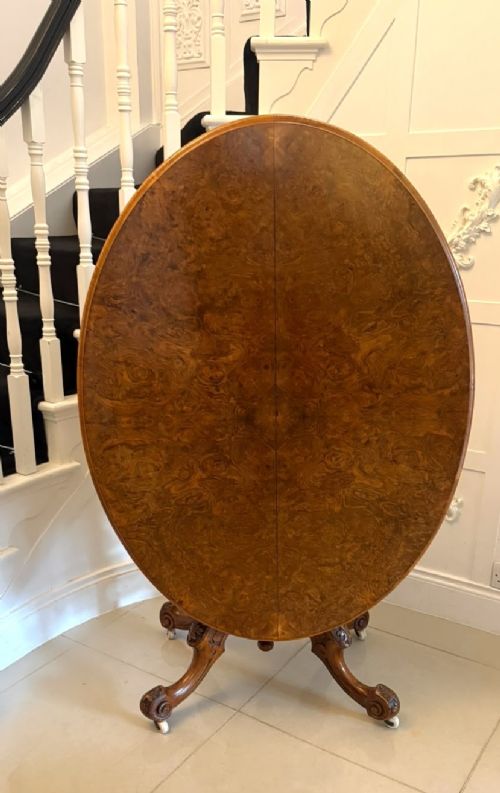
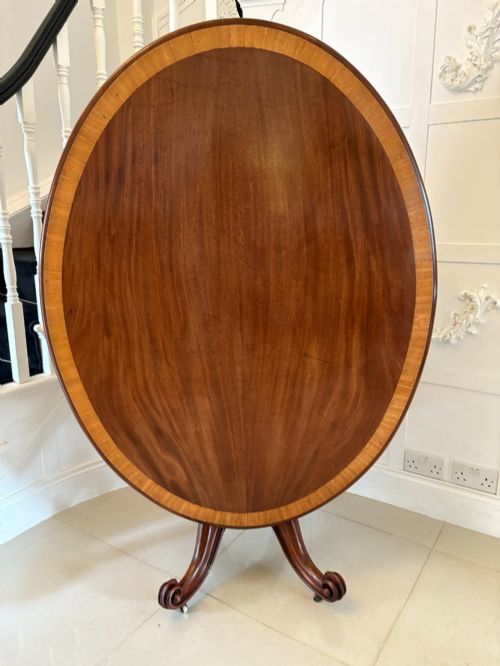
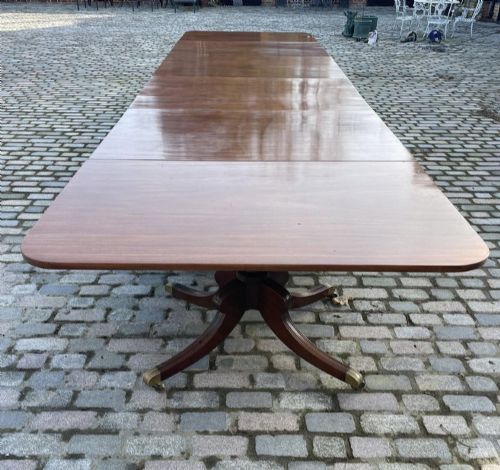
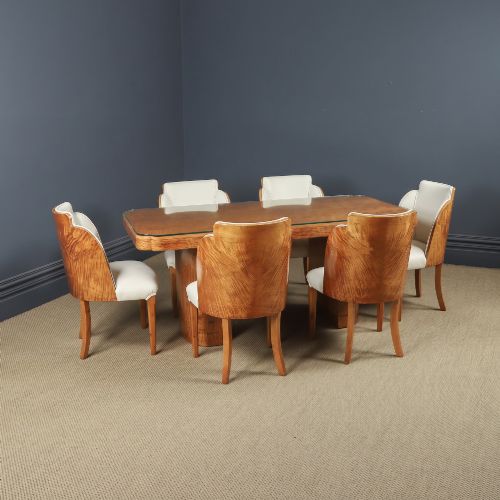
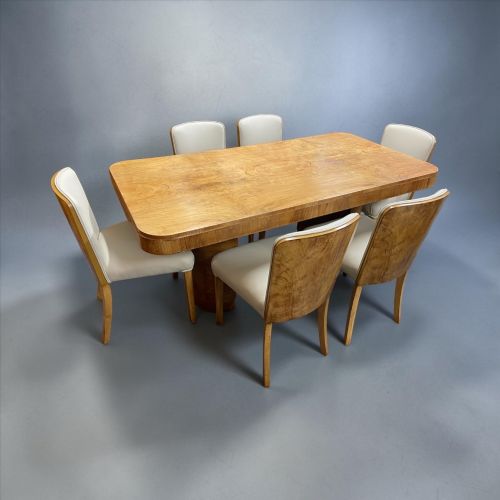
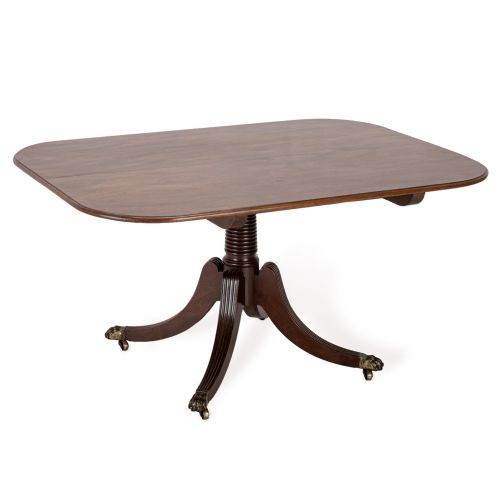
A six pedestal table typically serves as a substantial dining surface designed to accommodate numerous guests comfortably within large spaces. The listings here encompass grand nineteenth-century formats as well as earlier Georgian examples built for stately rooms.
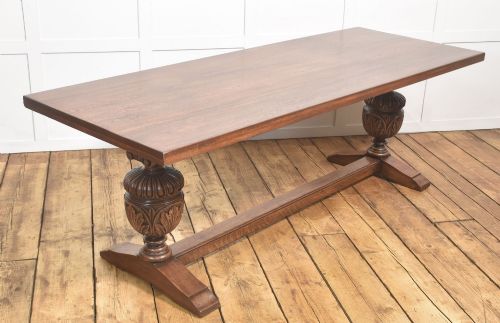
Beyond traditional dining tables, the selection includes related formats such as centre tables, refectory designs, and matching dining suites complete with chairs. Materials span from figured mahogany and burr walnut to satinwood, maple, oak, and pine.
Stylistic influences range from classic Georgian and Regency proportions to Victorian craftsmanship, Jacobean Revival details, and sleek Art Deco lines. These pieces reflect the evolving tastes of British interior design across multiple centuries.
Materials and construction
Cabinet makers utilised dense hardwoods like mahogany, walnut, and oak to construct stable frames and durable surfaces capable of supporting heavy loads. Figured veneers and contrasting satinwood or maple inlays added decorative richness to later pieces.
Brass fittings and leather elements appear on specific variations, particularly within console tables and writing desks associated with the broader selection. Joinery techniques ensured that large timber boards remained stable across extensive spans.
Six Pedestal Table Retail Price Guide 2026
Typical asking prices for six pedestal table among the pieces listed under this phrase on Sellingantiques today, from the lower quarter to the upper quarter. They describe what is for sale here now, not the wider market.
The listings span eight distinct timber materials, led by mahogany and walnut alongside decorative accents of satinwood and maple.
Assessing quality and finish
The standard of a six pedestal table rests on the selection of timber grain, such as heavily figured mahogany or carefully matched burr walnut veneers. Superior examples display precise cabinet work in the joints and undercarriages.
Proportion and the retention of original surfaces distinguish finer specimens from more utilitarian or heavily altered pieces. The harmony between the timber top and the supporting bases dictates the overall visual balance.
Harry and Lou Epstein
The Six Pedestal Table Glossary
- Pedestal
- A structural support column beneath a table top, often resting on carved or reeded feet. It distributes weight down to the floor while freeing up legroom around the perimeter.
- Tilt-Top
- A table top hinged to the central column so it can be tipped vertically when not in use. This mechanism allowed tables to be stored against walls in smaller period rooms.
- Refectory
- A long, narrow dining table traditionally used in communal dining halls. These typically feature heavy timber legs connected by floor stretchers for stability.
- Kneehole Desk
- A freestanding writing desk featuring a recessed central space for the user's legs, flanked by pedestals of small drawers. They emerged in various wood types during the eighteenth and nineteenth centuries.
- Figured Mahogany
- Timber cut to reveal distinctive grain patterns such as flame, curl, or fiddleback. Cabinet makers prized this wood for its decorative impact on primary display surfaces.
Six Pedestal Table: Frequently Asked Questions
How do I seat guests around a large pedestal table?
Large pedestal tables distribute support columns beneath the surface, which allows chairs to slide underneath without striking traditional corner legs. This layout offers flexibility for positioning diners along the entire length of the top.
When planning seating for a six pedestal table, measure the clearance between the bases to ensure chairs fit comfortably between the structural supports.
What is the difference between a dining table and a centre table?
A dining table is specifically proportioned for sitting down to meals, featuring height and width designed for place settings. Centre tables often stand in the middle of a room for display or multi-purpose use.
In period interiors, larger formats could serve dual functions for dining or breakfast depending on the occasion and the room layout.
How do I care for polished mahogany and walnut surfaces?
Keep antique timber surfaces away from direct sunlight and steady heat sources to prevent the wood from drying out and the polish from fading. Regular dusting with a soft, dry cloth maintains the natural sheen without building up chemical residues.
Apply high-quality beeswax sparingly when the wood appears dry, buffing it gently to preserve the historic finish.
How can I tell a Georgian table from a Victorian reproduction?
Georgian tables from the eighteenth century typically exhibit hand-cut joinery, native timber usage, and lighter internal framing suited to manual construction methods. Victorian pieces from the nineteenth century often display heavier proportions and machine-assisted standardisation.
Examine the underside and drawer linings, where visible tool marks and timber shrinkage patterns help indicate the period of manufacture.