
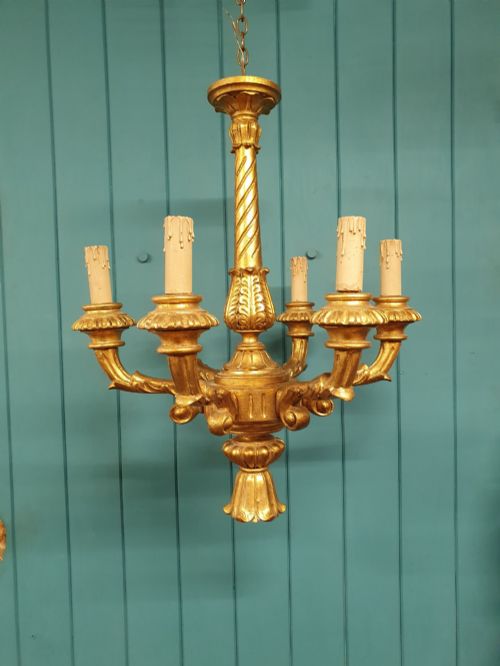
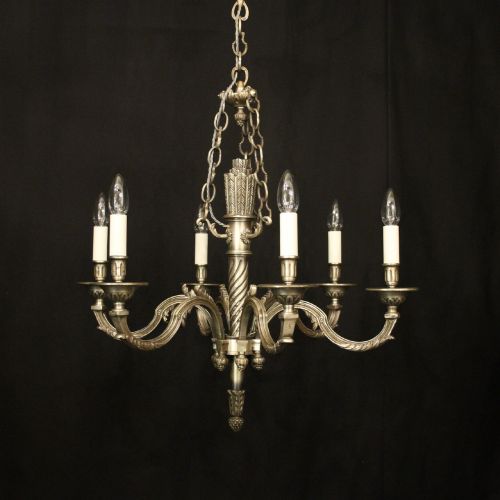
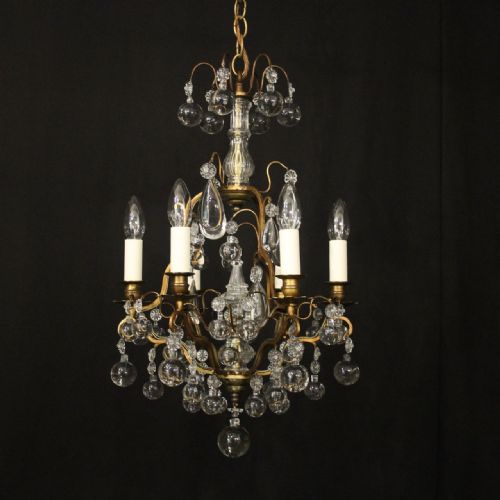

Six Arm Pendant Light
A six arm pendant light brings focused, period illumination to a room, offering distinct historical character through cast brass, bronze, and glittering crystal drops.
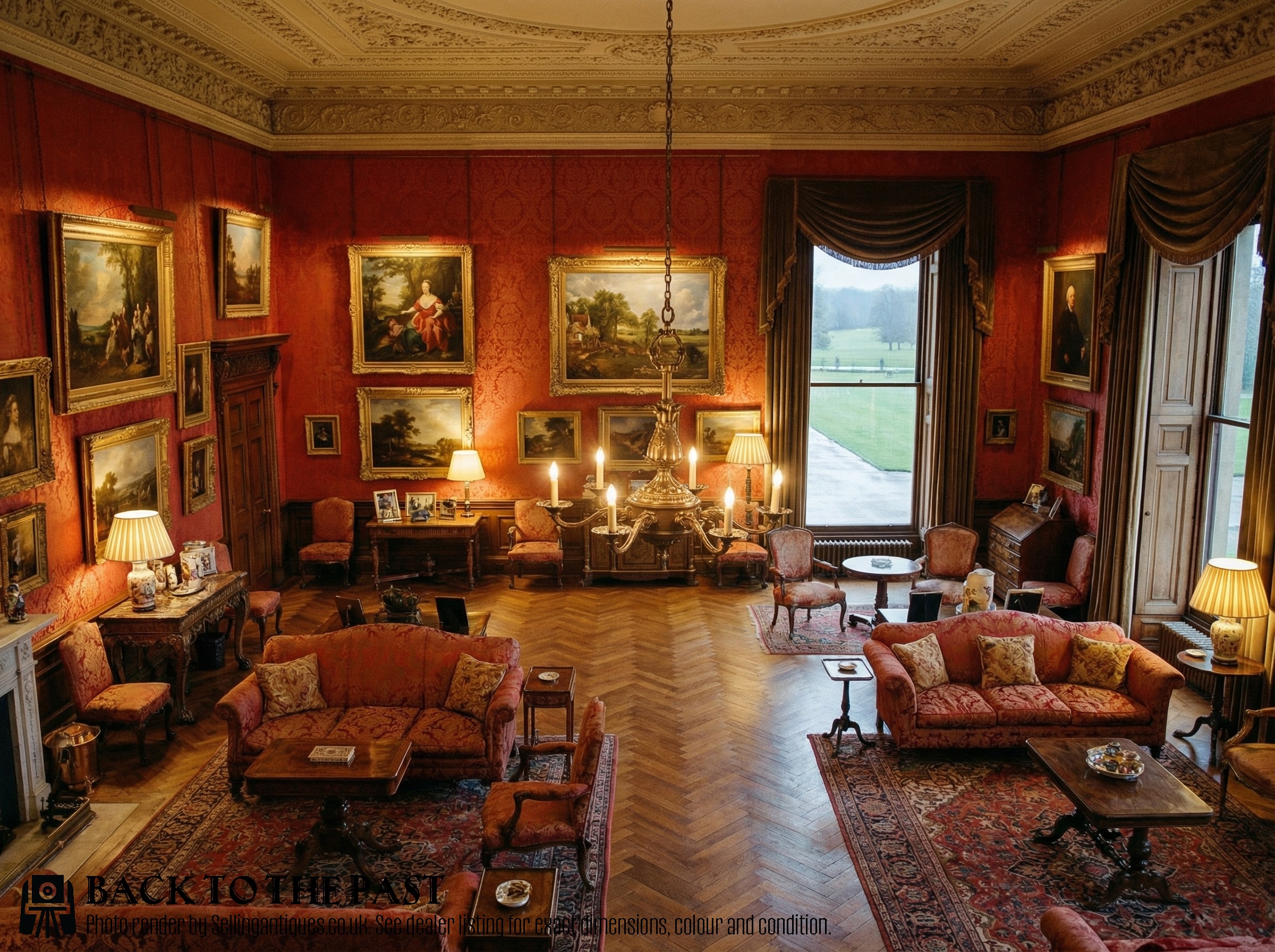
Six Arm Pendant Light
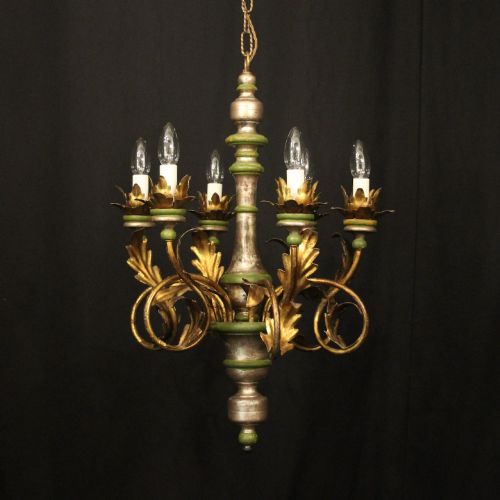
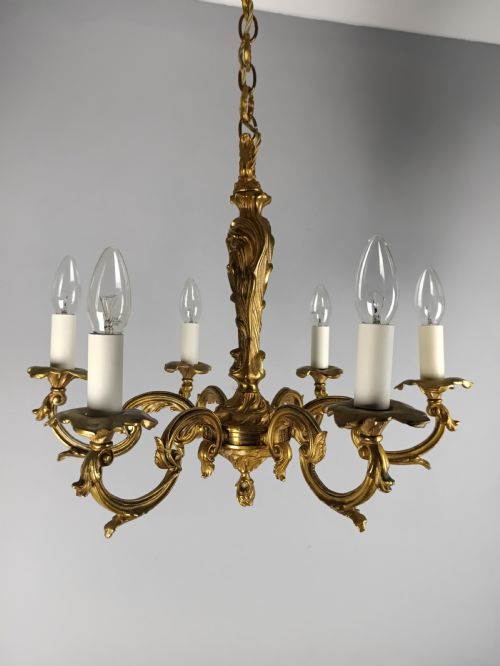
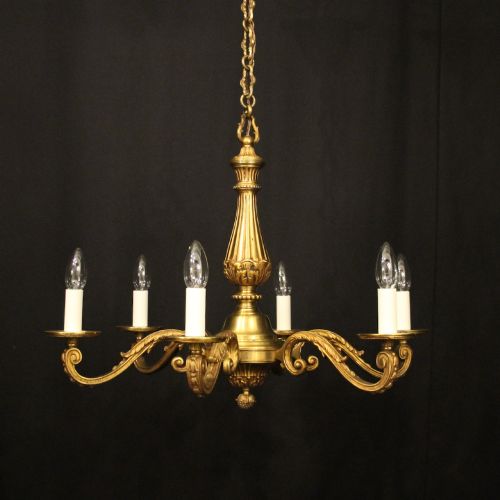
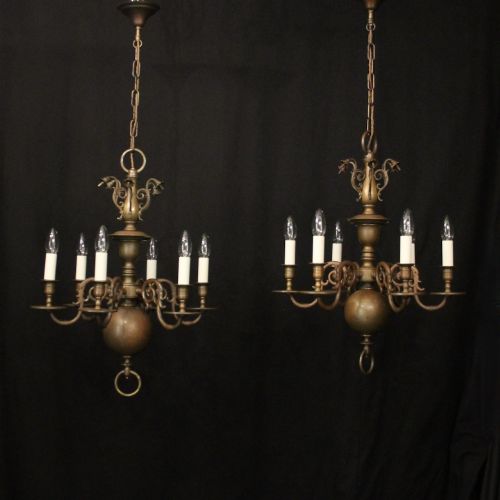
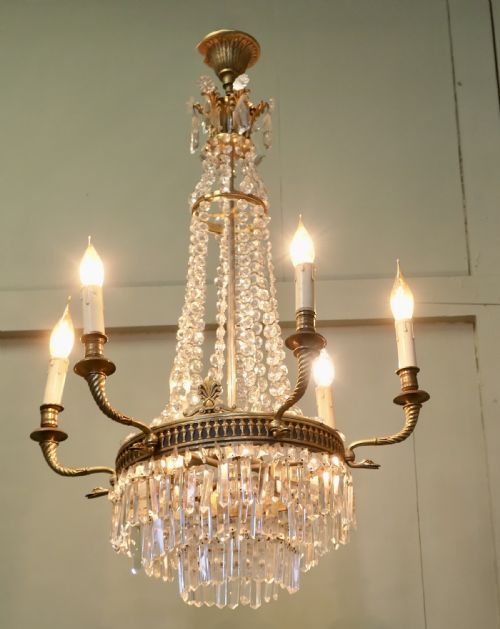
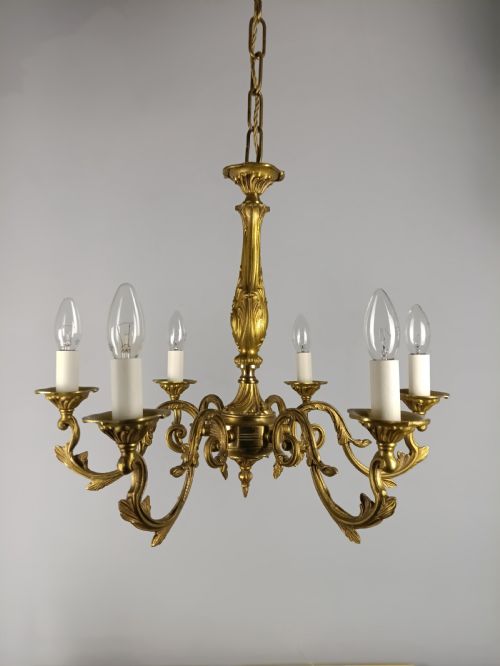
A six arm pendant light encompasses substantial hanging chandeliers spanning the late nineteenth century through the interwar decades, drawing heavily on French chateau, Empire, and Rococo designs alongside Italian Florentine and English traditions. Buyers examining this page will encounter sturdy brass, bronze, and gilt metal fixtures designed to suspend centrally from a ceiling, distributing illumination across six distinct branches.
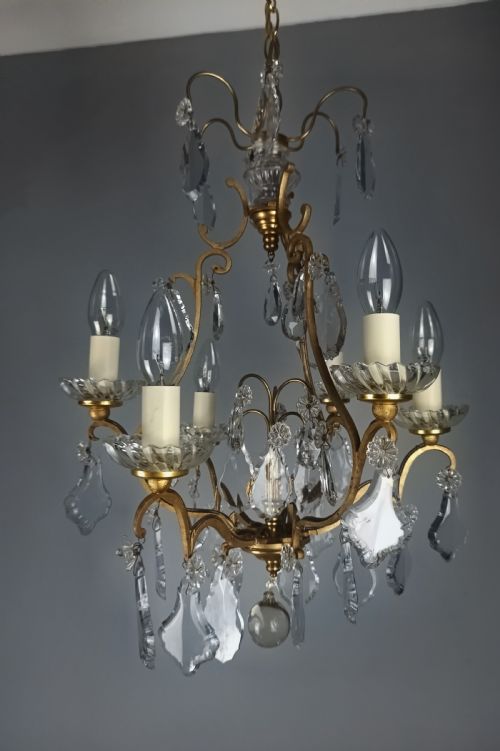
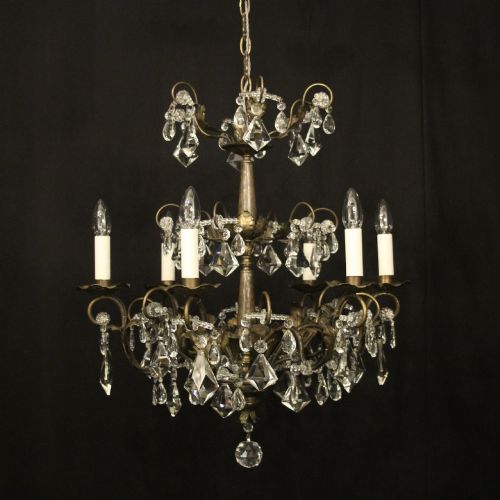
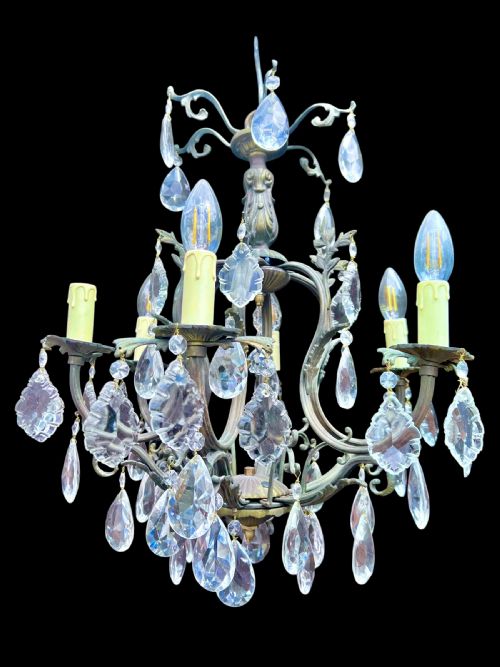
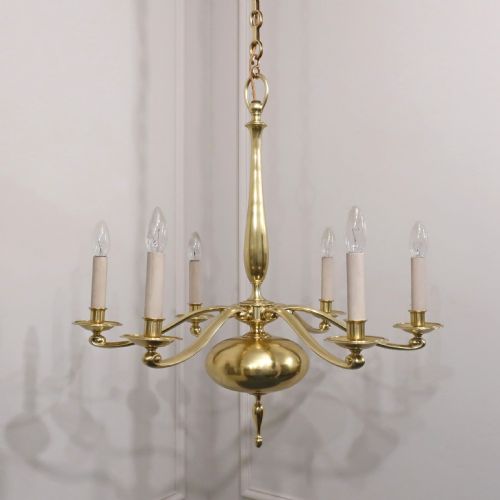
The prevailing examples originate predominantly from French workshops and Italian centres, favouring opulent gilt finishes, birdcage frames, and cascades of cut glass or crystal. Pieces range from robust cast bronze frames dated to nineteen ten down to light brass iterations and decorative silvered pieces produced around nineteen thirty.
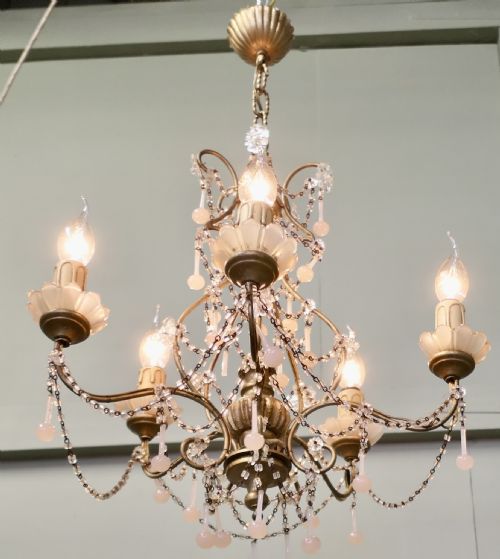
While formally termed chandeliers in period documentation, these six branch lighting fixtures function as principal room centrepieces. Their physical presence relies on the balanced radial arrangement of six arms, creating a distinct silhouette whether rendered in unadorned brass or draped in Venetian art deco glass.
How they were made
Makers constructed these lighting fixtures primarily using cast bronze, heavy brass, and wrought iron frameworks, often applying a gilt finish, silver gilding, or polychrome paint to the metal surfaces. Metal components were cast in sections and joined to form the central stem and radial arms.
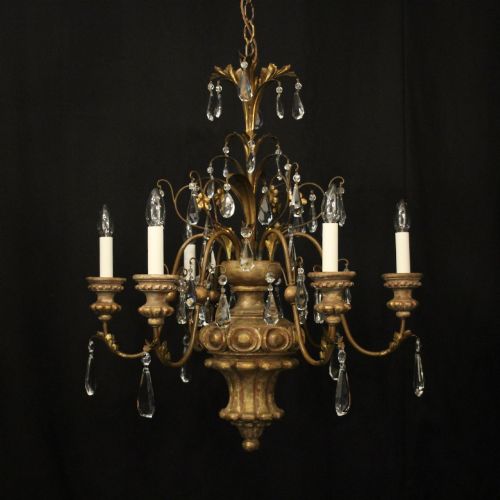
Glass and crystal elements, including waterfall drops and coloured fruits, were hand-cut or moulded then wired or pinned directly to the metal frames using brass wire. Gesso and giltwood elements appear in specific nineteenth century examples, combining carved timber with metallic leaf finishes.
Several chandeliers abandon conventional clear glass entirely to hang heavy with brightly coloured artificial fruits.
What varies in quality
The hierarchy of quality rests primarily upon the precision of the metal casting and the depth of the applied surface finish. Heavy cast bronze and finely chased gilt bronze display crisp botanical or classical detailing that lighter pressed brass and standard plated alternatives cannot replicate.
Crystal quality forms a further division, where hand-cut glass prisms with sharp facets refract light with greater clarity than simple moulded drops. The integration of structural elements, such as securely pinned crystal strands and rigid, well-balanced arms, dictates the overall integrity of the fixture.
G.E.C
The Six Arm Pendant Light Glossary
- Birdcage chandelier
- A lighting fixture featuring a skeletal metal frame enclosing the central stem, resembling an avian enclosure. This construction allows numerous crystal strands to drape internally.
- Tent and waterfall
- A lighting configuration where strings of crystal beads form an upper conical tent shape above a wider cascading skirt of drops. It creates a dense volume of shimmering glass.
- Gilt bronze
- Metal alloy cast and treated with a thin layer of gold leaf or mercury gilding to impart a rich golden lustre. It resists tarnishing while offering a warm decorative sheen.
- Chasing
- The manual technique of refining cast metal surfaces with punches and hammers to sharpen decorative motifs. Master metalworkers used this to define leaves, scrolls, and faces on bronze frames.
- Polychrome
- The application of multiple distinct colours to a decorated surface, frequently seen on Italian Florentine and wrought iron frames. It adds painterly contrast to metallic elements.
Six Arm Pendant Light: Frequently Asked Questions
How do I hang a heavy brass chandelier?
Hanging a heavy cast bronze or brass fixture requires locating a solid ceiling joist and installing an approved steel mounting box rated for the combined weight of the metal and crystal. Professional electrical installation ensures the weight transfers securely to the building structure rather than relying solely on the electrical junction box.
Adjusting the suspension chain allows the pendant light to hang at the correct height above a dining table or open floor space. Standard practice places the bottom of the fixture well above head height while maintaining a commanding visual presence in the room.
What periods do these chandeliers represent?
The selection spans from the late nineteenth century, including Victorian gesso pieces and eighteen nineties French Empire designs, through to the nineteen twenties and nineteen thirties. Art Deco and Edwardian influences appear alongside revivals of French Rococo and Baroque styles.
Dating relies upon stylistic markers such as the geometry of the metal arms, the cut of the crystal drops, and the composition of the underlying bronze or brass casting. Interwar pieces often display cleaner lines while retaining traditional multi-arm formats.
How do I clean a crystal chandelier?
Cleaning requires removing dust with a soft brush before applying a gentle solution of warm water and mild detergent directly to the glass components using a cloth. Technicians advise against spraying liquid directly onto aged metal frames or electrical sockets to prevent damage to the historic finishes.
Individual crystal drops can sometimes be detached for thorough washing and drying before reattachment with fresh brass wire. Regular maintenance preserves the refractive quality of the glass and prevents dust buildup on the gilt surfaces.
Are these lights wired for modern use?
Most antique lighting fixtures require rewiring to comply with contemporary electrical standards before installation in a modern domestic interior. Professional electricians can safely thread modern wiring through the internal channels of the brass or bronze arms.
Bulb holders are typically updated to accept standard modern lamp fittings while retaining the external historical appearance of the pendant light. This ensures safe daily operation without altering the visible character of the frame.