

Antique Six Light Fitting
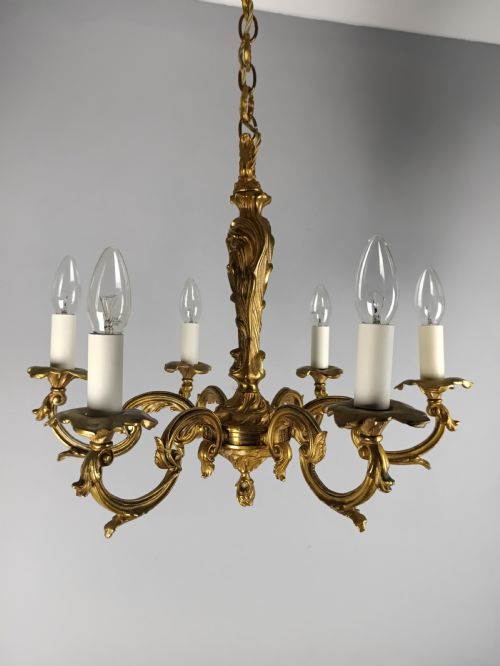
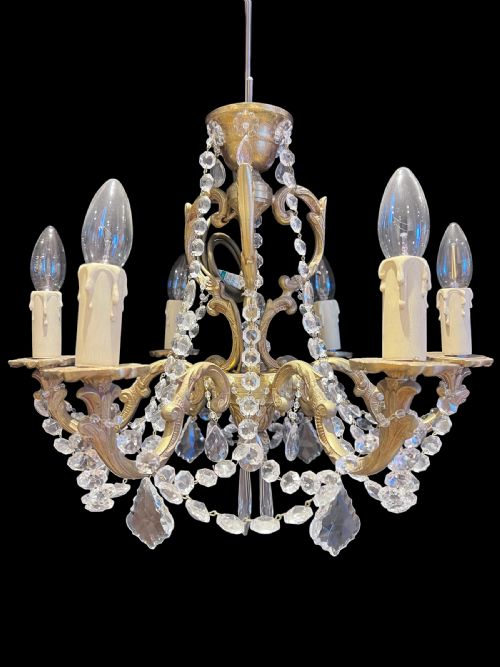
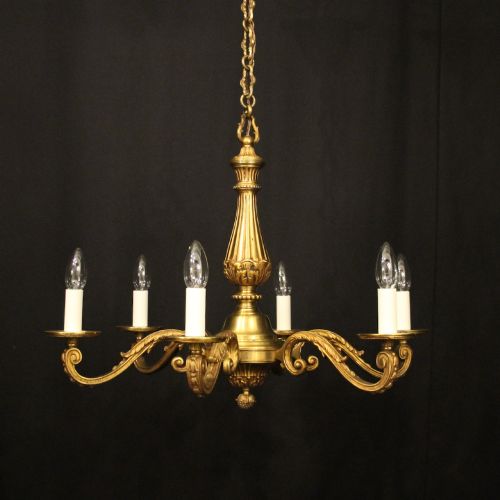
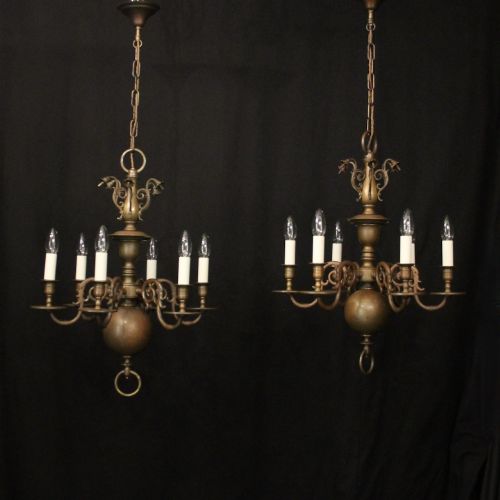
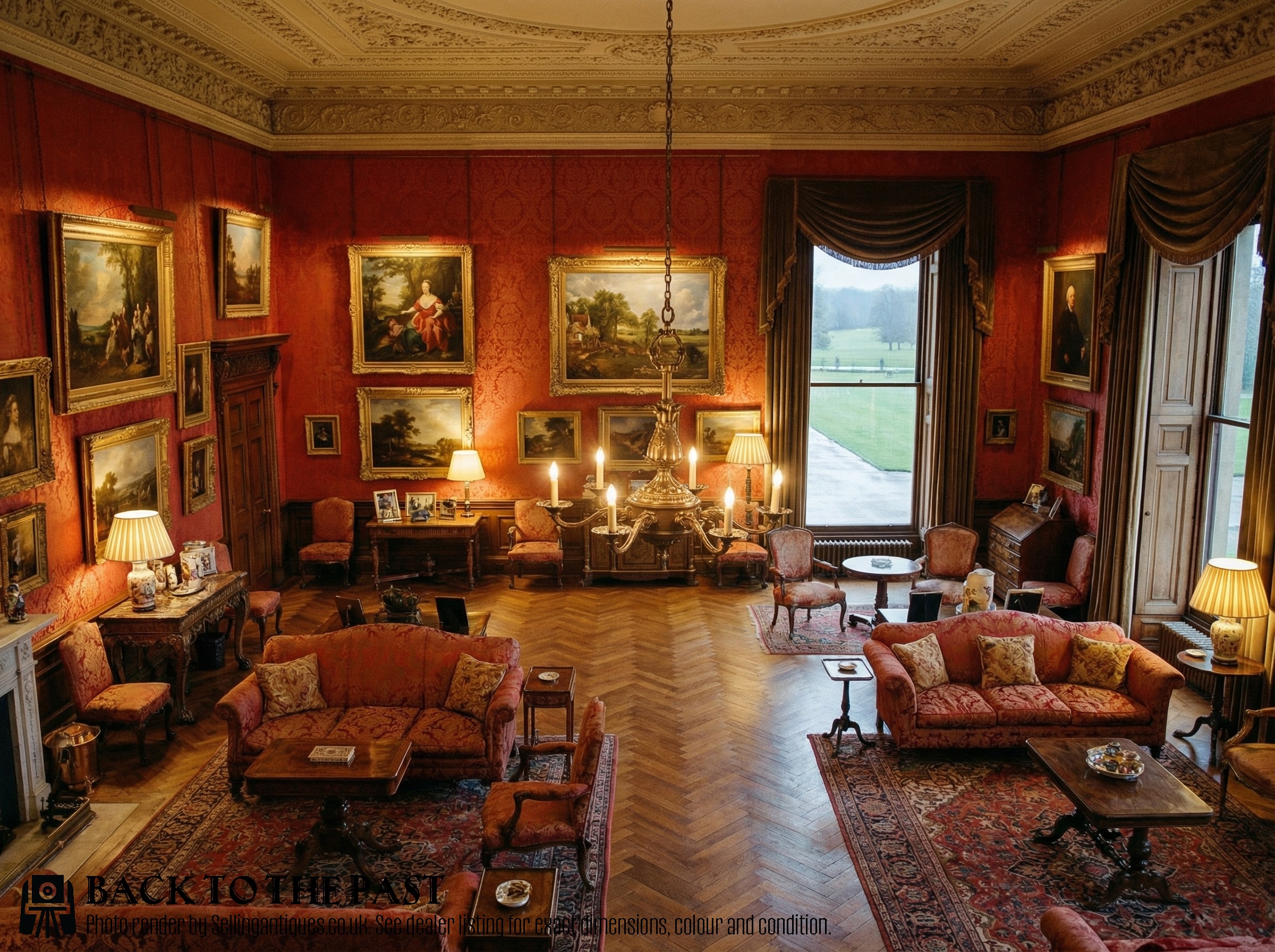
An antique six light fitting brings grand illumination to a room, offering multiple branches of historic metal and glass.
Antique Six Light Fitting
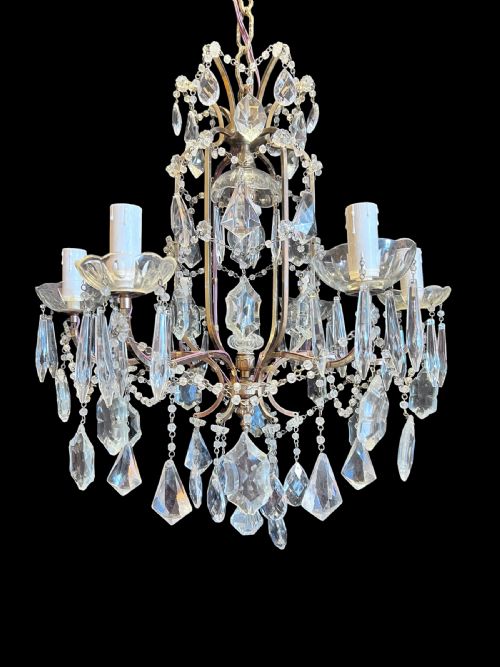
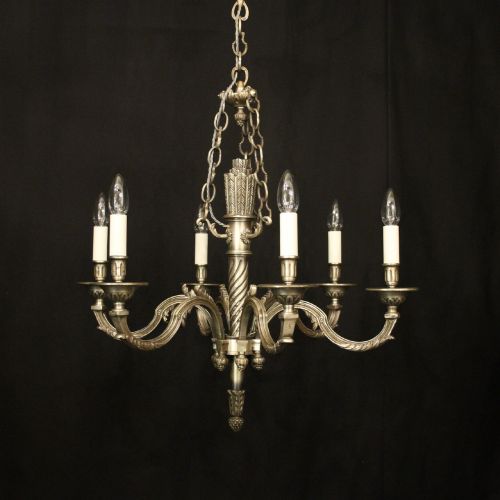
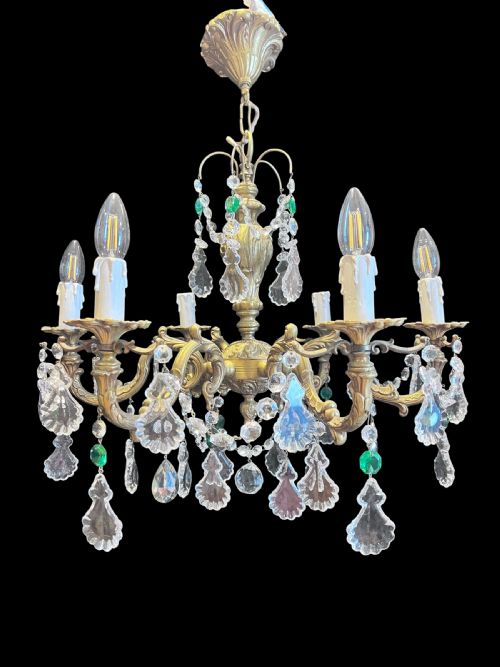
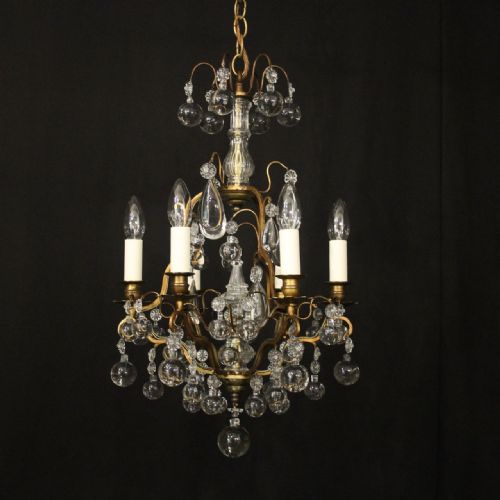
An antique six light fitting principally takes the form of a multi-branched chandelier or ceiling light carrying six arms, designed to anchor a room with period character. These fixtures span the nineteenth century, the Victorian era, and the early decades of the twentieth century, including periods such as nineteen-twenty and nineteen-thirty.
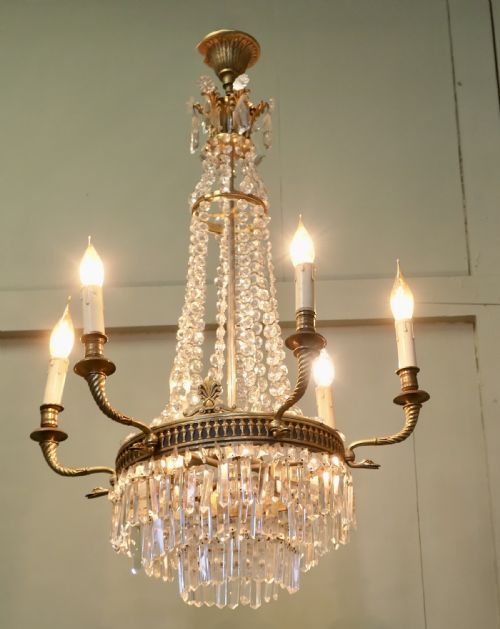
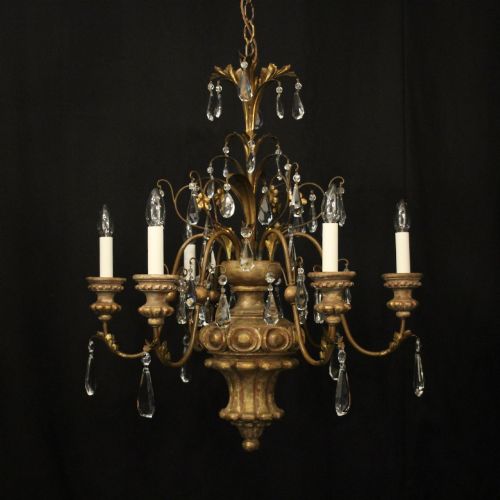
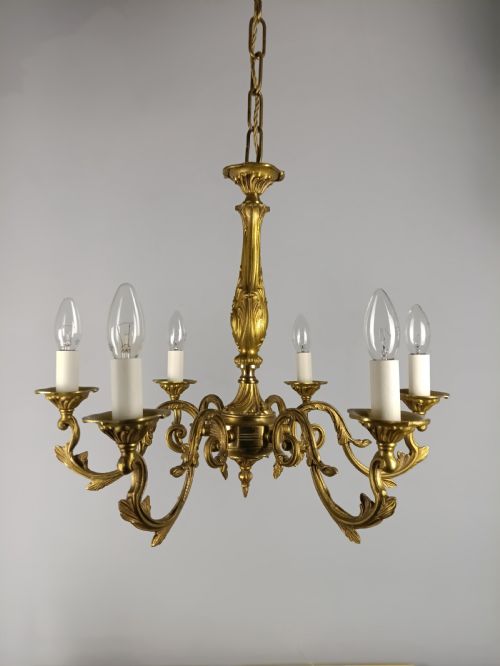
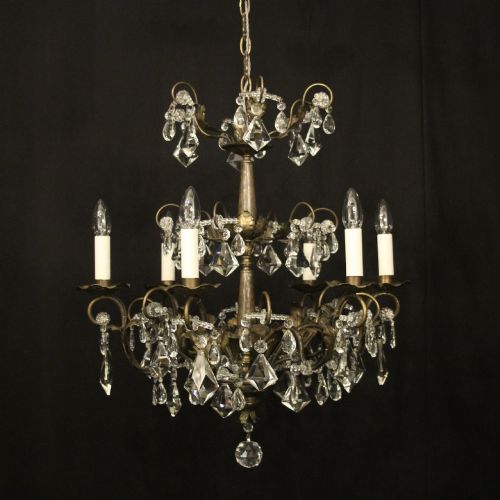
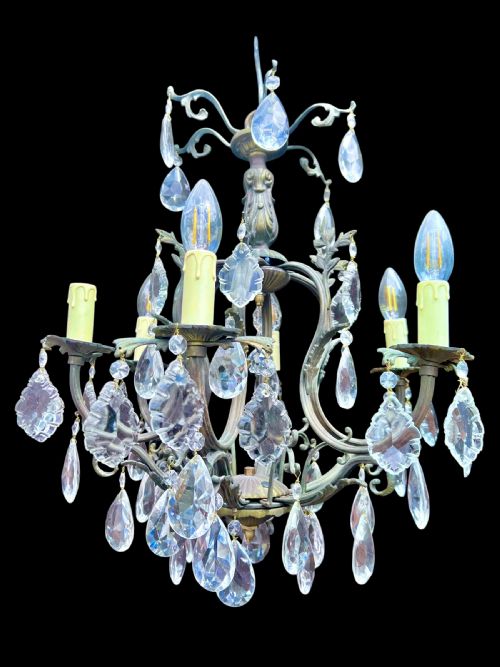
Buyers will most frequently encounter French chandeliers finished in brass, gilt bronze, or crystal alongside Italian Florentine and English examples. Forms range from tent and waterfall designs to birdcage and Marie Theresa configurations, reflecting styles from French Rococo and Empire to Art Deco and Flemish Renaissance.
Materials and construction
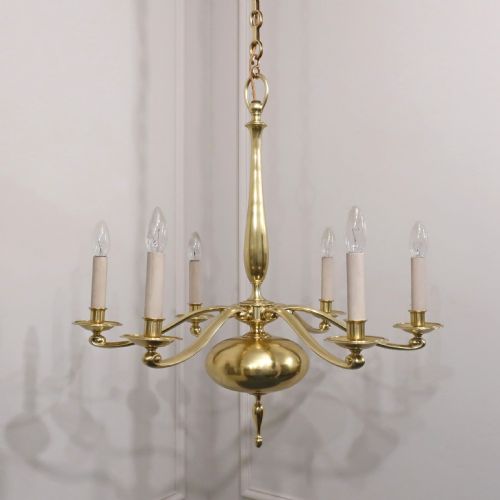
Makers constructed these fittings using cast and spun metals, predominantly brass, bronze, gilt metal, and wrought iron, often applying a gilded, silvered, or painted polychrome finish. Heavier castings provide structural integrity for larger branches while finer chased details adorn the central stems and drip pans.
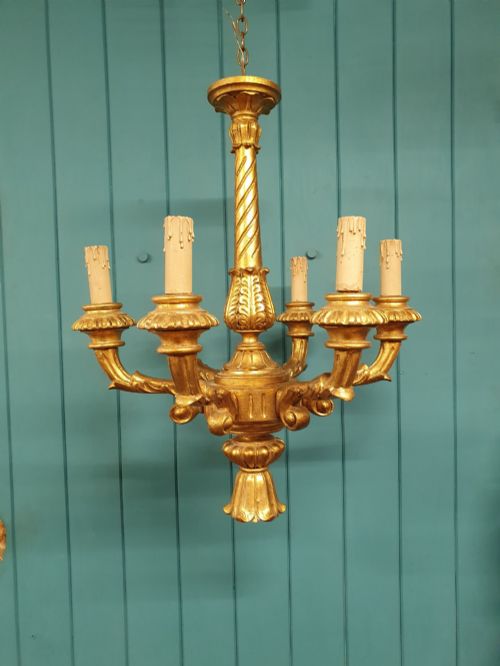
Crystals and cut glass elements hang from wire loops or pins, interacting with the metal framework to refract light. Gesso and giltwood appear in certain pieces, combining carved wooden components with applied metallic leaf.
Listings feature pieces from the Victorian era, nineteen-ten, nineteen-twenty, and nineteen-thirty, utilising brass, crystal, gilt bronze, and wrought iron.
Distinctions in quality
Quality rests upon the crispness of the metal casting and the depth of the chasing, where sharper relief and hand-finished details separate superior work from simpler commercial output. Heavier gauge brass and properly fire-gilded bronze retain their lustre and structural rigidity far better than thinner stamped alternatives.
The integration and completeness of the crystal drops, along with the complexity of the glass cutting, dictate the visual richness of the piece. Superior examples feature harmoniously matched components where every arm, bobeche, and crystal corresponds correctly in age and material.
G.E.C
The Antique Six Light Fitting Glossary
- Chandelier
- A branched ceiling-mounted fixture designed to hold multiple lights. These fittings distribute illumination outward and downward through various tiers of arms.
- Gilt bronze
- Bronze metal treated with a thin layer of gold or gold-coloured alloy. This technique provides a durable, warm metallic finish that resists tarnishing over decades.
- Cut glass
- Glass shaped and patterned by abrasive wheels to create faceted surfaces. These facets catch and scatter light across the surrounding interior.
- Bobeche
- A small saucer-like collar placed beneath a candle or bulb holder. It collects dripping wax in original lighting and conceals the top of the arm junction.
- Tent and waterfall
- A specific chandelier configuration featuring strings of beads forming an upper tent shape above a cascading waterfall of crystals. This design maximises refraction and visual volume.
Antique Six Light Fitting: Frequently Asked Questions
How do I hang a heavy chandelier safely?
Suspension requires locating a ceiling joist or installing a heavy-duty steel brace box capable of supporting the combined weight of the metal frame and glass components.
Professional electrical installation ensures the internal wiring safely handles modern voltage while maintaining the structural balance of the fixture.
Can I clean the crystals at home?
Individual crystal drops may be removed, washed in warm soapy water, rinsed, and dried with a lint-free cloth before reattachment.
Leaving the crystals on the frame requires careful hand-wiping with a mild cleaning solution applied to a cloth rather than sprayed directly onto the metal.
How do I determine the correct size for my room?
Scale depends on the room dimensions and ceiling height, ensuring the lowest point of the fitting clears normal traffic paths by a safe margin.
A larger thirty-inch spread suits expansive dining spaces, while fifteen-inch or compact fixtures accommodate smaller reception rooms or hallways.
What period do these fittings belong to?
The available pieces originate predominantly from the Victorian era and the early twentieth century, spanning decades from eighteen-ninety to nineteen-thirty.
Stylistic cues such as Art Deco geometric lines or French Empire tent structures help place the manufacture within its historical era.