

Six Arm Light Fixture
A six arm light fixture brings genuine presence to a room, offering a balanced spread of illumination through traditional multi-branched chandeliers.
Six Arm Light Fixture
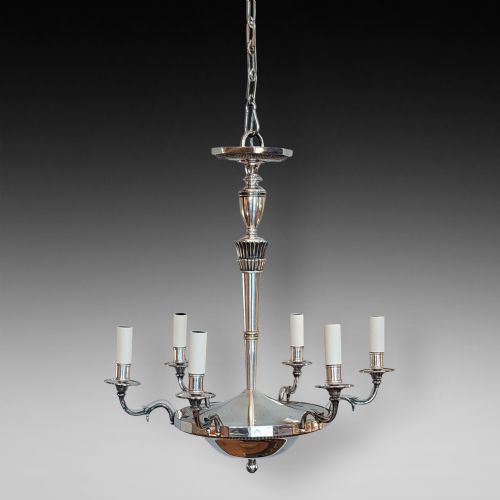
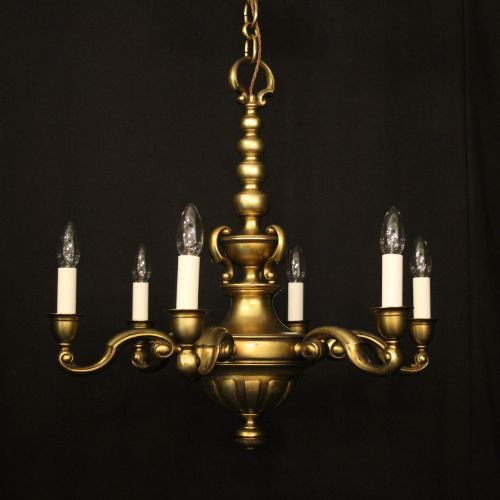
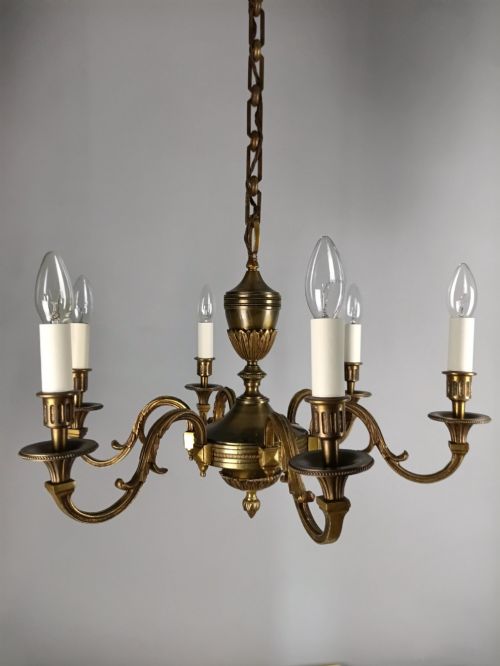
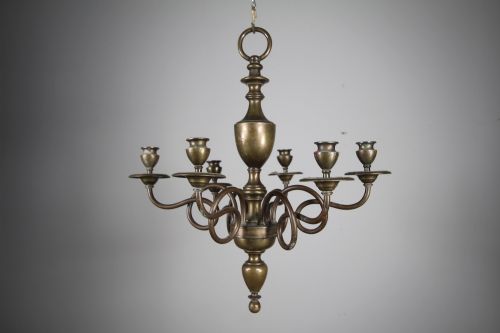
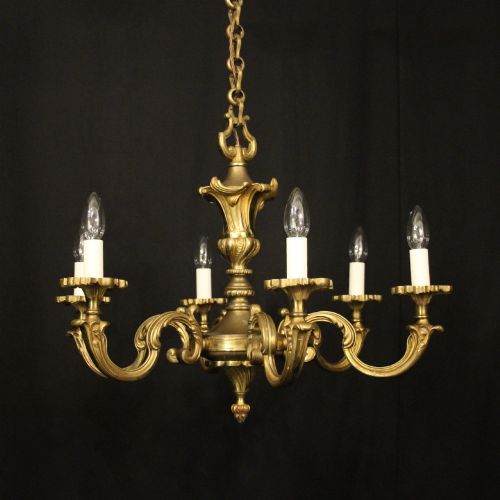
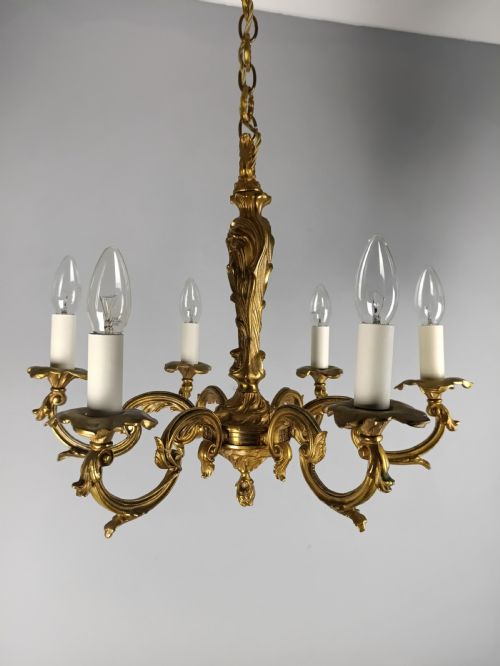
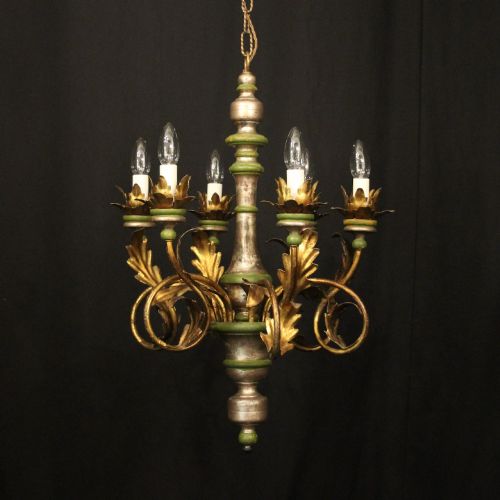
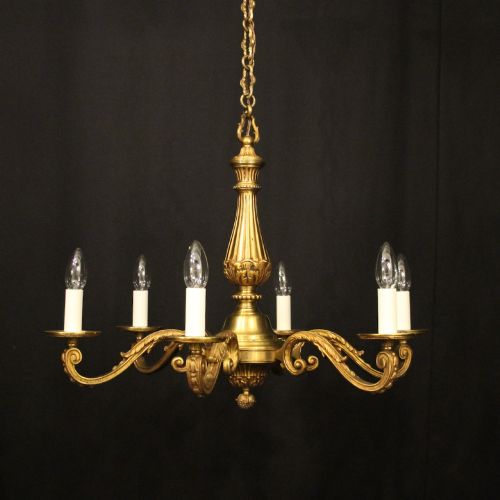
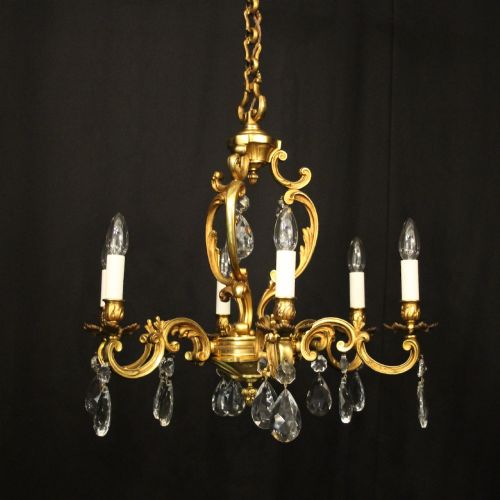
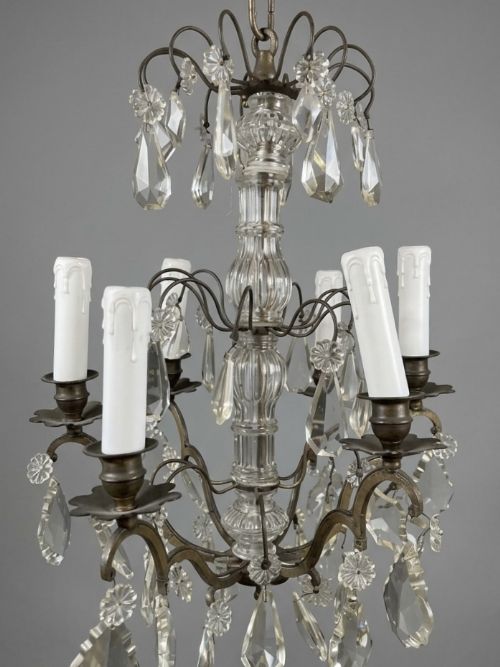
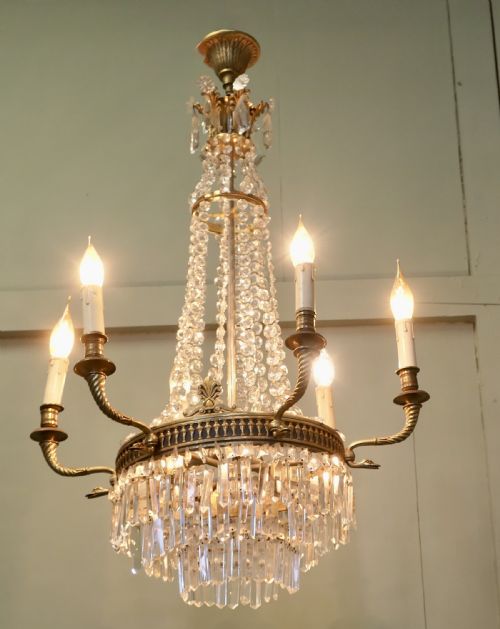
A six arm light fixture primarily manifests as a multi-branched chandelier originating from French, Italian, and English workshops spanning the late nineteenth and early twentieth centuries. Buyers searching for a six arm light fixture encounter numerous variations adhering to classic regional styles, including French Chateau, Empire, and Florentine designs.
The inventory leans heavily toward ceiling-hung chandeliers alongside occasional table lamps constructed with identical branching configurations. Most examples date from the 1900s through the 1930s, incorporating period aesthetics such as Art Deco, Rococo Revival, and Flemish Revival.
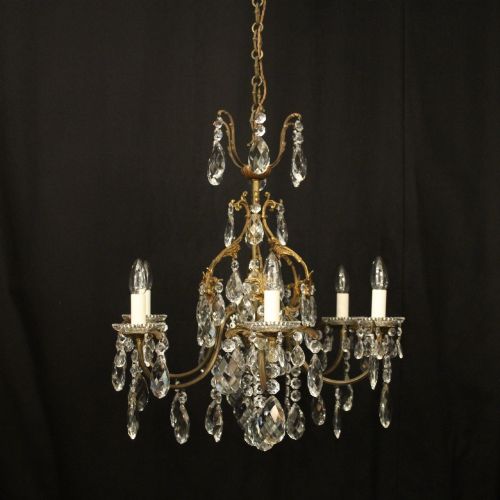
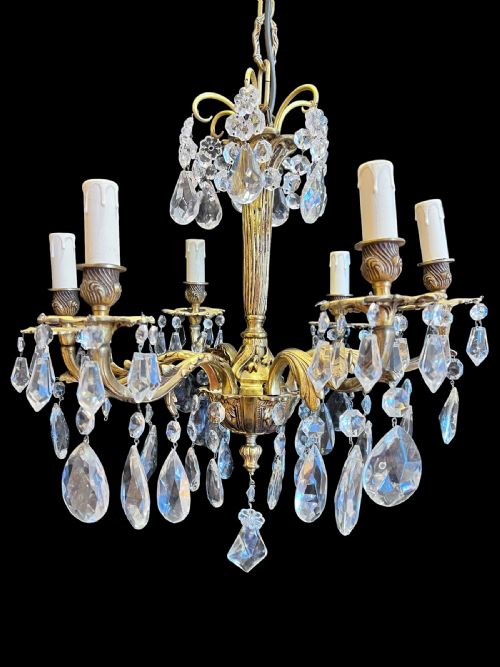
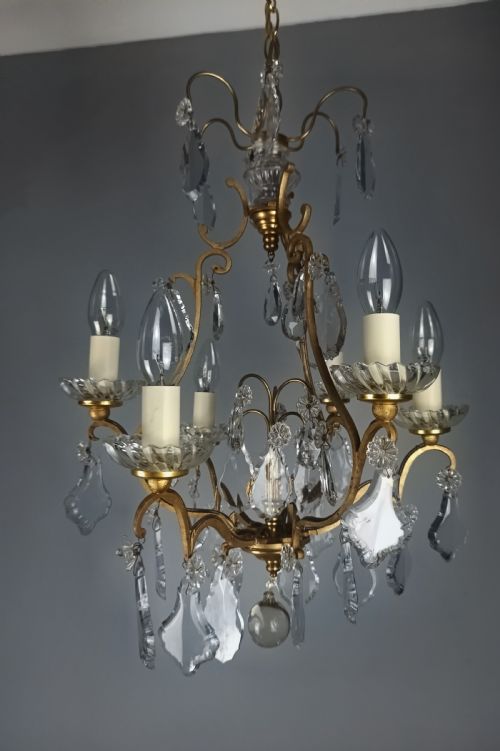
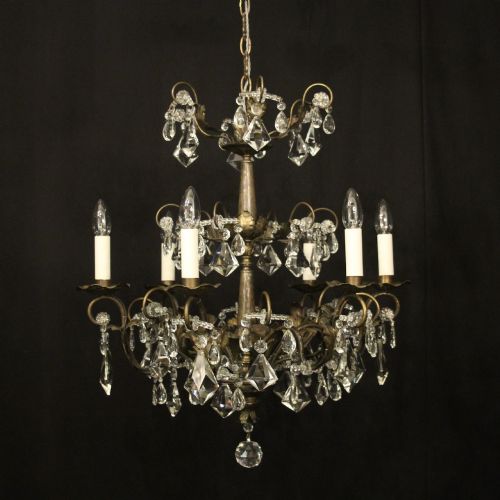
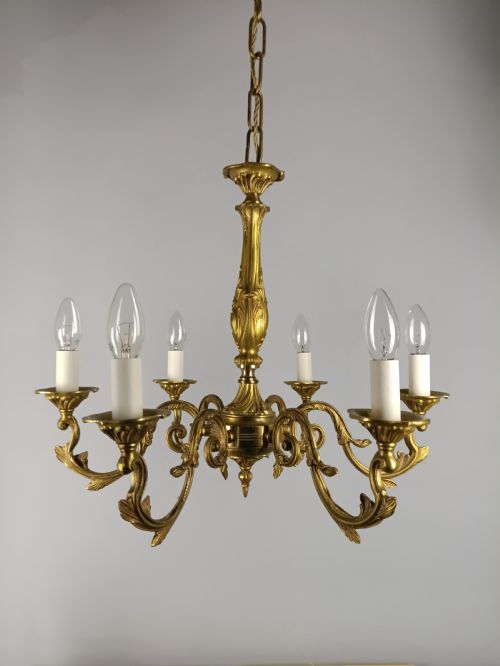
These fixtures serve as central overhead illumination for principal rooms, distributing light across six distinct candle or bulb positions. The forms range from simple brass frames to elaborate birdcage and tent-and-waterfall structures draped in crystal.
Materials and construction methods
Makers constructed these fixtures using cast metals such as bronze, brass, iron, and gilt metal, often applying fire gilding, silver plating, or polychrome paint to the surfaces. Structural metal forms were frequently paired with cut glass and crystal drops, beads, or fruit ornaments to enhance light refraction.
Assembly involved joining individual arms to a central body or stem, utilising heavy casting techniques for bronze and brass components alongside hand-carved or gessoed wooden frames in Florentine and Victorian pieces.
Six Arm Light Fixture Retail Price Guide 2026
Typical asking prices for six arm light fixture among the pieces listed under this phrase on Sellingantiques today, from the lower quarter to the upper quarter. They describe what is for sale here now, not the wider market.
Listings feature items spanning the late nineteenth century through the nineteen-thirties, constructed in brass, bronze, crystal, and giltwood.
Distinctions in craftsmanship
The standard of execution depends heavily on the crispness of the metal casting and the depth of the gilding or surface finish. Heavy bronze and fire-gilded components demonstrate superior weight and durability compared to lighter stamped brass or painted alternatives.
The quality of the glass and crystal elements also defines the upper tier, where hand-cut prisms and integrated decorative drops produce sharper light dispersion than pressed glass. Structural integrity, particularly the secure attachment of the six arms to the main hub, separates robust examples from lighter pieces.
The Six Arm Light Fixture Glossary
- Chandelier
- A branched ornamental light fixture suspended from the ceiling. These pieces distribute illumination across multiple arms radiating from a central vertical axis.
- Gilt bronze
- Metalwork coated with a layer of gold using mercury amalgamation or modern electroplating. This finish provides a warm, enduring metallic lustre.
- Crystal
- High-clarity glass containing lead oxide, cut and polished to refract light into spectral colours. It appears frequently in drops and pendants.
- Girandole
- A branched candleholder or light fixture often equipped with a mirror or reflective backplate. The term applies to specific multi-light table lamp configurations.
- Tent and waterfall
- A chandelier configuration featuring an upper tent of crystal beads cascading down to a lower ring. This style maximises visual complexity and light play.
Six Arm Light Fixture: Frequently Asked Questions
How do I hang a six arm light fixture?
Suspension requires a sturdy ceiling hook anchored directly into a joist to support the combined weight of the metal frame and glass components. Professional wiring ensures the internal circuits meet modern safety standards.
Height placement depends on room proportions, typically allowing sufficient clearance underneath for foot traffic while anchoring the fixture as the visual centrepiece of the space.
What rooms suit a six arm light fixture?
These fixtures fit well in dining rooms, living spaces, and entrance halls where balanced overhead illumination is required. The six-branch spread provides ample light distribution for medium-sized spaces without overwhelming the architecture.
Matching the regional style, such as French Empire or Florentine giltwood, with existing interior period details ensures a cohesive aesthetic.
How do I date a six arm light fixture?
Dating relies on examining manufacturing techniques, material composition, and stylistic markers such as cast bronze details or Art Deco geometric lines. Late nineteenth-century pieces often display heavier gesso and carved wood or cast iron work.
Early twentieth-century examples frequently incorporate standardised electrical fittings alongside traditional brass and crystal components.
Are these fixtures wired for modern electricity?
Many period pieces have been rewired for contemporary electrical standards during their lifetime. Examining the internal channels and sockets helps determine whether updating is necessary for safe operation.
Consulting a qualified electrician ensures the fixture safely accommodates standard bulbs while preserving the original metal and crystal structure.