

Six Arm Brass Pendant
A six arm brass pendant brings focused illumination and classical proportions to a room, offering enduring metalwork from the late nineteenth and early twentieth centuries.
Six Arm Brass Pendant
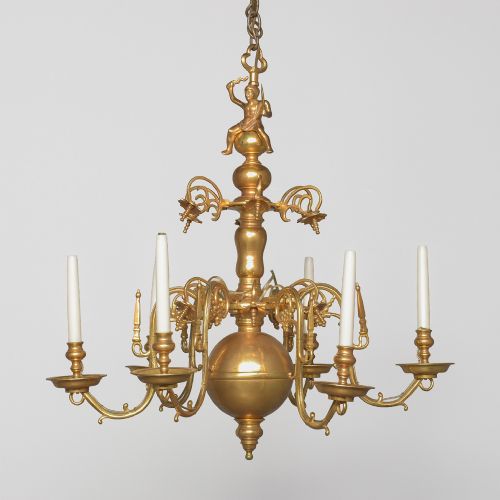
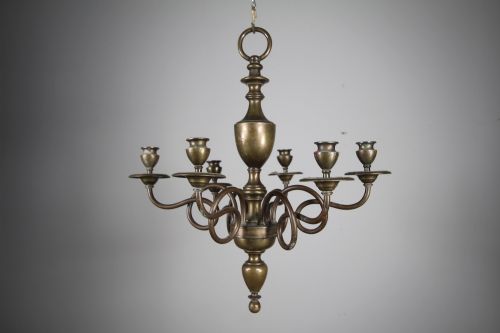
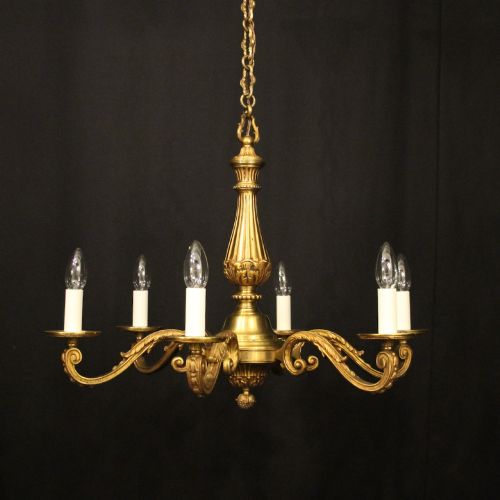
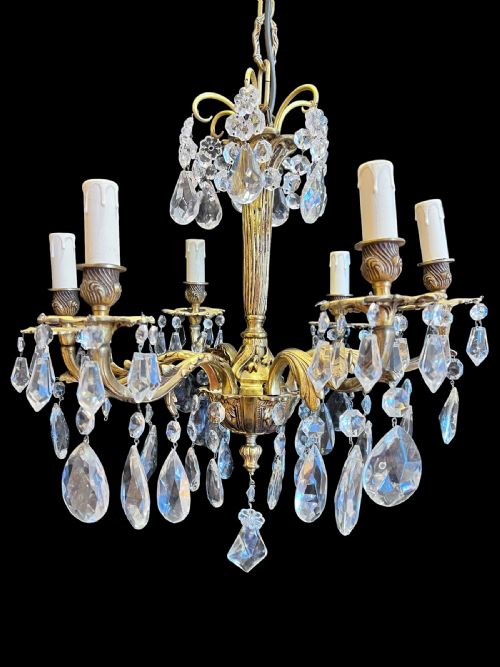
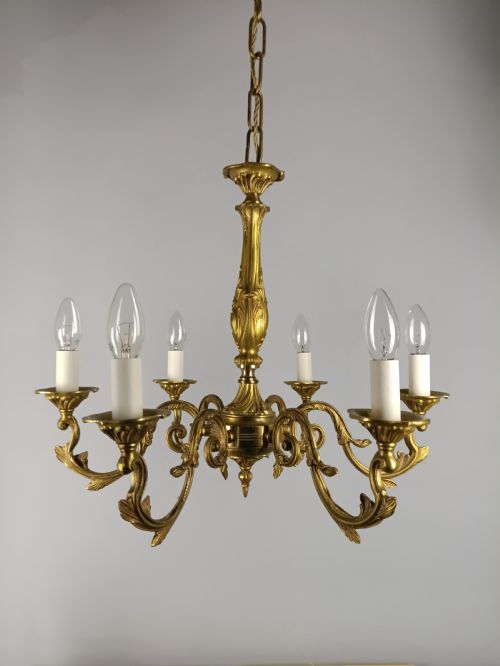
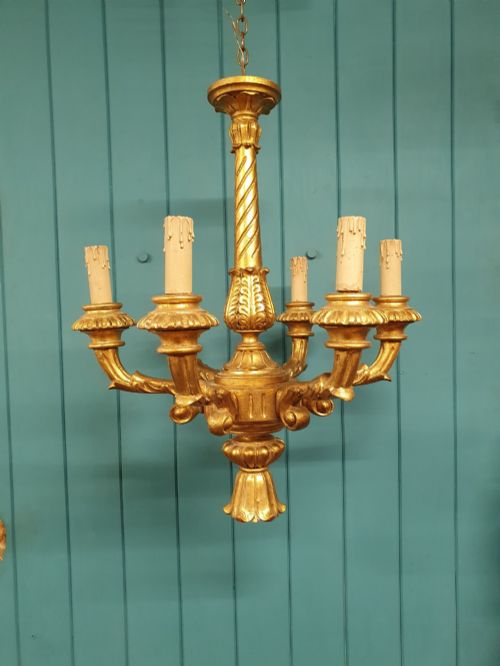
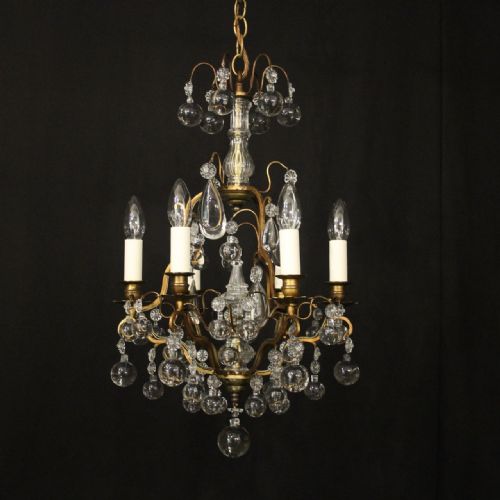
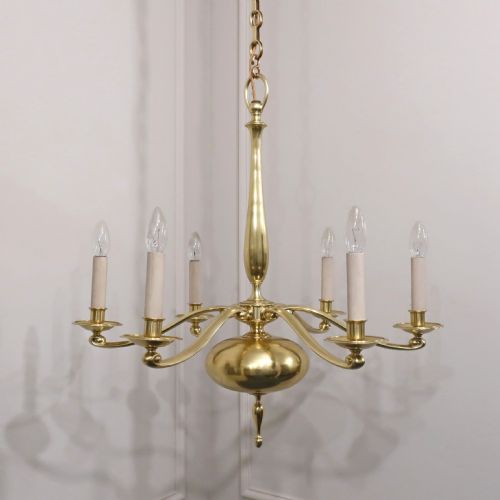
A six arm brass pendant is essentially a six light chandelier designed to suspend from a ceiling, grouping multiple arms around a central vertical axis. When searching for a six arm brass pendant, buyers encounter numerous French interpretations alongside English, Italian, and Dutch examples dating from the nineteenth century into the 1930s.
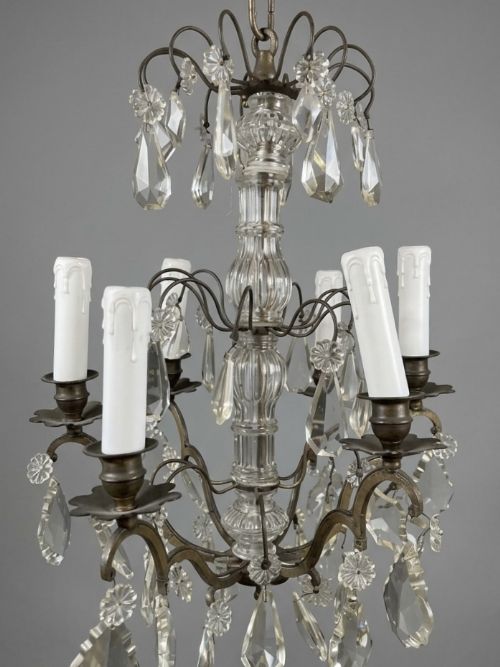
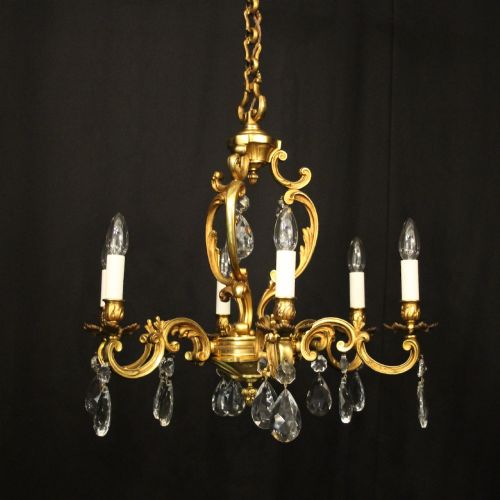
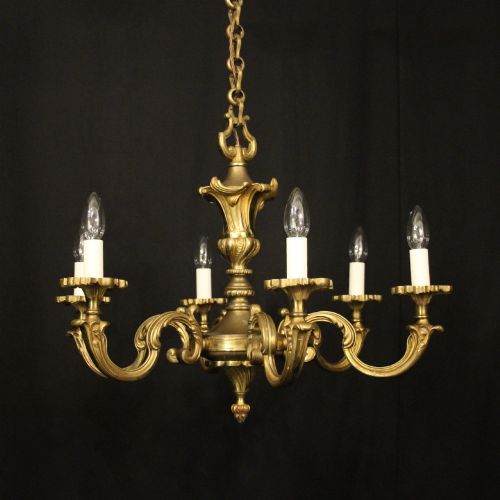
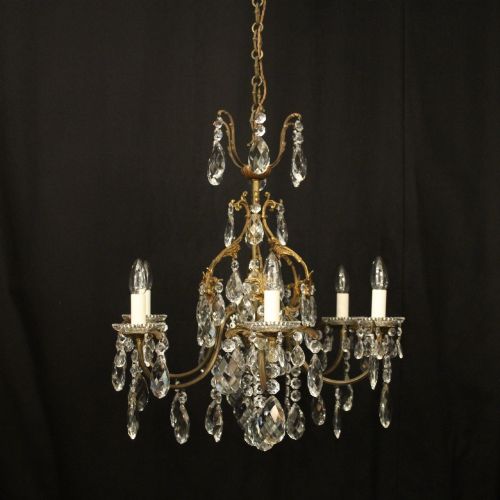
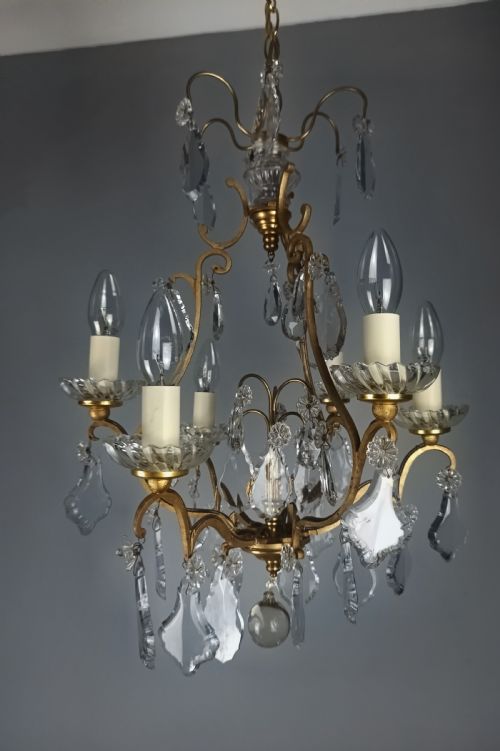
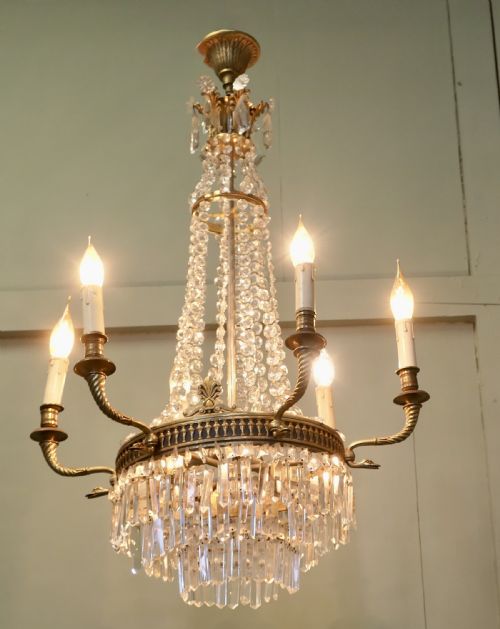
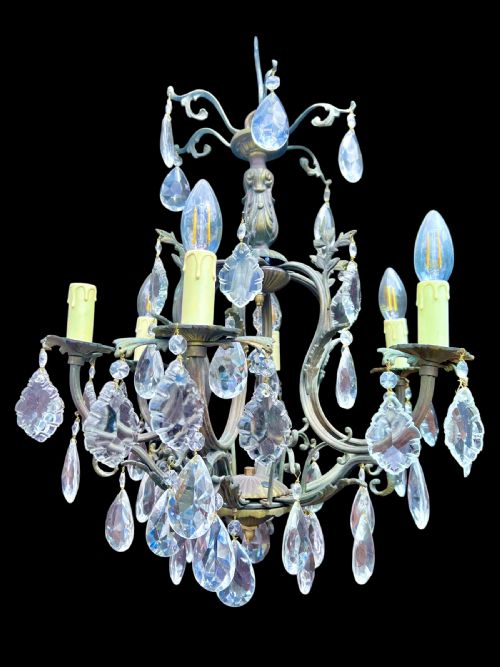
The prevailing forms span straightforward heavy brass frames to elaborate constructions featuring crystal droplets, glass elements, and birdcage frameworks. Styles lean heavily towards French traditions such as Rococo, Empire, and Neoclassical, alongside Art Nouveau and Art Deco designs from the early twentieth century.
Most pieces on this page originate from continental workshops, displaying cast bronze, gilt brass, and silver-gilded finishes. Sizes range from compact fifteen-inch fixtures to large thirty-one-inch centerpieces capable of dominating a reception room.
Materials and construction methods
Makers constructed these fixtures primarily from cast brass, bronze, and gilt metal, often applying gilding or silver plating to the metal surface for added lustre. Heavier castings provide structural integrity to the six arms while allowing intricate decorative detailing along the central stem and drip pans.
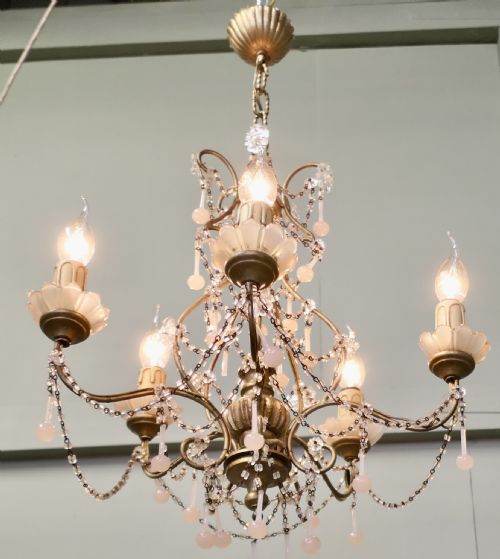
Many examples integrate glass and crystal components, hanging crystal drops, beads, or coloured fruits from the metal framework to refract light across the space. Birdcage chandeliers incorporate delicate wire or metal structures to house central glass drops and candle-style lights.
Six Arm Brass Pendant Retail Price Guide 2026
Typical asking prices for six arm brass pendant among the pieces listed under this phrase on Sellingantiques today, from the lower quarter to the upper quarter. They describe what is for sale here now, not the wider market.
Some six arm pendants come ready to harvest with dangling crystal fruits.
Assessing quality in antique pendant lighting
Quality rests significantly in the crispness of the metal casting and the finishing of the brass or bronze components. Superior pieces exhibit deeply chased surface details and heavy, substantial frames rather than light, hollow construction.
The integration of secondary materials defines the upper tier of the range, particularly the clarity and cut of associated crystal drops or the refinement of giltwood and gesso elements. Original surface treatments, whether patinated bronze or delicate silver gilding, retain greater character than stripped or overly polished metal.
G.E.C
The Six Arm Brass Pendant Glossary
- Birdcage chandelier
- A lighting fixture featuring a curved wire or metal frame enclosing a central drop, resembling the shape of an ornamental birdcage. These frameworks support multiple candle arms and cascading crystal elements.
- Chased
- Metal ornamented by hammering or embossing a design onto the surface from the exterior. This technique enhances the decorative depth of cast bronze and brass frames.
- Gilt bronze
- Bronze coated with a thin layer of gold or gold leaf, also known as ormolu. The finish provides a warm, enduring metallic sheen common in French period lighting.
- Drip pan
- A shallow metal dish positioned beneath the light source or candleholder to catch melted wax. On these pendants, they form an integral part of the arm assembly.
- Tent and waterfall
- A configuration where strings of crystal beads form an upper tent shape leading down to a wider cascade around the perimeter. This arrangement maximises light refraction from the six arms.
Six Arm Brass Pendant: Frequently Asked Questions
What periods do these pendants date from?
The pieces span the nineteenth century through the early decades of the twentieth century, with strong representation from the 1900s, 1920s, and 1930s.
Stylistic influences range from nineteenth-century revival periods to Art Nouveau and Art Deco designs of the 1920s.
How large do these chandeliers get?
Dimensions vary from compact fixtures measuring fifteen inches across to substantial chandeliers spanning up to thirty-one inches.
Smaller examples suit lower ceilings or intimate spaces, while larger thirty-inch iterations require generous clearance and high ceilings.
What materials are used besides brass?
Makers utilised bronze, gilt metal, giltwood, and gesso alongside the predominant brass structures.
Many designs incorporate clear crystal drops, glass beads, and occasionally coloured glass fruits to embellish the metal frame.
Are these fixtures strictly French in origin?
While French chateau and neoclassical designs dominate the selection, the listings include English, Italian, Dutch, and Venetian pieces.
Each regional tradition brings distinct stylistic characteristics, from Dutch brass pendant forms to Venetian art deco glass work.