

Silvered Wall Frame
A silvered wall frame brings luminous depth to a room, offering a reflective surface that catches the daylight and brightens darker corners.
Silvered Wall Frame
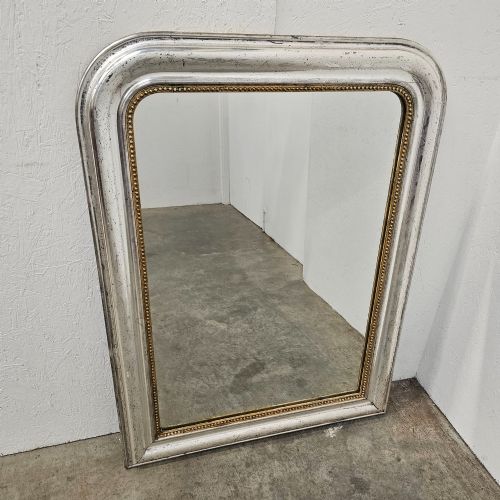
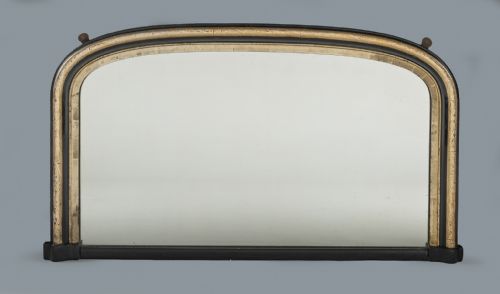
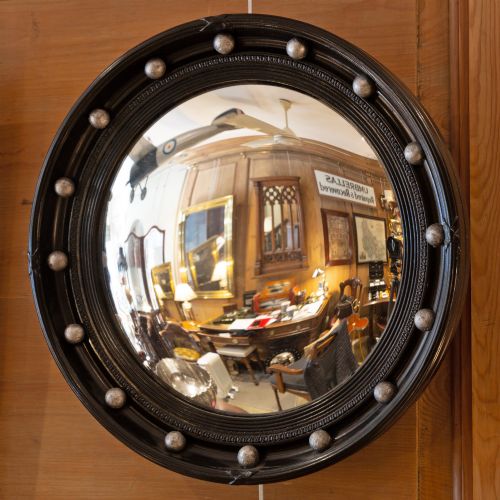
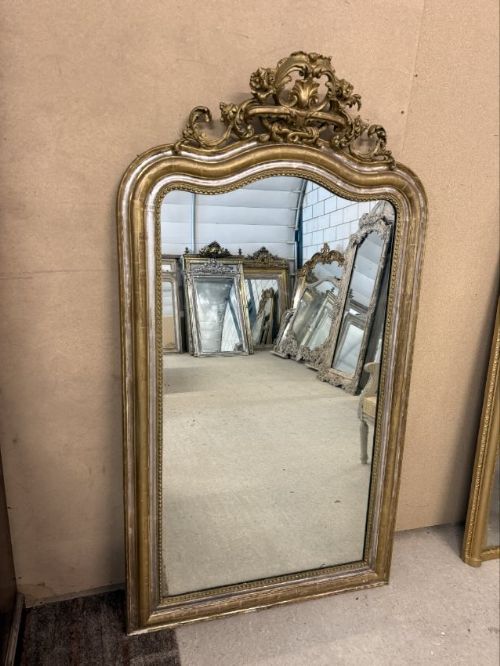
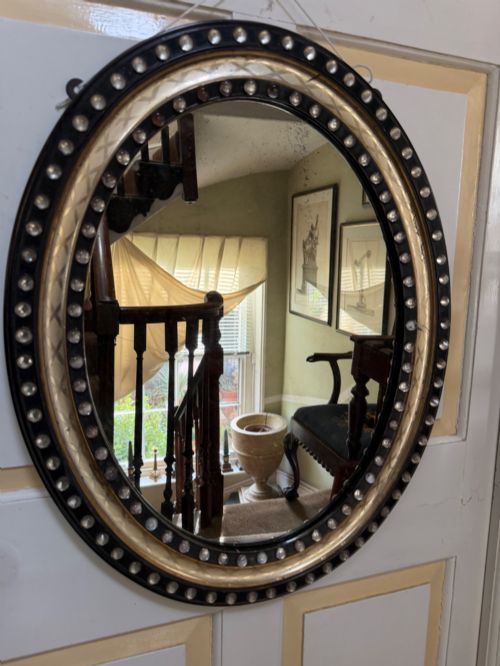
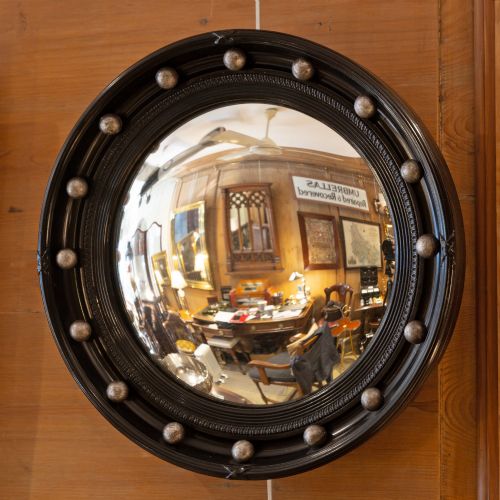
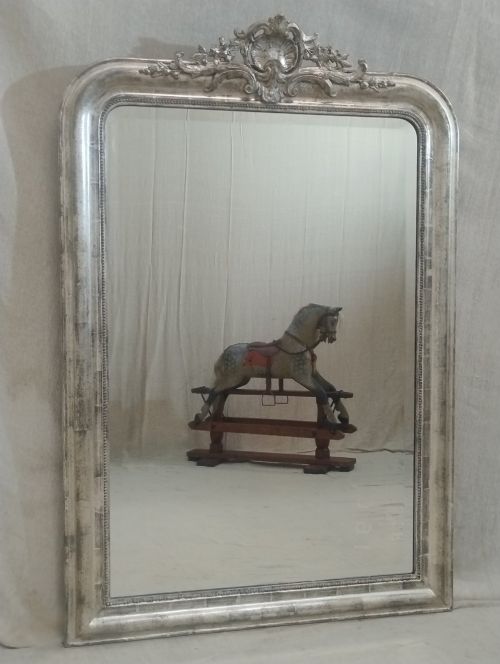
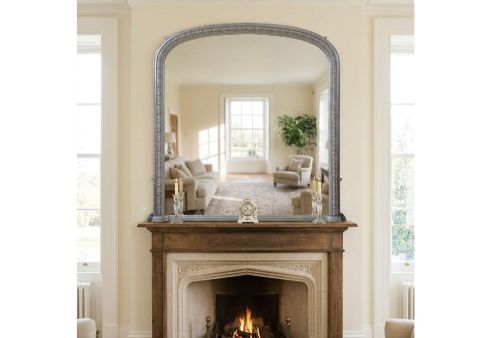
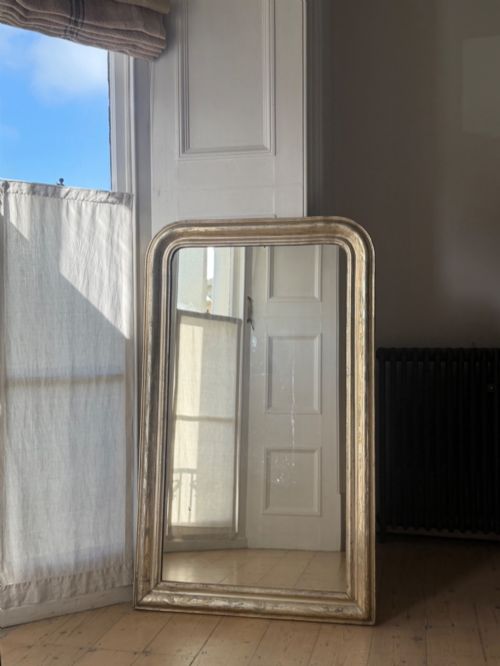
A silvered wall frame encompasses decorative mirrors, paintings, and framed panels spanning several centuries of craftsmanship. Buyers seeking this aesthetic will encounter carved wooden surrounds, overmantels, and cushion mirrors finished in silver leaf or metal.
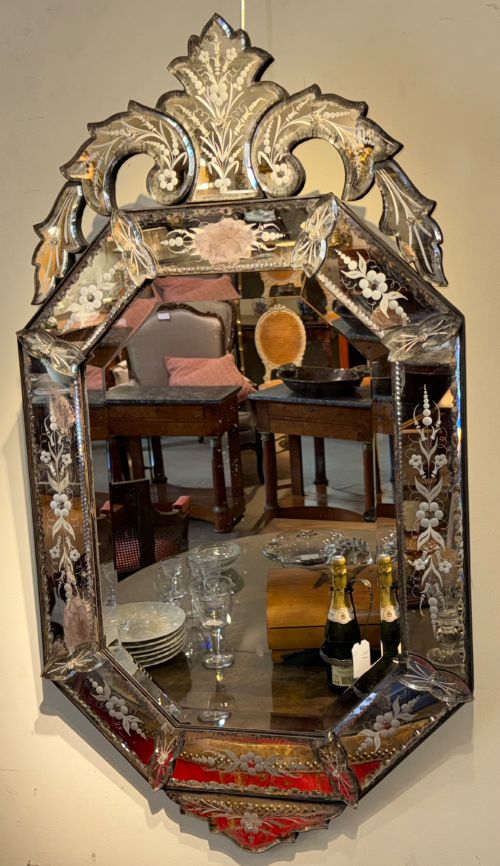
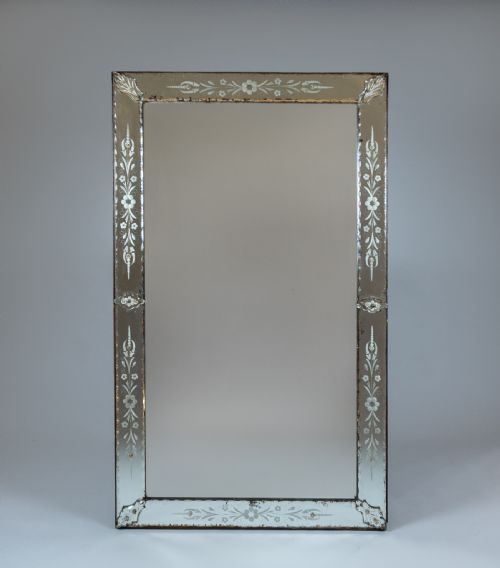
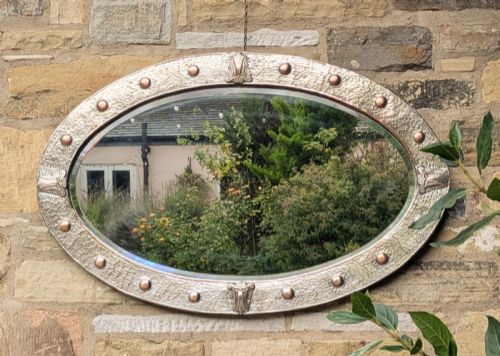
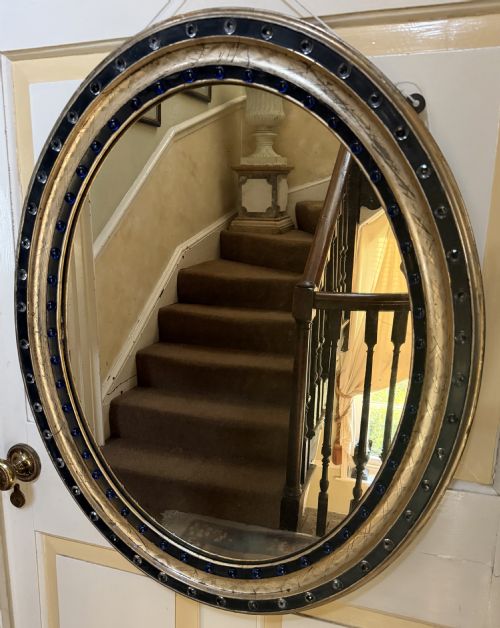
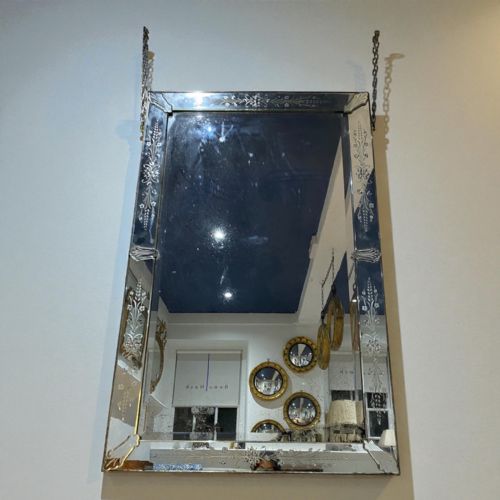
The selection ranges from French nineteenth-century examples and Venetian cushion mirrors to Arts and Crafts hammered metal designs. Many pieces combine silver and gold leaf surfaces or feature mercury glass plates with patinated finishes.
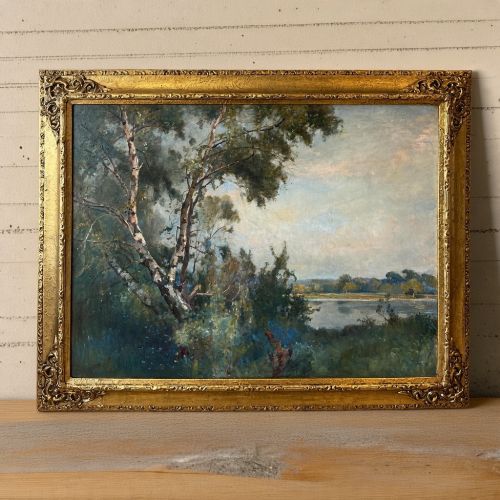
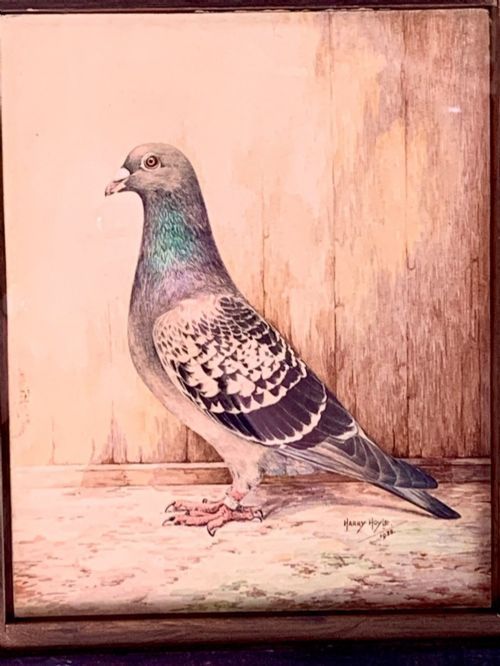
Beyond mirrors, the category includes oil paintings and portraits housed in period surrounds, demonstrating how frames and their contents were historically conceived as unified decorative objects.
How they were made
Makers built the structural foundation using wood, applying layers of gesso to carve intricate ornamentation before gilding or silvering the surface. Metal frames utilised brass or hammered metal plates, sometimes incorporating silver mounting.
Surfaces received treatments of silver leaf or silver-gilt alongside gold leaf accents, often aged with mercury glass or foxed bevelled plates. These techniques created the reflective, shimmering quality characteristic of antique wall mirrors.
Silvered Wall Frame Retail Price Guide 2026
Typical asking prices for silvered wall frame among the pieces listed under this phrase on Sellingantiques today, from the lower quarter to the upper quarter. They describe what is for sale here now, not the wider market.
The listings here span from the seventeenth century through to mid-twentieth-century modern pieces, incorporating wood, glass, and metal.
What varies in quality
The distinction between standard and superior pieces rests in the depth and precision of the carved wooden gesso work beneath the silver surface. Hand-carved detailing and well-preserved leaf layers indicate higher craftsmanship than simpler moulded compositions.
The integrity of the glass plate also separates tiers of quality, with original mercury glass and hand-beveled edges commanding greater appreciation among collectors than later replacement glass.
The Silvered Wall Frame Glossary
- Silver Leaf
- Extremely thin sheets of beaten silver applied to a prepared gesso and wood ground to create a reflective metallic finish.
- Gesso
- A plaster mixture applied to wooden frame bases as a smooth foundation for subsequent carving and leaf application.
- Mercury Glass
- A double-walled blown glass type featuring a silvering solution inserted between the layers, producing a distinctive speckled reflective quality.
- Cushion Mirror
- A mirror style featuring a convex or sloping frame profile where subsidiary glass plates surround the central plate.
- Foxed Plate
- Mirror glass displaying dark spots and discoloration caused by the degradation of the silver backing over time.
Silvered Wall Frame: Frequently Asked Questions
How do I clean an antique silvered frame?
Dust the carved wooden surface gently with a soft dry brush to prevent disturbing delicate leaf layers.
Avoid liquid cleaners and commercial polishes, which can strip the historic silver or gold finish entirely.
Are these mirrors suitable for damp rooms?
Historic frames constructed from wood and gesso react poorly to moisture and extreme humidity fluctuations.
Keep them in dry interior spaces to preserve the integrity of the silver leaf and underlying structure.
How can I tell a Venetian mirror from other styles?
Venetian mirrors often feature engraved glass panels and decorative crests surrounding a central plate.
They frequently employ cushion profiles and applied glass elements rather than heavily carved wooden surrounds.
What is the difference between silver leaf and silver gilt?
Silver leaf provides a pure, bright silver metallic surface applied directly to the prepared frame.
Silver gilt combines silver with subtle gold leaf accents to produce a warmer, multi-toned metallic appearance.