
Silvered Pocket Watch
A silvered pocket watch carries the weight of mechanical precision through the decades, offering tactile timekeeping rooted in Victorian and twentieth-century craftsmanship.
Silvered Pocket Watch
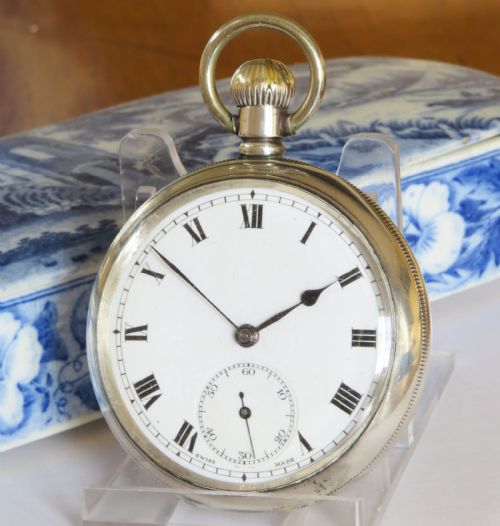
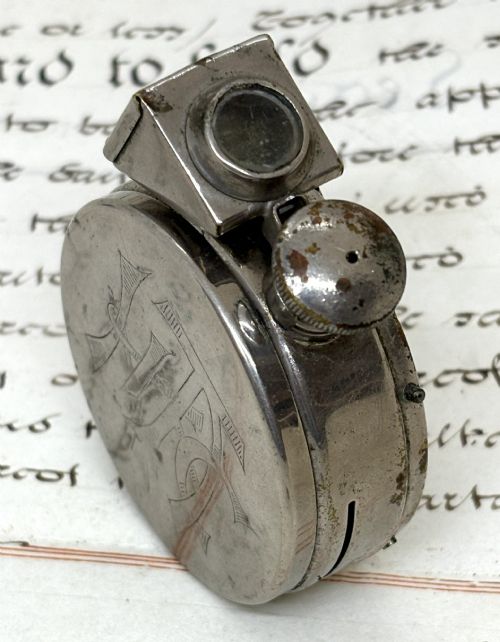
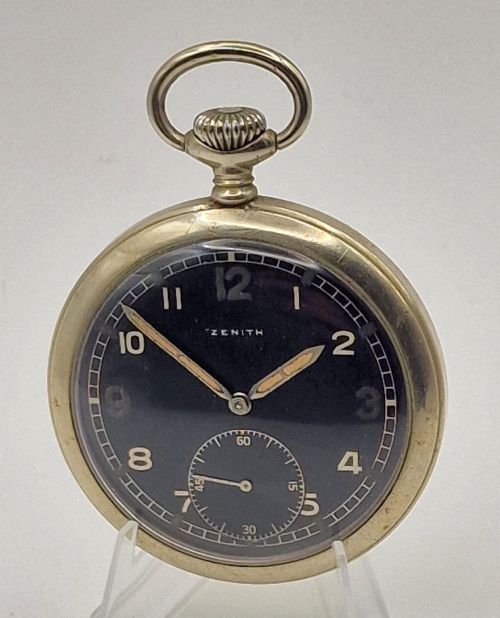
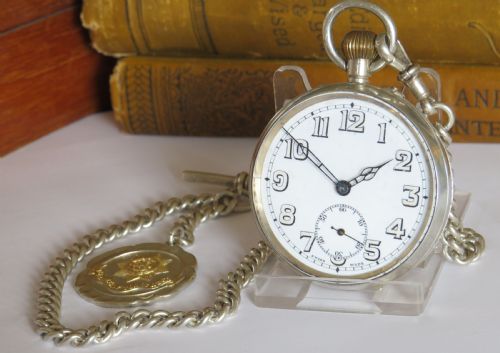
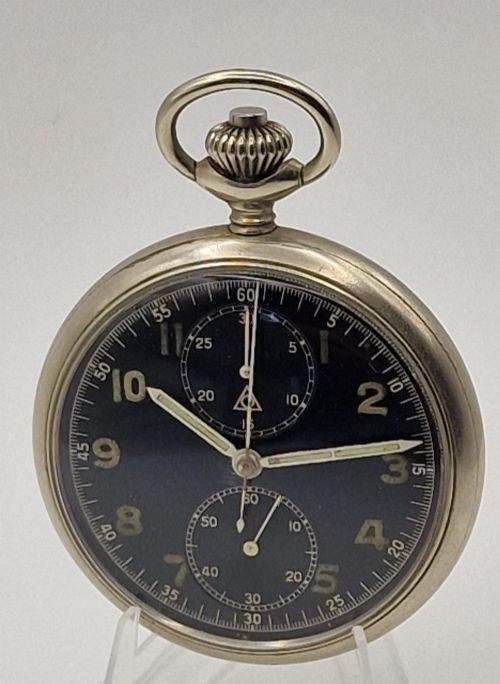
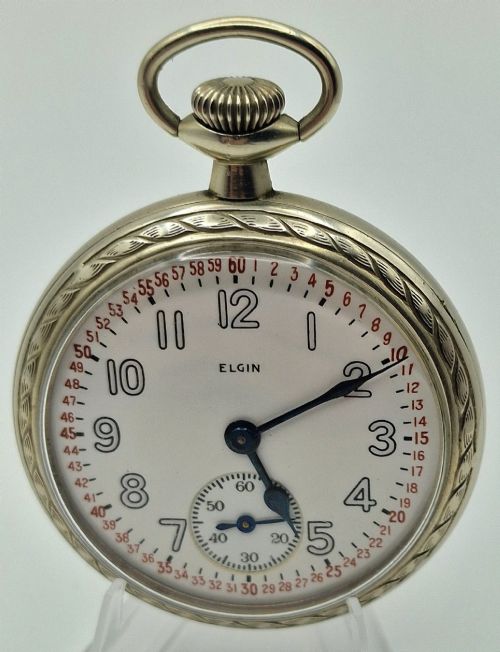
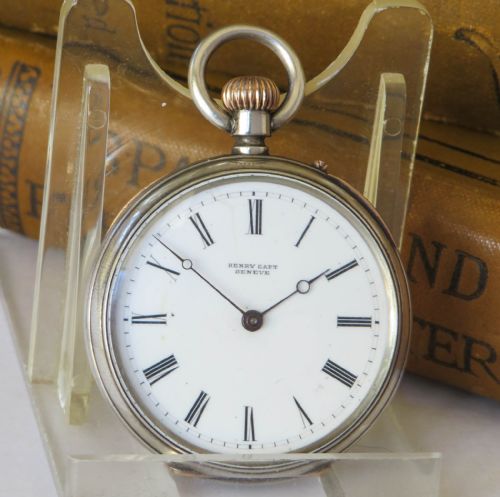
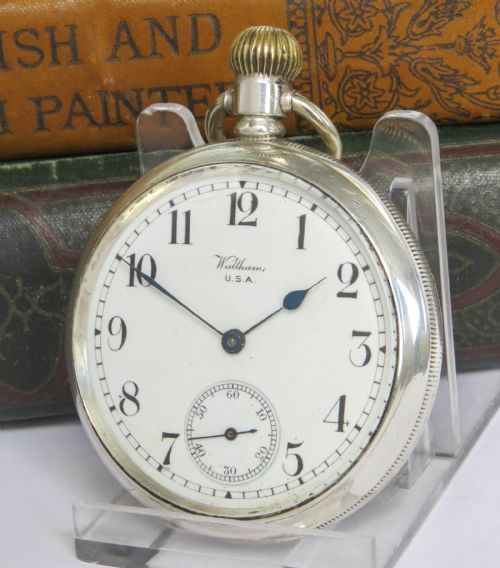
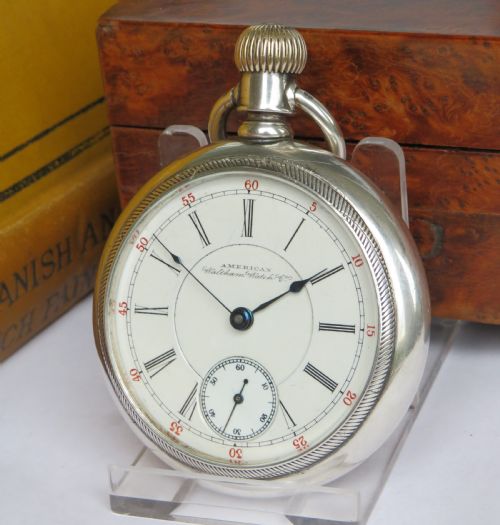
A silvered pocket watch represents portable horology housed in silver, sterling silver, steel, or nickel, often accompanied by watch chains, fobs, and sovereign cases. You will frequently encounter examples spanning the Victorian era, Edwardian period, and the nineteen-twenties, alongside specialised military and railway issues.
The phrase silvered pocket watch encompasses standard pocket watches, half hunters, chronographs, and fusee movements alongside related items like watch chains and pocket watch chains. Pieces hail from makers such as J W Benson, Kendal & Dent, and Camerer Cuss, reflecting both domestic timekeeping and utilitarian service.
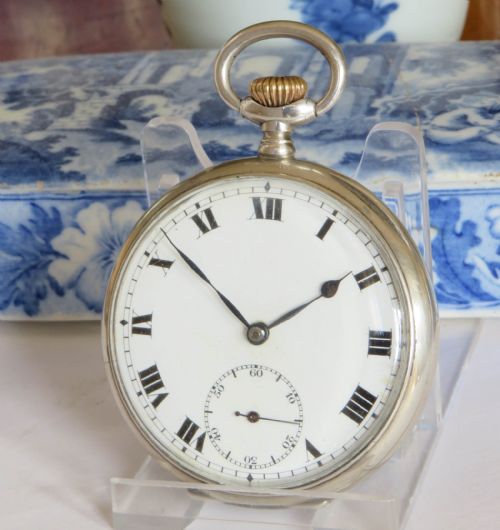
Designs stretch from nineteenth-century industrial styles to Art Deco aesthetics and mid-century utility forms. These objects served everyday gentlemen, railway staff, and military personnel, utilising enamel dials and glass crystals to protect delicate internal mechanisms.
Materials and construction methods
Cases utilise sterling silver, brass, nickel, and chrome, paired with protective glass faces and fired enamel dials carrying intricate numerals. Silversmiths and watchmakers housed complex mechanical movements inside these metal shells, securing them with hinged or threaded backs.
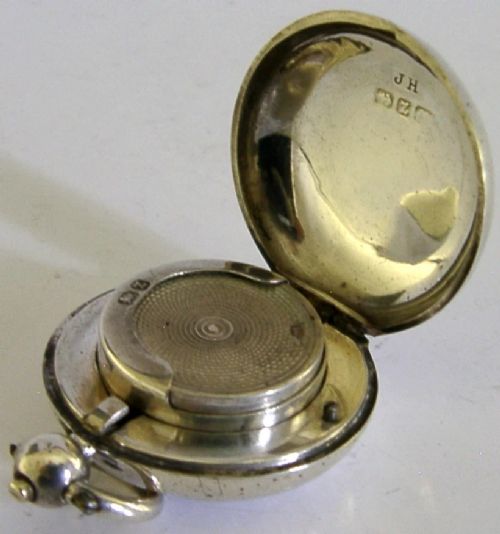
Movements incorporate steel components, fusee mechanisms, and chronograph complications assembled by hand in workshops across Britain and continental Europe. Hallmarks stamped into the silver cases provide official records of assay offices and manufacturing dates.
The selection includes pocket watches paired with albert chains, sovereign cases, compasses, and railway service badges.
Factors of distinction
Quality rests in the sophistication of the movement, distinguishing a standard pin-pallet escapement from a jewelled fusee or chronograph mechanism. Maker reputation and the crispness of the case hallmarks further divide ordinary production from notable workshop output.
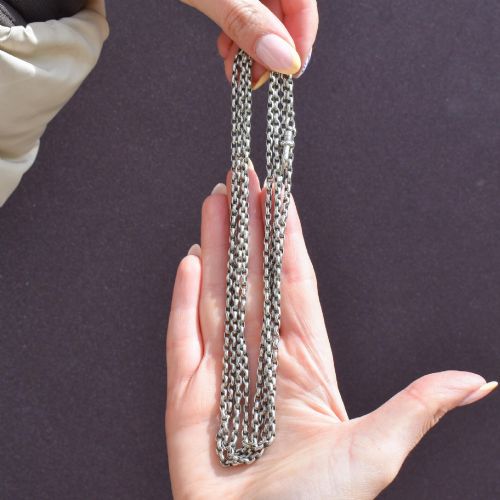
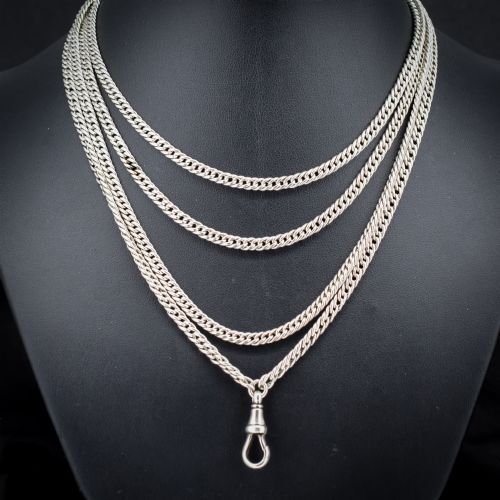
The integrity of the enamel dial and the original matching state of the albert chain or fob influence the overall completeness of the piece. Crisp engraving on hunter cases and robust linkage in silver watch chains indicate higher standards of period craftsmanship.
Kendal & Dent·J W Benson·Buren·Guinand·Camerer Cuss·Tavannes
The Silvered Pocket Watch Glossary
- Fusee
- A conical pulley used in older pocket watches to equalize the driving force of the mainspring as it unwinds. This mechanical device ensures steady timekeeping accuracy throughout the power reserve.
- Half hunter
- A pocket watch case featuring a glass-covered central aperture on the front lid allowing the time to be read without opening the case. Protective enamel numerals often encircle this viewing window.
- Albert chain
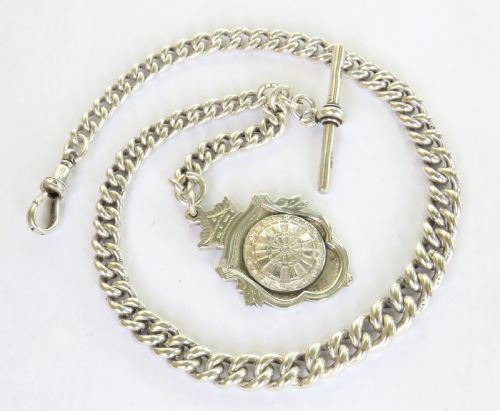
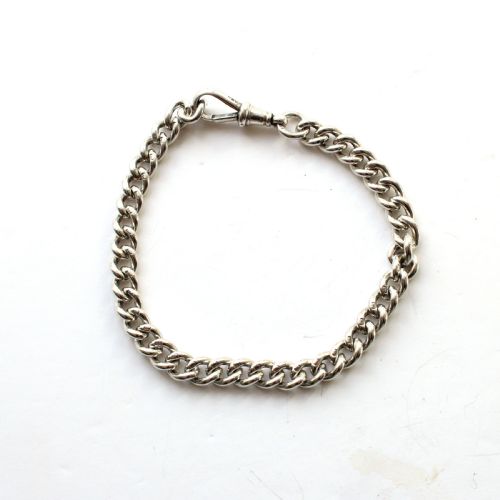
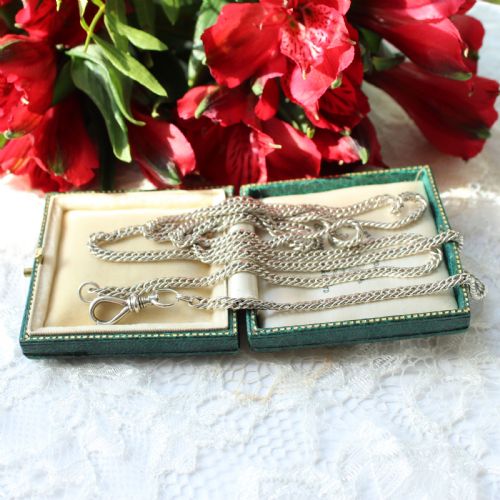
- A short length of silver chain designed to secure a pocket watch to a waistcoat, typically suspended from a buttonhole via a T-bar. These chains frequently incorporate fobs, sovereign cases, or compasses.
- Chronograph
- A watch equipped with a starting and stopping mechanism for the second hand, enabling precise stopwatch measurements. Such complications mark advanced horological production.
- Hallmark
- A series of official marks stamped onto silver items indicating the metal purity, assay office, and year of manufacture. These symbols authenticate British silver objects from the Victorian era onward.
Silvered Pocket Watch: Frequently Asked Questions
How do I wind a pocket watch?
Most antique pocket watches are wound via the crown at the top of the case or through a dedicated keyhole on the rear dust cover, depending on the age of the movement.
Turn the crown gently clockwise until resistance indicates the mainspring is fully tensioned, avoiding excessive force to protect vintage internal gears.
What is an albert chain?
An albert chain is a traditional watch chain attached to a pocket watch on one end and secured to a garment via a T-bar through a buttonhole.
Named after Prince Albert, these silver chains often display decorative fobs, vestas, or sovereign cases.
Are these watches waterproof?
Historical pocket watches lack modern rubber gaskets and waterproof seals, leaving their delicate mechanical movements vulnerable to moisture and dust ingress.
Keep them away from water and store them in dry environments to preserve the steel components and paper or enamel dials.