




Silvered Glass Tray
A silvered glass tray brings a reflective surface to a room, offering a functional stage for decanters, mirrors, and desk accessories.
Silvered Glass Tray
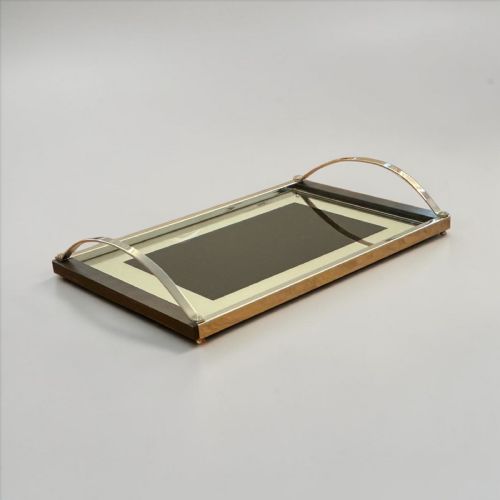
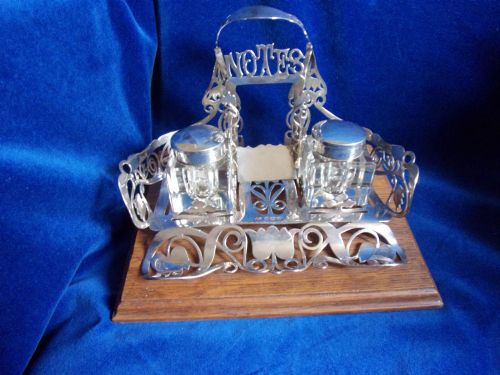
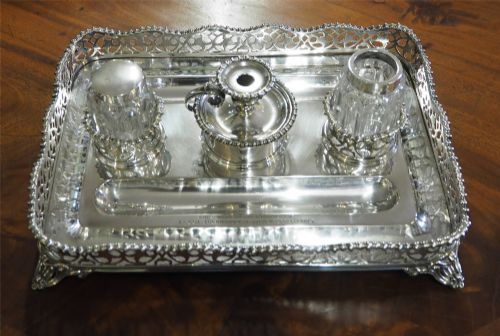
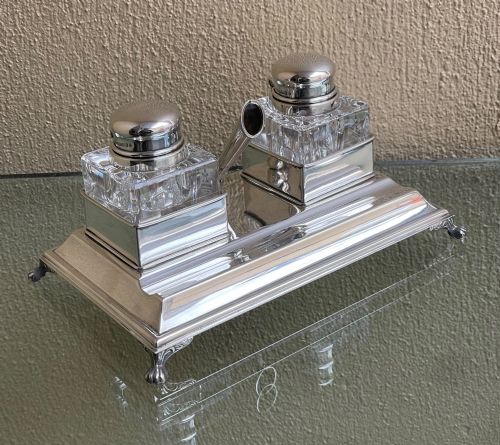
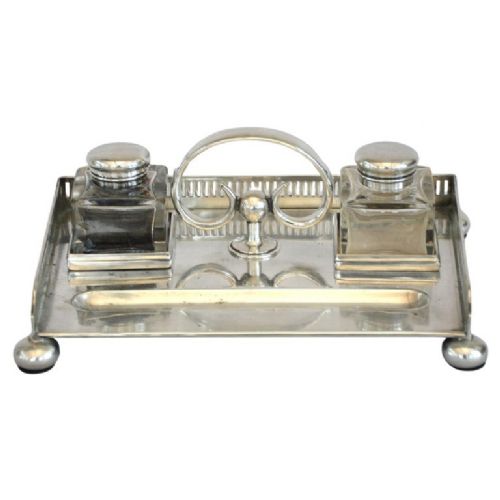
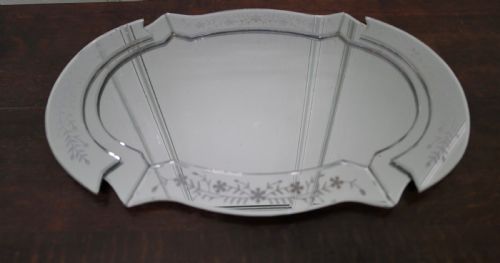
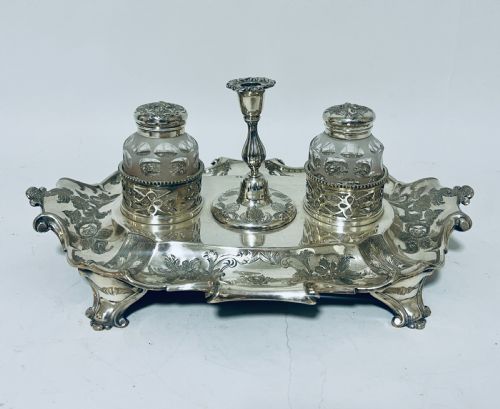
A silvered glass tray combines mirrored surfaces or glass panels with metal or wooden frames to create a reflective tabletop accessory. When buyers search for a silvered glass tray, they often encounter related desk pieces, inkstands, and mirrored plateaux from the Victorian, Edwardian, and Art Deco periods. These items range from small vanity trays to large serving pieces incorporating cut glass and silver plate.
The objects seen here stem largely from the late nineteenth and early twentieth centuries, spanning Edwardian, Victorian, and Art Deco designs. Many pieces combine mirror glass with silver-plated mounts, oak bases, or etched decorative details. They serve as functional display pieces for dressing tables, sideboards, and writing desks.
Materials and construction methods
Makers combined mirror glass and cut crystal with silver plate, sterling silver, and woods such as oak and coromandel. Metal mounts and galleries were soldered or screwed to wooden or mirrored bases to secure the glass components.
Surface decoration involved etching the glass panels or hand-fretting the metal frames. Silver-plated elements were applied over base metals, while solid silver sections received standard hallmarks for quality control.
Silvered Glass Tray Retail Price Guide 2026
Typical asking prices for silvered glass tray among the pieces listed under this phrase on Sellingantiques today, from the lower quarter to the upper quarter. They describe what is for sale here now, not the wider market.
Assessing craftsmanship and finish
Quality reveals itself in the weight and thickness of the glass, the depth of the hand-cut motifs, and the stability of the frame. Thicker mirror plates and heavier silver plating distinguish superior examples from lighter, mass-produced alternatives.
The integration of materials dictates the overall standard of a piece. Well-fitted joints between wooden bases, metal galleries, and glass liners show deliberate construction by skilled silversmiths and cabinetmakers.
Elkington·Walker And Hall·Mappin And Webb·Daniel Holy·Rupert Favell
The Silvered Glass Tray Glossary
- Standish
- A structured desk accessory designed to hold inkwells, quill pens, and sanders. It often takes the form of a silver or plated tray with fitted compartments.
- Plateau
- A mirrored table centrepiece traditionally used to reflect candlelight and display glassware or decanters. These pieces sit low on short feet to protect dining tables.
- Silver Plate
- A base metal, such as copper or Britannia metal, coated with a thin layer of silver through electroplating or old Sheffield plating techniques. This method provided the look of solid silver at a lower cost.
- Cut Glass
- Glass shaped and patterned by grinding wheels to create sharp facets and reflective designs. It appears frequently on inkwells, condiment sets, and drinking vessels.
- Jugendstil
- The continental European variant of Art Nouveau, prominent around nineteen hundred. It relies on stylized organic lines and flowing natural forms.
Silvered Glass Tray: Frequently Asked Questions
What is a silvered glass tray used for?
These items serve primarily as decorative display bases for decanters, perfume bottles, and small desk accessories. They protect wooden tabletops while reflecting light through glass and mirrored surfaces.
Historically, similar plateaux and stands held drinking vessels or writing equipment in drawing rooms and offices. Today, they function in domestic settings to group and exhibit collections of small objects.
How do I date an Edwardian piece?
Edwardian items date from the reign of King Edward the Seventh, spanning nineteen hundred to nineteen ten. They often carry hallmarks or registration numbers that pinpoint the exact year of manufacture.
Stylistically, these pieces draw on earlier Georgian and Victorian traditions while incorporating lighter frames and simpler etched glass patterns.
What is the difference between sterling silver and silver plate?
Sterling silver consists of a solid silver alloy containing standard proportions of pure silver and copper. Hallmarks stamped directly into the metal guarantee this composition.
Silver plate involves a layer of silver bonded to a different underlying metal base. Makers used electroplating or Sheffield plating methods to achieve this finish.
How should I clean mirror glass and metal mounts?
Mirror glass requires gentle cleaning with a soft cloth and mild glass cleaner to protect the silvered backing. Harsh chemicals must stay away from the reflective coating.
Metal mounts need appropriate polishing depending on whether they are silver-plated or solid silver. Care prevents the polish from touching adjacent glass or wooden surfaces.