



Silvered Crystal Chandelier
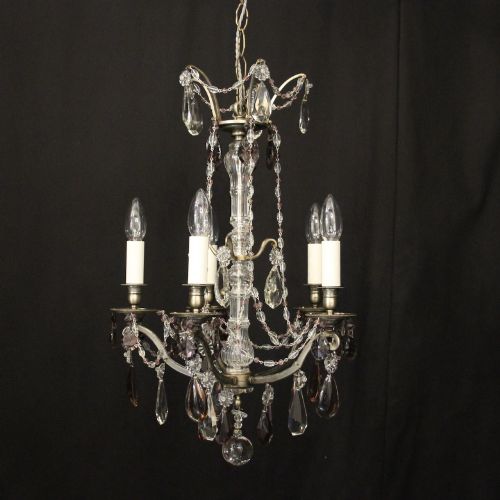
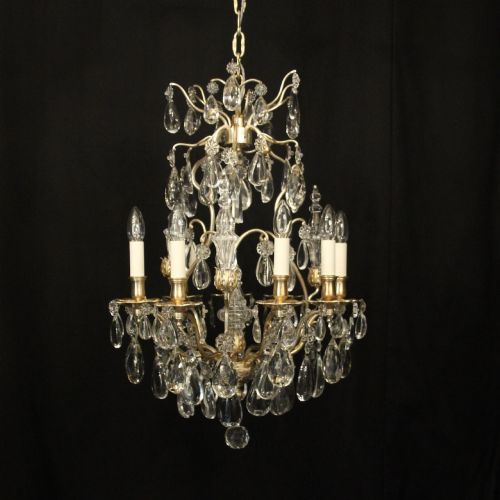
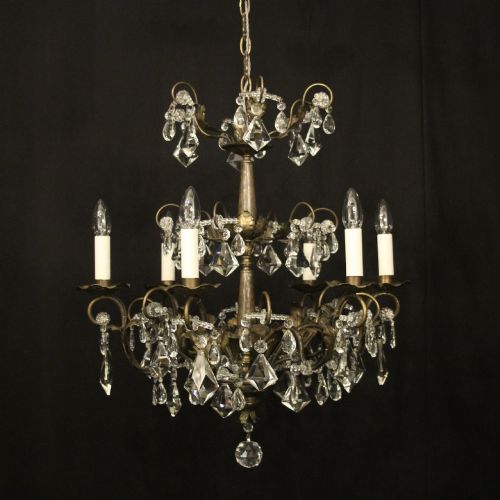
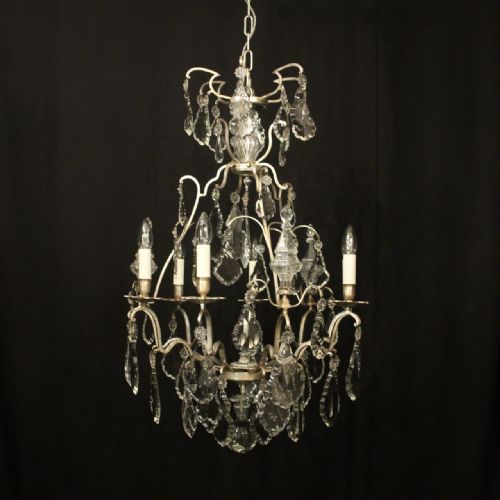
A silvered crystal chandelier catches the light through faceted drops and metallic frames, bringing immediate elegance and historical character to a room.
Silvered Crystal Chandelier
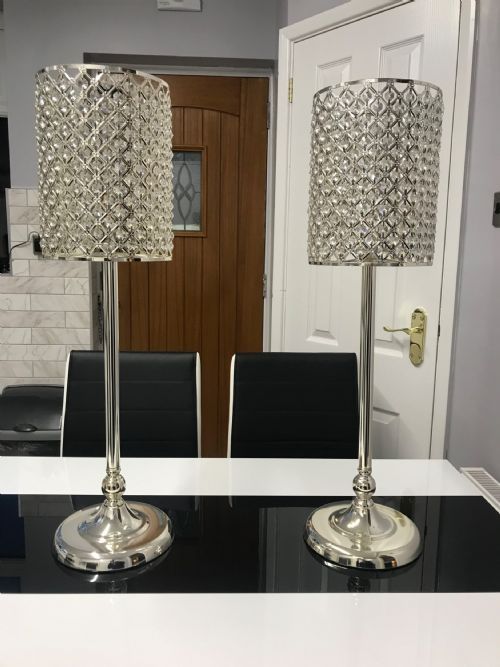
When you search for a silvered crystal chandelier, you are looking at large overhead light fixtures and smaller ceiling lighting designed to reflect illumination across cut glass and metallic surfaces. The selection spans several decades and centuries, incorporating examples from the nineteenth century through the Art Deco era and mid-twentieth century.
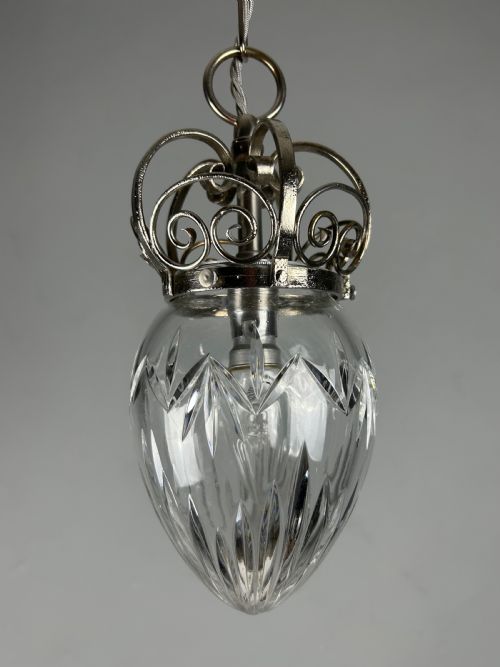
French and Italian origins dominate the selection, often taking the form of multi-light fixtures styled in French Chateau, Rococo, and Florentine tastes. Alongside grand chandeliers, the evidence includes pendant lights, dish lights, and smaller table chandeliers paired with cut glass and crystal components.
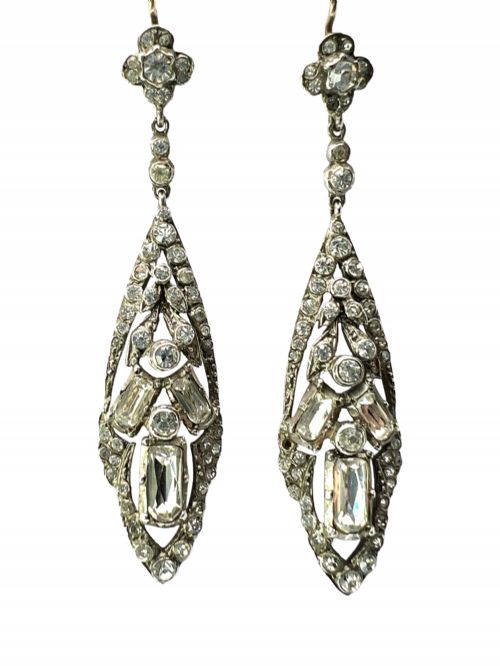
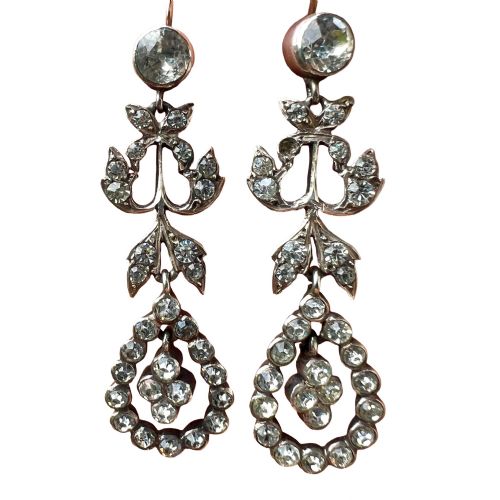
Makers and workshops across Europe utilised diverse aesthetic traditions, ranging from English bronze work to Russian silver plating. Buyers also encounter related items such as paste drop earrings sharing identical period metalwork and stone settings.
Materials and construction
Makers combined glass and metal by mounting crystal and cut glass drops onto frames formed from bronze, silver-gilded bronze, chrome, and silver plate. These metallic structures received silvered finishes to enhance the reflective properties of the hanging pendants and prisms.
Craftsmen shaped the illumination capacity through multi-light configurations holding anywhere from five to fifteen lights, supported by intricate metal casting and hand-cut glass elements. The integration of silver gilding provided durable metallic sheens that complemented the clear sparkle of the crystal.
The inventory records pieces spanning the nineteenth century through the 1960s, featuring glass, silvered bronze, and cut crystal.
Distinctions in standard
Superior examples demonstrate heavier gauge bronze or silver-gilded frames with substantial hand-cut crystal drops that disperse light cleanly without distortion. Lesser versions rely on simpler plated metal structures and moulded glass with fewer facets.
The sophistication of the metalwork, particularly in chased or gilded bronze components, separates standard commercial production from exceptional pieces. Complete tiers of original crystal drops and robust structural integrity mark the upper tier of the range.
Wedgwood
The Silvered Crystal Chandelier Glossary
- Crystal
- High-clarity glass containing lead oxide, which increases brilliance and refractive dispersion when cut into facets. These drops form the shimmering pendants characteristic of these fixtures.
- Silver-gilded
- A technique where a thin layer of silver leaf or gilt is applied over a base metal such as bronze. This provides a warm, reflective metallic surface.
- Pendant light
- A single light fixture suspended from the ceiling by a chain, cord, or metal rod rather than branching outwards in multiple arms.
- Paste
- Hand-cut glass or lead crystal used to imitate gemstones in jewellery and decorative ornaments. It reflects light brightly in period items.
- Dish light
- A ceiling fixture featuring a shallow bowl or dish shape formed from cut glass or crystal. It diffuses light smoothly across the room.
Silvered Crystal Chandelier: Frequently Asked Questions
How do I hang a heavy chandelier safely?
Suspension requires locating a ceiling joist or installing a heavy-duty electrical box rated to support the total weight of the metal and crystal components.
Professional installation ensures that the wiring and hanging chain securely bear the fixture without straining the ceiling plaster.
What rooms suit a multi-light chandelier?
Grand multi-light fixtures work well in dining rooms, high-ceilinged hallways, and living spaces where they serve as a central focal point.
Smaller pendant lights and table chandeliers fit comfortably in bedrooms or intimate sitting areas needing softer illumination.
How do I clean crystal drops safely?
Cleaning involves wiping each crystal piece individually with a mild solution of warm water and vinegar while the drops remain attached to the frame.
Alternatively, drops can be removed carefully, washed by hand, dried thoroughly, and rehung to restore their original sparkle.
How do I identify a nineteenth-century piece?
Nineteenth-century fixtures often display heavy cast bronze frames, hand-cut crystal with visible pontil marks, and traditional wiring channels.
Stylistic cues such as French Rococo curves and substantial silver-gilded construction further point to this earlier period.