

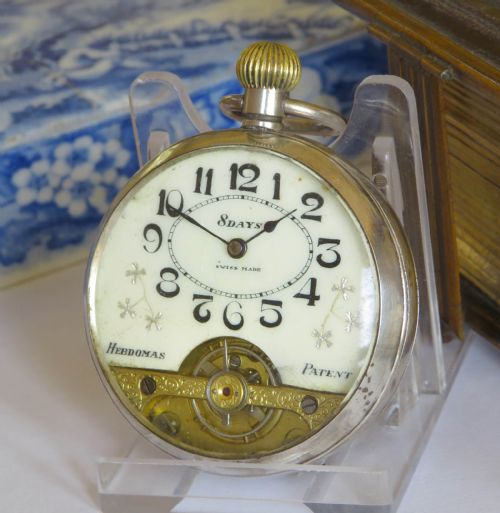
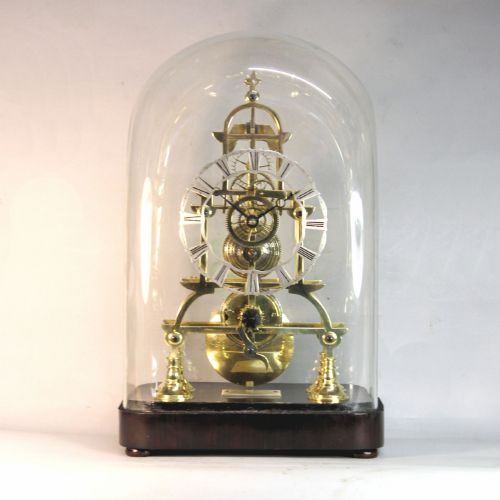
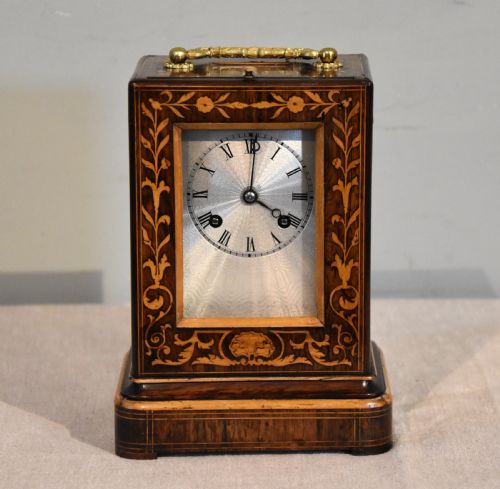
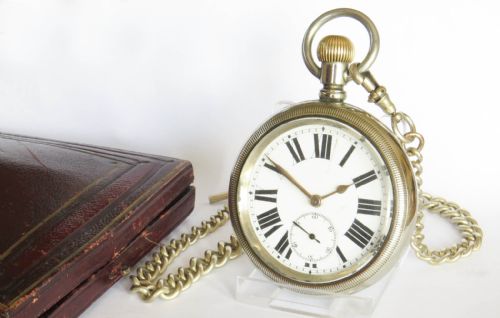
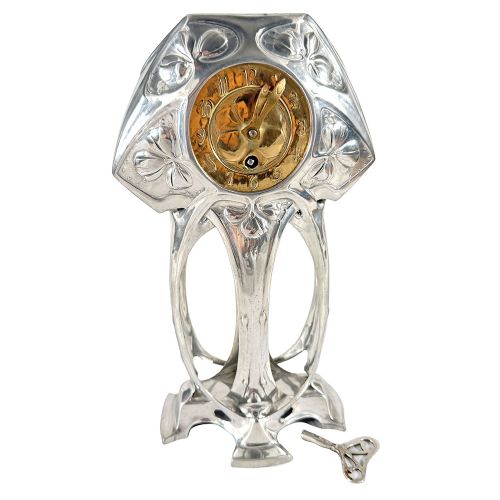
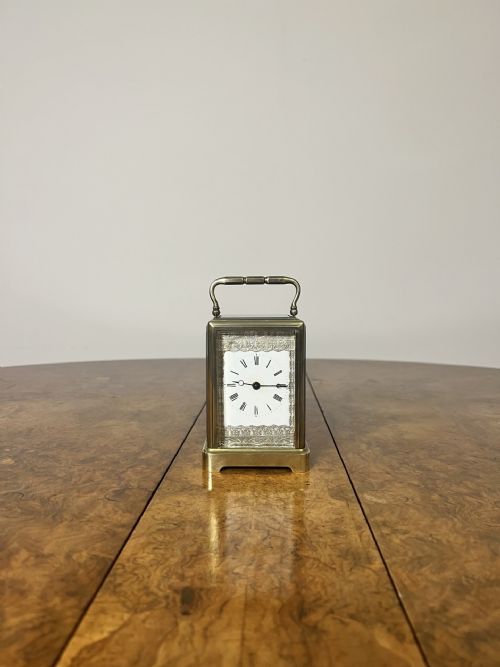

Silvered Brass Dial
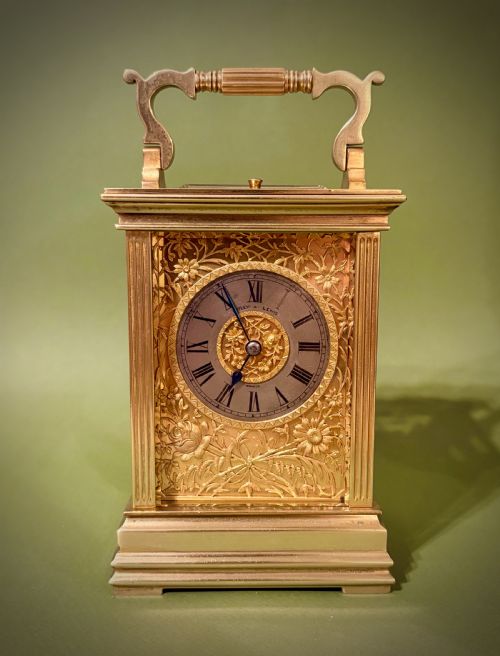
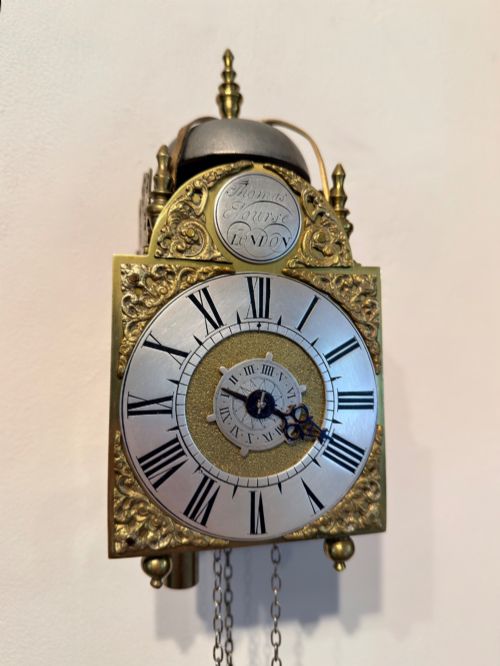
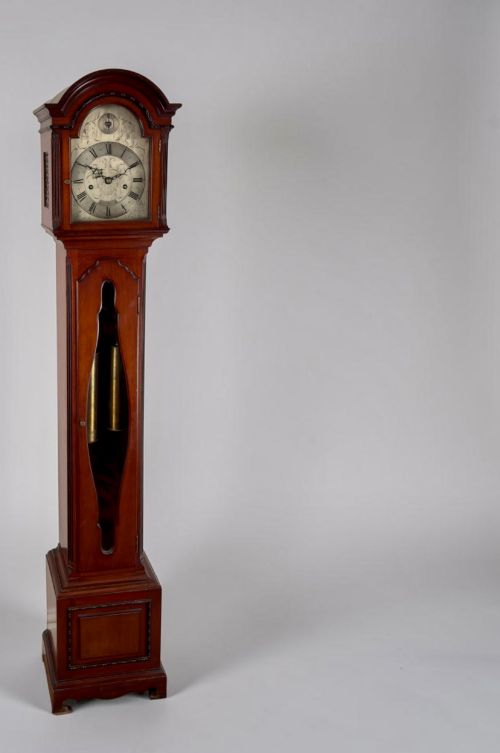
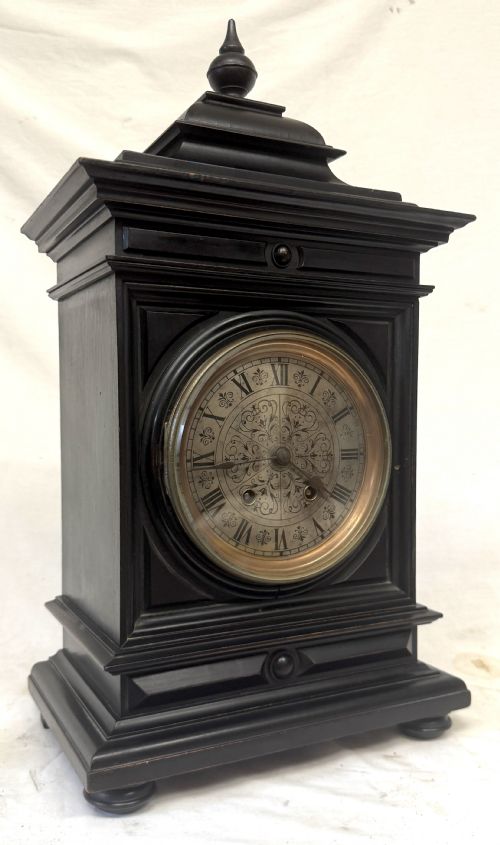
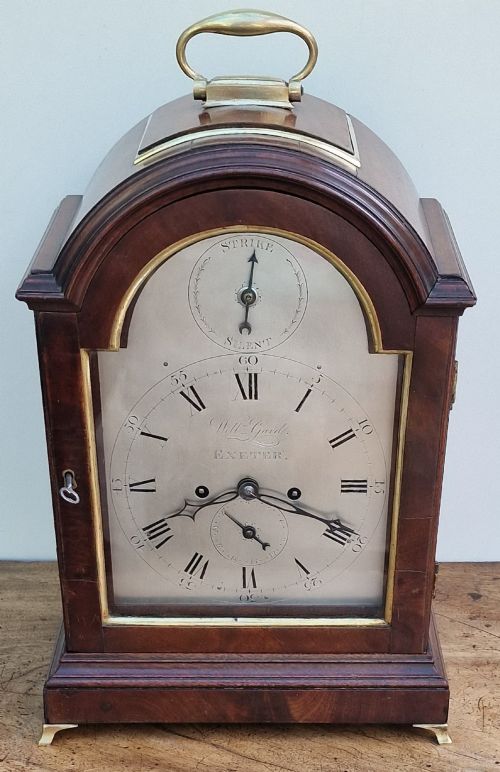
A silvered brass dial offers a bright, legible face set into clocks and barometers across several centuries of British and continental design.
Silvered Brass Dial
When searching for a silvered brass dial, collectors examine clock faces and barometer plates where brass has received a silver chemical finish to create a contrasting, readable surface.
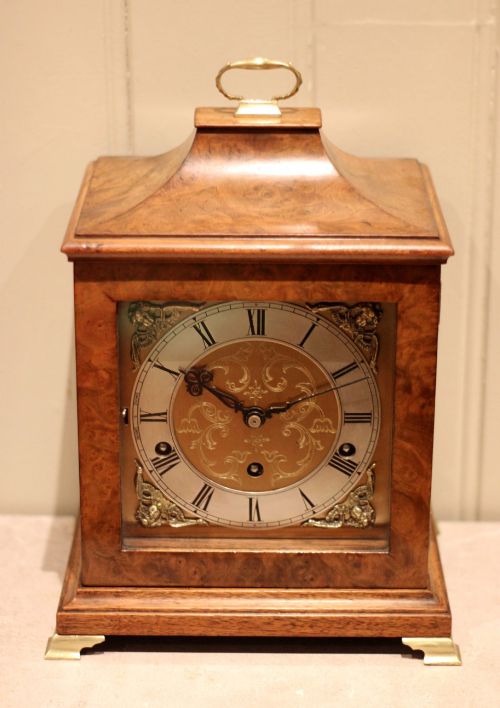
The versions most commonly met on this page span the Georgian, Victorian, and Edwardian periods, appearing on bracket clocks, longcase clocks, and stick barometers.
These faces combine a warm metallic base with crisp engraved numerals, a combination developed to maintain legibility in dim domestic interiors.
Materials and construction
Craftsmen started with a solid brass plate, often cutting apertures for winding or subsidiary dials before applying a silver compound that bonded to the metal through friction and chemical treatment.
Engravers then cut the numerals and maker details directly through the silver layer into the underlying brass, filling the resulting grooves with black wax to ensure the markings stood out sharply.
Cabinetmakers housed these dials within cases of mahogany, oak, rosewood, or burr walnut, matching the metalwork with brass bezels, bezels, and cast mounts.
Mahogany and rosewood dominate the timber casework across these pieces, frequently paired with brass bezels and silvered chapter rings.
Judging quality in dials and movements
Quality reveals itself in the depth and crispness of the engraved lettering, where hand-cut numerals display a sharpness lacking in pressed or machine-etched replacements.
The preservation of the original silvering matters greatly, as cleaning overzealously across generations can wear the thin silver layer down to bare brass.
Integration between the dial and the movement indicates higher workmanship, particularly in bracket and longcase clocks where chapter rings fit snugly against the dial plates without gaps.
Gillett & Johnston·Mappin & Webb·Richard Winter·Thomas Cole·James Tregent·Short & Mason
The Silvered Brass Dial Glossary
- Silvered metal
- A brass or copper substrate treated with a silver solution to produce a white, reflective surface. This finish tarnishes naturally over time and requires careful handling.
- Chapter ring
- The outer ring on a clock face bearing the hour numerals. On older longcase clocks, this is often a separate component pinned to the main dial plate.
- Fusee
- A conical pulley used in better-quality clocks to maintain equal tension on the gear train as the mainspring unwinds. It ensures steady timekeeping.
- Verge escapement
- An early timing mechanism using a crown wheel and a rod with pallets. It produces a distinctive ticking beat in Georgian bracket clocks.
Silvered Brass Dial: Frequently Asked Questions
How do I clean a silvered brass dial?
Cleaning requires extreme caution because the silver coating is often exceptionally thin. Standard commercial dips or abrasive polishes will strip the remaining silver away and ruin the engraved black wax within the numerals.
Dusting with a soft, dry brush is generally sufficient for maintenance. Any deeper intervention should be left to a professional conservator to preserve the historic finish.
Why do some dials turn dark?
Silver naturally reacts with airborne sulphur compounds, causing the bright surface to darken or develop a warm golden-grey patina over decades. This oxidation process is a normal part of ageing for genuine antique metalwork.
Many collectors prefer an untouched, naturally aged surface over a bright, stripped appearance. The darkening also helps to highlight the engraved details against the background.
Are replacement dials common?
Replacements happen frequently in horology because dials often suffered damage or wear during centuries of repair work. Clockmakers in the Victorian era sometimes fitted new dials to older movements to suit contemporary tastes.
Examining the rear of the dial helps determine originality, as mounting feet, pin placements, and engraving styles should align with the period of the movement and case.
How can I tell a Georgian dial from a Victorian one?
Georgian dials, particularly on longcase clocks, often feature separate cast brass spandrels in the corners and distinct chapter rings. The engraving tends to have a deep, flowing hand-cut character typical of eighteenth-century workshops.
Victorian and later dials are more commonly formed as a single solid brass plate with integrated silvering and simpler, machine-influenced typography reflecting changing industrial methods.