




Silvered Bead Mirror
These silvered bead mirror pieces offer striking reflective depth and period character, bringing genuine nineteenth-century presence to any interior.
Silvered Bead Mirror
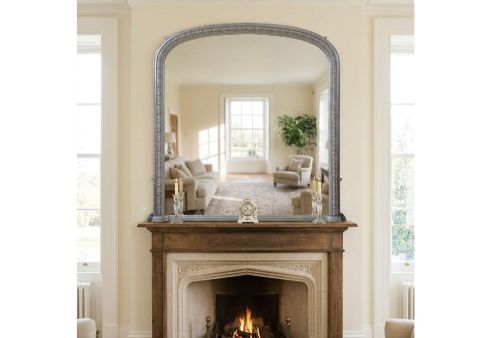
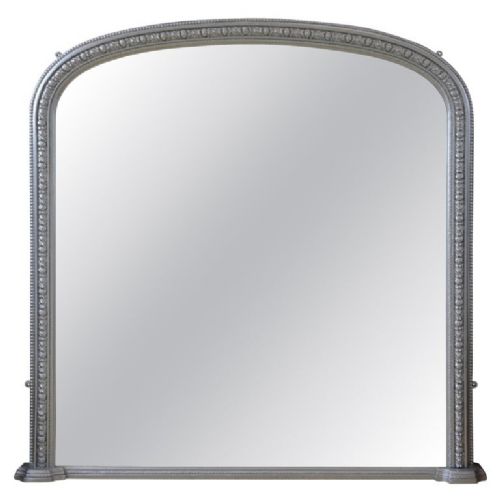
A silvered bead mirror brings together wall mirrors, overmantel mirrors, and plateau mirrors from the nineteenth century, Victorian, and Edwardian eras. These pieces originate in French and British workshops, spanning Louis Philippe, Regency, and Victorian styles.
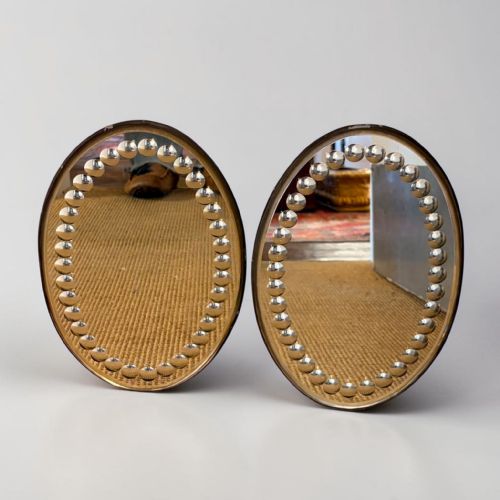
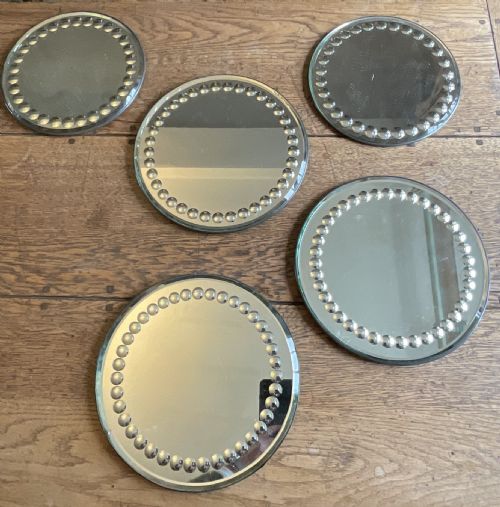
Buyers frequently encounter large wall mirrors and overmantel mirrors alongside pairs of sorcerer mirrors and jeweller's plateau mirrors. The forms range from simple nineteenth-century designs to ornate French gilt creations.
Dating primarily from the 1880s through to 1910, these items serve both functional reflective purposes and decorative architectural roles in period rooms.
How they were made
Maker's workshops built these frames using timber such as mahogany and pine, applying heavy layers of gesso to create crisp moulded ornamentation before finishing the surfaces with silver leaf or gilt wood. The physical construction relies on traditional joinery suited to heavy glass and substantial wooden structures.
Glass production of the period utilised mercury or silvering techniques behind thick plates, creating the deep, cloudy reflection characteristic of antique sorcerer mirrors and wall plates. Brass components occasionally appear in hardware and structural mounts.
Silvered Bead Mirror Retail Price Guide 2026
Typical asking prices for silvered bead mirror among the pieces listed under this phrase on Sellingantiques today, from the lower quarter to the upper quarter. They describe what is for sale here now, not the wider market.
Sorcerer mirrors were originally believed to ward off evil spirits while giving guests a fish-eye view of the dinner party.
What varies in quality
The sophistication of the gesso moulding and the purity of the silver leaf or gilt finish define the visual hierarchy among these mirrors. Finer pieces display crisp, hand-finished ornament without the softened details found in simpler commercial production.
The integrity of the original silvered glass plate and the weight of the underlying timber frame separate standard decorative items from exceptional collector pieces.
The Silvered Bead Mirror Glossary
- Overmantel mirror
- A large mirror designed to hang above a fireplace mantelpiece. These pieces often feature wide proportions to span the width of the hearth.
- Plateau mirror
- A mirrored tray traditionally placed on dining tables to display centrepieces or silver. They reflect candlelighht and tableware.
- Gesso
- A plaster-like mixture applied to wood frames and carved or moulded into decorative relief before gilding. It forms the base for metallic leaf.
- Louis Philippe
- A French nineteenth-century style characterised by restrained curves and simple rectangular frames with rounded upper corners.
- Sorcerer mirror
- A convex mirror providing a wide-angled panoramic reflection of a room. Victorian examples were often displayed in pairs.
Silvered Bead Mirror: Frequently Asked Questions
Where should I hang an overmantel mirror?
These large mirrors belong directly above a fireplace mantelpiece, where they anchor the room and reflect natural light from opposing windows.
Ensure the wall fixings match the substantial weight of the timber frame and heavy glass plate.
What is a plateau mirror used for?
Originally placed on dining tables to hold silver and centrepieces, these mirrored trays reflect candlelight and decorative objects.
Collectors often display them on sideboards or coffee tables today.
How do I identify a Louis Philippe mirror?
Look for a rectangular wooden frame featuring gently rounded top corners and restrained decorative moulding.
French workshops favoured this balanced, elegant proportion during the mid-nineteenth century.
What makes sorcerer mirrors different?
These convex glass plates provide a distorted, wide-angle reflection of the entire interior space.
Victorian makers frequently produced them in pairs for decorative wall display.