


Silver Wine Bowl
A silver wine bowl brings weight and ceremony to the table, taking forms from small tasting vessels to large coolers.
Silver Wine Bowl
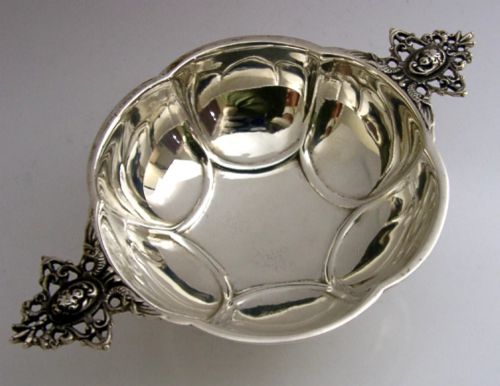
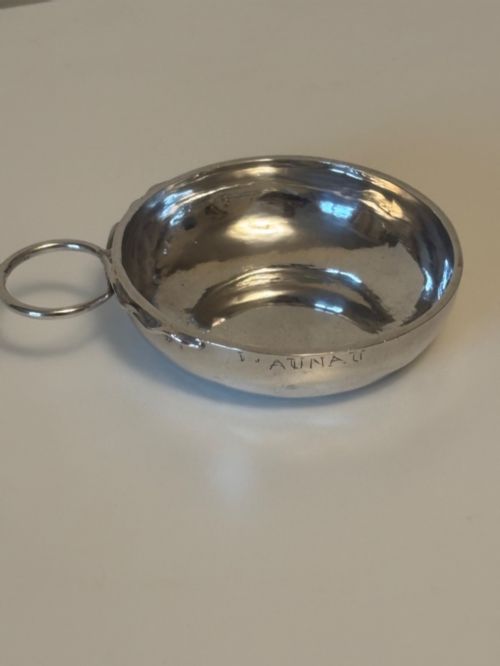
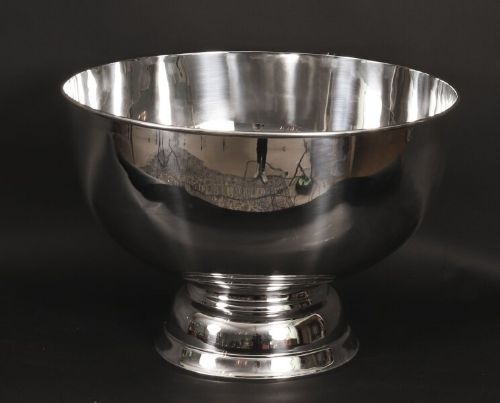
When you search for silver wine bowl, you encounter a varied group of vessels designed for serving, cooling, or tasting wine across several centuries. The pieces on this page range from small individual wine tasters and quaichs to large punch bowls, champagne coolers, and Monteith bowls.
The domestic and formal dining traditions of the nineteenth and twentieth centuries account for many of the examples you will meet here. Victorian and Edwardian iterations frequently take the form of heavy punch bowls and silver-plated coolers, while earlier examples include seventeenth-century porringers and bleeding bowls.
Continental pieces also feature prominently among these listings, including traditional Dutch designs, French nineteenth-century wine tasters, and German silver vessels. Alongside solid silver and sterling examples, you will find considerable numbers of silver plate, copper, pewter, and German silver items.
How they were made
Makers utilised solid silver, sterling silver, and Britannia standard silver for higher-end commissions, shaping the metal through hammering and casting. Many domestic and hospitality pieces relied on silver plate applied over a copper base or utilised alternative alloys such as pewter and German silver.
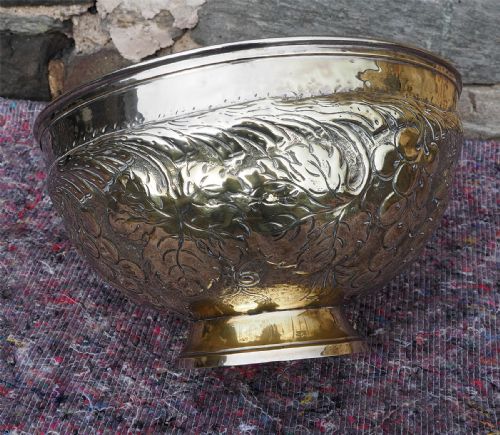
Decorative techniques recorded across the evidence include chased ornamentation, applied cast mounts, and hammered textures. Surface treatments often incorporate traditional motifs, ranging from Rococo revival scrollwork and cherub details to cleaner Art Deco and Art Nouveau lines.
One unexpected survivor in the record arrived straight from a busy Paris restaurant floor as a heavy pewter champagne bowl.
What varies in quality
The distinction between standard domestic barware and exceptional examples lies in the weight of the metal and the crispness of the chased or cast ornamentation. Heavier gauge sterling silver and substantial solid silver Monteith bowls represent the upper tier of manufacture compared to lighter silver-plated items.
Provenance and maker attribution also elevate certain pieces, with documented workshops and identifiable town marks providing greater context for collectors. The integrity of the plating on copper ground pieces and the retention of original form without distortion further divide ordinary items from superior survivals.
Pierre Fournerot·Mappin & Webb·Barker Ellis·Alexander Clarke and Co
The Silver Wine Bowl Glossary
- Monteith
- A large bowl with a scalloped or notched rim, traditionally used in the seventeenth and eighteenth century for chilling wine glasses by their stems. The detachable rim allowed glasses to hang securely outwards while the bowl held iced water.
- Quaich
- A traditional Scottish two-handled drinking vessel, often adapted for use as a brandy bowl or wine taster. These shallow bowls typically feature simple lugs or handles projecting from opposite sides.
- Wine Taster
- A small, shallow bowl used by merchants and connoisseurs to check the clarity and colour of wine. They frequently incorporate dimpled or ribbed interiors to reflect candlelight.
- Silver Plate
- A method of fusing a thin layer of silver to a base metal, commonly copper or nickel brass. This technique offered the appearance of solid silver at a lower cost for large punch and champagne bowls.
- Porringer
- A small, single-handled bowl dating from the seventeenth century and earlier, utilised for various domestic purposes including broth and wine. Surviving examples in silver are highly prized by collectors of early plate.
Silver Wine Bowl: Frequently Asked Questions
What is a silver wine bowl used for?
These vessels serve multiple functions depending on their scale and period, ranging from chilling champagne and punch to tasting wine at the table. Smaller forms act as individual tasters, while larger Monteith bowls and coolers hold multiple bottles.
Historically, they formed a central part of formal dining and hospitality, moving from sideboard to table during celebratory gatherings. Today, they continue to function as wine coolers or decorative table centerpieces.
How do I tell solid silver from silver plate?
Examination of hallmarks provides the primary method for identifying solid silver and sterling pieces, revealing standard assay office marks, maker stamps, and date letters. Silver-plated items generally lack these official sterling marks and may show base metal beneath worn areas.
Weight and thermal conductivity also offer clues, as solid silver feels heavier and changes temperature quickly compared to plated base metals. Closer inspection with a loupe often reveals the characteristic wear patterns of silver plating over copper.
How do I clean an antique silver bowl?
Routine maintenance requires a soft cloth and a reputable silver cream formulated specifically for antiques, avoiding abrasive brushes that scratch the surface. Gentle washing in warm soapy water removes dust and organic residues before polishing.
Harsh chemical dips should be avoided, particularly on plated items where the silver layer is thin, or on pieces with dark oxidised recesses intended by the maker. Storing the bowl in a tarnish-resistant cloth helps preserve the finish between uses.
What is the difference between a punch bowl and a wine cooler?
Punch bowls are typically wider and shallower, designed for mixing and serving large volumes of punch directly to guests with ladles. Wine coolers and champagne bowls focus on maintaining the temperature of bottles immersed in ice.
Despite their original distinctions, many nineteenth-century pieces served interchangeable roles as both punch bowls and wine coolers depending on the occasion. Their open forms accommodate multiple uses in modern domestic settings.