



Silver Whiskey Cups
These silver whiskey cups include hip flasks, quaichs, and tot measures spanning the Victorian to Art Deco periods, offering portable spirit drinking for the collector.
Silver Whiskey Cups
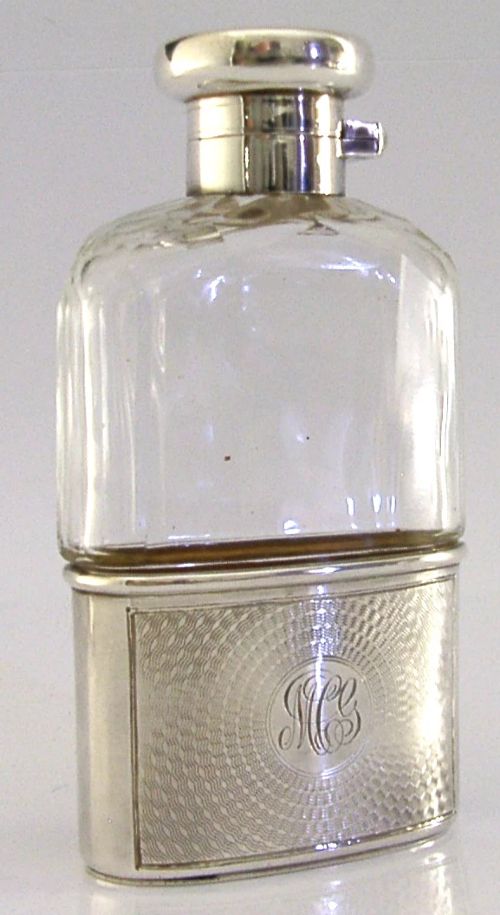
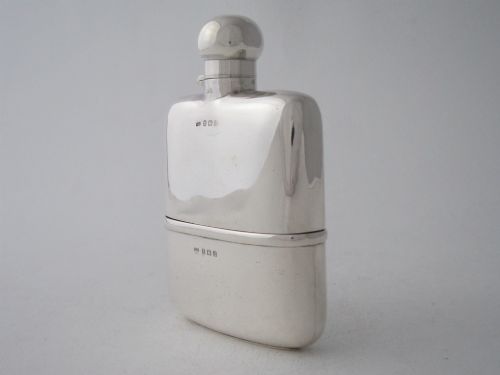
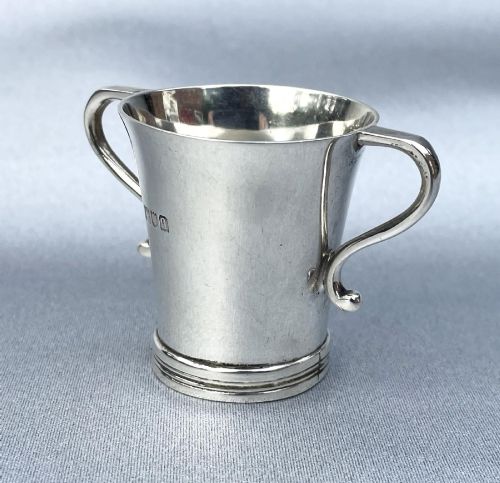
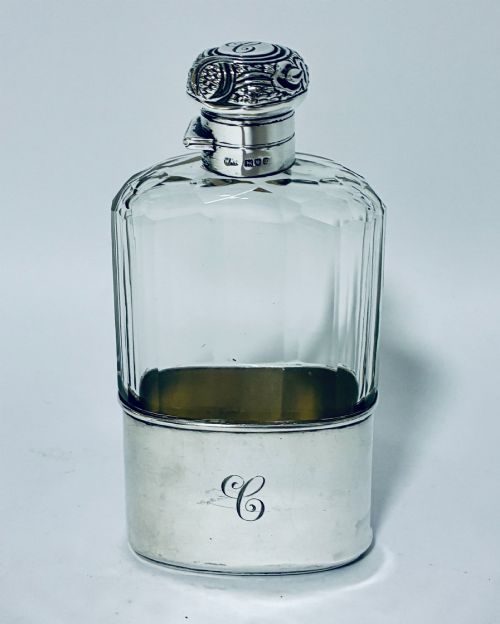
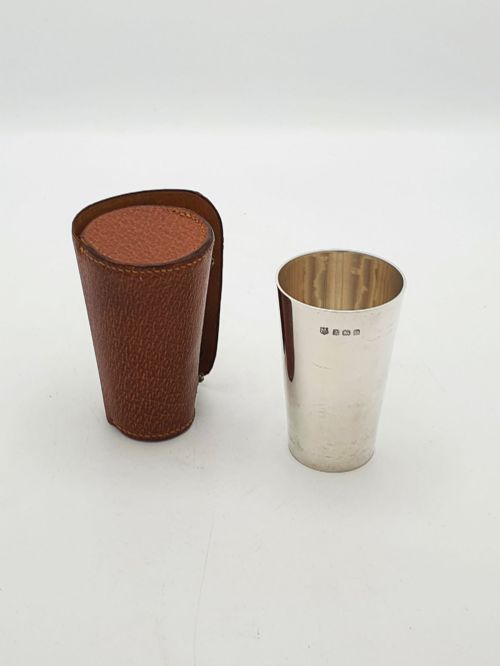
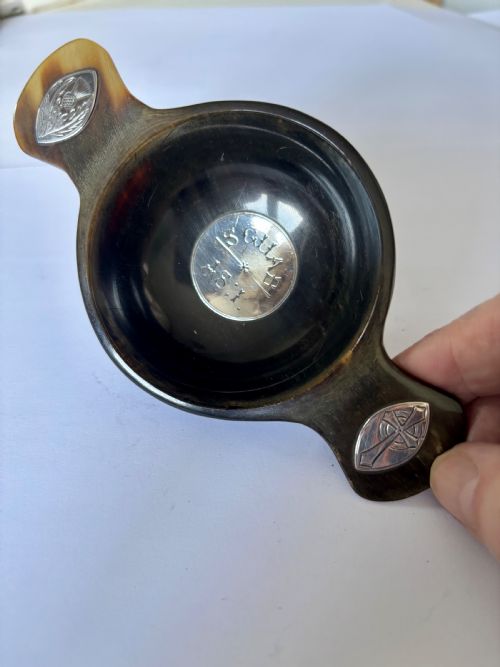
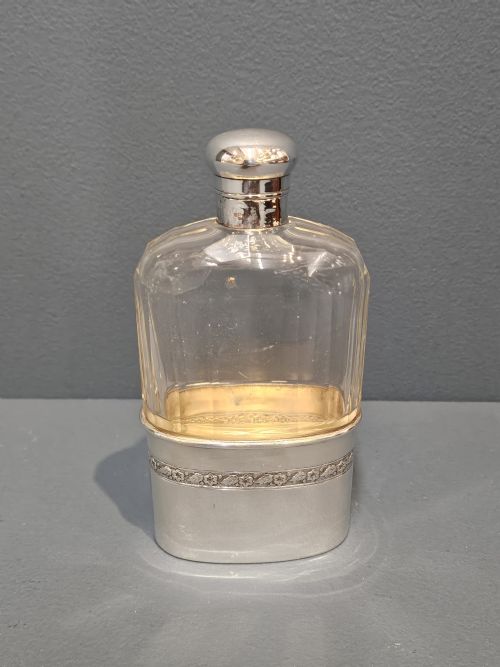
Silver whiskey cups encompass traditional Scottish quaichs, pocket hip flasks, and small tot measures or travel beakers designed for spirits. When exploring silver whiskey cups, collectors encounter forms ranging from Victorian glass-bodied flasks with removable silver cups to George V sterling silver quaichs.
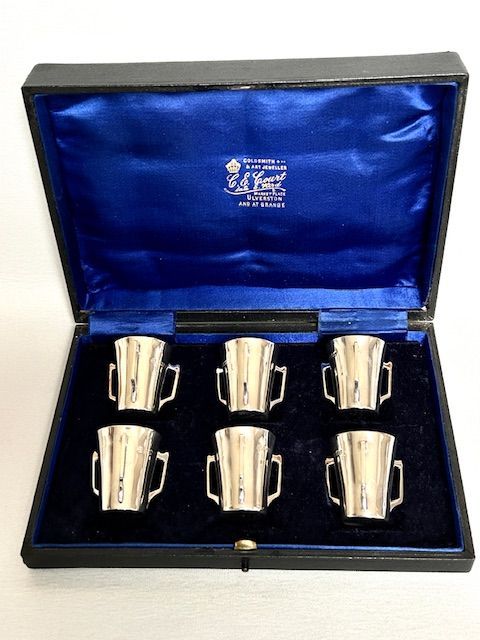
The selections span the late nineteenth century through to the 1940s, capturing shifts in social drinking habits from field sports to domestic barware. Edwardian novelty vessels and Art Deco travel beakers dominate the range, frequently paired with fitted carry cases.
How they were made
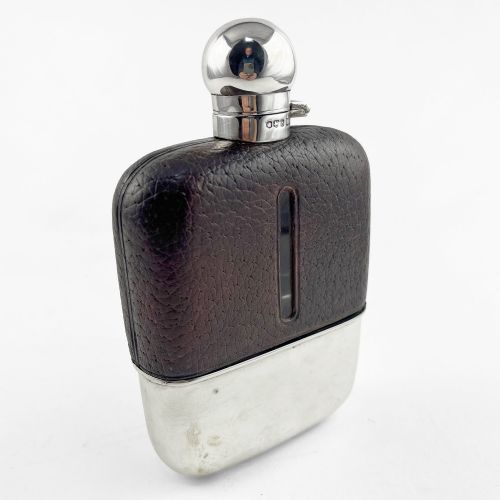
Silversmiths utilised solid sterling silver and silver plate, shaping bodies by hand or spinning metal on a lathe before applying hallmarks. Glass bodies feature deep hand-cut patterns to catch the light, while leather and crocodile skin coverings provide secure grips for outdoor use.
Internal gilt washes protect the silver surfaces from the corrosive nature of alcohol in travel flasks and tot cups. Mounts are securely attached to glass or ceramic interiors using specialised adhesives and cork stoppers to prevent leakage.
Silver Whiskey Cups Retail Price Guide 2026
Typical asking prices for silver whiskey cups among the pieces listed under this phrase on Sellingantiques today, from the lower quarter to the upper quarter. They describe what is for sale here now, not the wider market.
Object forms include pocket flasks, quaich bowls, travel beakers, and boxed sets of shot glasses.
What varies in quality
The distinction between standard utility items and superior examples lies in the weight of the metal and the complexity of the design. Heavy-gauge sterling silver vessels maintain their structural integrity far better than thin silver plate over base metal.
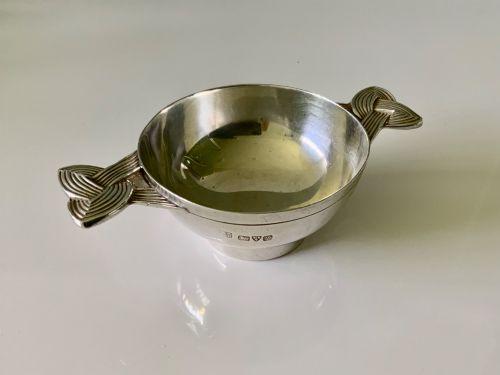
Detailing in secondary materials separates ordinary pieces from exceptional ones, such as finely stitched crocodile leather, bespoke hallmarked removable cups, and crisp Celtic Revival engraving on quaich handles.
Nathan and Hayes·James Dixon and Sons·John William Kirwan
The Silver Whiskey Cups Glossary
- Quaich
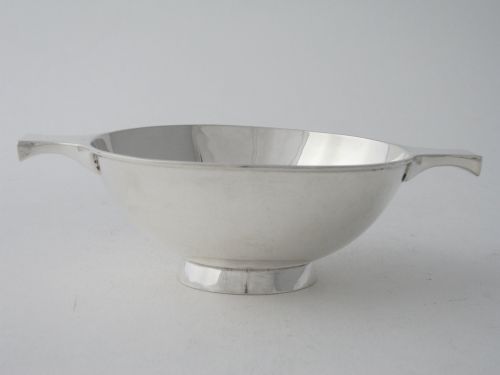
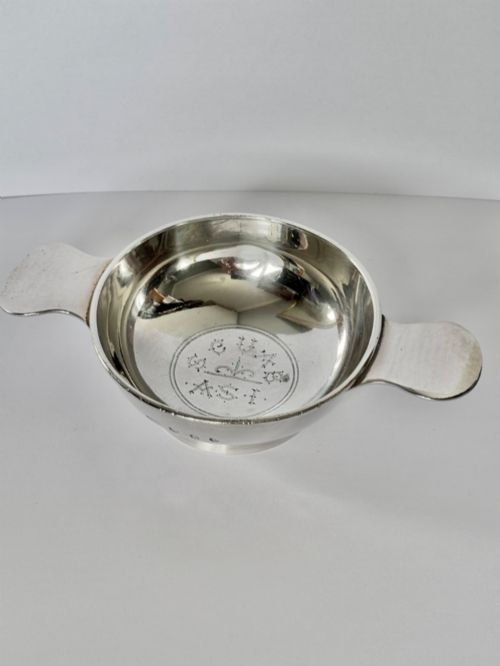
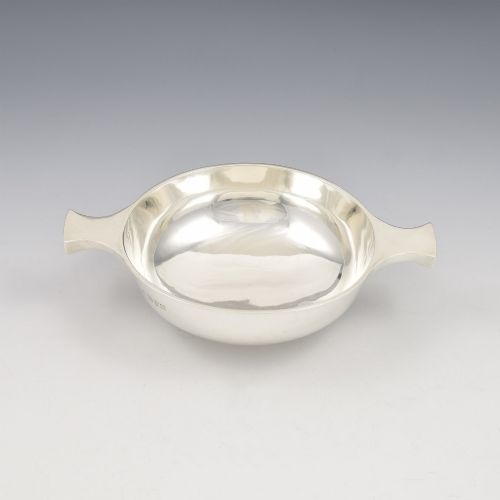
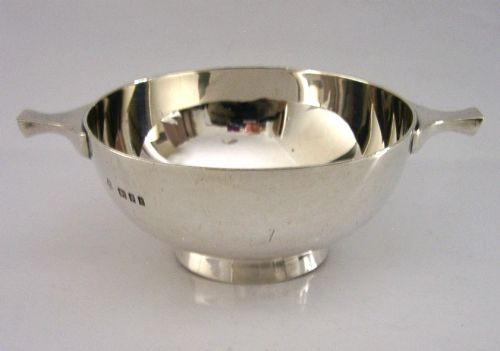
- A traditional Scottish two-handled drinking vessel used for spirits. These shallow bowls often feature Celtic engraving and sometimes incorporate horn or inset coins.
- Hip flask
- A pocket-sized container designed for carrying liquor. They frequently combine glass or metal bodies with leather sleeves and captive screw caps.
- Tot cup
- A small, single-measure drinking vessel intended for a shot of spirits. Examples from the early twentieth century often double as protective caps for larger flask bases.
- Gilt
- A thin layer of gold applied to the interior surface of silver drinking vessels. This technique prevents the spirit from reacting directly with the silver.
- Silver plate
- A manufacturing method where a thin layer of silver is bonded to a base metal core. This technique offered an accessible alternative to solid sterling silver.
Silver Whiskey Cups: Frequently Asked Questions
What is a quaich used for?
A quaich is a traditional Scottish drinking vessel utilised for sharing a dram of whiskey among company. The two handles allow the drinker to hold the bowl securely with both hands.
In modern collections, these shallow two-handled bowls serve as decorative barware or display pieces. Their distinctive form remains a symbol of Scottish hospitality.
How do you use a hip flask?
Pocket hip flasks are designed to carry spirits discreetly during outdoor activities such as shooting, hunting, or walking. The curved bodies fit comfortably against the pocket.
Many period flasks include a removable cup attached to the base for pouring drinks. Screw caps with cork seals prevent leakage while travelling.
How do you clean silver cups?
Solid silver and silver-plated vessels require gentle cleaning with a soft cloth and specialised silver polish. Avoid abrasive materials that can damage delicate hallmarks or engraved patterns.
Leather or crocodile skin coverings should be kept dry and treated with suitable leather conditioners. Interior gilt washes need only warm water and mild soap.
How do you date silver items?
British silver can be dated precisely using the assay office marks, maker's marks, and date letters stamped into the metal. Each city assay office used a specific sequence of alphabet letters.
Stylistic cues such as Art Deco geometric lines or Victorian chased foliage also help confirm the period. Documented hallmarks provide the most reliable evidence of origin.