



Silver Vessel Centerpiece
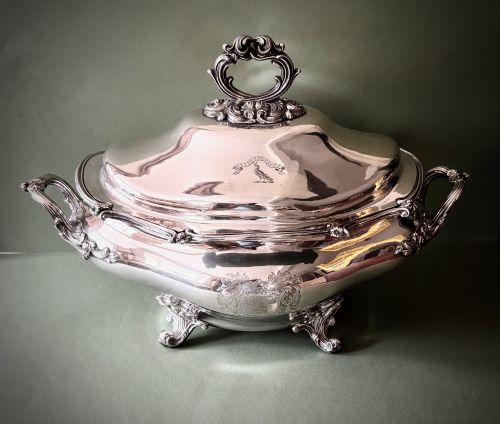
A silver vessel centerpiece gathers the eye at the table, taking the form of bowls, tureens and epergnes shaped by Victorian and Arts and Crafts hands.
Silver Vessel Centerpiece
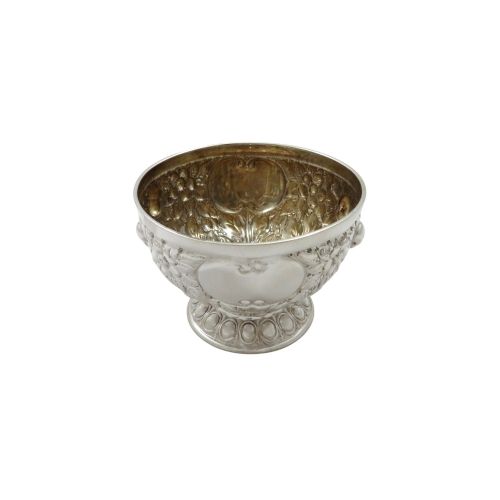
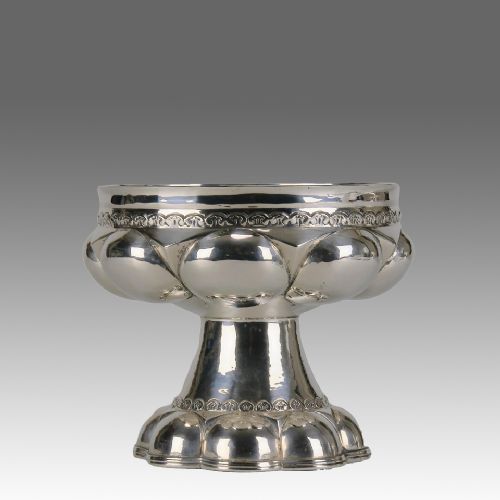
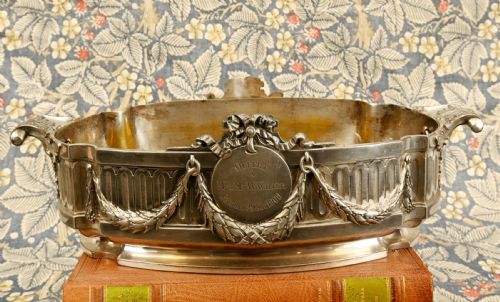
A silver vessel centerpiece serves as a major focal point for dining tables and sideboards, anchoring the room with metalwork and glass. When you search for a silver vessel centerpiece, you encounter items ranging from deep rose bowls and bon-bon dishes to elaborate epergnes and decorative tureens.
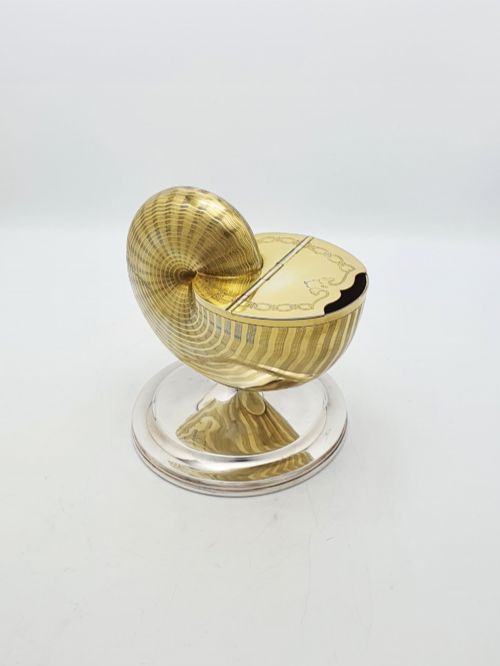
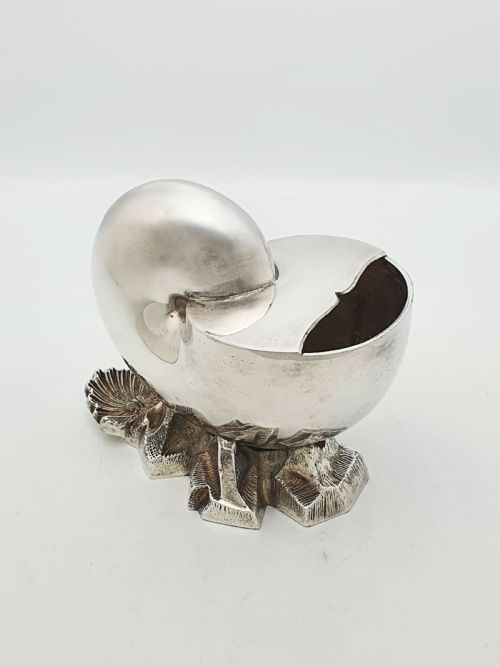
The selection on this page leans heavily toward Victorian and Edwardian examples, alongside Arts and Crafts and Chinese Export pieces. Forms vary from simple circular bowls to nautilus shell spoon warmers and handled baskets.
Origin spans English workshops, continental makers, and Asian export houses, providing a wide array of stylistic influences. You find items designed for functional service alongside purely ornamental vessels.
Materials and technique
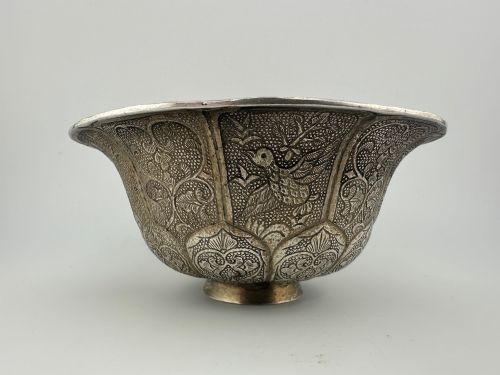
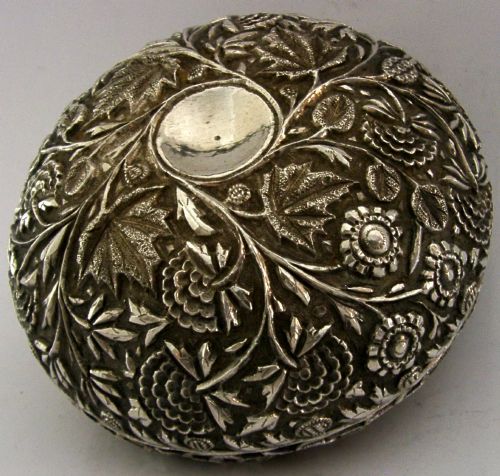
Maker's hands shaped sterling silver, silver plate, and white metal through hammering, casting, and repoussé work. Artisans created intricate low-relief floral and bird decoration by hand-chasing the metal surface from reverse and front.
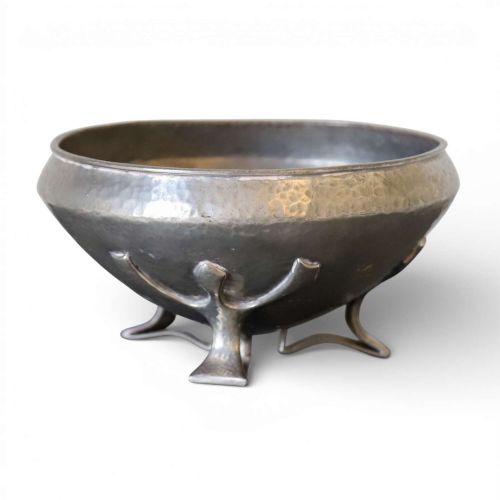
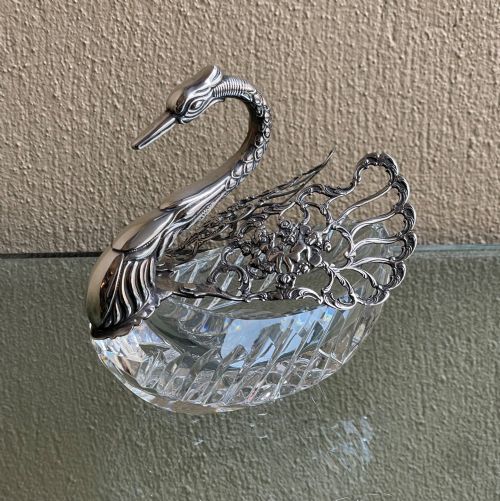
Cut glass and pewter appear frequently alongside silver, combined in pieces such as swan dishes and Tudric pewter bowls. Gilding adds inner warmth to silver-plated bowls and spoon warmers, while pierced lattices lighten heavy solid silver walls.
Victorian diners kept their soup spoons warm in silver nautilus shells and novelty shoes resting on the dining table.
Assessing quality
Quality rests on the crispness of the chased detail and the weight of the metal used in the walls and base. Hand-chased repoussé figures with deep, sharp contours separate standard production from superior artistic output.
The integrity of construction, from securely mounted feet to balanced handles and well-fitted liners, dictates the standing of the vessel. Maker marks and hallmarks provide clear attribution to established firms like Liberty & Co or Nathan and Hayes, elevating the piece.
Liberty & Co·Nathan and Hayes·Joseph Rodgers & Sons·Fenton·Gioielleria Agliardi Cassino·Royal Doulton·Gorham·Oliver Baker
The Silver Vessel Centerpiece Glossary
- Repoussé
- Metalworking technique where the artisan hammers the design from the reverse side to form raised relief on the front. This method creates tactile floral and figural scenes.
- Spoon Warmer
- Victorian table accessory designed to hold hot water and keep serving spoons warm between courses. They often took whimsical forms such as nautilus shells and shoes.
- Epergne
- Centrepiece stand featuring a central bowl with branching holders for smaller dishes or vases. Edwardian versions frequently utilised fluted silver and glass.
- Tudric
- Pewter brand name utilised by Liberty & Co during the Arts and Crafts period. Designers like Oliver Baker shaped these distinctive vessels.
- Cairoware
- Metalware decorated with inlaid silver and copper designs against a dark brass ground. Victorian examples show distinct Middle Eastern influence.
Silver Vessel Centerpiece: Frequently Asked Questions
What was a silver vessel centerpiece used for?
These vessels held fruit, flowers, or warm water for service at large dining tables. They anchored the centre of the table arrangement during formal meals.
Smaller iterations functioned as bon-bon dishes or spoon warmers, combining practical dining utility with decorative display.
How do I identify Victorian pieces?
Victorian examples often display heavy cast mounts, floral repoussé work, and eclectic revival styles ranging from Neo-Classical to naturalistic shell motifs. Maker marks and date letters stamped into the metal provide precise chronology.
Sheffield plate and early electroplate also point toward the nineteenth century manufacturing methods.
Are these pieces made of solid silver?
The materials vary between solid sterling silver, silver plate over copper or base metal, white metal, and pewter. Hallmarks on the rim or base designate standard sterling purity.
Items described as silver plate or white metal utilise a base core beneath the silver layer.
How do I clean antique silver vessels?
Gentle dusting with a soft cloth preserves the existing patina on antique silver and plated surfaces. Avoid harsh dips that strip the character from hand-chased details.
Store vessels away from direct sunlight and damp environments to maintain the finish of the metal.