

Silver Vanity Flask
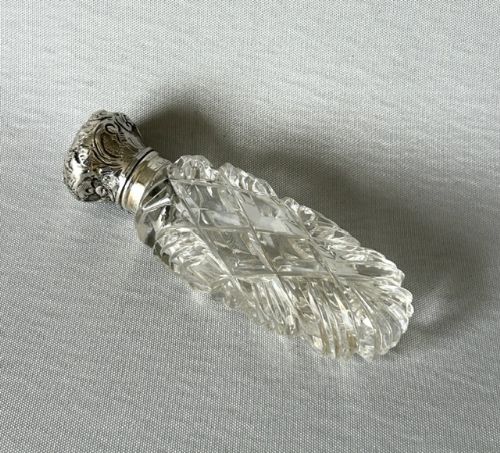
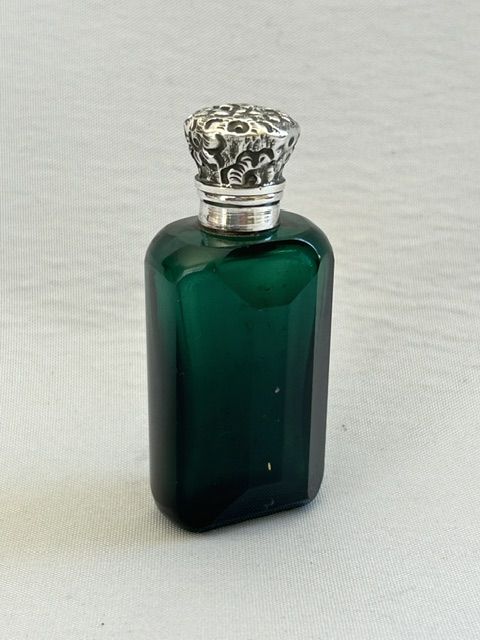
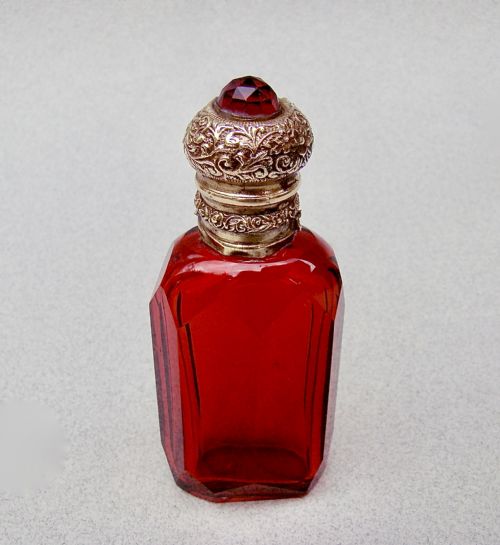
A silver vanity flask combines precious metalwork with coloured glass, offering a portable vessel for personal fragrance that defined nineteenth and early twentieth-century dressing.
Silver Vanity Flask
A silver vanity flask is a portable receptacle designed to hold perfume, smelling salts, or medicines within a protective casing of glass and precious metal. When seeking a silver vanity flask, collectors encounter portable scent bottles, pill boxes, and pocket flasks spanning the Georgian, Victorian, Edwardian, and Art Deco periods.
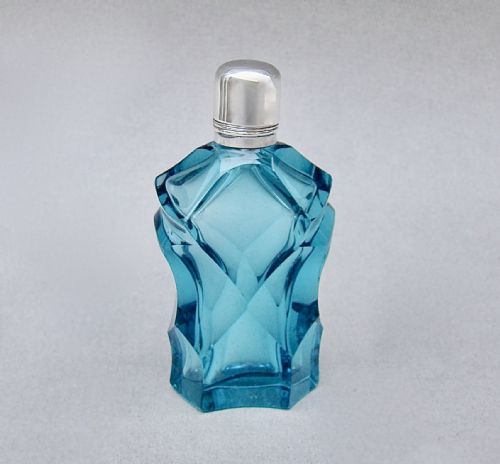
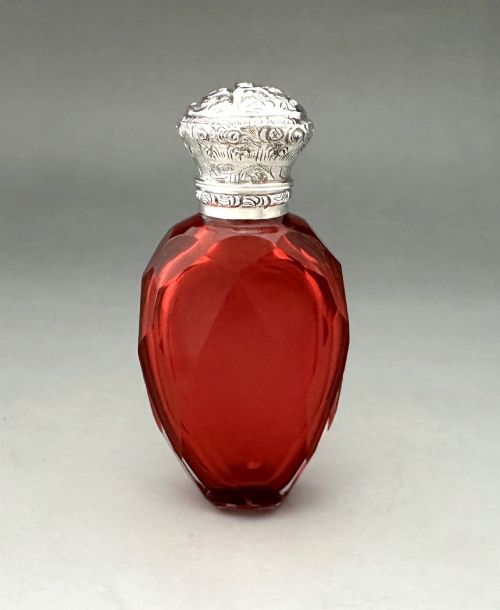
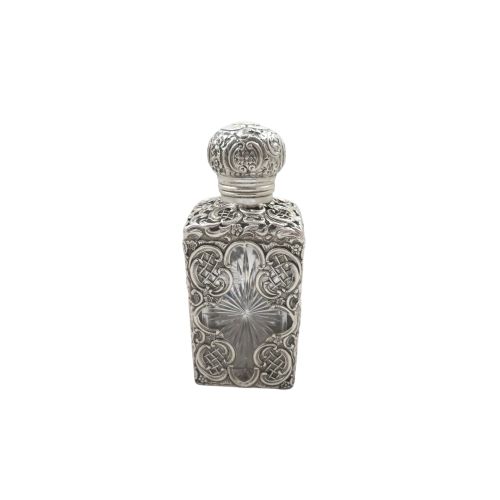
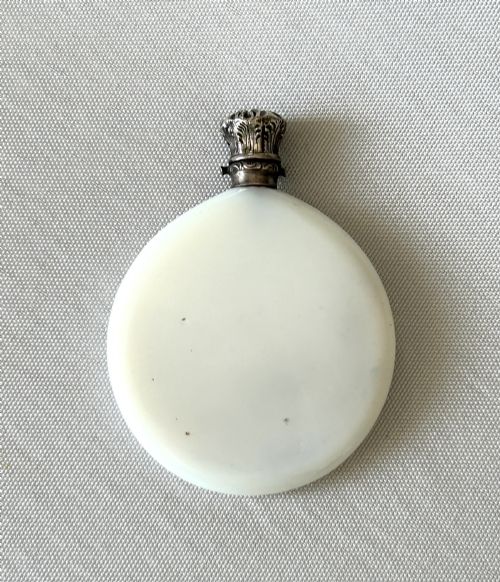
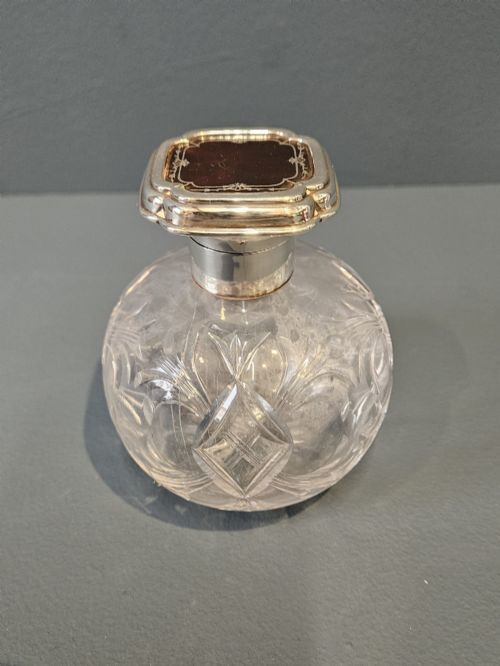
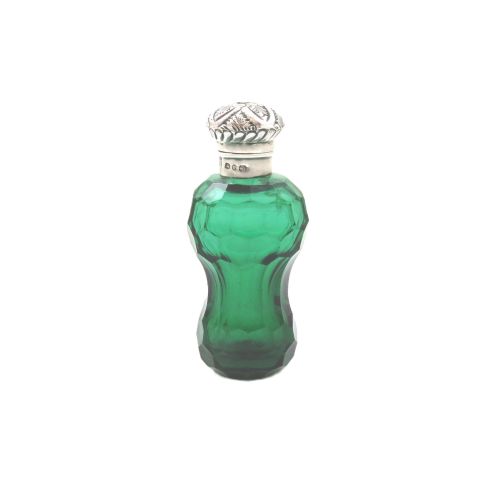
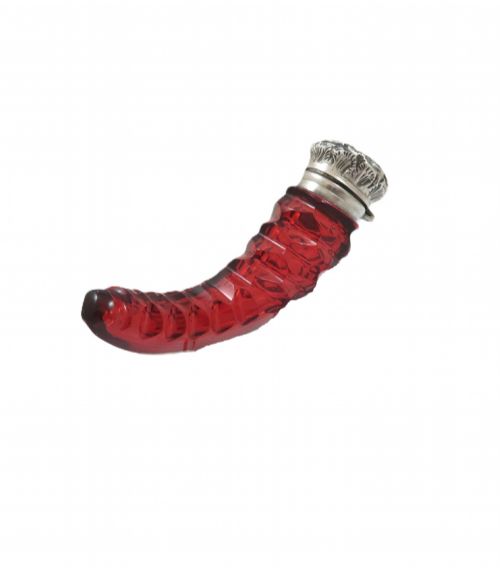
The most prevalent examples on this page are Victorian and Edwardian scent bottles pairing sterling silver mounts with cut, cranberry, ruby, teal, or opaline glass bodies. These objects range from pocket-sized vinaigrettes to larger dresser bottles intended for travel or boudoir use.
Materials and construction
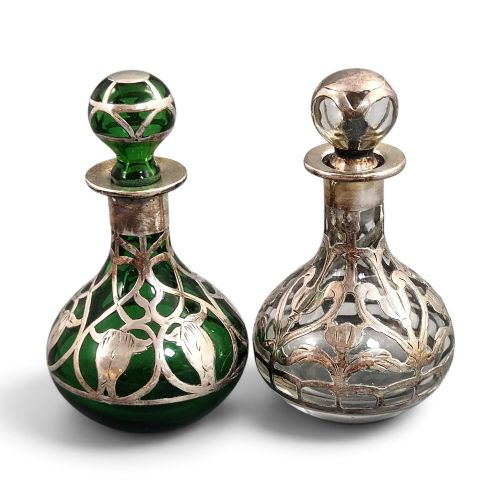
Makers formed the bodies of these vessels using blown glass, often cased or overlaid in colours such as cranberry, Bristol green, and amethyst, alongside clear cut crystal and opaline glass. Artisans then encased or mounted these glass vessels in sterling silver, silver gilt, or Old Sheffield plate, frequently applying intricate silver overlay work.
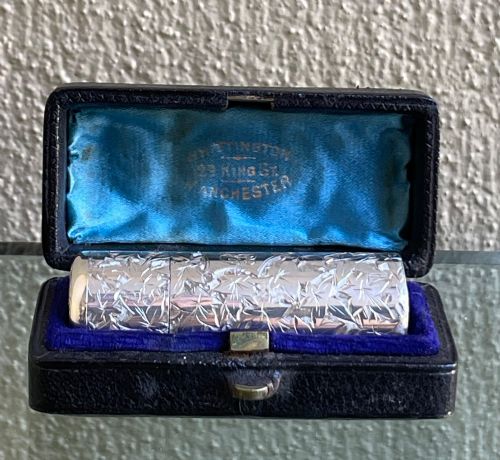
Surface decoration relied on specialised techniques including guilloche enamel, hand engraving, and tortoiseshell panelling fitted to hinged silver caps. Internal stoppers of ground glass or cork ensured a secure seal for volatile perfumes inside the metal collars.
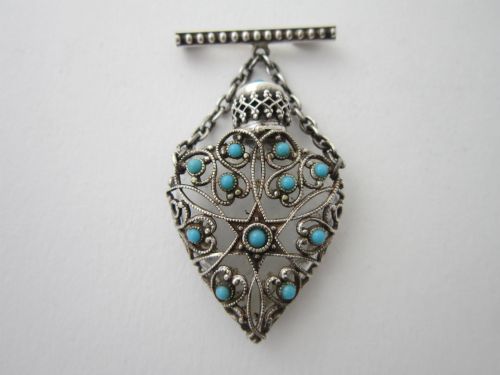
Some Victorian ladies carried tiny egg-shaped scent flasks, proving that even the morning commute required proper access to smelling salts.
Factors determining quality
Quality rests upon the weight and integrity of the silver mounts, the clarity and depth of colour within the glass body, and the precision of any enamel or overlay work. Superior examples display crisp hallmarks, undamaged internal glass stoppers, and securely closing hinges that align perfectly with the collar.
The artistic ambition of the design distinguishes standard production pieces from exceptional items, particularly in Art Nouveau silver overlay or French guilloche enamel work. Pieces bearing recognised maker marks or complex decorative motifs command greater attention from discerning collectors.
Horton & Allday·Tonnel Paris·Gorham·Harold Bushell & Co·Franchini & Bigaglia·Karl Palda·Henry Perkins·G H James & Co
The Silver Vanity Flask Glossary
- Silver Gilt
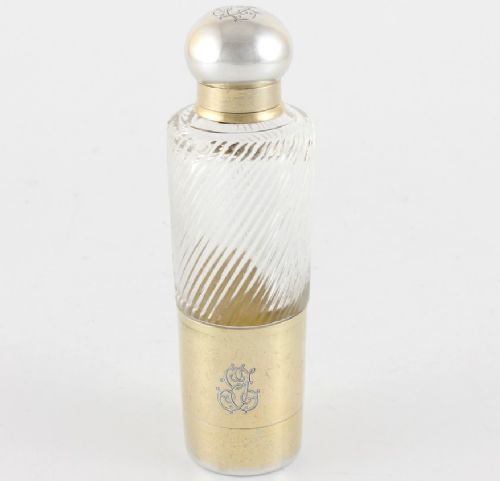
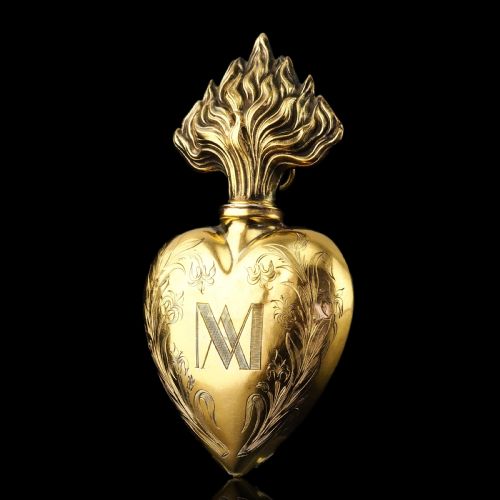
- Silver that has been coated with a thin layer of gold on its surface. This technique provides the rich appearance of solid gold while utilising a silver base.
- Guilloche Enamel
- A decorative technique where intricate geometric patterns are mechanised into a metal surface before translucent enamel colours are applied over top. It creates a shimmering, patterned depth beneath the glass-like coating.
- Silver Overlay
- A decorative method where sterling silver is bonded directly onto a glass or porcelain body in naturalistic or abstract motifs. This process requires precise metallurgical skill to adhere metal to glass securely.
- Opaline Glass
- An opaque or translucent art glass developed in pastel shades during the nineteenth century. It frequently forms the contrasting body of Victorian scent bottles and vanity containers.
- Old Sheffield Plate
- A composite material made by fusing a layer of silver to a copper core, common in items predating electroplating. This method produces durable wares with characteristic subtle warmth.
Silver Vanity Flask: Frequently Asked Questions
How were these flasks used historically?
These flasks served as portable containers for personal perfumes, refreshing toilet waters, and reviving smelling salts carried during travel or social outings. Wealthy owners kept them on dressing tables or tucked them into evening purses for immediate access.
The secure screw-caps and ground glass stoppers prevented precious liquids from evaporating or spilling onto delicate garments. Many doubled as medicine bottles or pill containers for daily remedies.
How should I display or store them?
Display these flasks on mirrored trays or within glass-fronted cabinets to highlight the vibrant colours of the glass and reflective qualities of the silver mounts. Keeping them out of direct sunlight protects any enamel work and prevents temperature fluctuations.
Handle them by the glass body rather than relying solely on the silver caps, which can loosen over time. Ensure stoppers remain slightly ajar if storing vintage contents to avoid pressure buildup.
How do I identify the period of a flask?
Examining the silver hallmarks provides the most reliable date, connecting the piece to specific assay office marks and date letters. Stylistic clues such as Art Nouveau whiplash lines or Art Deco geometric enamel also point directly to manufacturing eras.
Glass colours and cutting techniques further narrow the timeline, as cranberry and opaline glass dominated Victorian production while guilloche enamel flourished into the 1920s and 1930s.
What is silver overlay work?
Silver overlay involves applying delicate cutout sheets of sterling silver directly onto the exterior surface of a blown glass bottle. Artisans chemically and thermally bonded the metal to the glass before engraving additional fine details.
This technique gained immense popularity during the late nineteenth and early Edwardian periods, creating high-contrast botanical and abstract patterns across perfume bottles.