


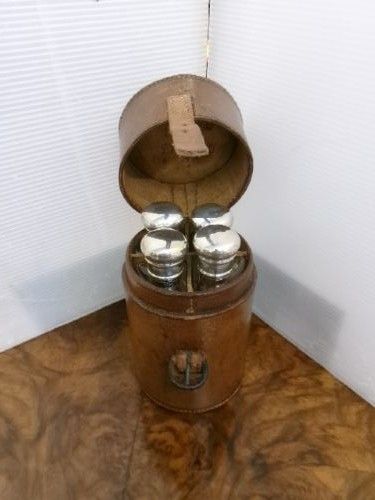

Silver Topped Glass Flask
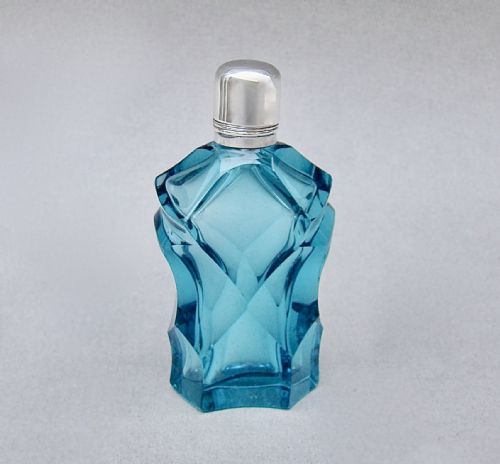
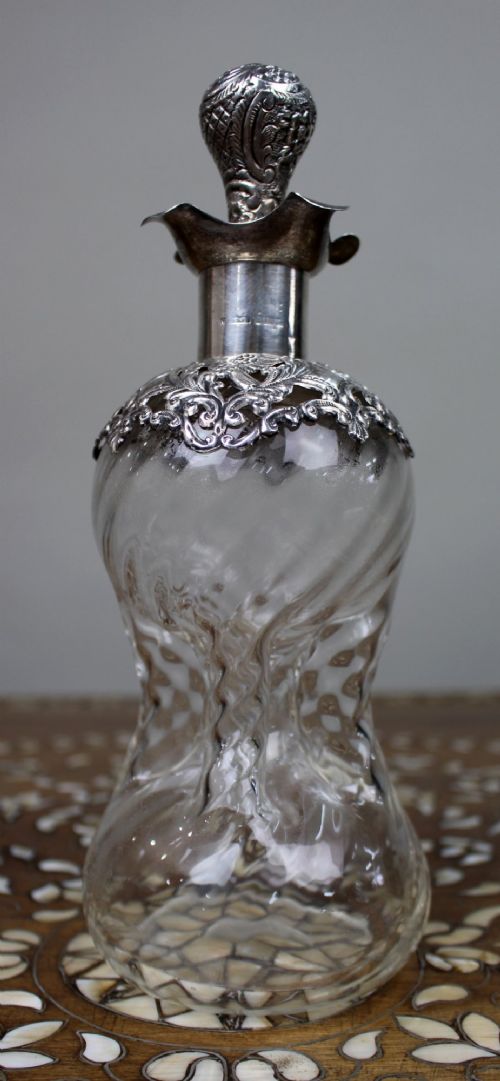
A silver topped glass flask brings together precious metal and coloured glass in portable vessels designed for scent and spirits.
Silver Topped Glass Flask
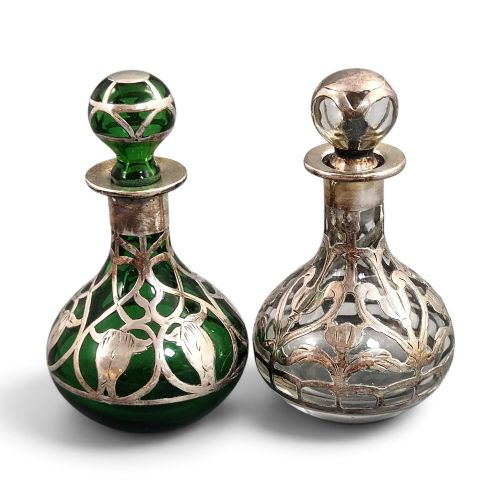
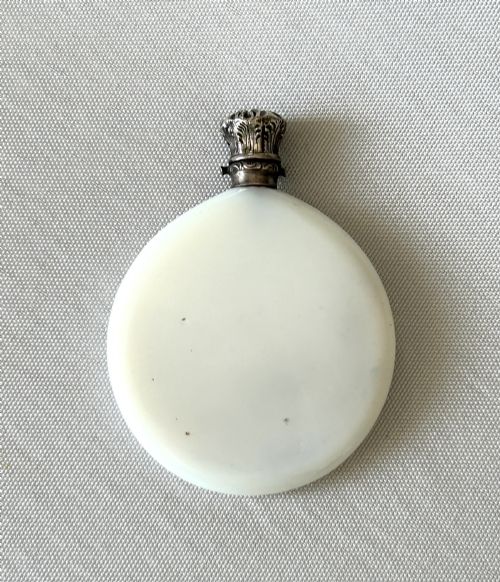
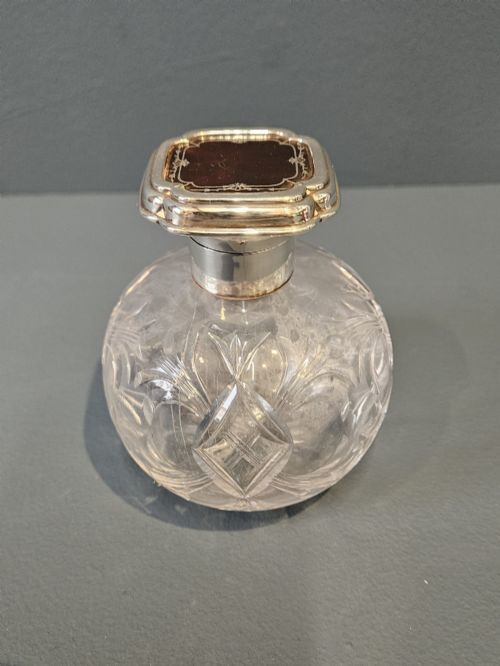
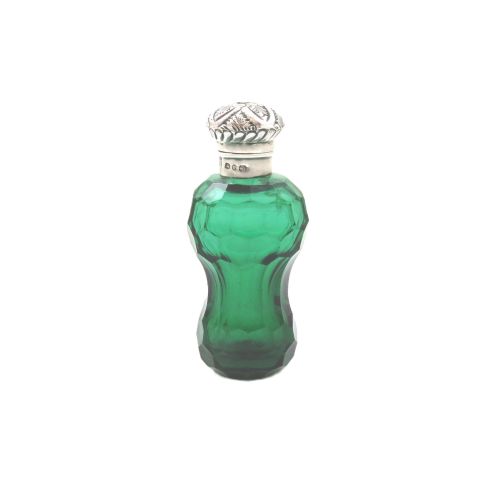
A silver topped glass flask encompasses scent bottles, perfume vessels, and hip flasks produced across the Victorian, Edwardian, and Art Deco periods. Buyers searching for a silver topped glass flask will primarily encounter nineteenth and early twentieth-century examples shaped as scent bottles and pocket containers.
The objects stem from British and European workshops, utilising glass bodies paired with sterling silver or silver-plated mounts. Formats range from cylindrical and teardrop profiles to encased sets and pocket-sized spirit flasks.
Materials and Construction
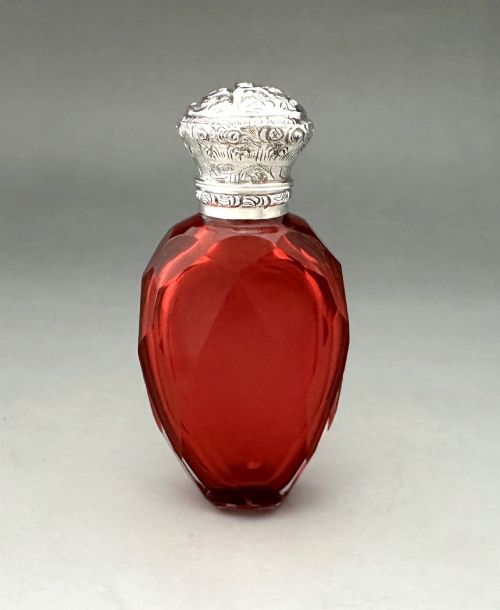
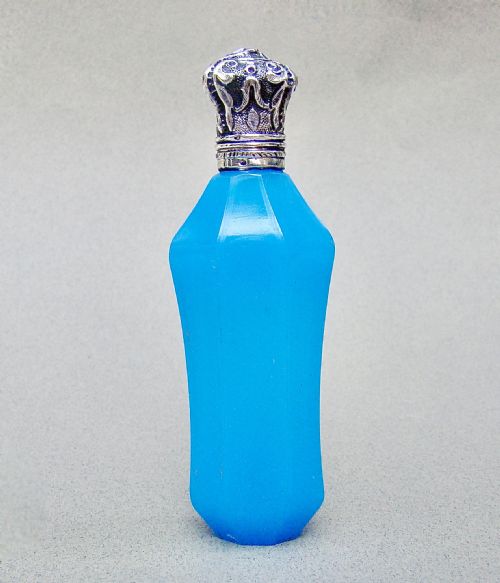
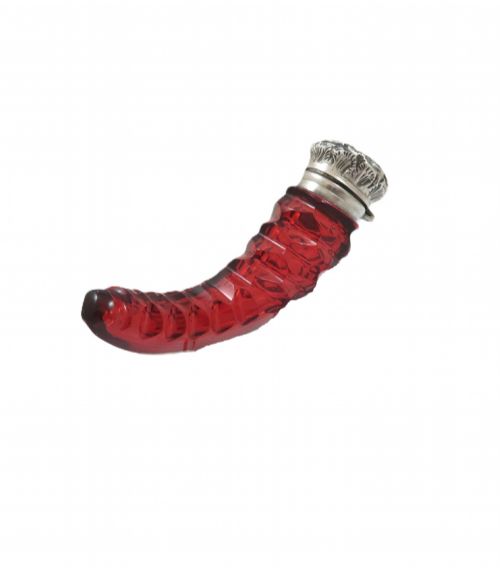
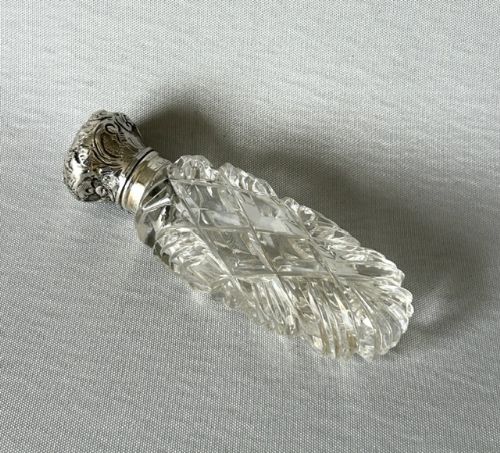
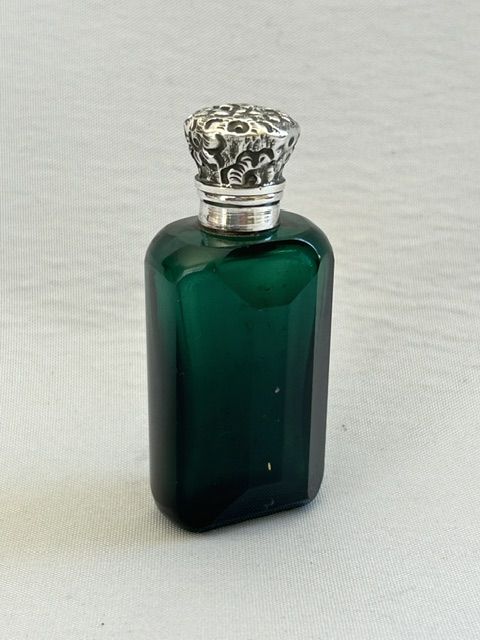
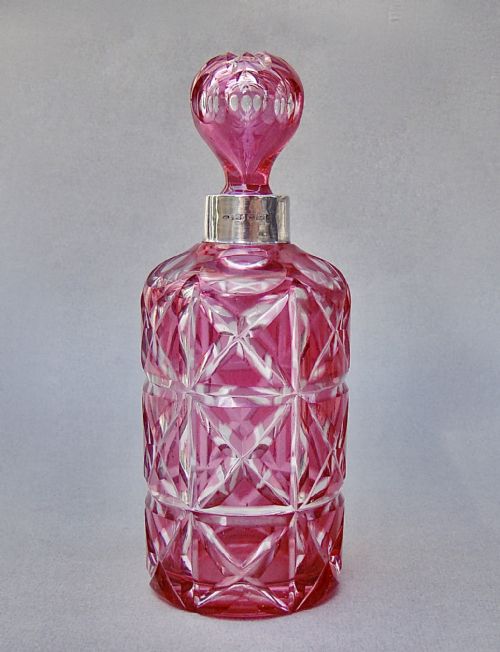
Makers combined blown or cut glass with sterling silver, utilising techniques such as slicing, overlay, and hand hammering. Glass bodies appear in clear crystal alongside coloured variations including cranberry, ruby, opaline, and vaseline glass.
Silver components include hinged lids, screw caps, and decorative overlays secured to glass necks. Additional materials such as tortoiseshell, enamel, and leather appear on specific mounts and fitted cases.
Listings feature Victorian, Edwardian, and Art Deco periods alongside materials including cranberry glass, opaline glass, and sterling silver.
Craftsmanship and Distinction
Quality rests in the weight and clarity of the glass alongside the precision of the silver mount. Fine examples display crisp cutting, intact enamel or overlay work, and secure closures that fit the glass neck exactly.
Makers and retail houses add distinction through registered hallmarks, specialist glass coloration, and fitted leather cases that house multiple flasks or cups.
Gorham·Harold Bushell and Co·Franchini and Bigaglia·Asprey London·Barnsley and Co·Finnigans of Bond Street
The Silver Topped Glass Flask Glossary
- Sterling silver
- A silver alloy containing 92.5 percent pure silver by mass. This standard metal appears frequently in the caps and mounts of these vessels.
- Cut glass
- Glass decorated by cutting facets or patterns into the surface using a wheel. This technique creates reflective surfaces on scent and perfume bottles.
- Opaline glass
- An opaque or translucent glass ranging in colour from white to turquoise and green. It provides a solid pastel ground for silver mounts.
- Guilloche enamel
- Decorative metalwork covered with translucent enamel over an engraved pattern. It appears on Edwardian and Art Deco bottle caps.
- Overlay
- A layer of coloured glass applied over a contrasting body and partly cut away to reveal the base colour. Bohemian makers utilised this method extensively.
Silver Topped Glass Flask: Frequently Asked Questions
How do I date a silver topped glass flask?
Dating relies heavily on the hallmarks stamped onto the silver mounts, which indicate the assay office, year letter, and maker. Stylistic cues such as Art Nouveau floral motifs or Art Deco geometric enamel also help narrow the production era.
Secondary indicators include the form of the glass body and the presence of original leather cases. Comparing these elements with documented examples confirms the period of manufacture.
Were these flasks used for perfume or alcohol?
Smaller vessels with stoppers and glass rods served as scent and perfume bottles for personal grooming. Larger flat-backed versions functioned as hip flasks for carrying spirits during travel or hunting.
Fitted sets often combined multiple glass flasks within leather cases for social outings. Each form dictated the internal stopper mechanism and exterior shape.
How do I clean the glass and silver?
Silver mounts require gentle cleaning with a soft cloth to avoid disturbing hallmarks or scratching the metal. Glass interiors benefit from warm water and bottle brushes without harsh chemical immersion.
Care must be taken around enamel, tortoiseshell, or leather components to prevent moisture damage. Regular dusting preserves the original surface condition.
What is cranberry glass?
Cranberry glass is a red or pink transparent glass coloured by the addition of gold chloride during melting. It became popular during the Victorian era for decorative tableware and scent bottles.
When paired with sterling silver mounts, the rich red tone provides high visual contrast. Bohemian and British makers utilised this glass extensively.