

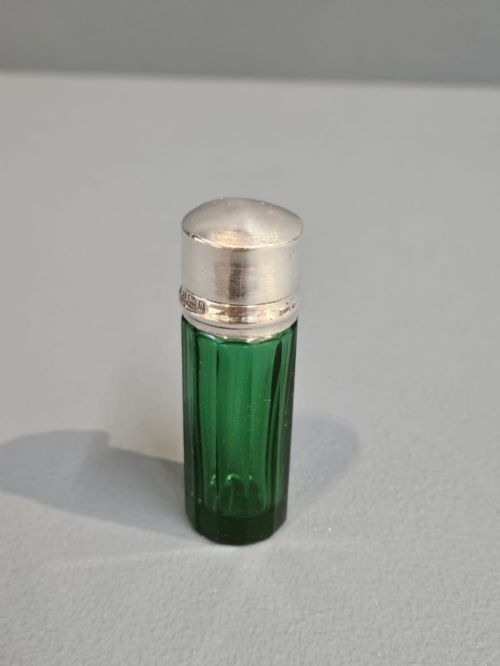
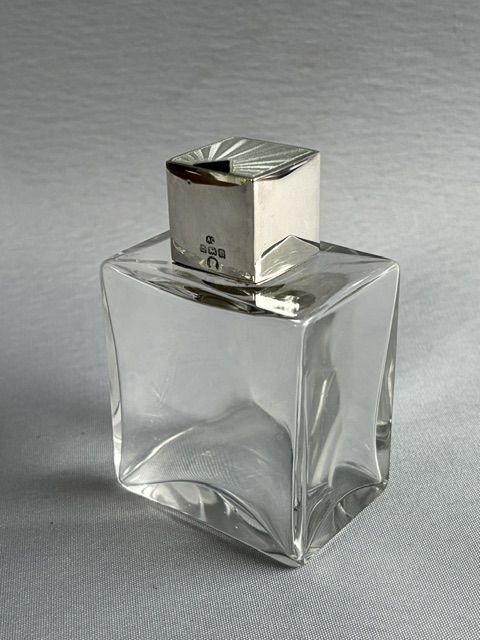
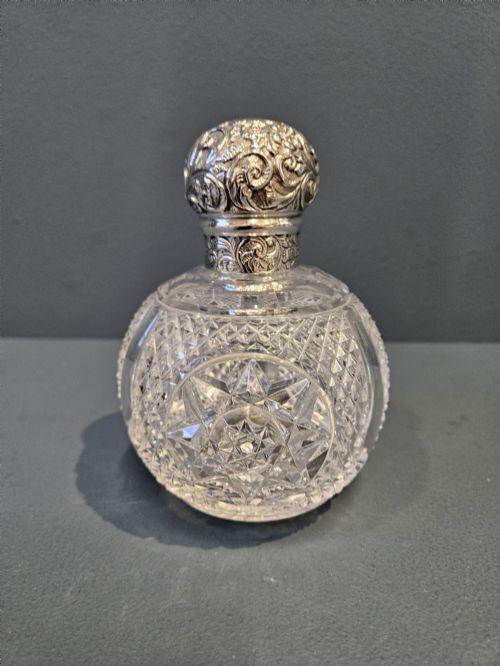
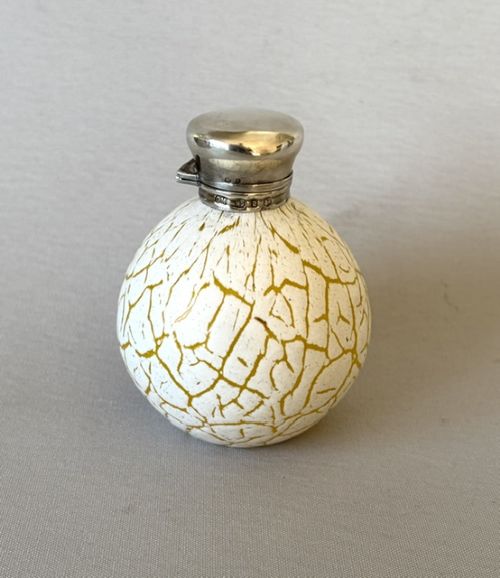

Silver Top Glass Flask
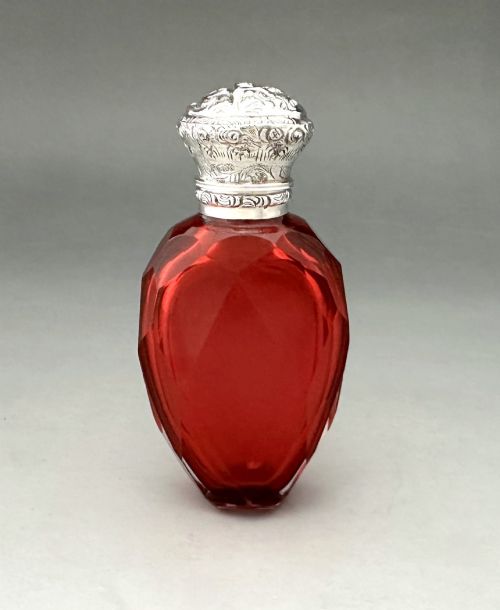
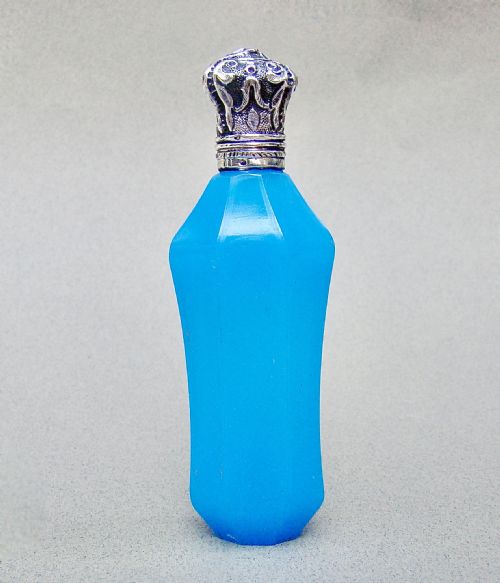
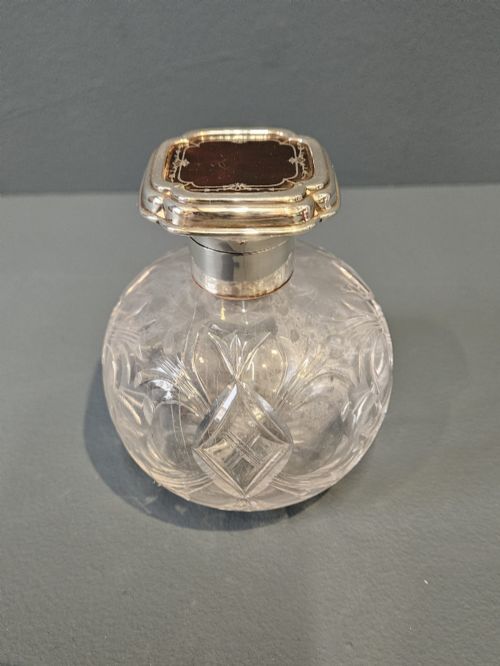
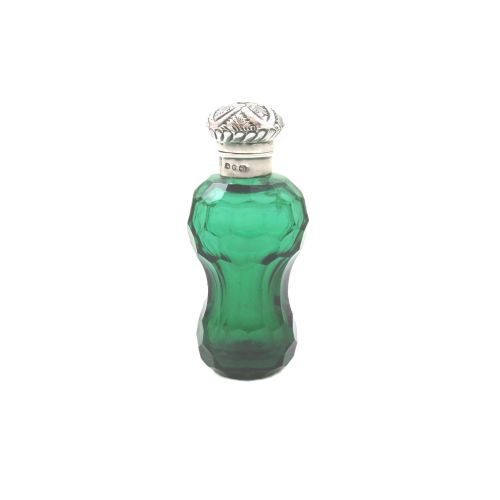
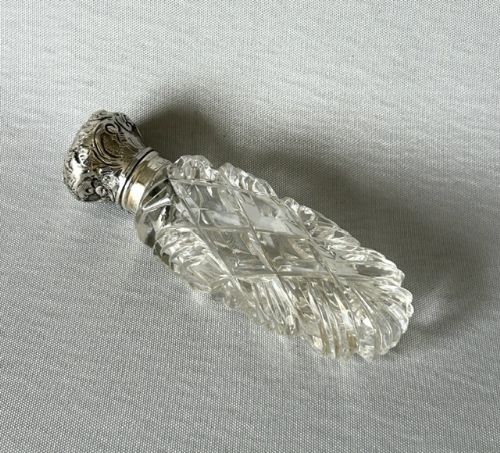
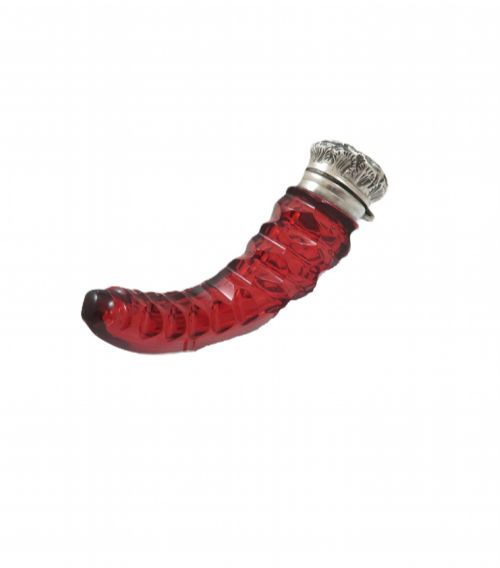
A silver top glass flask brings together precious metal and coloured glass in forms ranging from pocket scent bottles to hunting flasks.
Silver Top Glass Flask
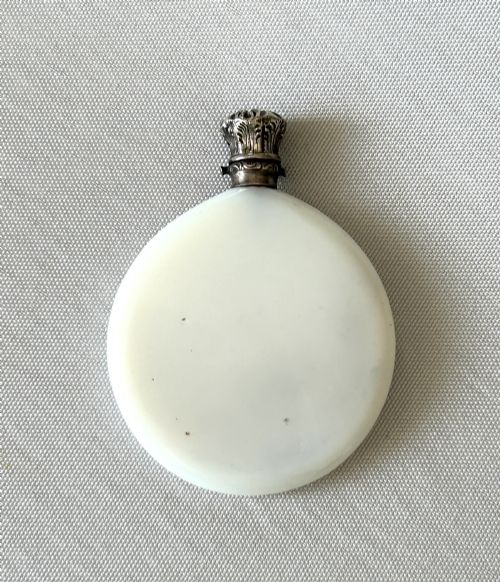
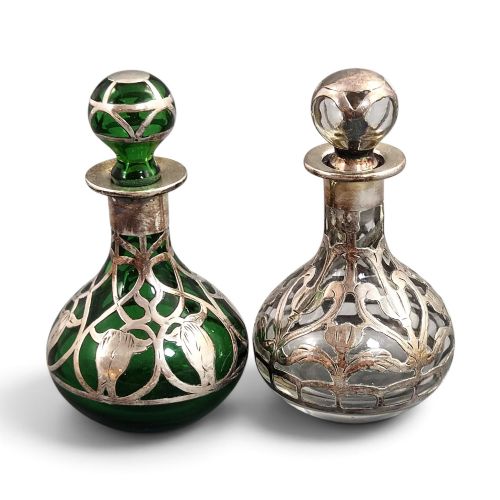
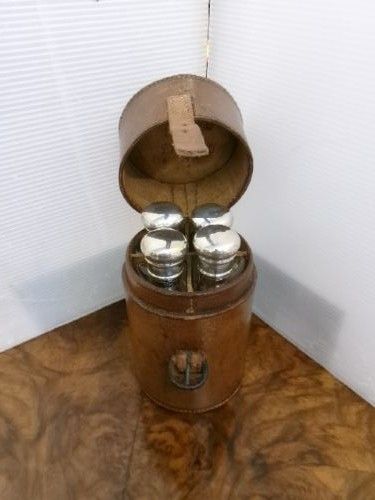
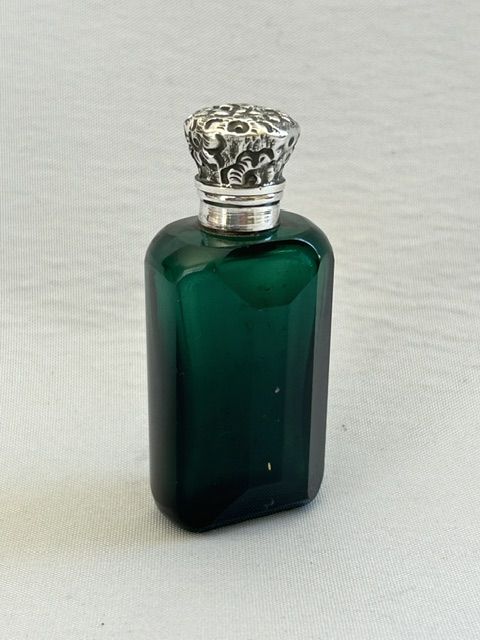
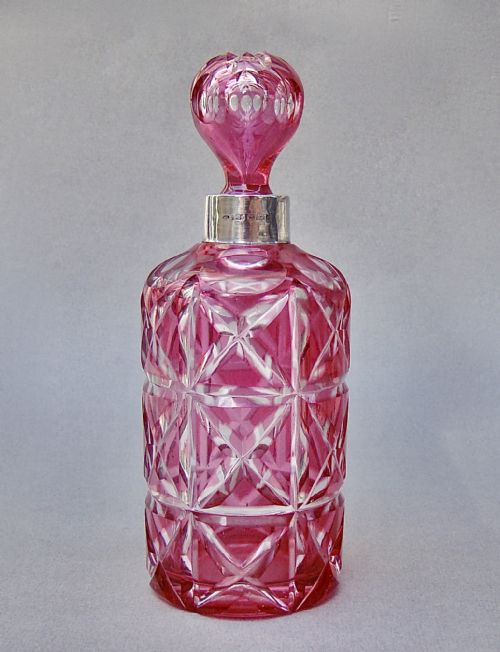
The selection includes pieces in vibrant hues such as cranberry, ruby, opaline, green, and amethyst glass, often mounted in sterling silver or silver plate. Alongside smaller pocket scent phials, you find larger barware items, decanters, and leather-cased sets of hip flasks intended for travel or sport. These objects originate from British and continental workshops, reflecting changing styles from French Belle Epoque and Art Nouveau to geometric Art Deco designs.
How they were made
Makers formed the vessels using traditional glassblowing techniques, frequently employing sliced-cut, overlay, or moulded glass in colours like vaseline, teal, and turquoise. Artisans then fitted these glass bodies with custom-made silver mounts, hinged lids, or screw caps, occasionally adding inner glass stoppers to prevent leakage. Many pieces incorporate decorative metalwork such as sterling silver overlay, hammered finishes, or delicate guilloche enamel.
Surface ornamentation on the metal components required specialist skills including chasing, embossing, and enamelling, while some glass bodies featured intricate murrine work or tortoiseshell insets. Workshops stamped the silver mounts with hallmarks indicating the assay office, year, and maker, providing a precise record of manufacture for items produced across Britain and Europe.
Silver Top Glass Flask Retail Price Guide 2026
Typical asking prices for silver top glass flask among the pieces listed under this phrase on Sellingantiques today, from the lower quarter to the upper quarter. They describe what is for sale here now, not the wider market.
Listings feature Victorian and Edwardian flasks combining sterling silver with cranberry, ruby, and opaline glass forms.
What varies in quality
Quality in a silver top glass flask rests on the weight and purity of the metal mount alongside the clarity and depth of the glass body. Superior examples feature heavy sterling silver mounts with crisp hallmarks and well-fitted hinges that close securely, whereas simpler pieces rely on lighter silver plate or basic screw caps.
The artistry of the glass vessel further dictates the tier of the piece, with deep hand-cut facets, layered flash glass, or complex enamel work marking out the finer productions. The inclusion of original fitted leather cases or matched sets elevates the distinction of the object, showing preservation of both the container and its protective housing.
Gorham·Harold Bushell and Co·Franchini and Bigaglia·Asprey London·Barnsley and Co·Finnigans of Bond Street
The Silver Top Glass Flask Glossary
- Sterling silver
- A silver alloy containing 92.5 percent pure silver and 7.5 percent other metals, usually copper, ensuring durability for functional mounts.
- Guilloche enamel
- A decorative technique where a precise geometric pattern is engraved beneath a translucent layer of coloured enamel.
- Opaline glass
- An opaque or translucent glass produced in various pale shades, popular during the nineteenth century for decorative containers.
- Overlay glass
- A method involving layers of different coloured glass where portions of the outer layer are cut away to reveal the contrasting colour beneath.
- Murrine
- Coloured patterns created in glass by stretching heated glass canes and slicing them across to expose intricate cross-sections.
Silver Top Glass Flask: Frequently Asked Questions
How do I date a silver top glass flask?
Dating relies primarily on the assay office hallmarks stamped into the silver mounts, which indicate the exact year of production and testing. Stylistic clues such as Art Nouveau curves or Victorian cut glass patterns also help narrow down the decade.
Unmarked silver plate or continental pieces without British hallmarks require assessment through manufacturing techniques, glass colours, and overall design characteristics typical of specific periods.
Were these flasks used for scent or spirits?
The function depends entirely on the size and shape of the vessel, with smaller, stoppered glass phials serving as perfume or scent bottles for the pocket or dressing table. Larger crescent-shaped or rectangular vessels with captive caps functioned as hip flasks for spirits during hunting and travel.
Barware decanters represent a third category intended for home hospitality, featuring robust glass bodies and substantial silver collars designed to remain on a sideboard.
How should I clean the silver mounts?
Cleaning requires a soft cloth and a gentle silver polish applied sparingly to avoid touching the surrounding glass or enamel surfaces. Chemical dips should be avoided, particularly on pieces with enamel, tortoiseshell, or delicate inner stoppers.
Keeping moisture away from the interior of vintage corks or collars preserves the original fittings and prevents corrosion of the metal components over time.
Are inner glass stoppers common?
Many scent bottles and perfume containers retain their original inner glass stoppers beneath the outer silver cap to prevent evaporation and leaks. Finding a piece with both the outer lid and the inner stopper intact remains an advantage for collectors.
Flasks intended for spirits typically rely on tight-fitting hinged caps or screw tops with cork liners rather than a separate internal glass stopper.