






Silver Teapot Handle
A silver teapot handle is the essential insulated grip needed to pour hot tea safely, prized by collectors for restoring antique vessels.
Silver Teapot Handle
A silver teapot handle forms the vital bridge between hand and vessel, designed to remain cool while containing boiling water within Georgian, Victorian, and Edwardian tea services.
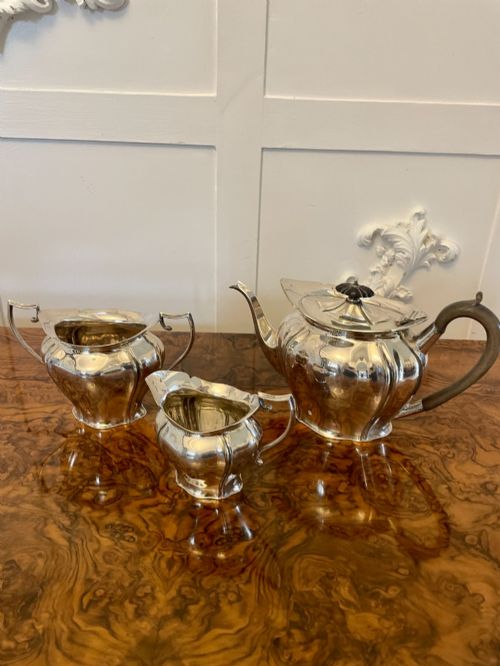
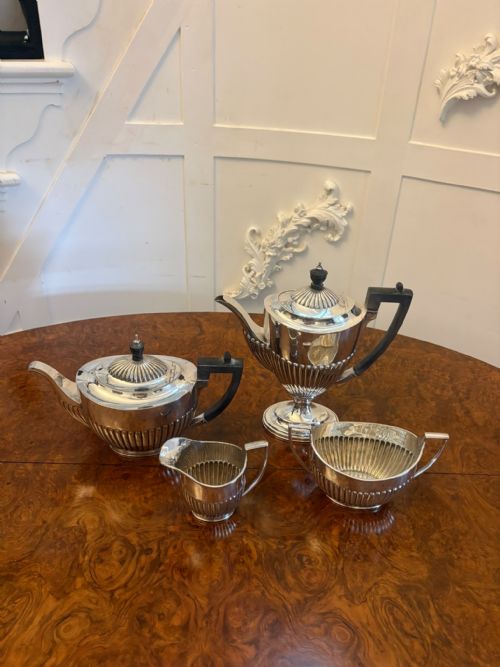
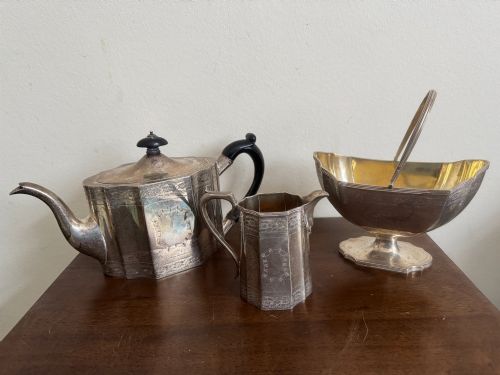
Most examples encountered on this page belong to complete teapots, coffee pots, and larger tea and coffee sets spanning the eighteenth, nineteenth, and twentieth centuries.
The materials vary significantly across these periods, ranging from early sterling silver and Old Sheffield plate to later silver plate, paired with organic insulators.
Materials and construction methods
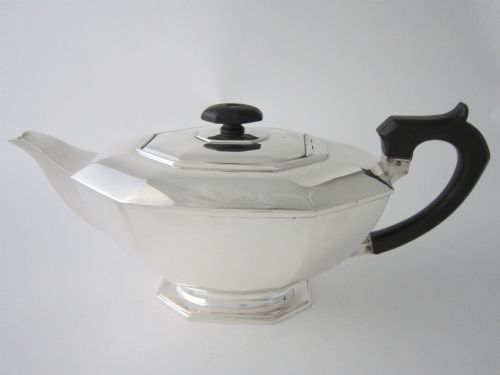
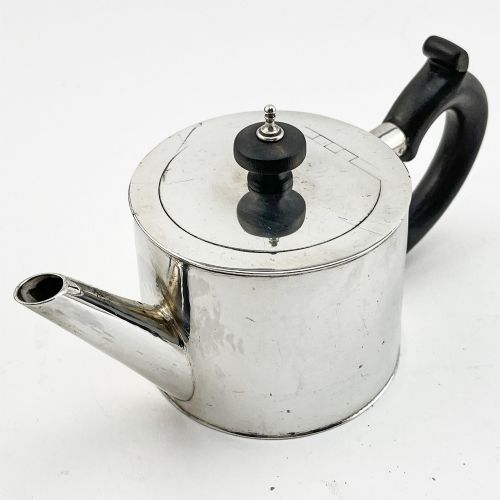
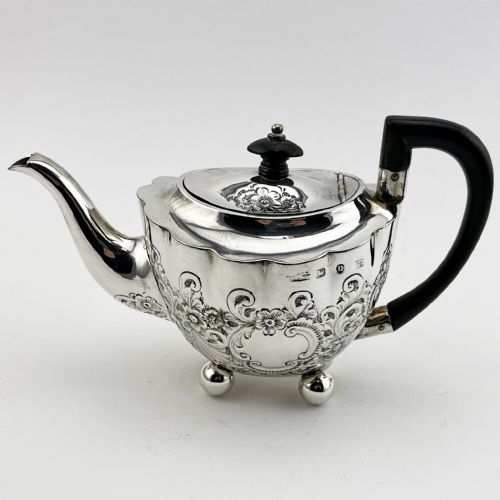
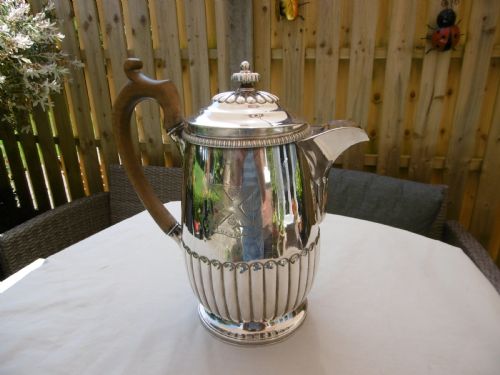
Makers utilised durable metals such as sterling silver and silver plate for the structural mountings, while shaping handles from wood, ebony, and ebonised wood to prevent heat transfer.
Artisans combined these elements carefully, securing the insulating wooden grips with metal pins or sockets attached to the main body of the teapot or kettle.
Silver Teapot Handle Retail Price Guide 2026
Typical asking prices for silver teapot handle among the pieces listed under this phrase on Sellingantiques today, from the lower quarter to the upper quarter. They describe what is for sale here now, not the wider market.
Even ceremonial ewers and sake vessels share the absolute necessity of a well-insulated grip for safe morning rituals.
Distinctions in quality
Quality rests upon the integrity of the insulating material and the precision of the metal mounts, where well-preserved wood and tight joints indicate superior original craftsmanship.
The balance and comfort of the grip within the hand separate standard utilitarian replacements from finely balanced examples designed for substantial Georgian and Victorian vessels.
Matthew Boulton·Walker and Hall·Archibald Knox for Liberty·Georg Jensen
The Silver Teapot Handle Glossary
- Sterling silver
- A silver alloy containing 92.5 percent pure silver by mass, widely utilised for British teapots and tea sets across multiple centuries.
- Silver plate
- A layer of silver applied to a base metal core, common in Edwardian and later tea services.
- Old Sheffield plate
- An early form of plated metal produced by fusing a sheet of silver to a copper ingot, seen on nineteenth-century vessels.
- Ebony
- A dense black hardwood frequently employed for teapot handles due to its durability and natural thermal insulation.
- Ebonised wood
- Timber treated to resemble ebony, providing a cost-effective insulating grip on period teapots.
Silver Teapot Handle: Frequently Asked Questions
What is a silver teapot handle made of?
These handles typically combine metal sockets of sterling silver or silver plate with a central grip carved from wood, ebony, or ebonised wood. This dual-material construction prevents heat from transferring to the hand during use.
Selectors find these materials span the Georgian, Victorian, and Edwardian eras on this page.
How do I identify the period of a handle?
Dating relies upon examining the accompanying metal mounts, hallmarks, and the specific type of wood used for the grip. Georgian and Victorian examples often feature distinct silver hallmarks or Old Sheffield plate characteristics.
Later Edwardian and mid-century pieces display stylistic shifts reflecting the prevailing design movements of their time.
Why use wood for a metal pot handle?
Wood and ebony act as natural thermal insulators, preventing the intense heat of boiling water from reaching the user's hand. Metal alone would conduct heat too quickly to allow safe pouring.
This practical necessity dictated the classic silhouette seen across centuries of British silversmithing.
Are replacement handles common on antiques?
Wooden components frequently required repair or replacement over centuries of daily use due to drying and cracking. Surviving original handles attached to their antique teapots represent well-preserved examples of domestic heritage.
Inspectors look closely at the pins and sockets to determine if the grip remains original to the vessel.