


Silver Tea Shovel Spoon
These silver tea shovel spoon pieces are small, functional treasures designed for measuring loose leaf tea, offering charm and utility in equal measure.
Silver Tea Shovel Spoon
When searching for a silver tea shovel spoon, buyers encounter miniature scoops and caddy spoons primarily originating from the Georgian, Victorian, and Edwardian eras. These small vessels were designed specifically to transfer dried leaves from a caddy into a teapot, combining domestic practicality with decorative metalwork.
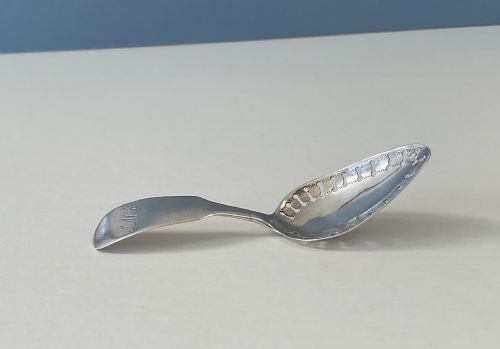
The most common examples on this page take the form of flat shovel bowls paired with short handles, reflecting the specific functional requirements of tea preparation in British households. Makers utilised sterling silver alongside parcel-gilt and silver-gilt finishes to create pieces that ranged from utilitarian kitchen tools to highly ornate table accessories.
The selection includes regional Scottish provincial variations alongside London hallmarks and Scandinavian designs such as Danish Modern pieces. This geographical spread ensures that collectors can find both traditional English shovel forms and unexpected modernist interpretations within the same category.
Materials and construction methods
Silversmiths constructed these items primarily using sterling silver, often working sheet metal into shallow bowl shapes and stamping or casting handles separately before joining them. The physical demands of handling dry tea leaves required a rigid metal that could withstand daily use without bending.
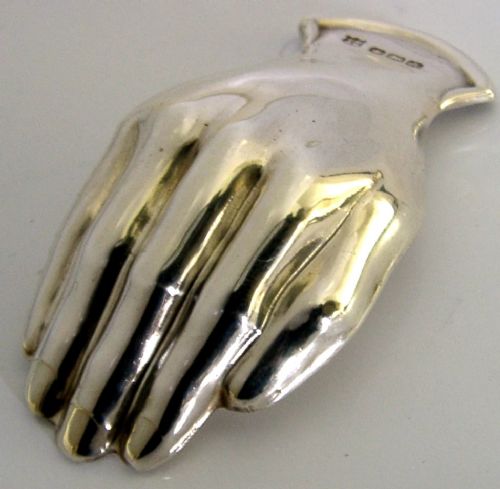
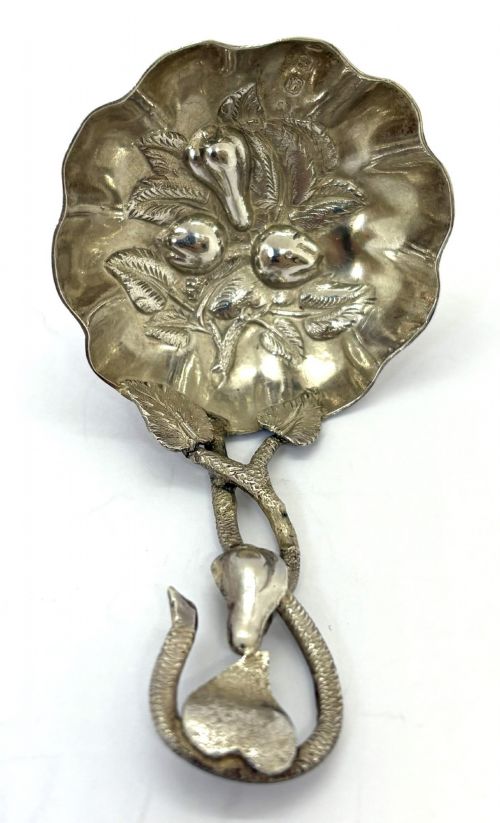
Many examples incorporate parcel-gilt or silver-gilt surfaces, applying a thin layer of gold over portions of the silver to create visual contrast and protect the metal from tea staining. Decorative techniques visible across the inventory include floral embossing, chased scrollwork, and novelty hand motifs.
Makers utilised traditional assay office marking techniques, applying hallmarks to certify metal purity, date of manufacture, and place of origin. These stamped records allow modern buyers to trace the exact year and workshop responsible for each piece.
Listings in this category span the Georgian, Victorian, and Edwardian periods, utilising sterling silver, parcel-gilt, and silver-gilt materials.
Judging quality and craftsmanship
The distinction between standard examples and superior pieces rests on the crispness of the stamping, the depth of any embossed floral or scroll decoration, and the overall balance of the object in the hand. Finer items exhibit sharp relief in their decorative motifs and careful finishing around the edges of the bowl.
Design complexity plays a significant role in determining the standing of a piece within the category, with novelty forms such as human hands or shovel shapes commanding attention for their sculptural ambition. Standard shovel spoons rely on clean proportions and clear hallmarks rather than elaborate figural elements to demonstrate maker skill.
Mappin & Webb·Georg Jensen·George Unite·George Wintle
The Silver Tea Shovel Spoon Glossary
- Sterling silver
- A silver alloy containing 92.5 percent pure silver and 7.5 percent other metals, usually copper, chosen for its durability in domestic items.
- Parcel-gilt
- A metal object where only specific areas, often the interior of the bowl, are coated in a thin layer of gold.
- Hallmark
- A series of official stamps applied to precious metals indicating the standard of purity, the assay office, and the date letter.
- Caddy spoon
- A short-handled spoon specifically proportioned to measure tea leaves from a storage container.
- Chased
- A metalworking technique where patterns are hammered into the front surface of the silver without removing material.
Silver Tea Shovel Spoon: Frequently Asked Questions
What is a silver tea shovel spoon?
A silver tea shovel spoon is a small domestic utensil designed to scoop dried tea leaves from a caddy into a teapot. These items date primarily from the Georgian and Victorian periods.
They combine practical function with decorative metalwork, often featuring flat shovel-shaped bowls and hallmarked sterling silver construction.
How were these spoons used?
These spoons served as measuring tools for loose leaf tea during a time when tea was an expensive commodity kept under lock and key. Their short handles allowed them to fit neatly inside or beside storage caddies.
Beyond simple scooping, they functioned as social accessories on the tea table, reflecting the host's taste and standing.
How do I identify the date of a spoon?
Dating relies primarily on the stamped hallmarks and maker marks struck directly into the silver. Assay office symbols and specific date letters reveal the exact year of manufacture.
Stylistic cues such as Georgian scrollwork or Edwardian novelty shapes also provide broad chronological markers for unmarked or partially rubbed pieces.
What is the difference between silver and parcel-gilt?
Standard sterling silver pieces display the uniform grey-white lustre of the silver alloy across the entire handle and bowl. Parcel-gilt items feature selective gold plating, usually applied to highlight the interior of the bowl or specific decorative details.
This gilding technique offered protection against staining from tea leaves while creating a striking two-tone visual effect.