

Silver Tea Caddy Box
A silver tea caddy box preserves dry leaves in style, bridging Georgian elegance and Edwardian utility for the modern collector.
Silver Tea Caddy Box
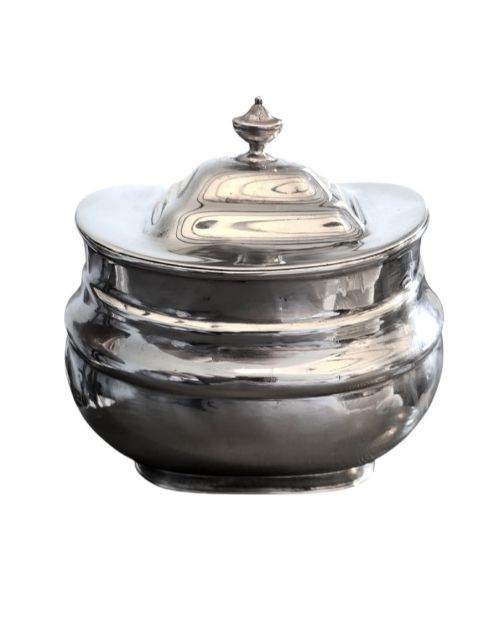
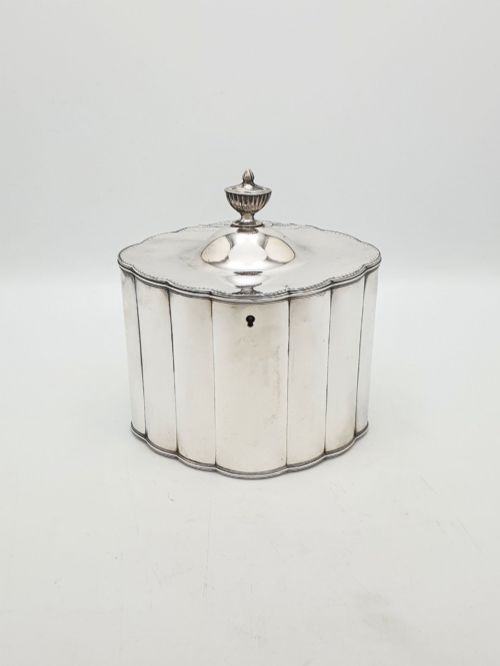
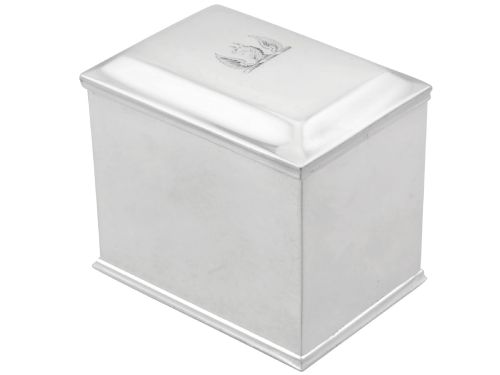
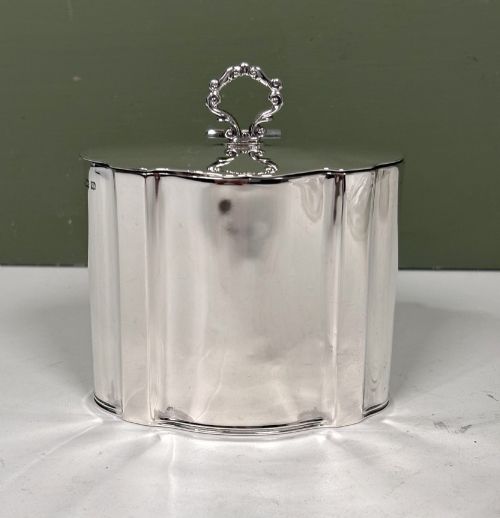
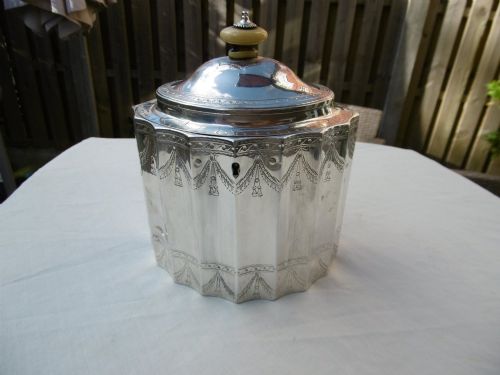
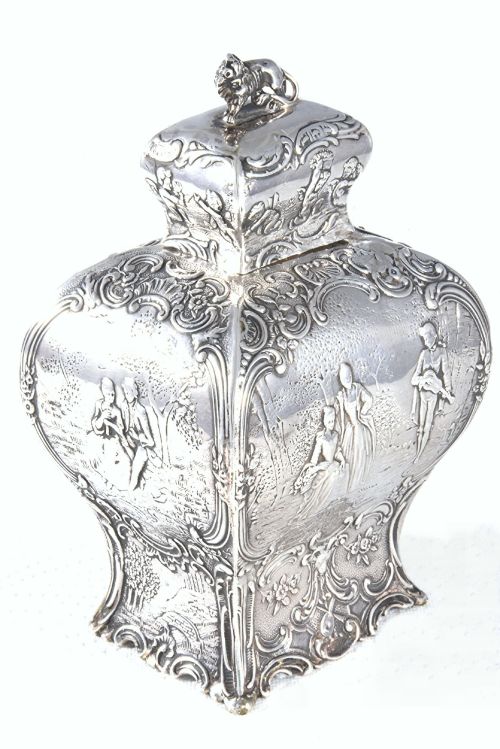
A silver tea caddy box is a dedicated receptacle designed originally to store loose leaf tea while keeping moisture out and aroma locked in. These pieces range from Georgian masterworks to Victorian and Edwardian examples produced across English, Continental and international workshops.
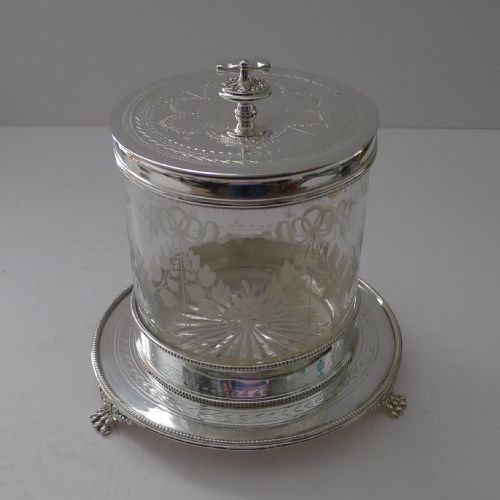
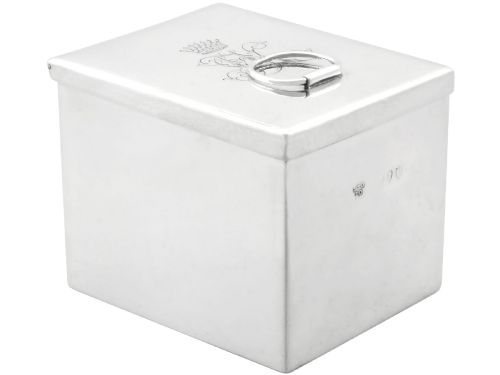
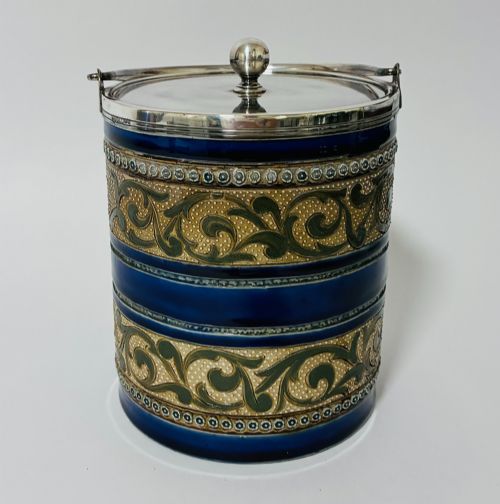
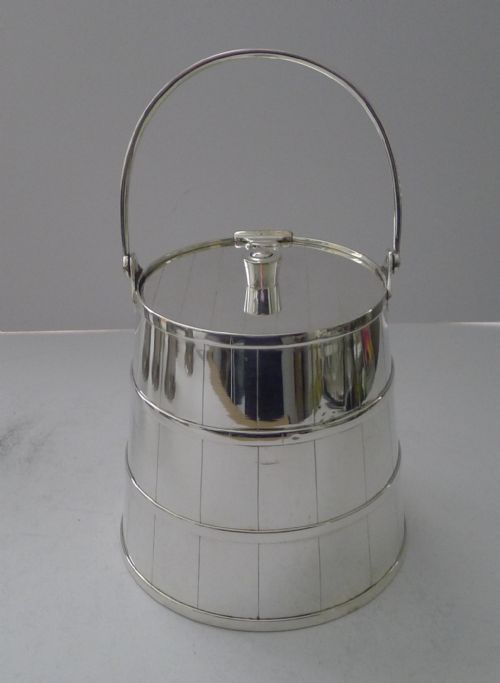
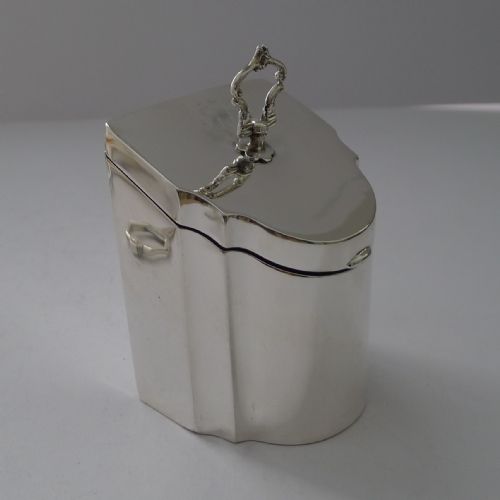
Buyers will frequently encounter late nineteenth and early twentieth-century sterling silver and silver-plated varieties on this page. Common forms span traditional canisters and bombe shapes alongside novelty knife box designs and matching biscuit barrels.
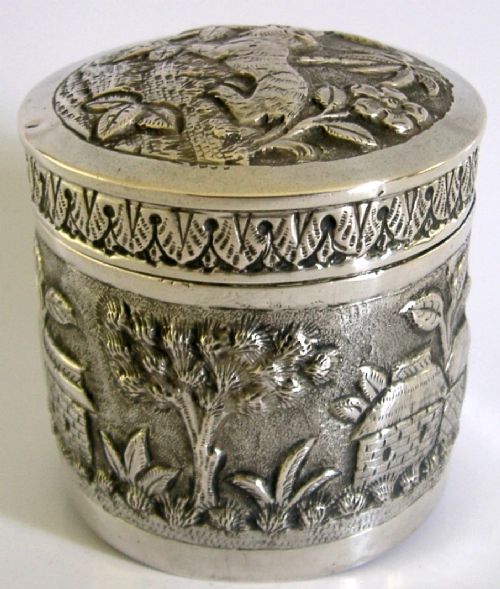
Origins stretch from London and provincial English assay offices to Dutch, German, Indian and Ottoman makers. Domestic examples sit alongside ornate imported pieces shaped for display as much as storage.
How They Were Made
Silversmiths constructed these vessels primarily from solid sterling silver or through silver plating over base metal foundations. Artisans employed techniques like hammering, fluting and piercing to shape the metal bodies.
Many specimens incorporate supplementary materials such as cut glass liners, tortoiseshell panels, carved bone handles and oak or other wooden chassis elements. Hinged lids often utilise tight-fitting closures and decorative lion mask mounts.
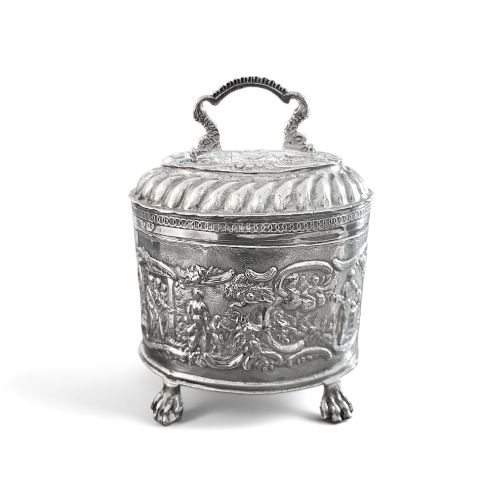
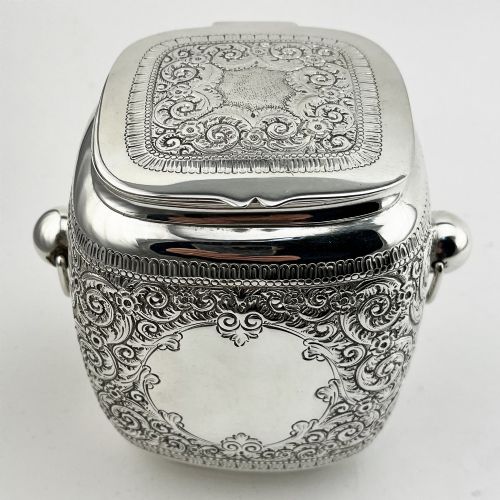
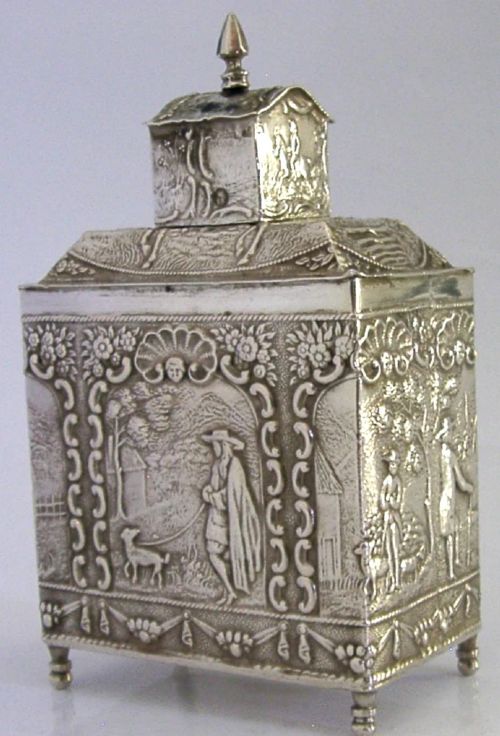
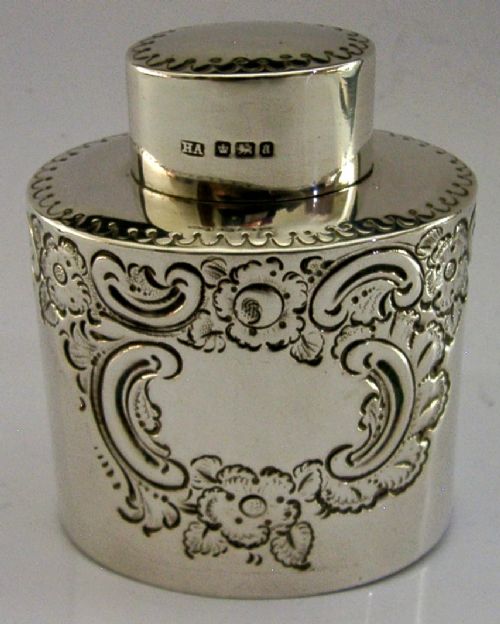
Continental pieces frequently display repoussé work and detailed chasing, while English items rely heavily on clean hallmarks stamped in Sheffield, Birmingham, Chester or London.
Silver Tea Caddy Box Retail Price Guide 2026
Typical asking prices for silver tea caddy box among the pieces listed under this phrase on Sellingantiques today, from the lower quarter to the upper quarter. They describe what is for sale here now, not the wider market.
Materials across the inventory include solid sterling silver, silver plate, tortoiseshell, cut glass, oak and bone.
What Varies In Quality
Metal weight and gauge set the foundation for durability, with heavier silver vessels maintaining structural integrity across decades of handling. Thinner platings and lighter gauge sheets exhibit more flex under pressure.
The precision of the maker's handwork dictates aesthetic standing, visible in crisp repoussé relief, smooth hinge action and well-aligned lids. Elaborate chasing by recognised makers elevates domestic items into high art.
State of preservation affects everyday utility and collectability alike. Complete components, legible hallmarks and intact interior liners preserve the integrity of the original design.
Charles Edwards·Martin Hall And Co·Robert Hennell·Zimmermann·Thomas Hayes·Mappin And Webb·William Hutton And Sons Ltd·William Rudkins·Robert And Belk·Ernest Druiff And Co·Edward Barnard And Son·Hukin And Heath
The Silver Tea Caddy Box Glossary
- Sterling silver
- A silver alloy containing 92.5 percent pure silver by mass and 7.5 percent other metals, usually copper. This standard ensures the metal remains durable enough for functional vessels while retaining a bright finish.
- Hallmark
- An official stamp applied by an assay office indicating the purity of the metal, the maker, and the year of manufacture. These small punches offer reliable clues to an object's precise origin.
- Repoussé
- A metalworking technique where an artisan hammers the metal from the reverse side to form a raised design in relief. This method creates tactile, highly decorative surfaces on caddy bodies.
- Bombé
- A curved, swelling profile popular in domestic silverware during the Georgian and Victorian periods. This rounded silhouette allows for increased internal volume while softening hard angles.
- Biscuit barrel
- A covered container traditionally used for storing baked goods at the dining table. Many share forms, makers and silver-plated finishes with tea caddies of the same era.
Silver Tea Caddy Box: Frequently Asked Questions
What was a silver tea caddy box used for?
These vessels served to store expensive loose leaf tea safely away from humidity and light in the historic home. The secure lidded boxes protected valuable blends while looking decorative in the parlor.
Over time, many found secondary use on dressing tables as trinket boxes or storage for small keepsakes. Today, collectors continue to utilise them for dry goods or display them empty as decorative objects.
How do I clean antique silver boxes?
Maintenance requires mild soap, warm water and a soft cloth to remove dust without damaging the surface. Avoid harsh chemical dips that strip away desirable patinas built up over generations.
Store pieces in dry environments away from direct sunlight to prevent tarnishing. Gentle polishing with a specialised silver cloth preserves details on chased or hammered motifs.
How do I read silver hallmarks?
Assay office marks indicate the town where the piece was tested, such as the leopard head for London or the anchor for Birmingham. Date letters reveal the specific year of manufacture according to local testing office cycles.
Maker's marks show the initials or full names of the silversmiths or manufacturing firms responsible. Together, these tiny stamped symbols allow collectors to trace an object's lineage precisely.
Are silver plated caddies collectable?
Silver plated items from prominent nineteenth-century firms command strong interest among collectors today. Quality plating matches the aesthetic appeal of solid sterling while offering robust everyday durability.
Makers like Mappin and Webb produced plated biscuit boxes and caddies finished to exceptional standards. These pieces represent accessible entries into antique silver collecting without sacrificing craftsmanship.