


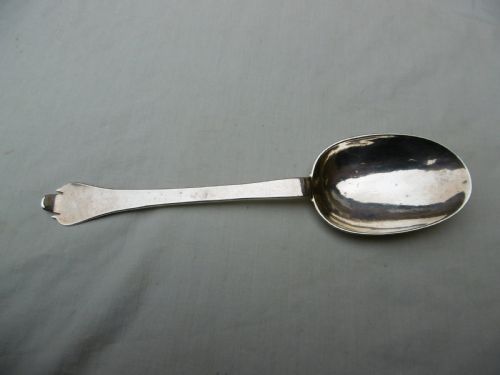


Silver Tableware Collectible
These silver tableware collectible pieces span centuries of metalwork, offering practical historic utility and fine craftsmanship for the discerning home.
Silver Tableware Collectible
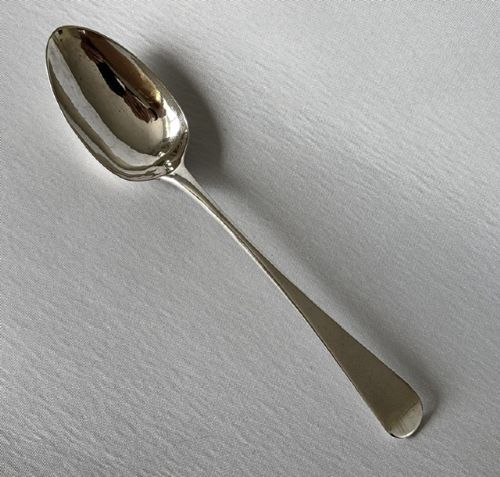
Silver tableware collectible items encompass functional dining implements and decorative accessories created from precious metals across multiple historic eras. When searching for silver tableware collectible examples, buyers encounter diverse forms ranging from eighteenth-century tablespoons to Victorian condiment sets and novelty sugar tongs.
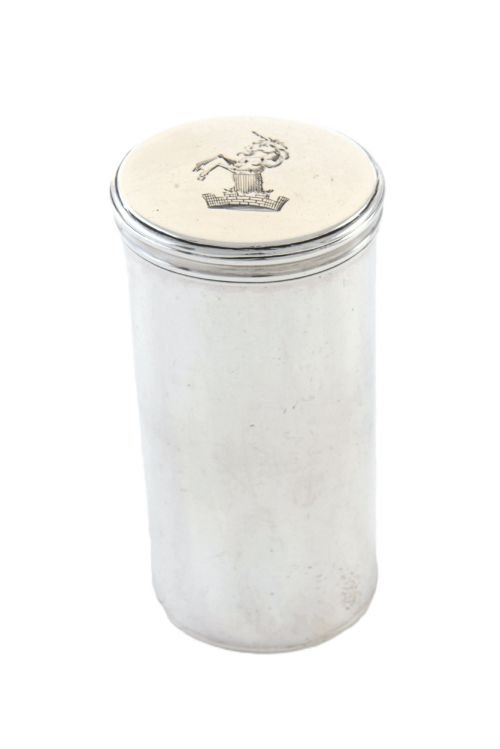
The objects on this page represent centuries of domestic metalwork spanning the seventeenth century through the mid-twentieth century. Common forms include cutlery, nutmeg graters, spoon warmers, and menu holders produced in Britain and continental Europe.
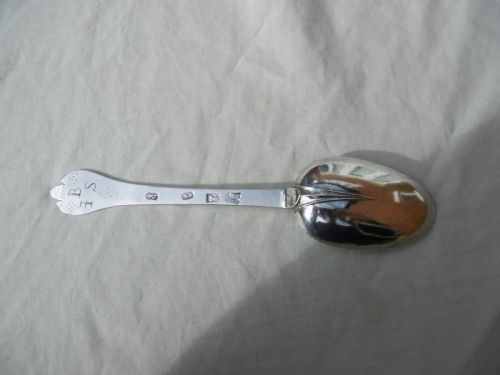
Georgian and seventeenth-century items feature heavily among the available pieces, often displaying traditional hallmarks and distinct regional styles such as the trefid spoon. Later Victorian novelties and mid-century designs provide further variety for collectors focusing on specific dining traditions.
How they were made
Maker workshops utilised sterling silver, Britannia standard silver, and silver plate to shape functional items through traditional smithing techniques. Pieces often incorporate gold gilt highlights and detailed enamel work to enhance decorative appeal.
Early items such as seventeenth-century trefid spoons display hand-hammered surfaces and clear punch hallmarks denoting the silversmith and standard of the metal. Later Victorian and twentieth-century examples integrate specialised components like ebonised wood handles and moving mechanical elements in novelty pieces.
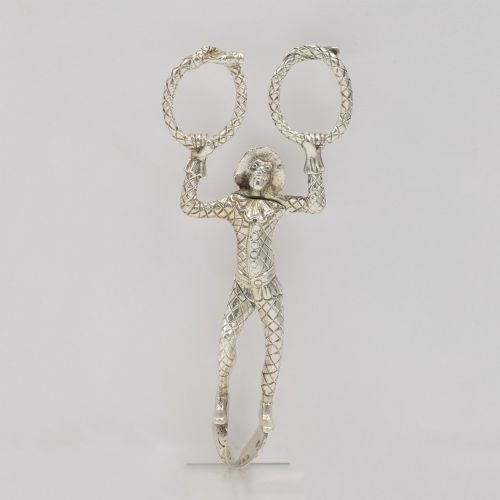
A mischievous brass-eyed monkey holds your sugar lumps in place.
What varies in quality
Quality in these items depends on the crispness of the original chasing, the clarity of the maker marks, and the survival of the original surface finish. Pieces retaining sharp hallmarks and minimal wear to the precious metal display superior preservation.
Specialist items such as figural condiment sets or novelty sugar tongs achieve distinction through clever mechanical design and sculptural detail. The integrity of applied elements like enamel and gold gilt further distinguishes finer examples from standard production.
Peter & Jonathan Bateman·Dee & Fargus·William Penstone·Benjamin Prosser
The Silver Tableware Collectible Glossary
- Hallmark
- Official stamps struck into precious metals to indicate the standard of purity, the maker, and the year of production. These marks provide definitive provenance for historic silver.
- Sterling Silver
- An alloy containing a fixed proportion of pure silver combined with other metals to ensure durability for daily use. This standard forms the basis of most British table silver.
- Britannia Standard Silver
- A purer silver standard introduced by statute to discourage the melting of coinage for plate. Items bearing these marks contain a higher percentage of pure silver than standard sterling.
- Trefid Spoon
- An early style of eating spoon featuring a broad flat terminal notched into three lobes. This form dominated late seventeenth-century dining before evolving into the Hanoverian pattern.
- Silver Gilt
- Silver objects that have been coated with a thin layer of gold on their surfaces. This technique protects the underlying metal and creates a rich two-tone appearance.
Silver Tableware Collectible: Frequently Asked Questions
What is a silver trefid spoon?
A trefid spoon is an early dining implement characterised by its distinctive flat, three-lobed terminal handle.
These pieces date primarily to the late seventeenth century and represent an important evolutionary stage in British cutlery design.
How do I identify silver hallmarks?
Hallmarks consist of a series of stamped symbols indicating the purity standard, the assay office, and the operating silversmith.
Clear stamps allow historians and collectors to date pieces precisely and verify their authentic origins.
What is a spoon warmer?
A spoon warmer is a specialised vessel designed to hold hot water for warming dining spoons prior to serving courses.
Victorian dining traditions utilised these decorative ceramic and silver containers to ensure guests ate with comfortable utensils.
How should I clean silver tableware?
Historic silver requires gentle cleaning with specialised non-abrasive polishes designed specifically for precious metals.
Avoiding harsh chemical dips preserves the delicate hallmarks and original surface patination accumulated over centuries.