





Silver Table Cover
A silver table cover brings weight and polish to a dining service, shielding food or holding butter behind a protective lid.
Silver Table Cover
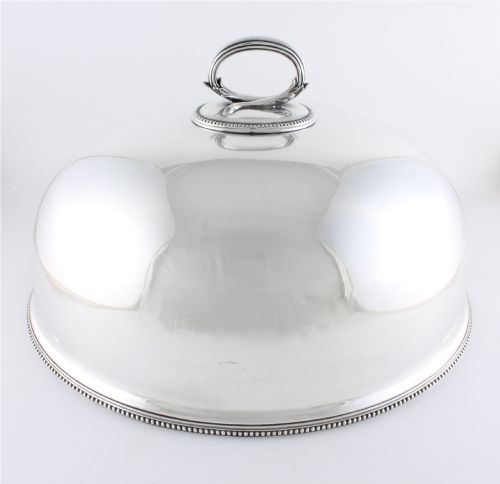
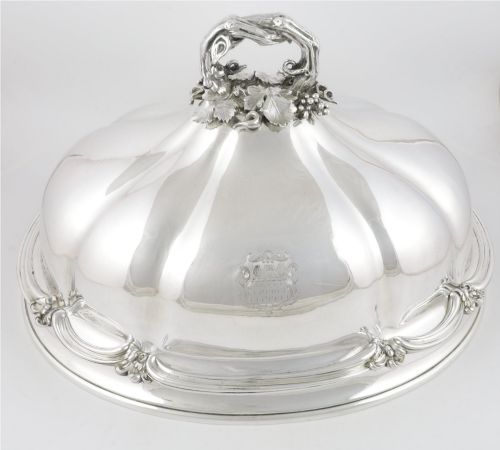
A silver table cover encompasses a varied assortment of protective serveware, spanning grand meat domes, entree dishes, sauce tureens, and lidded butter or cheese dishes. When searching for a silver table cover, buyers encounter items from the Georgian, Victorian, and Edwardian eras, alongside pieces styled in the Arts and Crafts and Regency manners.
The domestic forms appearing in these listings range from rectangular and oval entree dishes with fitted lids to tall, domed meat covers and glass-lined butter dishes. Many pieces combine silver plating or sterling silver with cut glass or enamel, reflecting the practical needs of nineteenth and early twentieth-century dining rooms.
Materials and construction
Makers utilised sterling silver and Old Sheffield Plate, alongside electroplated nickel silver and copper bases, to shape these covers and dishes. Copper often forms the base metal beneath silver plating in Sheffield pieces, while later Victorian and Edwardian examples rely on nickel silver.
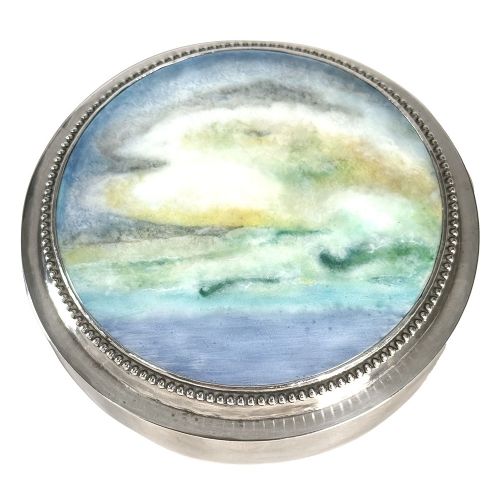
Glass liners accompany butter and cheese dishes, paired with fitted silver plated covers and occasionally enamel plaques or cut glass bodies. Smithing techniques included hammering, plating, and casting handles or finials onto the main body of the dome or dish.
Silver Table Cover Retail Price Guide 2026
Typical asking prices for silver table cover among the pieces listed under this phrase on Sellingantiques today, from the lower quarter to the upper quarter. They describe what is for sale here now, not the wider market.
Assessing quality in covered serveware
The distinction between standard production items and finer pieces lies in the crispness of the chased decoration, the balance of the handles, and the weight of the metal base. Substantial gauge metal ensures the cover retains heat and resists warping during daily service.
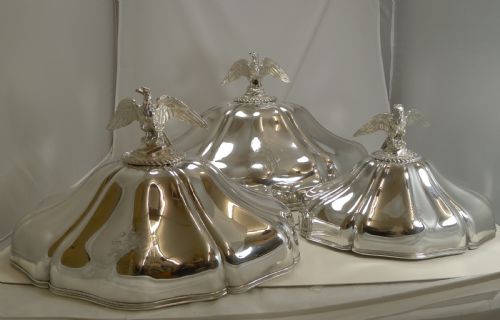
Makers known for exceptional output invested care into matching lids to bases precisely, integrating decorative cast finials, and applying durable silver plating or heavy sterling sheets. Details such as hand-applied enamel plaques or matched sets of graduated domes further separate workshop output.
Guild of Handicrafts·Roberts Cadman·Henry Wilkinson·Daniel and Arter·Walker and Hall·William Bennett·Birchall and Hayne
The Silver Table Cover Glossary
- Old Sheffield Plate
- A method of fusing a thin sheet of sterling silver to a thicker copper base before rolling and shaping. This technique creates durable tableware with characteristic copper seams visible at edges.
- Entree dish
- A shallow lidded vessel designed to keep small courses warm at the table. These often feature removable handles to allow the lid to double as a secondary serving dish.
- Meat dome
- A large, high-arched cover used to retain heat over joints of meat or large platters. They frequently include an ornate cast handle or finial at the top.
- Electroplated nickel silver
- A base alloy of copper, nickel, and zinc coated with a layer of pure silver using an electrical current. This process became widespread during the Victorian era as a cheaper alternative to solid silver.
Silver Table Cover: Frequently Asked Questions
Are these covers safe for modern dining?
Most pieces function well for serving dry foods, bread, or cold dishes, provided the interior plating remains intact.
Items featuring glass liners or silver plate are best washed by hand rather than placed in an automated dishwasher.
How can I date an Old Sheffield Plate piece?
Examine the edges for a faint line of copper where the fused silver sheet has worn thin through centuries of polishing.
Pieces produced before the invention of electroplating in the mid-nineteenth century typically display this distinctive layered construction.
What is the difference between an entree dish and a tureen?
Entree dishes are generally shallow and rectangular or oval, built to hold dry or semi-dry courses beneath a matching lid.
Tureens are deeper, bowl-shaped vessels designed explicitly for soups or sauces, often accompanied by ladles and carrying handles.