





Silver Spice Shaker Caster
These silver spice shaker casters bring traditional dining table organisation to your home, offering functional elegance for sugar and seasonings.
Silver Spice Shaker Caster
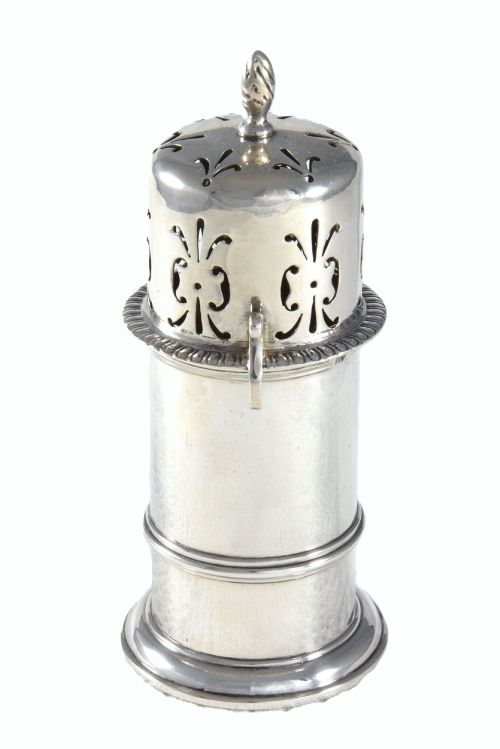
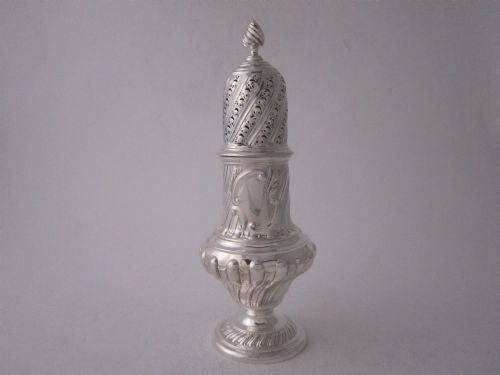
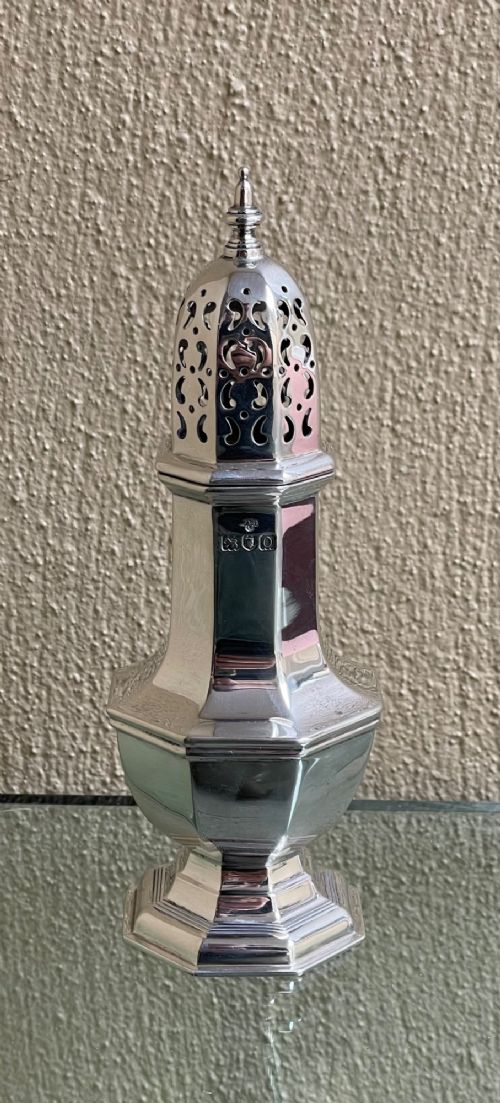
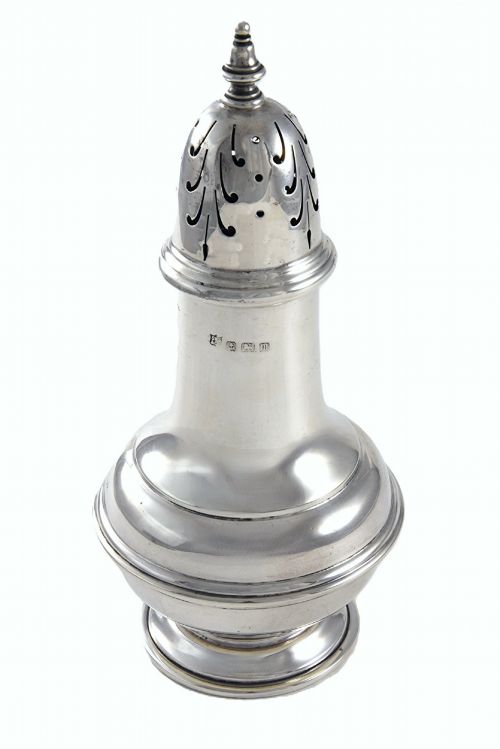
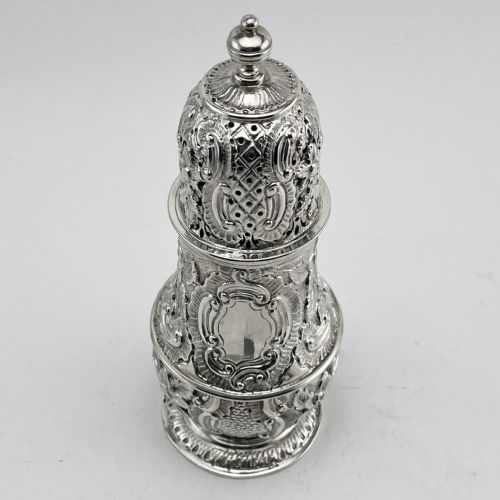
A silver spice shaker caster is a tabletop vessel designed for dispensing sugar, pepper, or condiments, appearing across periods from the eighteenth century to the mid-twentieth century. On this page, you will most frequently encounter sugar casters and pepper pots made during the Victorian, Edwardian, and Georgian eras.
The inventory includes various forms such as large sugar sifters, matching pairs, condiment sets, and novelty animal designs like birds, owls, foxes, and dragons. These pieces function as both practical dining implements and decorative silverware with distinct stylistic roots in Georgian, Victorian, and Edwardian design.
Materials and construction methods
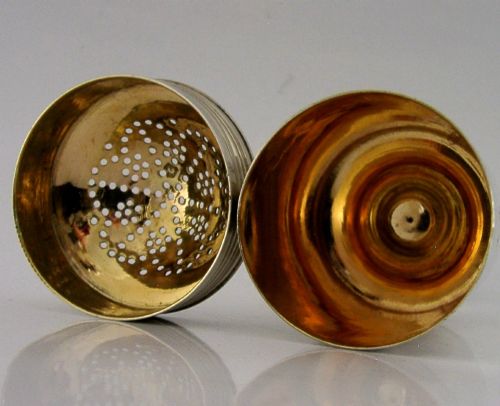
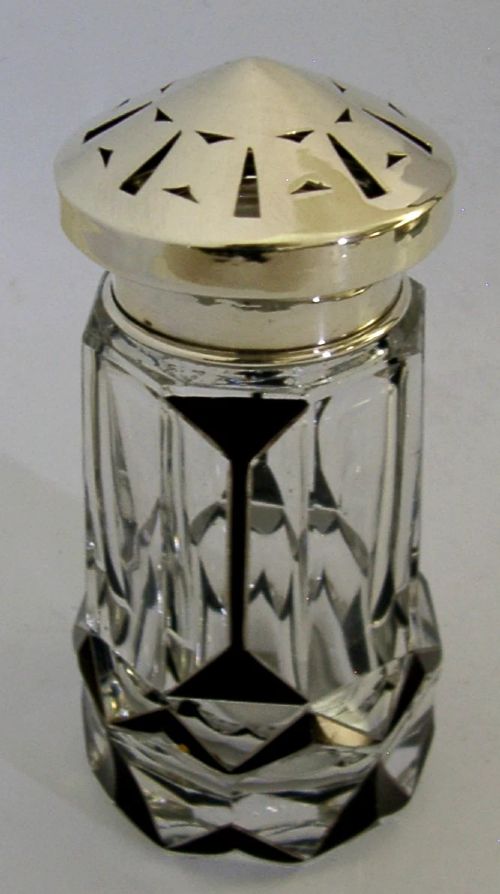
The primary material across these listings is sterling silver, alongside examples in silver plate, cut glass, and combinations of silver and glass. Goldsmiths and silversmiths shaped these metals using traditional silversmithing techniques, often incorporating pierced lids for sifting and casting.
Makers applied various surface treatments and stylistic details ranging from plain George I forms to intricate Art Nouveau patterns and figural animal casts. Hallmarks stamped into the metal provide official records of the assay office, standard, and date of manufacture.
Silver Spice Shaker Caster Retail Price Guide 2026
Typical asking prices for silver spice shaker caster among the pieces listed under this phrase on Sellingantiques today, from the lower quarter to the upper quarter. They describe what is for sale here now, not the wider market.
Materials represented across these items include sterling silver, silver plate, glass, and cut glass.
Assessing quality in silver casters
Quality in a silver spice shaker caster rests on the weight of the silver, the crispness of the piercing on the lid, and the clarity of the hallmarks. Pieces by notable makers or Huguenot silversmiths demonstrate superior execution in proportion and detail compared to standard production wares.
The integrity of the form, especially in novelty animal pepper pots and complex figural designs, distinguishes finer examples. Preserved hallmarks and balanced proportions indicate better craftsmanship and historical significance.
Stephen Adams·Simon Pantin·James Dixon And Sons Ltd·Evald Nielsen
The Silver Spice Shaker Caster Glossary
- Muffineer
- An alternative term for a sugar caster, specifically used for the vessel employed to dust muffins or buttered bread with sugar. These often share the pear-shaped profile common in eighteenth-century designs.
- Pepperette
- A small shaker or pot designed specifically for holding and dispensing ground pepper at the table. They frequently appear as standalone pieces or as part of larger condiment sets.
- Hallmark
- A series of official marks stamped onto silver objects to guarantee the purity of the metal, the maker, and the year of assay. British hallmarks usually include a maker's mark, standard mark, town mark, and date letter.
- Cruet set
- A collection of glass or silver bottles and casters held together in a frame for condiments like oil, vinegar, salt, and pepper. These sets often incorporate silver-plated or solid silver stands.
Silver Spice Shaker Caster: Frequently Asked Questions
How do I clean antique silver casters?
Clean antique silver casters using a soft cloth and specialist silver polish designed to remove tarnish without harming the metal. Avoid harsh abrasives or soaking pieces that combine silver with glass or weighted bases.
Regular, gentle dusting and minimal polishing help preserve the original hallmarks and surface patina over time.
How do I identify the date of a silver caster?
Identify the date of a silver caster by examining the hallmarks stamped into the metal surface, which typically include a specific date letter. Comparing the style - such as George I, Georgian, Victorian, or Art Deco - alongside maker marks provides a reliable timeframe for manufacture.
Reference books and online assay office records help decode individual maker marks and date ciphers.
Were novelty pepper pots used daily?
Novelty pepper pots shaped like owls, birds, foxes, and dragons served both decorative and practical functions on dining tables across the Victorian and Edwardian periods. Wealthy households often utilised whimsical tableware to spark conversation during formal meals.
Many of these figural pieces remain functional today while acting as collectible cabinet items.