

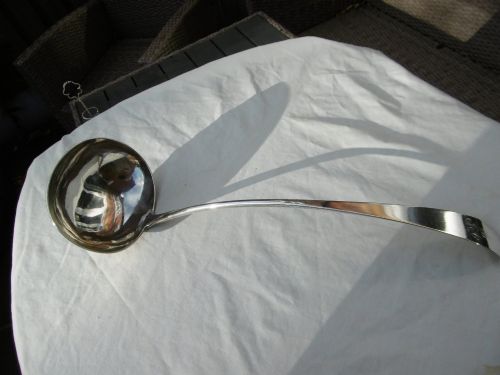
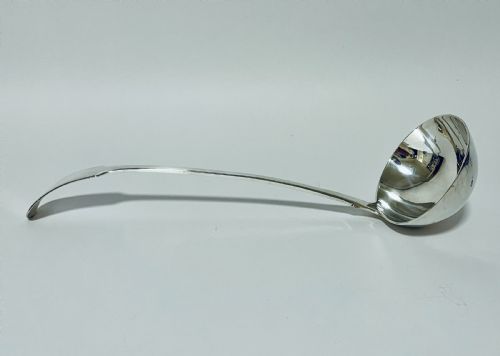
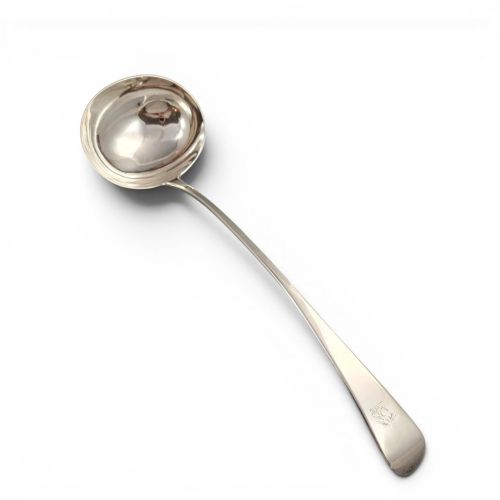
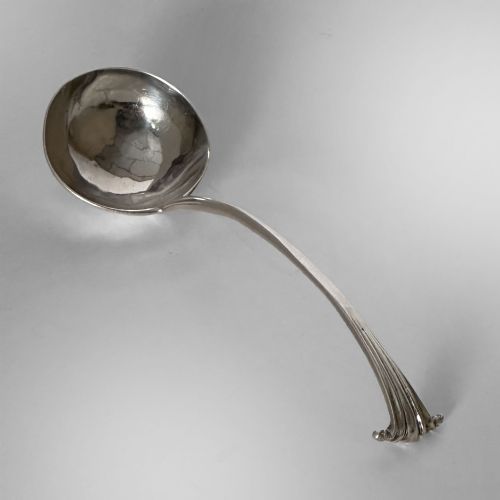
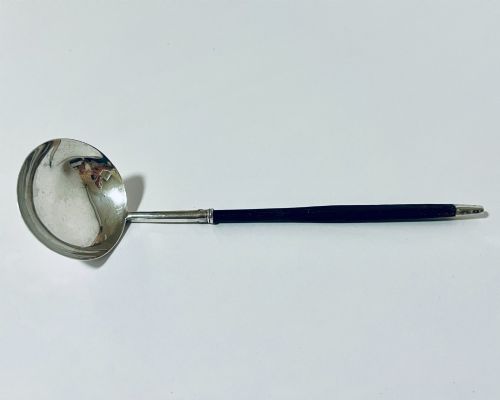
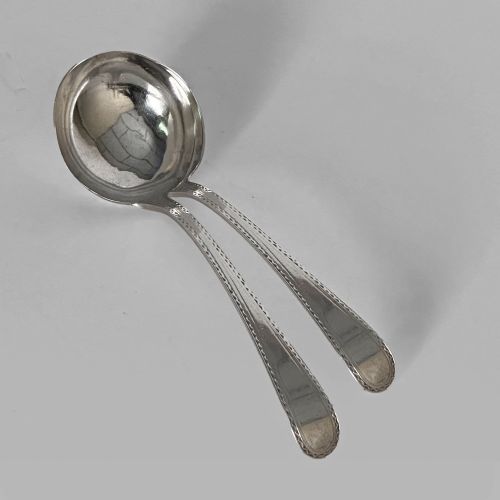
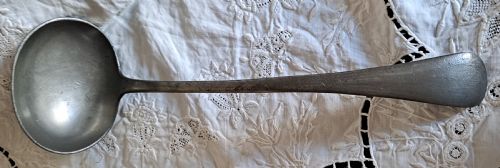


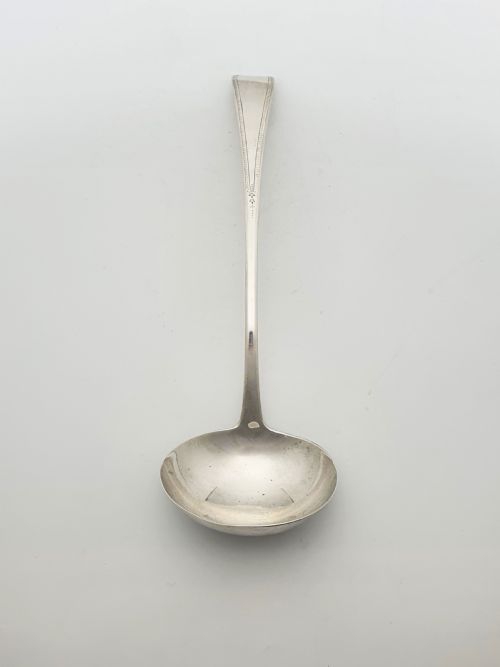


Silver Soup Spoon Ladle
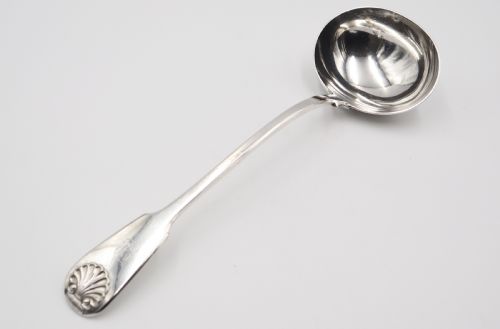
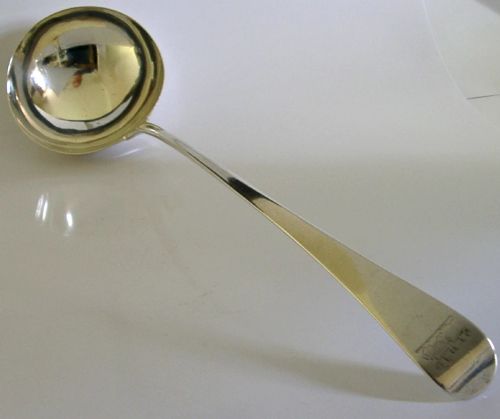
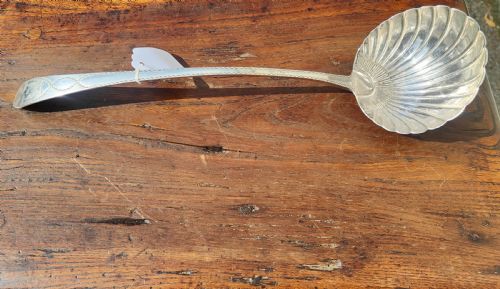
These silver soup spoon ladle pieces are substantial serving implements crafted in sterling silver and pewter to grace formal dining tables across past centuries.
Silver Soup Spoon Ladle
A silver soup spoon ladle serves as a primary utensil for transferring broth, punch, or soup from a central tureen into individual bowls. Buyers exploring this category encounter large serving pieces originating from the eighteenth century, Georgian era, and Victorian period.
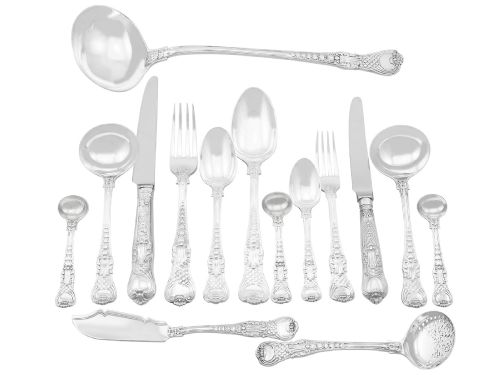
The selections span distinct regional styles including Irish silver ladles, Scottish provincial examples, and London hallmarks alongside Continental European items. These implements often form part of broader flatware services or appear as single grand serving ladles.
Forms vary from deep bowl punch ladles to expansive soup ladles featuring traditional decorative motifs like the Old English pattern, Queen's pattern, or threaded borders. Many incorporate heraldic crests reflecting the lineage of their original owners.
Materials and construction methods
These items are constructed predominantly from sterling silver, solid silver, and occasionally pewter, reflecting the metalworking standards of their respective periods. Some pieces feature supplementary elements such as wood handles or interior gold wash finishes.
Silversmiths shaped the heavy gauge metal through hammering, casting, and hand-finishing techniques to achieve durable yet balanced serving utensils. Maker marks, town marks, and date letters were punched directly into the silver to record origin and accountability.
Silver Soup Spoon Ladle Retail Price Guide 2026
Typical asking prices for silver soup spoon ladle among the pieces listed under this phrase on Sellingantiques today, from the lower quarter to the upper quarter. They describe what is for sale here now, not the wider market.
The selection includes sterling silver, solid silver, and pewter spanning the eighteenth, nineteenth, and twentieth centuries.
Distinctions in craftsmanship and origin
Quality rests heavily upon the thickness of the silver gauge, the crispness of the maker's punch marks, and the integrity of the bowl shape. Substantial weight and balanced proportion indicate superior domestic or provincial workshop output.
Provenance and maker attribution elevate certain examples, particularly those bearing the touchmarks of renowned silversmiths or provincial Scottish and Irish makers. The clarity of engraved crests and decorative borders further distinguishes masterwork production from standard utility ware.
Milne and Campbell·Hester Bateman·John Yates·Michael Smith·Jamieson and Naughton·Mary Chawner·Tiffany and Co
The Silver Soup Spoon Ladle Glossary
- Hallmark
- Official stamps punched into silver by an assay office to guarantee the metal standard and year of production. These marks provide definitive historical context for British pieces.
- Punch ladle
- A smaller serving utensil traditionally used for dispensing heated punch beverages. These often feature twisted whalebone or turned wood handles.
- Old English pattern
- A traditional flatware design characterised by a down-turned handle terminal with a central ridge. It gained widespread popularity during the Georgian period.
- Queen's pattern
- An ornate decorative flatware style featuring shell and floral motifs along the shaped handle edge. It represents the more elaborate taste of the nineteenth century.
- Provincial mark
- Stamps applied by silversmiths working outside major official assay towns like London. These regional marks add distinct historical interest for advanced collectors.
Silver Soup Spoon Ladle: Frequently Asked Questions
What is the difference between a soup ladle and a punch ladle?
A soup ladle is generally larger with a deep, wide bowl designed for serving table soups from a large tureen. Punch ladles are typically smaller and were historically utilised for bowl-based beverages.
Many punch ladles also feature organic handles made from wood or baleen rather than solid metal.
How do I identify a Georgian silver ladle?
Georgian ladles date from the period between 1714 and 1830, encompassing the reigns of the first four Georges. They are identified through specific London or provincial hallmarked date letters and traditional styles.
Common patterns from this era include plain Old English designs and heavy hand-raised bowls.
Why do some ladles feature family crests?
Wealthy families had their unique heraldic crests or monograms engraved onto the handle or reverse of silver items to signify ownership. This custom was particularly prevalent during the eighteenth and nineteenth centuries.
These crests often provide clues regarding the original provenance and social standing of the piece.
How should antique silver ladles be cleaned?
Antique silver requires gentle maintenance using specialised silver polish and a soft cloth to protect the underlying metal and maker marks. Harsh abrasive cleaners should be avoided entirely to preserve surface detail.
Regular handling and careful storage in tarnish-resistant cloths help maintain the natural lustre of the silver.