




Silver Shell Caddy
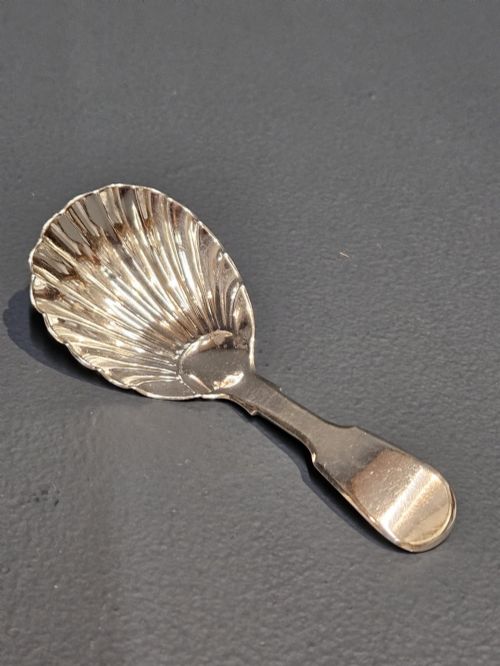
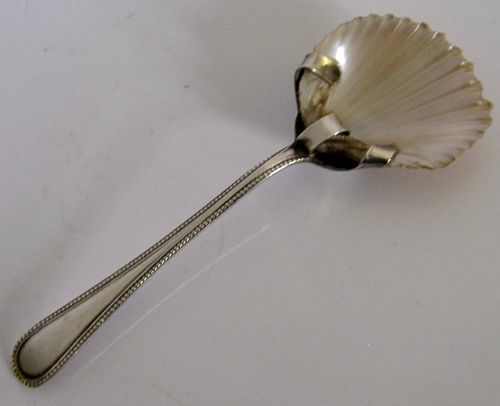
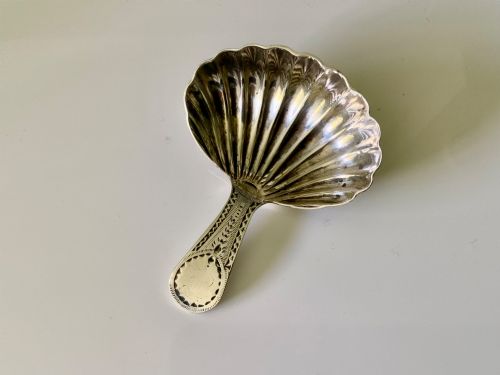
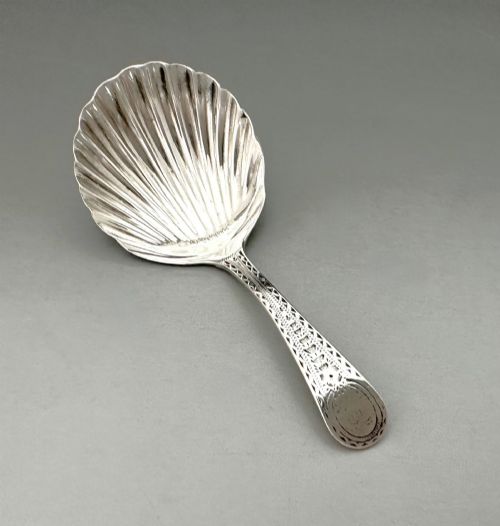
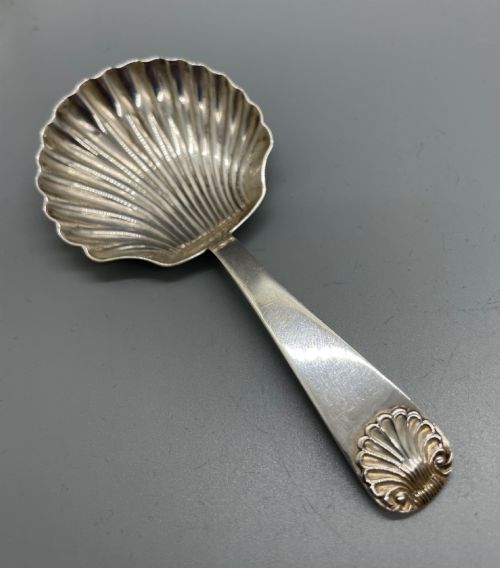
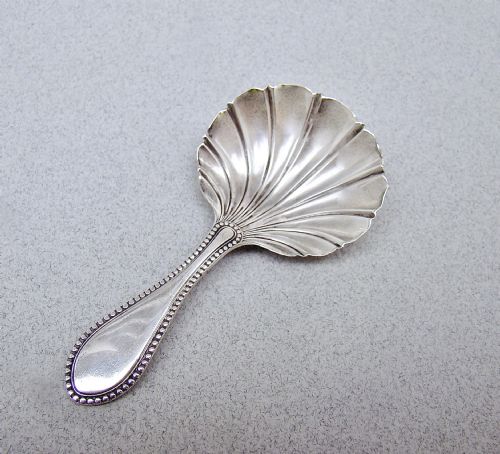
A silver shell caddy spoon or tea caddy brings the distinct form of a natural shell into the daily ritual of tea.
Silver Shell Caddy
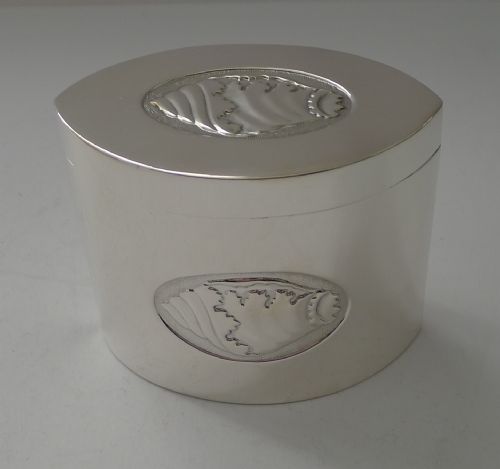
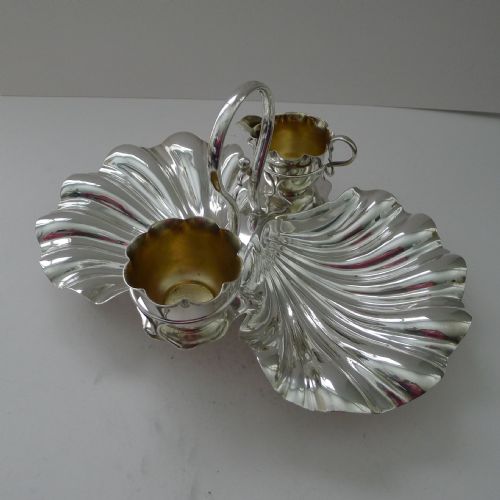
When you search for a silver shell caddy, you are looking at small serving spoons and larger tea storage vessels formed in the shape of marine shells. The selections on this page span the Georgian, Victorian, and Edwardian periods, alongside eighteenth and nineteenth century pieces.
The smaller caddy spoons feature bowl terminals shaped directly as scallop or other shells, often paired with engraved handles. Larger examples include tortoiseshell tea caddies and double tea caddies shaped with bow-fronts or shell motifs.
Originating largely from English workshops, these items served the wealthy households of the eighteenth and nineteenth centuries for measuring loose tea leaves from caddies into pots.
Materials and construction methods
Silversmiths utilised sterling silver and silver plate, frequently applying a gold wash or silver gilt to the interior bowl of spoons. Electroplated nickel silver also appears on later nineteenth-century items.
For larger storage pieces, natural tortoiseshell was combined with wood structures and metal mounts. Silversmiths shaped the metal through hammering, stamping, and detailed hand engraving on the handles.
Silver Shell Caddy Retail Price Guide 2026
Typical asking prices for silver shell caddy among the pieces listed under this phrase on Sellingantiques today, from the lower quarter to the upper quarter. They describe what is for sale here now, not the wider market.
Napoleon's crest once travelled on a silver spoon, bringing a quiet echo of French imperial ambition to the British tea table.
Distinctions in craftsmanship
The quality of a piece rests in the crispness of the shell fluting and the depth of the hand engraving on the handle. Sharper, well-defined ridges on the bowl distinguish finer work from worn or softly cast examples.
Makers' marks and clear hallmarks stamped into the silver add verifiable provenance. The integration of tortoiseshell panels with aligned grain and secure mounts marks the standard for larger caddies.
Joseph Willmore·Martin Hall And Co·Daniel Arter·Mappin And Webb·Elkington
The Silver Shell Caddy Glossary
- Caddy spoon
- A small spoon specifically designed to measure dry tea leaves from a storage caddy. They frequently take shell forms in Georgian and Victorian examples.
- Silver gilt
- Sterling silver that has been coated with a thin layer of gold. This technique prevented the tannic acid in tea from tarnishing the silver bowl.
- Tortoiseshell
- The outer shell of certain turtle species used as a decorative veneer on tea caddies during the eighteenth and nineteenth centuries.
- Hallmark
- An official stamp applied to precious metals indicating the standard of purity, the assay office, and the year of manufacture.
- Regency
- A British design period spanning the early nineteenth century, known for clean classical lines and refined decorative details.
Silver Shell Caddy: Frequently Asked Questions
What is a silver shell caddy spoon used for?
These small spoons were created to scoop loose tea leaves from a caddy into a teapot during the Georgian and Victorian eras.
Collectors today use them as cabinet display pieces or repurpose them for small serving tasks.
How can I tell a Georgian silver caddy from a Victorian one?
Georgian pieces typically display simpler lines with delicate hand engraving and crisp hallmarks from the late eighteenth or early nineteenth century.
Victorian examples often feature heavier casting, more ornate floral decoration, and distinct mid-to-late nineteenth-century maker marks.
Are tortoiseshell tea caddies fragile?
Tortoiseshell requires careful handling because the natural material can dry out or crack if exposed to direct sunlight and extreme humidity changes.
Keeping them away from heat sources preserves the wood structure and the delicate outer shell panels.
What do silver gilt bowls indicate?
A gold wash applied to the interior bowl of a silver spoon protected the metal from corrosion caused by acidic tea leaves.
This functional layer gives the bowl a warm yellow tone distinct from standard polished silver.