





Silver Shell Box
When you search for a silver shell box, you are looking at small personal containers and larger table pieces that combine precious metal with organic shell or mimic its natural curves.
Silver Shell Box
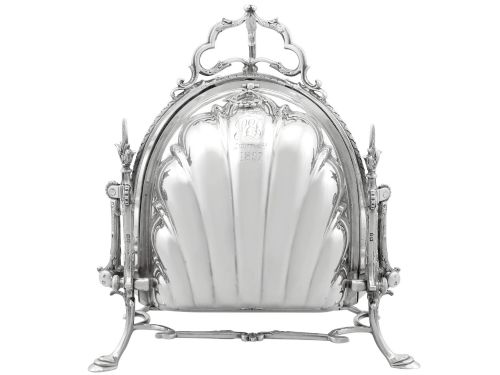
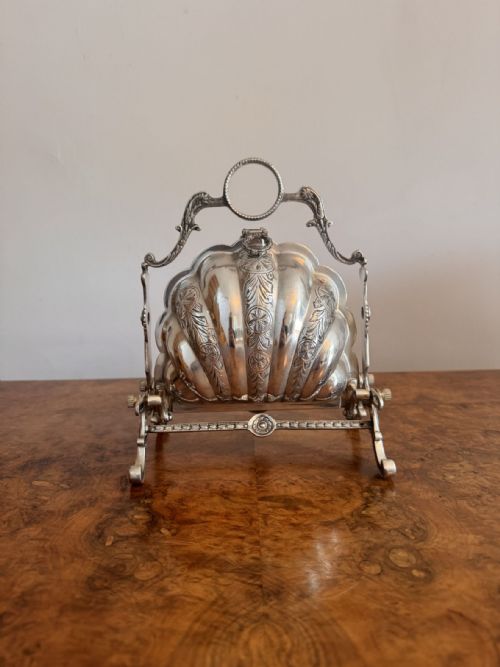
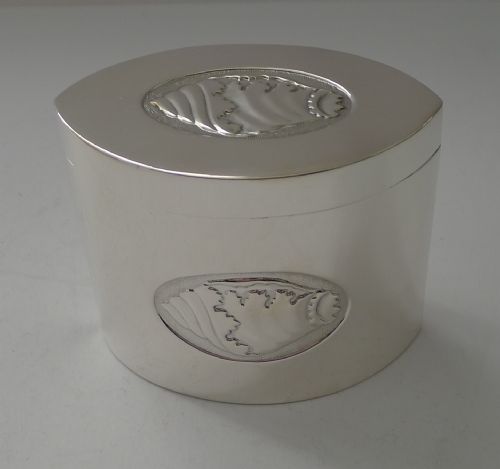
A silver shell box encompasses several distinct forms found in the listings, ranging from small pocket snuff boxes mounted with cowrie shells to larger vanity and jewellery caskets inlaid with tortoiseshell. Table biscuits boxes shaped as triple shells also appear, utilising silver plate to create expanding tiers for dining.
The materials span solid sterling silver and silver plate combined with genuine tortoiseshell, faux variants, silk linings, and wooden foundations. Natural cowrie shells mounted in silver frames represent an eighteenth and early nineteenth-century form intended for snuff or pills.
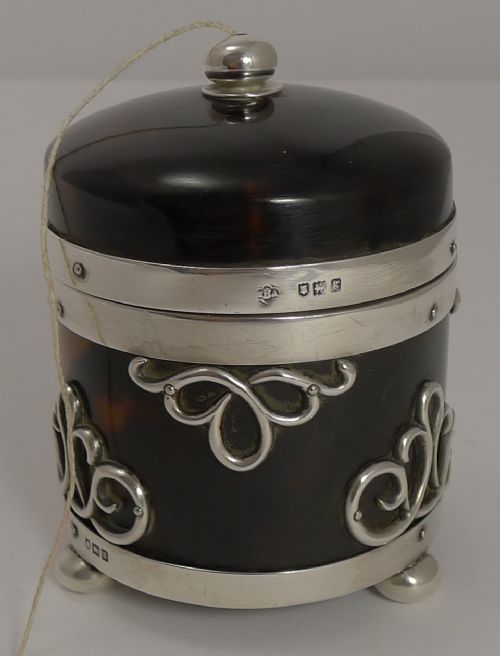
Makers and manufacturers from the Georgian, Victorian, and Edwardian periods produced these containers for dressing tables, desks, and pockets. The presence of tortoiseshell panels mounted with silver piqué work marks many of the trinket and jewellery boxes originating from Birmingham workshops.
How they were made
Silversmiths constructed the metal mounts, hinges, and bezels using sterling silver or silver plate, soldering them to secure natural organic elements like tortoiseshell and cowrie shell. Piqué work involved embedding tiny silver or gold pins into tortoiseshell surfaces to form delicate patterns.
Boxes with wooden or brass cores relied on thin veneers of tortoiseshell applied to the exterior and held by silver bezels and corner mounts. Interior compartments frequently featured velvet or silk linings fitted into the base of jewellery and trinket caskets.
Silver Shell Box Retail Price Guide 2026
Typical asking prices for silver shell box among the pieces listed under this phrase on Sellingantiques today, from the lower quarter to the upper quarter. They describe what is for sale here now, not the wider market.
Several boxes double as animal figures, pairing a silver owl body with a tortoiseshell lid.
What varies in quality
Quality rests on the crispness of the silver mounts and the condition of the organic shell panels, which can suffer from warping or splitting over time. The precision of the silver piqué inlay and the tight alignment of the hinged lid indicate the original maker's skill.
The weight of the sterling silver and the retention of original interior silk or velvet linings elevate certain examples. Marked hallmarks denoting specific makers and assay offices provide additional weight to a piece compared to unmarked or plated alternatives.
William Comyns·Horton And Allday·Elkington·Fenton Brothers·The Alexander Clark·Levi And Salaman·Boardman Glossop And Co·Robert Keay
The Silver Shell Box Glossary
- Cowrie shell
- A natural marine shell often mounted in silver during the Georgian period to form small snuff or pill boxes. Its polished, porcelain-like surface made it a popular organic alternative to chased metal.
- Piqué work
- A decorative technique involving tiny silver or gold pins inlaid into tortoiseshell or ivory to create intricate motifs. This method appears frequently on Edwardian jewellery and trinket boxes.
- Silver plate
- A base metal coated with a thin layer of sterling silver, commonly utilised for larger nineteenth-century biscuit boxes and tableware. It allowed manufacturers to produce substantial decorative items at a lower cost.
- Tea caddy
- A container designed to store dry tea leaves securely, often constructed from tortoiseshell with silver mounts during the eighteenth and nineteenth centuries. These items protected expensive imported tea from moisture and light.
- Vinaigrette
- A small ornamental box containing a perforated inner grill, used to hold a sponge soaked in aromatic vinegar. Georgian examples frequently utilised cowrie shells or silver shaped as shells for the exterior body.
Silver Shell Box: Frequently Asked Questions
What were silver shell boxes used for?
These containers served various practical and decorative roles in daily life, housing items such as snuff, pills, tea leaves, or personal jewellery. Smaller shell-shaped pieces resided in pockets or waistcoats, while larger tortoiseshell caskets sat upon dressing tables.
Dining rooms also saw the use of shell-shaped silver plated biscuit boxes and butter dishes. Each form matched the specific domestic habits of its period, from Georgian gentlemen carrying snuff to Edwardian ladies storing trinkets.
How do I identify a tortoiseshell box?
Tortoiseshell exhibits a mottled translucent pattern of amber, brown, and golden tones derived from the shell of marine turtles. Genuine examples display natural growth lines and warmth to the touch, distinguishing them from synthetic plastics.
Silver mounts typically frame the edges and hinge the lid to the tortoiseshell body. Piqué decoration or engraved silver plaques often adorn the top surface of these vanity and jewellery containers.
How do I date an antique silver box?
Dating relies heavily upon the assay office hallmarks stamped into the sterling silver mounts, which indicate the exact year of manufacture. Stylistic clues such as Art Nouveau curves or Georgian proportions help narrow down the production era.
Construction methods also provide context, as nineteenth-century boxes often feature different hinge mechanisms and lining materials compared to eighteenth-century specimens. Examining the interior fittings and maker's marks together yields a reliable timeline.
How should I care for tortoiseshell and silver?
Tortoiseshell requires protection from direct sunlight, extreme heat, and humidity to prevent warping and cracking. Dusting with a soft, dry cloth maintains the polished surface without harsh chemical cleaners.
Silver mounts benefit from occasional gentle cleaning with a specialised cloth to remove tarnish without touching the organic shell panels. Keeping these containers in stable environmental conditions preserves both the metal and the delicate shell inlay.