


Silver Scottish Pin
A silver scottish pin brings together hardstone pebble work and provincial metal, offering wearable history from the Victorian and Edwardian eras.
Silver Scottish Pin
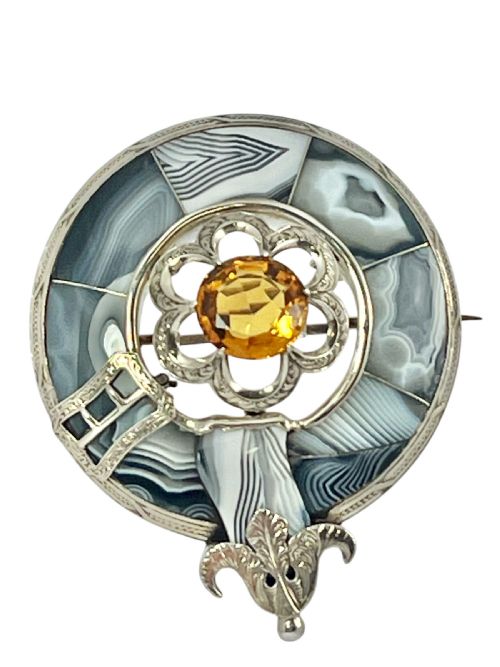
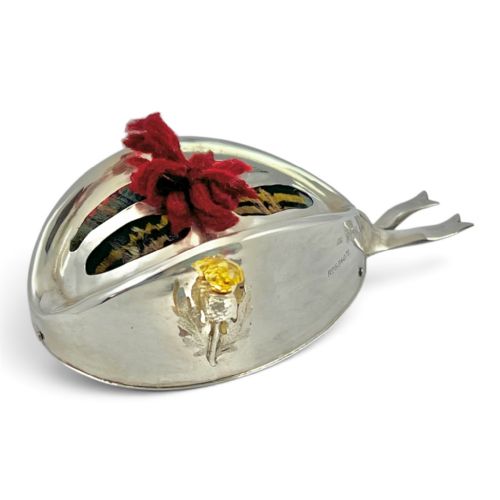
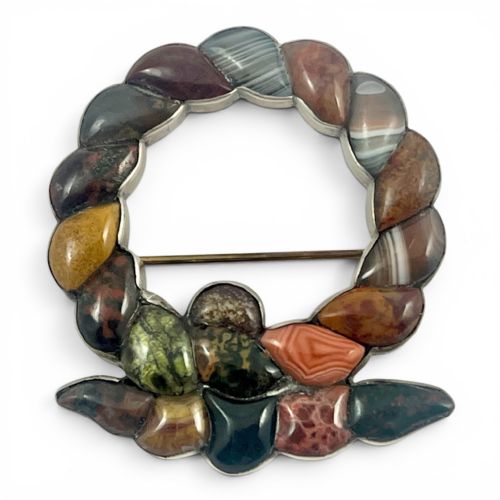
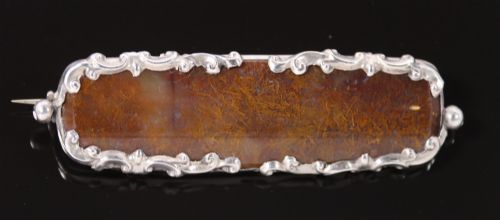
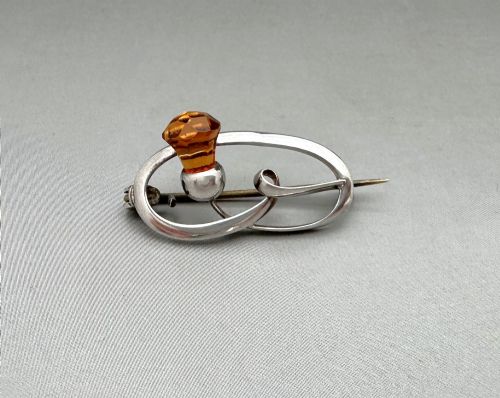
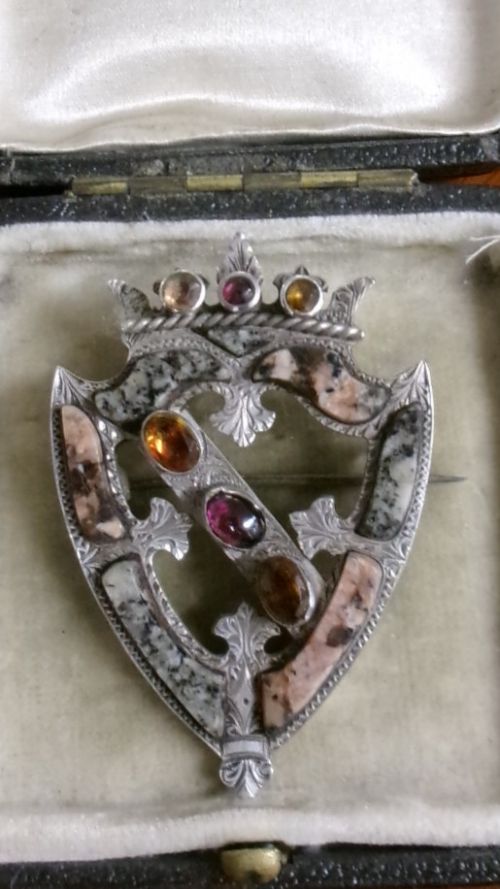
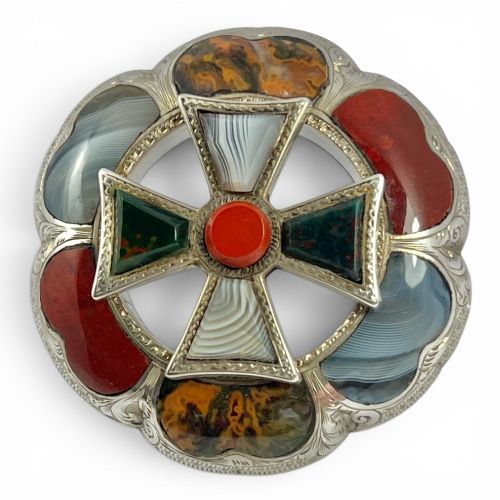
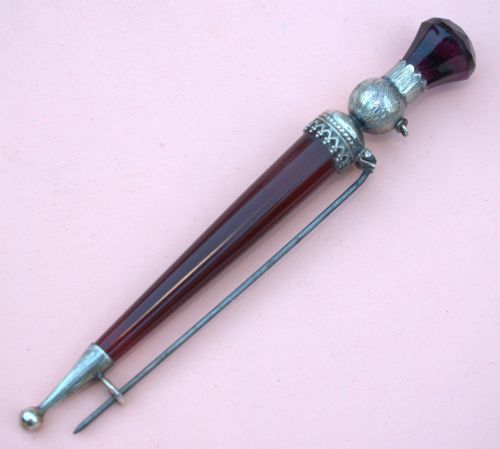
When you search for a silver scottish pin, you encounter a range of fastened ornaments spanning brooches, kilt pins, dirk brooches, hat pins, and pin cushions. The primary form on this page is the Victorian or Edwardian pebble brooch, often styled as a shield, sword, or traditional Scottish motif.
Makers and provincial towns such as Inverness and Aberdeen contributed distinct regional styles during the nineteenth century. These items served both practical fastening roles for plaid and tartan garments and decorative functions as sentimental jewellery.
How they were made
Silversmiths shaped sterling silver into Celtic revival frameworks, swords, and broadswords to house natural stones. Provincial makers utilised local materials, mounting cut and polished specimens directly into metal settings.
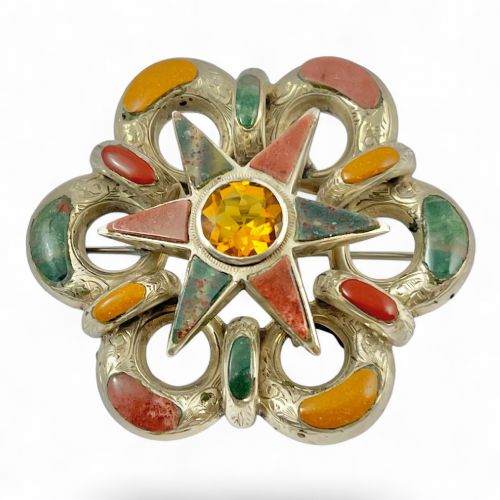
Hardstones such as agate, jasper, bloodstone, chalcedony, and montrose agate were sliced and set alongside citrine and amethyst quartz. Metalwork techniques involved chased detailing, braided silver bands, and secure pin mechanisms.
Listings feature silver, agate, jasper, citrine, bloodstone, and montrose agate across Victorian, Edwardian, and mid-century periods.
What varies in quality
The sophistication of the hardstone cutting and the variety of stones within a single piece distinguish finer examples. Brooches featuring multiple distinct stones, such as montrose agate alongside citrine or amethyst, demonstrate greater lapidary skill.
The depth and complexity of the silver work, from simple basket-hilted broadsword designs to intricate braided plaid brooches and signed provincial pieces, elevate the standing of an item within the range.
Charles Horner·Crisford and Norris·Peter McGregor Westren·John Hart of Iona·Celtic Art Industries
The Silver Scottish Pin Glossary
- Agate
- A form of chalcedony quartz featuring natural banding or coloration. It appears frequently in nineteenth-century Scottish pebble jewellery.
- Dirk brooch
- A large fastening pin modelled after the traditional Scottish dagger. These pieces often incorporate basket-hilt motifs and large central stones.
- Cairngorm
- A yellow-brown or smoky variety of quartz originating from the Cairngorm mountains. It is commonly set into silver pins and brooches.
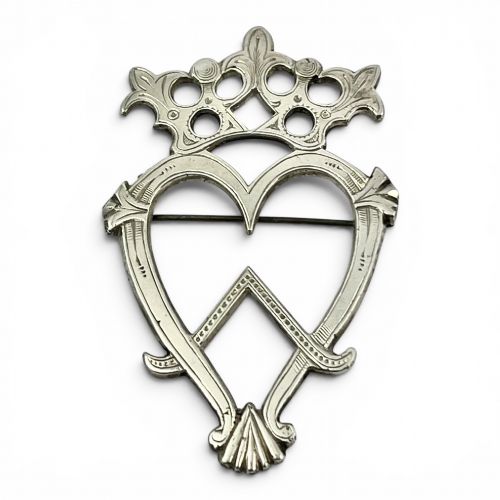
- Luckenbooth
- A traditional Scottish love token design featuring two interlocking hearts, frequently surmounted by a crown. This motif appears on silver brooches and pins.
Silver Scottish Pin: Frequently Asked Questions
What are silver scottish pins?
These items are nineteenth and early twentieth-century accessories, primarily brooches and kilt pins, fashioned from silver and decorated with Scottish hardstones.
They reflect the Victorian and Edwardian revival of Celtic and traditional motifs, used originally for securing plaid garments.
How do I date a pebble brooch?
Dating relies on hallmark evidence, provincial town marks, and stylistic shifts between early Victorian, late Victorian, and Edwardian periods.
Heavier stone arrangements and specific regional signatures from places like Inverness often point to the mid-to-late nineteenth century.
What stones are used in these pins?
Makers utilised native hardstones including agate, jasper, bloodstone, and chalcedony, often sourced locally in Scotland.
Faceted quartz varieties such as citrine and amethyst were also set into the silver frameworks as centrepieces.
How were kilt pins worn?
Historical use involved fastening heavy woollen tartans, plaids, and shawls to keep garments secure during daily wear.
Today, collectors wear them as substantial statement brooches on coats, scarves, and structured jackets.