
Silver Ring Holder
A silver ring holder brings practical elegance to a dressing table, securing cherished bands in gleaming metal.
Silver Ring Holder
A silver ring holder encompasses small desk or dressing table accessories designed to keep personal bands and small jewellery items organised. The selection frequently includes ring trees, trinket boxes, and specialised holders originating from the Victorian, Edwardian, and George V periods.
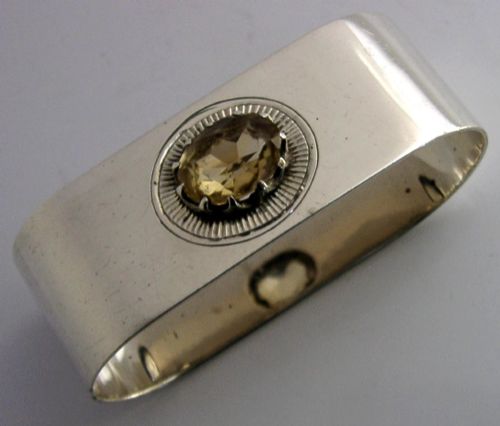
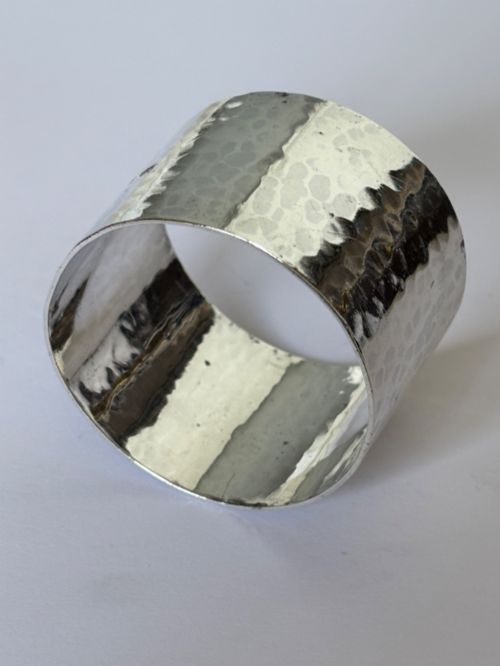
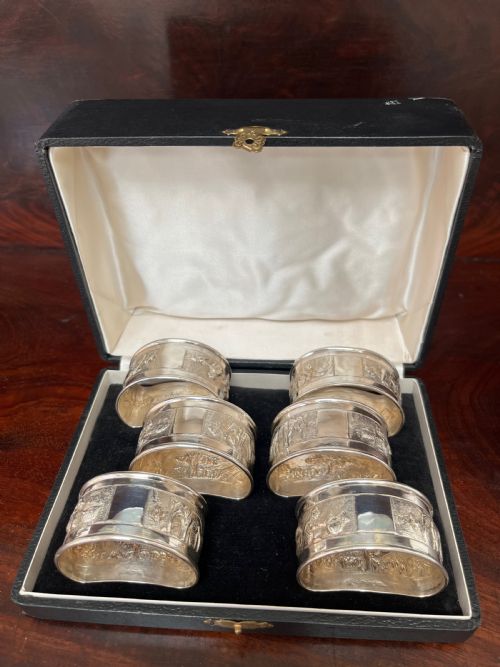
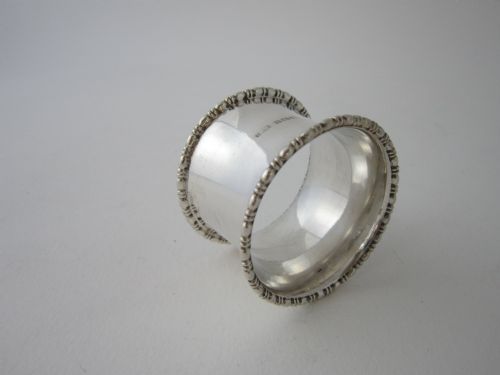
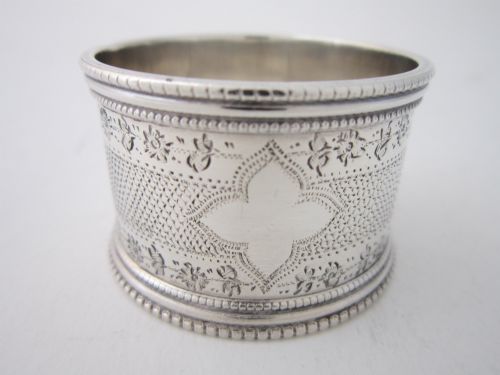
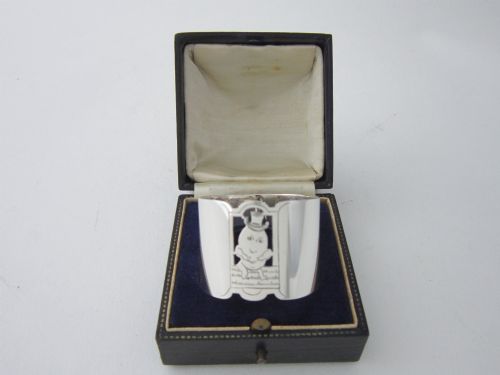
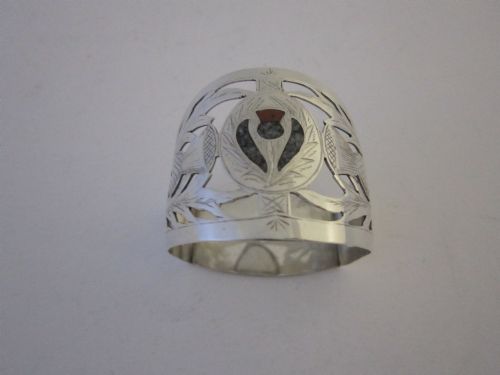
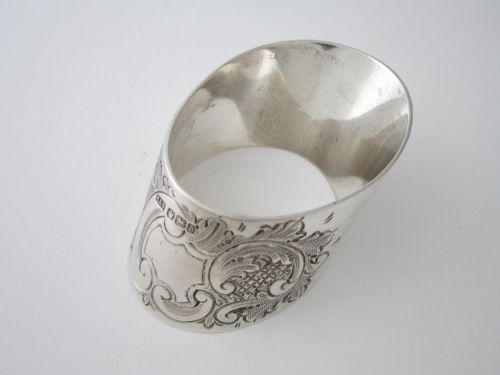
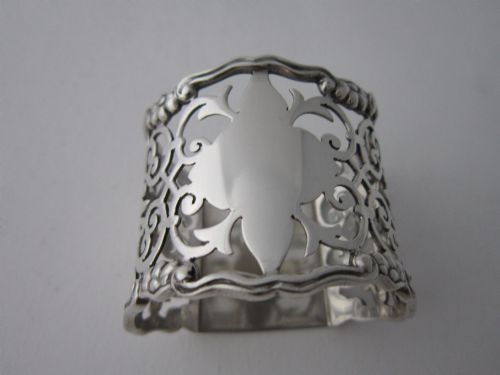
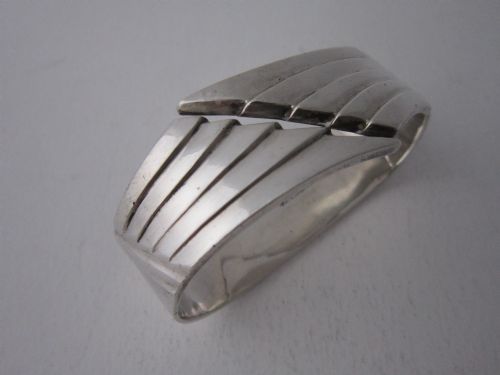
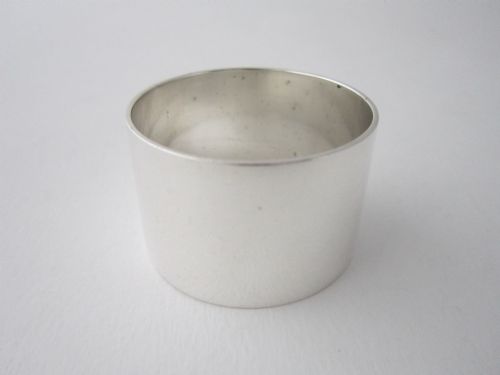
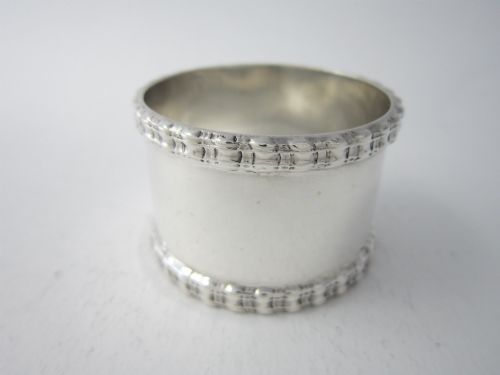
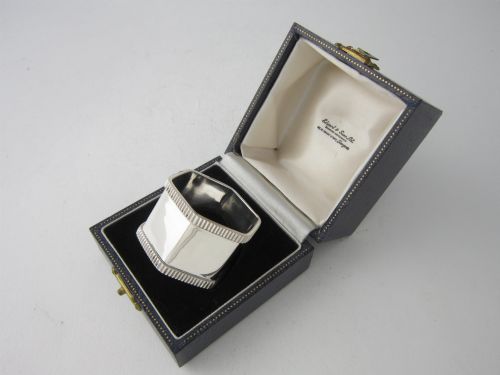
Makers also produced related domestic silverware such as napkin rings and desk items that share the same material palette and era characteristics. Buyers encounter both individual pieces and matched cased sets intended for gifting or formal dining.
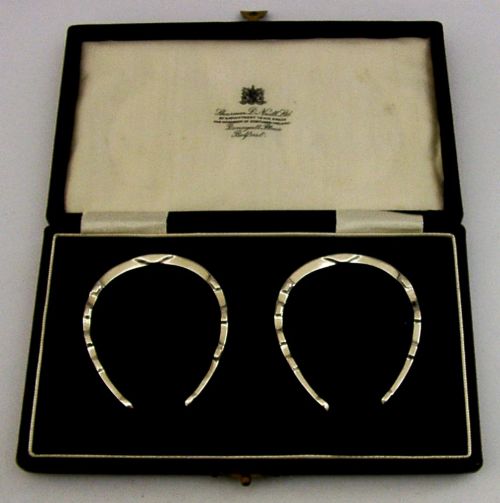
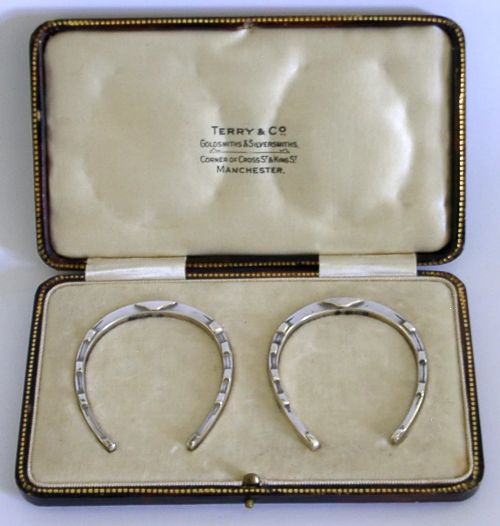
The materials span solid sterling silver and silver plate, often paired with interior linings of silk, velvet, or leatherette. Pieces range from simple cylindrical forms to novelty figures like horseshoe motifs and detailed bird designs.
Materials and construction methods
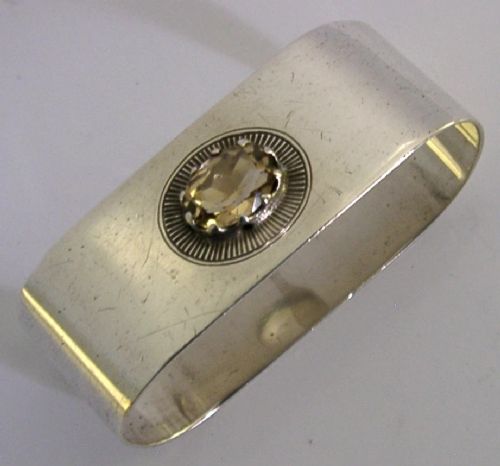
Silversmiths utilised sterling silver and silver plate as the primary structural metals, shaping them through hammering, casting, and piercing techniques. Many items incorporate decorative elements such as enamel work, citrine stones, or applied tortoiseshell mounts.
Fitted presentation boxes employ materials like leather and silk satin linings to secure the metal objects. Makers stamped hallmarks directly onto the silver surfaces to record the assay office, date letter, and maker's mark.
Several historical pieces take the form of miniature apples and birds to hold string.
Evaluating craftsmanship and detail
The standard of a piece rests upon the crispness of the hand-chased decoration and the weight of the metal utilised in its construction. Exceptional items display intricate figural modelling, such as horseshoes, birds, or novelty belt buckles, rather than plain geometric walls.
The presence of original fitted cases and legible hallmarks from noted makers elevates the status of an object. Superior examples retain intact interior linings of velvet or silk without significant wear to the underlying structure.
Albert Edward Jones·R. E. Stone·Georg Jensen·Hermes Paris·Levi and Salaman·Adie and Lovekin·C.T. Burrows and Sons·Mappin and Webb·Tiffany and Co·Liberty and Co·Cartier
The Silver Ring Holder Glossary
- Sterling silver
- An alloy consisting of 92.5 percent silver by mass, with the remainder composed of other metals like copper for durability. This standard metal appears across the majority of antique table and dressing items.
- Silver plate
- A layer of silver applied to a base metal core such as copper or nickel brass. This technique offered a more affordable alternative to solid sterling items during the nineteenth and twentieth centuries.
- Hallmark
- A series of official marks stamped onto precious metal items to guarantee the purity, origin, and year of manufacture. These symbols provide vital clues for dating pieces accurately.
- Ring tree
- A vertical stem mounted on a small base designed specifically to hold multiple rings. This form became popular during the Edwardian period for dressing table organisation.
- Tortoiseshell
- The mottled shell of certain turtle species used as an ornamental overlay on silver boxes and holders. Victorian and Edwardian artisans frequently combined this material with sterling silver mounts.
Silver Ring Holder: Frequently Asked Questions
What is a silver ring tree?
A silver ring tree is a small dressing table accessory featuring a vertical stem that holds several finger rings.
Victorian and Edwardian makers designed these pieces to keep daily jewellery secure and easily accessible.
How do I date my silver item?
Dating involves locating the set of punched hallmarks stamped into the metal surface.
These tiny symbols typically reveal the assay office, the maker, and a specific date letter corresponding to the year of manufacture.
Are these pieces solid silver?
The listings include both solid sterling silver items and silver-plated examples.
Examining the marks on the metal will clarify whether the piece is solid sterling or plated over a base metal.
How should I clean antique silver?
Antique silver benefits from gentle cleaning with a soft cloth and a specialised silver polish.
Harsh abrasive dips should be avoided to protect any delicate enameled details, tortoiseshell mounts, or original patination.