



Silver Religious Pendant
These silver religious pendant pieces are crosses and crucifixes worn close to the heart, offering tangible links to devotional history.
Silver Religious Pendant
A silver religious pendant takes the form of a cross or crucifix, often designed to be worn on a chain or pinned to clothing as a brooch. When you search for silver religious pendant, you find devotional items spanning the Georgian, Victorian, Edwardian, and mid-twentieth century eras.
Victorian and Edwardian iterations dominate the selection, frequently combining silver with gold inlay, mother-of-pearl, or gemstones. You will also encounter Continental workshop pieces and marked sterling silver crosses set with marcasite and enamel.
How they were made
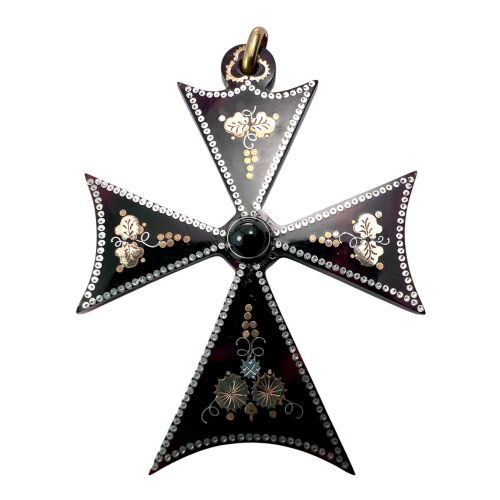
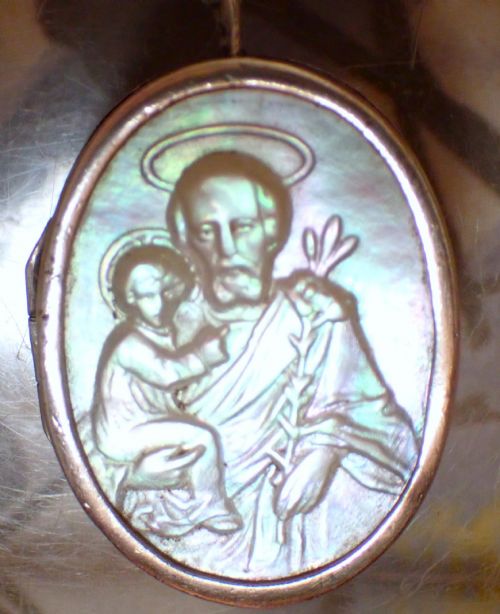
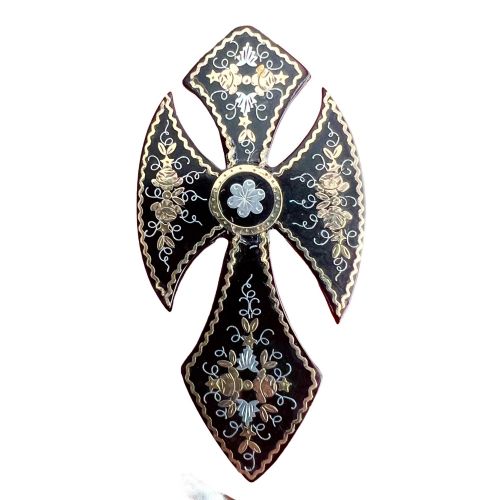
Maker techniques rely heavily on solid silver and sterling silver foundations, often enhanced with gold inlay or pique work. Carved mother-of-pearl and foiled gemstones such as amethyst and moonstone appear set directly into the metalwork.
Surface ornamentation utilises marcasite chips, black and red decoration, and fine engraving. Workshops employed hand-cutting, metal chasing, and structural assembly to join crucifix figures to backing crosses and locket compartments.
Silver Religious Pendant Retail Price Guide 2026
Typical asking prices for silver religious pendant among the pieces listed under this phrase on Sellingantiques today, from the lower quarter to the upper quarter. They describe what is for sale here now, not the wider market.
Materials documented across the inventory include mother-of-pearl, moonstone, amethyst, onyx, marcasite, gold, and silver.
What varies in quality
Quality rests in the precision of the metal inlay and the depth of the hand-carving on organic elements like mother-of-pearl. Superior examples display crisp definition in the corpus figure and secure stone settings rather than superficial surface glue.
The distinction between standard commercial production and finer workshop output lies in the integration of mixed metals and the clarity of hallmarks. Pieces bearing recorded maker signatures demonstrate a higher level of individual artistic execution.
Omar Ramsden & Alwyn Carr·Henry Cook
The Silver Religious Pendant Glossary
- Pendant
- A piece of jewellery that hangs from a necklace or chain. These items are designed to suspend freely against the wearer.
- Crucifix
- A cross bearing the figure of Jesus Christ. This specific form distinguishes devotional pieces from plain Latin crosses.
- Pique
- A technique of inlaying gold or silver into tortoiseshell or other dark materials. It creates intricate contrasting patterns across the surface.
- Marcasite
- Small faceted crystals of iron pyrite set into silver jewellery. They provide a dark metallic sparkle resembling cut steel.
- Foiled
- A method of placing a coloured metallic sheet beneath a gemstone to enhance its brilliance. This practice is common in Georgian and early pieces.
Silver Religious Pendant: Frequently Asked Questions
How do I wear a silver religious pendant?
These pieces generally suspend from a compatible chain or sit pinned as a brooch, depending on the original mount fitted to the reverse. Many examples feature integrated loops or hinged bails sized for traditional neck chains.
Selecting a chain requires matching the weight and silver tone of the pendant to ensure secure daily wear without straining the original suspension ring.
What materials were used besides silver?
Makers frequently combined silver with yellow gold inlay, contrasting metals to highlight the arms and centre of the cross. Gemstones such as amethyst, moonstone, and marcasite stones provide colour and texture alongside carved mother-of-pearl.
Enamel decoration and dark backing materials like tortoiseshell or onyx also appear across Victorian and twentieth-century examples.
How do I date a silver religious pendant?
Dating relies upon stylistic markers, material combinations, and any accompanying hallmarks stamped into the silver. Georgian pieces often feature foiled stones in closed settings, while Victorian items show heavier gold and silver pique work or locket backs.
Edwardian and Arts and Crafts examples lean towards hand-hammered surfaces, and mid-century items introduce modernist clean lines or specific marcasite layouts.
Were these pendants used as lockets?
Certain crucifix and cross designs incorporate hinged compartments or glass panels behind the main body to hold miniature portraits or locks of hair. These locket variants allowed the wearer to keep personal mementos close alongside their faith.
Examining the edges of the vertical shaft usually reveals a small thumbnail catch or tiny hinge if the cross opens.