





Silver Pocket Glass
These silver pocket glass pieces combine precious metalwork with portable glass for personal use on the move.
Silver Pocket Glass
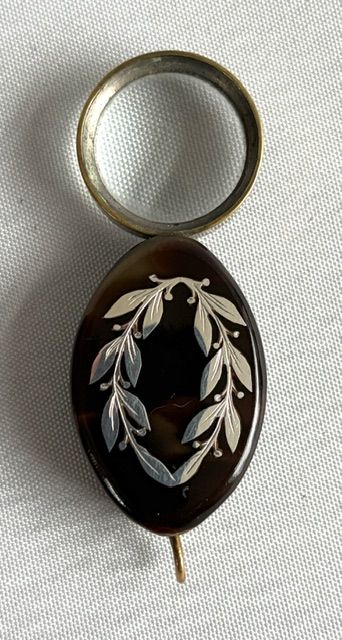
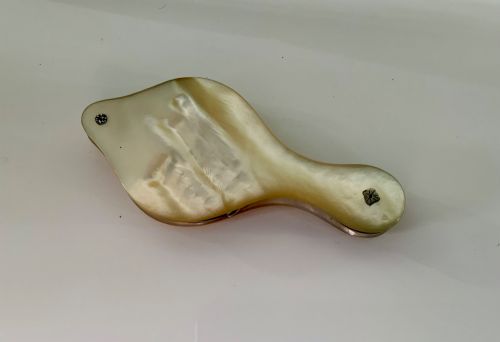
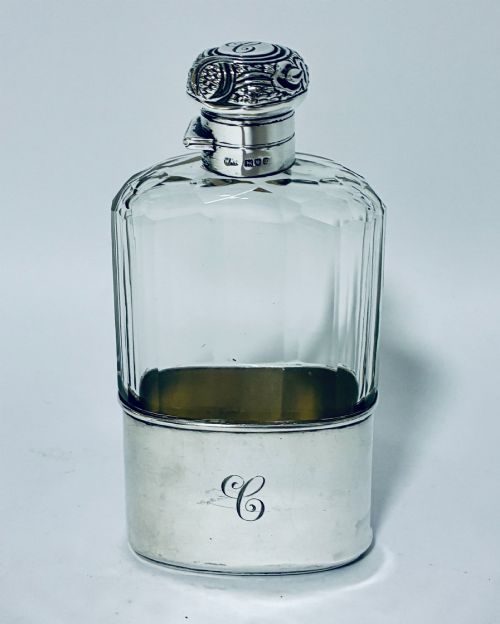
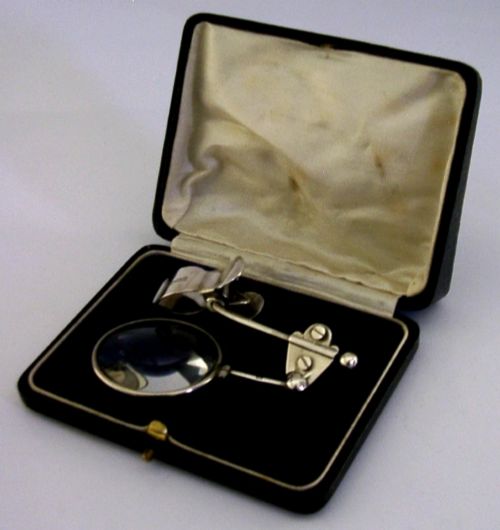
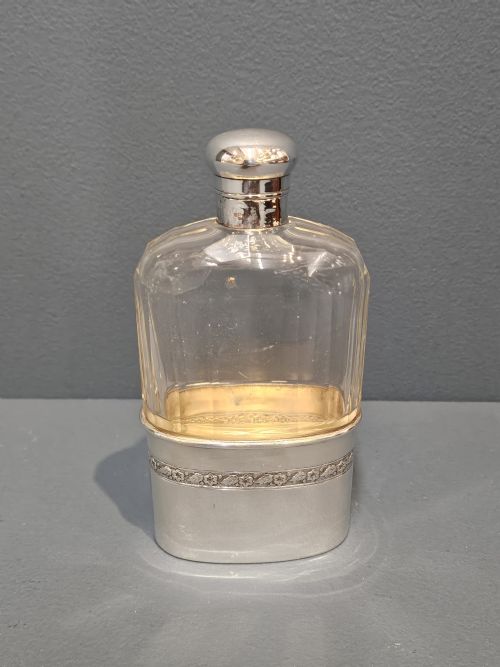
Silver pocket glass items encompass portable personal accessories that pair precious metal housings with functional glass components. The selection on this page leans heavily towards hip flasks, spirit flasks, and pocket magnifiers originating from the Victorian, Edwardian, and Interwar periods. Buyers frequently encounter glass body containers encased in sterling silver mounts, alongside framed glass magnifiers.
Materials and construction
Makers combined blown or cut glass vessels with sterling silver, silver plate, and sometimes leather or crocodile skin coverings. Glass bodies provided durable liquid containment or magnification, while silver mounts offered structural reinforcement and decorative elegance. Artisans utilised hammering techniques, hallmarks, and silver gilt finishes to elevate plain containers into luxury goods.
Leather and crocodile skin often wrapped around the midsections of flasks for grip and tactile contrast against polished silver rims and cups. Removable silver cups frequently capped the base of hip flasks, fitting snugly beneath screw caps. Cut glass and crystal surfaces featured moulded patterns or floral motifs beneath fitted metal collars.
Silver Pocket Glass Retail Price Guide 2026
Typical asking prices for silver pocket glass among the pieces listed under this phrase on Sellingantiques today, from the lower quarter to the upper quarter. They describe what is for sale here now, not the wider market.
A fly fishing thumb magnifier lets an angler inspect tiny trout flies while standing knee-deep in a Scottish river.
Standards of execution
Quality rests in the weight of the silver mounts, the clarity of the glass, and the precision of the fit between components. Superior pieces feature thick sterling silver collars, fully legible town and maker hallmarks, and heavy cut glass reservoirs without internal clouding. Lesser examples rely on thinner silver plate over base metal and lack the crisp detail found in specialised silversmith workshops.
The integrity of the closure mechanism and the presence of original detachable cups distinguish finer flasks from standard utility items. Maker attribution, such as work originating from established silversmiths, adds distinction to the surviving items. The harmony between tactile organic materials like crocodile leather and solid silver frames defines the upper tier of the range.
Asprey London·James Dixon And Sons·W A Ellwick Ltd
The Silver Pocket Glass Glossary
- Sterling silver
- An alloy containing ninety-two point five percent silver by mass, with the remainder being other metals, typically copper. This standard composition was used for the structural mounts and cups of pocket glass items.
- Silver gilt
- Sterling silver that has been coated with a thin layer of gold on its interior or exterior surfaces. This technique provided a luxurious golden finish and protected the silver from certain chemical reactions.
- Cut glass
- Glass that has been shaped and patterned by cutting facets into the surface using a wheel. It appears frequently on the bodies of spirit flasks from the Victorian period onwards.
- Hallmark
- An official mark stamped on items made of precious metals in the United Kingdom, verifying the purity of the metal, the maker, and the assay office. These marks help date pieces accurately.
- Spirit flask
- A small, portable container designed for carrying alcoholic beverages while travelling or engaging in outdoor pursuits. Many examples combine a glass body with a removable silver drinking cup.
Silver Pocket Glass: Frequently Asked Questions
What is a silver pocket glass?
A silver pocket glass is a portable item that combines silver metalwork with glass elements, such as a spirit flask or a pocket magnifier.
These pieces were designed for personal use while travelling, hunting, or going about daily life in past centuries.
How do I date these silver items?
Dating relies primarily on the stamped hallmarked letters, maker marks, and assay office symbols found on the silver mounts.
Stylistic cues like Victorian decoration, Edwardian proportions, or Art Deco geometric lines also help place the piece in a specific era.
Were these flasks used for whisky?
Yes, spirit flasks and hip flasks were specifically manufactured to carry whisky, brandy, or other spirits during outdoor activities.
The glass body allowed the owner to see the remaining contents, while the silver protected the vessel from impacts.
Are the cups on the flasks removable?
Many Victorian and Edwardian hip flasks feature a removable silver cup that slips over the bottom half of the glass body.
This cup served as a drinking vessel when the owner wanted to consume the contents away from home.