
Silver Platter
When you search for a silver platter, you find trays, salvers, and chargers spanning multiple centuries and regions.
Silver Platter
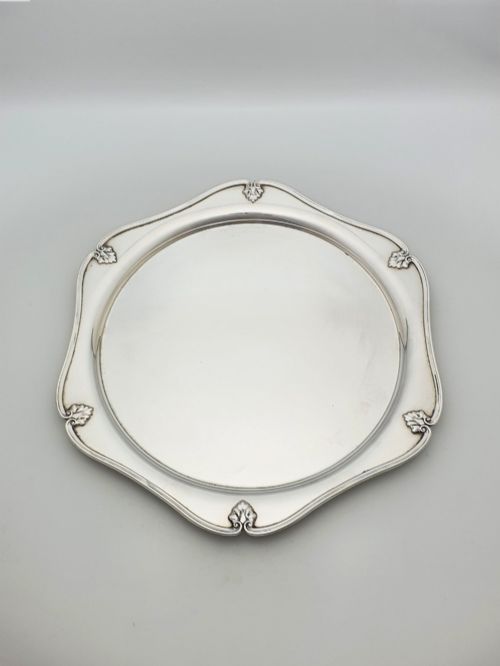
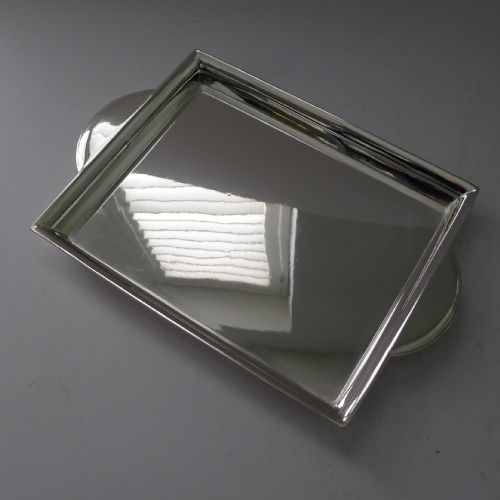
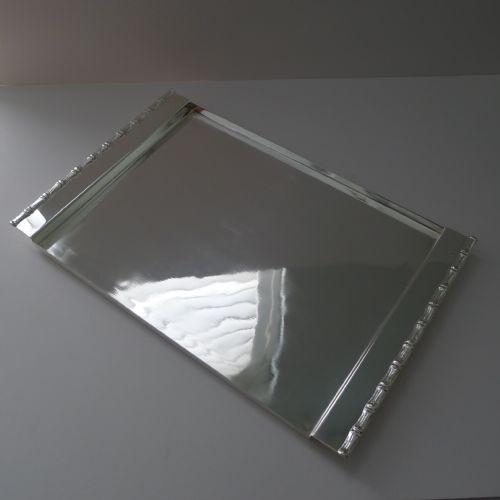
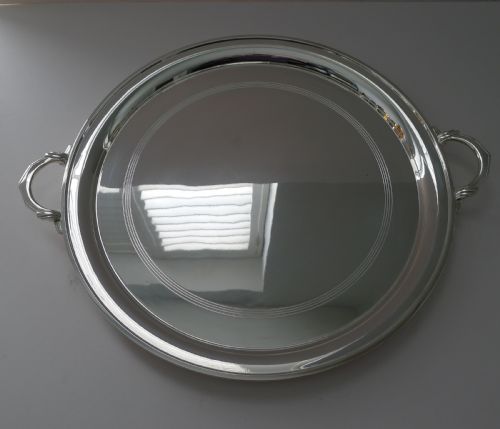
A silver platter encompasses various flat serving vessels, including cocktail trays, tea trays, salvers, and wall chargers. The pieces originate from periods spanning the eighteenth, nineteenth, and twentieth centuries, with Edwardian and Victorian examples appearing frequently.
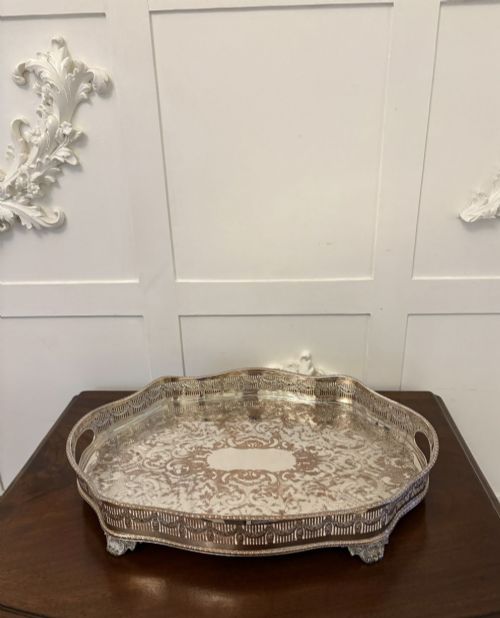
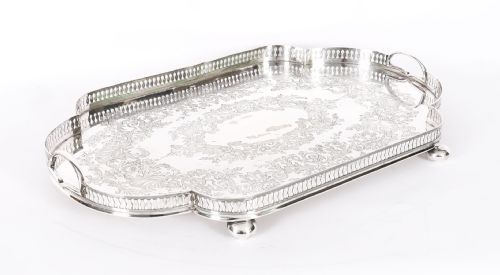
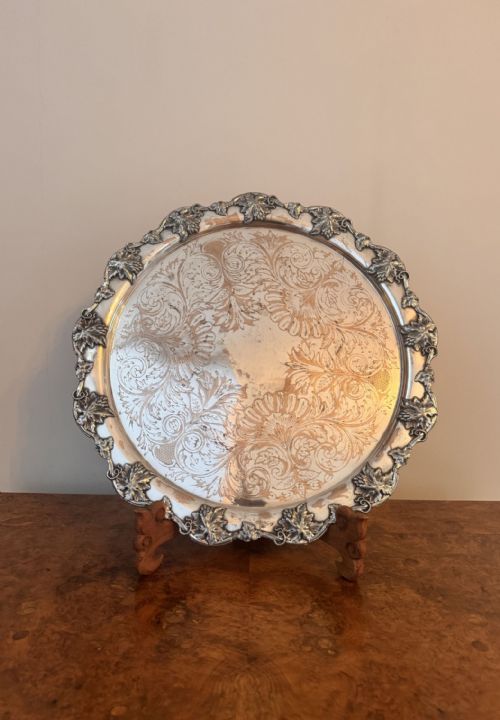
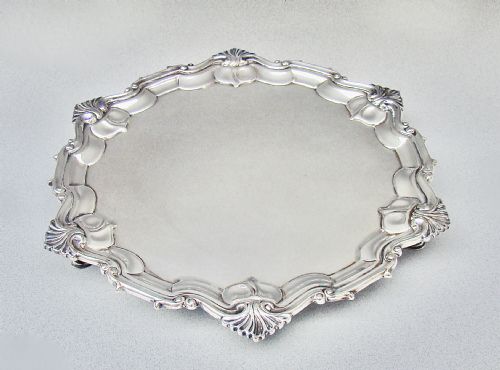
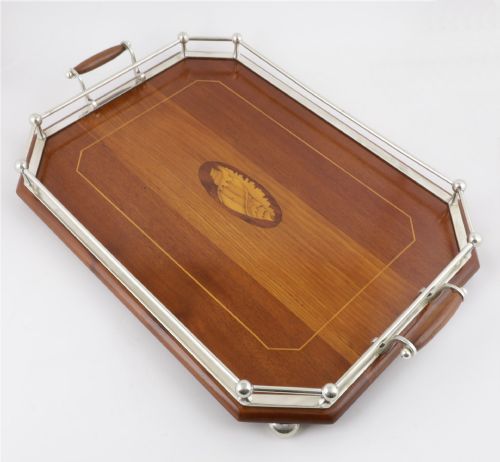
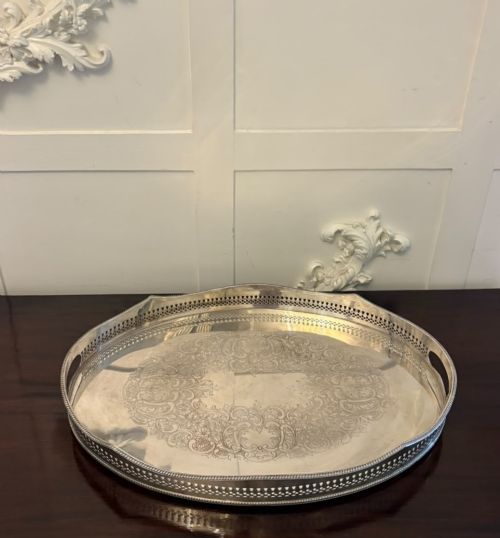
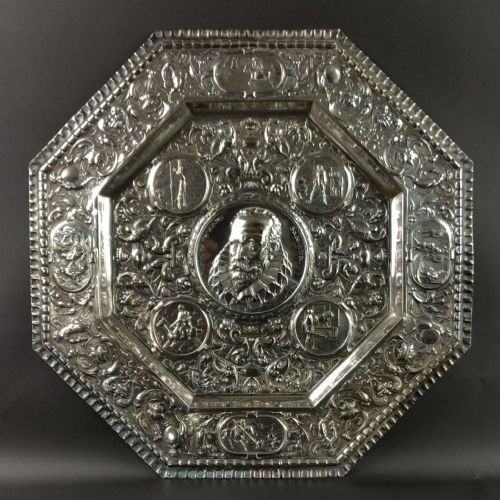
Makers shaped these items for specific domestic and display uses, ranging from formal afternoon tea service to holding drinks or displaying decorative motifs. Continental and British workshops produced forms varying from circular salvers to octagonal gallery trays.
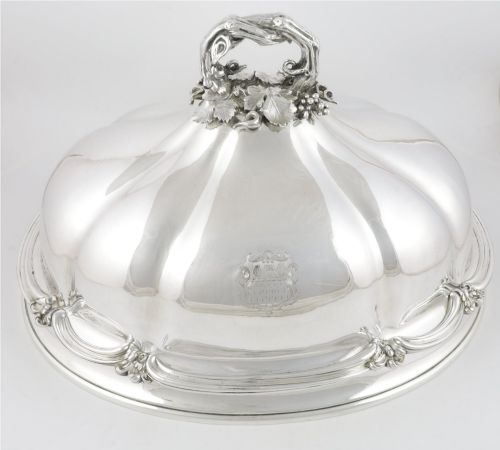
The selection includes specialised serveware such as entree dishes, meat covers, and footed bowls alongside standard trays. Anglo-Indian, Egyptian Revival, and Art Deco styles demonstrate the diverse geographic influences present in the available selection.
Materials and Techniques
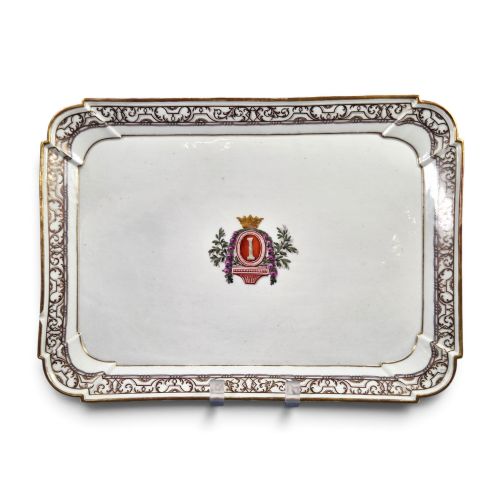
Many items utilise silver plate, electroplated nickel silver, or Old Sheffield plate applied over a base metal, while others consist of solid sterling silver. Makers also incorporated copper, mahogany, porcelain, and cut glass mirror panels into specific tray and charger designs.
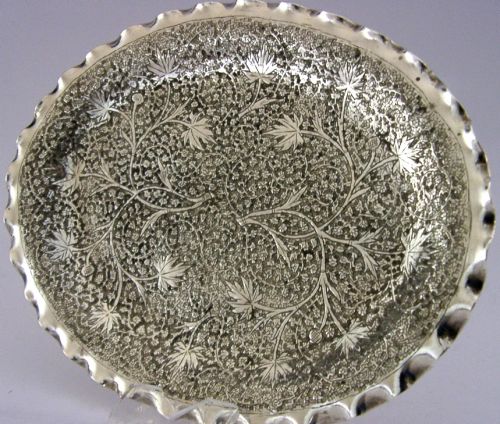
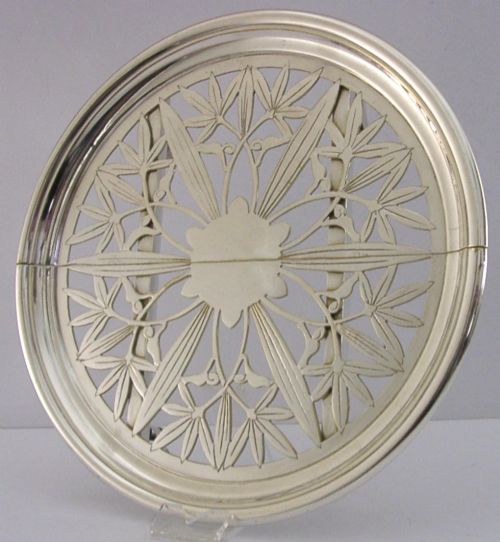
Craftsmen applied decorative techniques including repoussé work, hand engraving, piercing along borders, and silver inlay on copper. Details such as bamboo handles, grapevine borders, and shell inlay required specialised metalworking skills.
Listings feature items from the 18th Century through the 1960s, executed in silver plate, sterling silver, copper, and mahogany.
Evaluating Execution
The depth and clarity of repoussé ornamentation and hand engraving distinguish finer examples from simpler production. Crisply cast borders and substantial weight indicate higher grade manufacturing standards across both solid silver and plated pieces.
The integrity of the base metal and the preservation of the original plating or patina affect the overall execution. Superior pieces maintain crisp detail in motifs such as floral scrolls and figural scenes without excessive wear from polishing.
Christofle Paris·John Schofield London·Mappin And Webb·James Deakin·William Hutton And Sons·Thomas Bradbury And Sons
The Silver Platter Glossary
- Salver
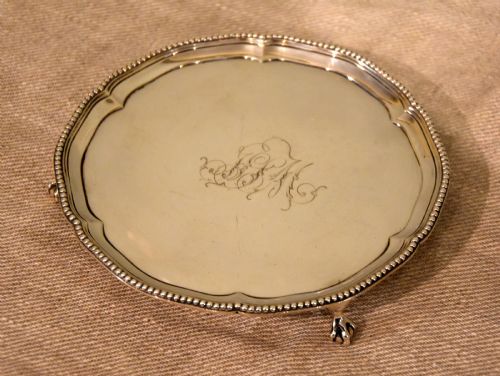
- A flat tray, typically circular and raised on feet, traditionally used for serving glasses or presenting letters. These pieces often feature engraved surfaces and decorative borders.
- Gallery tray
- A tray featuring a pierced or solid raised gallery wall around its perimeter to prevent items from sliding off. They frequently incorporate wooden bases.
- Old Sheffield plate
- An early form of plated metal produced by fusing a sheet of silver to a copper core. This technique predates modern electroplating methods.
- Repoussé
- A metalworking technique where the artisan hammers the design from the reverse side to create a raised relief pattern on the front. It appears frequently on Victorian and Anglo-Indian items.
- EPNS
- An abbreviation for electroplated nickel silver, designating a base metal of nickel, copper, and zinc coated with a layer of silver through electrolysis.
Silver Platter: Frequently Asked Questions
How do I clean a silver plated tray?
Use a specialised silver polish and a soft cloth to gently remove tarnish without scrubbing. Avoid abrasive materials that can wear away the thin plated layer.
Rinse the piece with warm water and dry it thoroughly immediately afterward to prevent water spots and preserve the finish.
Can I use these trays for serving food?
Most pieces function well for serving dry foods, drinks, or afternoon tea items. Consider the original purpose and the condition of the surface before serving uncovered items.
Silver and silver plate are generally safe for food service, though acidic foods should not be left on the metal for extended periods.
What is Old Sheffield plate?
Old Sheffield plate is an early composite material created by fusing silver to a copper ingot before rolling them into sheets. This method produces a distinct edge where the copper base metal may subtly show.
Pieces made with this technique date from the eighteenth and early nineteenth centuries before electroplating became common.
How do I date an antique silver tray?
Examine any stamped hallmarks, maker marks, or retailer signatures on the metal surface. Date letters and town marks on British sterling silver provide specific year identification.
Stylistic indicators such as Art Deco geometric lines or Victorian rococo repoussé floral borders also help narrow down the period of manufacture.