

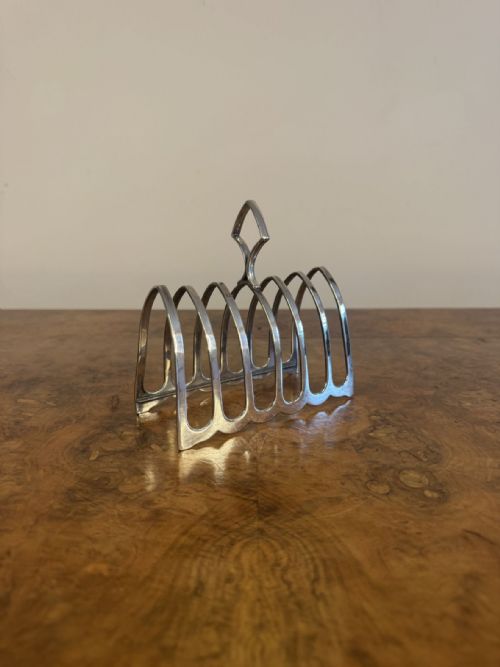
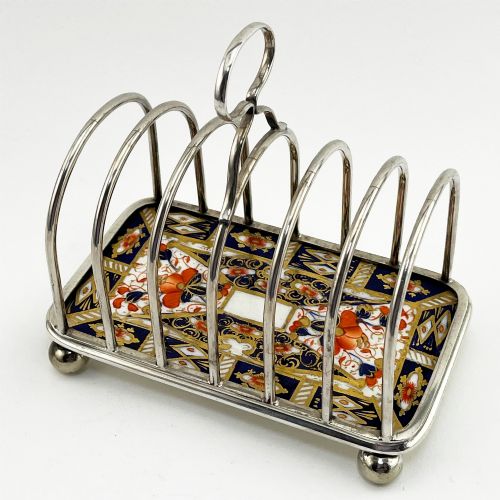


Silver Plated Toast Holder
A silver plated toast holder is a table accessory designed to keep crisp slices separate, and you want one for its distinct period craftsmanship.
Silver Plated Toast Holder
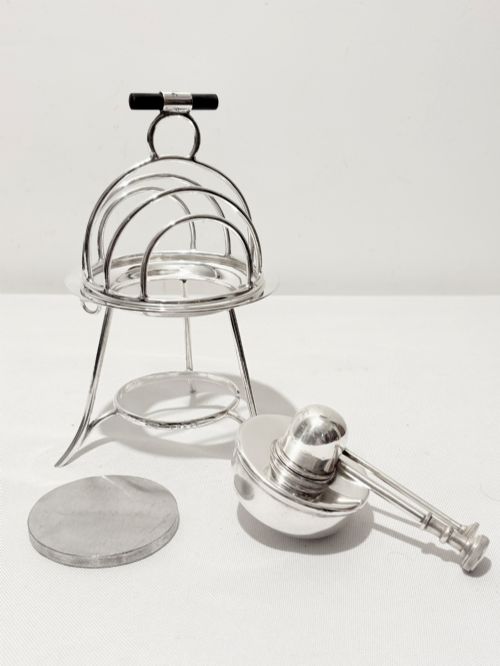
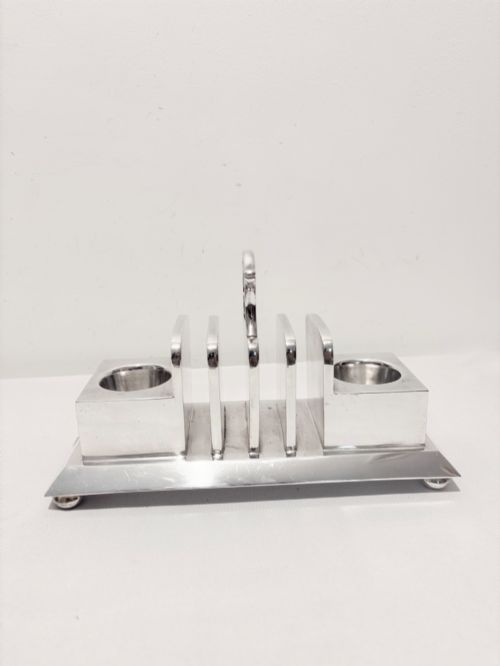
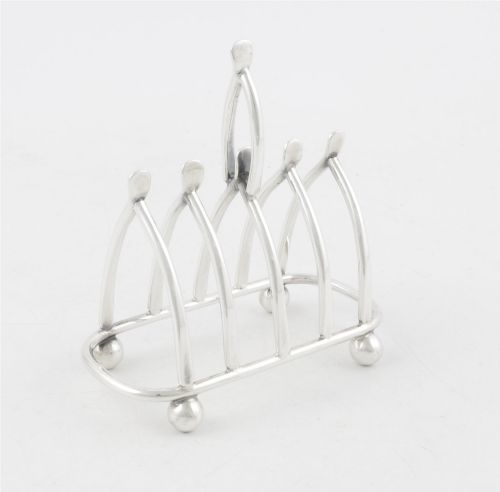
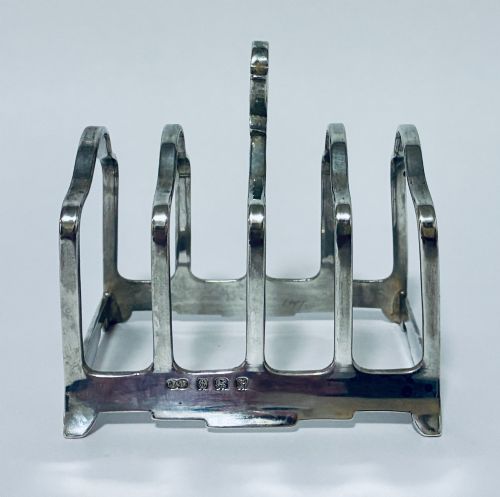
A silver plated toast holder, also known as a toast rack, is a specialised breakfast table accessory designed to hold individual slices of toast upright so the crusts remain crisp. When you search for silver plated toast holder, you encounter forms that date from the Georgian era through to the Art Deco period, with Victorian examples appearing frequently.
Originating primarily from English workshops, these utensils reflect the changing domestic habits of the nineteenth and early twentieth centuries. You find simpler utilitarian items alongside extendable frames and specialised shapes such as trefoils, hearts, and wishbones.
How they were made
Makers produced these racks using base metal or electroplated nickel silver as a core substrate, subsequently applying a layer of silver plate to the exterior surface. This electroplating technique, developed significantly during the nineteenth century, allowed manufacturers to achieve the lustre of solid silver at a more accessible production cost.
Certain hybrid forms incorporate contrasting solid oak bases fitted with metal dividers and carrying handles. The individual loop dividers are soldered or secured to a central tray base, often incorporating ball feet or wire feet for stability on the dining table.
Silver Plated Toast Holder Retail Price Guide 2026
Typical asking prices for silver plated toast holder among the pieces listed under this phrase on Sellingantiques today, from the lower quarter to the upper quarter. They describe what is for sale here now, not the wider market.
Listings feature periods from the Georgian era through to 1930, utilising silver plate, solid oak, and base metal.
What varies in quality
The distinction between standard production items and superior examples lies in the inventiveness of the design and the precision of the metalwork. Pieces bearing attribution to prominent designers or established makers demonstrate a higher grade of finishing in the wire loops and structural joints.
Novelty forms and extendable mechanisms represent a greater degree of artisan skill than fixed, symmetrical wirework layouts. The preservation of the original silver plate layer across high-handling areas such as the central carrying loop also dictates the standing of an individual piece.
Elkington·Hukin & Heath
The Silver Plated Toast Holder Glossary
- Electroplated Nickel Silver
- A copper, nickel, and zinc alloy base coated with a layer of pure silver through an electrolytic process. This material served as the primary foundation for the majority of Victorian and Edwardian hollowware.
- Novelty Toast Rack
- A functional breakfast accessory shaped to resemble an unrelated object, such as a railway wagon, a caravan, or a wishbone. These pieces combined utility with Victorian whimsy.
- Trefoil
- A three-lobed decorative motif or structural configuration often utilised in the footprint of wirework frames. In these racks, the loops or base plates follow a clover-like geometry.
- Aesthetic Movement
- A late nineteenth-century design style that emphasised visual beauty over narrative or moral function. Pieces from this period often display refined, non-industrial lines.
- Modernist
- A twentieth-century design philosophy stripping away historical ornament in favour of stark geometric utility. Christopher Dresser creations exemplify this approach through functional abstraction.
Silver Plated Toast Holder: Frequently Asked Questions
What is a toast holder used for?
These table accessories hold hot slices of toast upright on the breakfast table. Keeping the bread separated prevents steam from softening the crusts before serving.
Historically, they sat alongside butter dishes and tea services in middle and upper-class dining rooms. Today, collectors utilise them for toast, crispbreads, or as desktop letter organizers.
How do I clean silver plate?
Clean silver plate using a gentle, non-abrasive silver polish and a soft cloth to protect the underlying metal layer. Avoid harsh chemical dips that can strip the plating from high-friction areas.
Wash the rack in warm, soapy water after use and dry it immediately with a lint-free cloth. Proper drying prevents moisture spotting on the plated surface.
Are these pieces made of solid silver?
Most items found in this category consist of a base metal or electroplated nickel silver core covered in a thin layer of silver. Manufacturers used plating to provide the appearance and corrosion resistance of solid silver at a lower production cost.
Makers often stamped their pieces with specific marks indicating the plating method or manufacturer. Solid silver examples occur less frequently in this specific tabletop form.
Why do some toast racks hold letters?
Many Victorian and Edwardian wirework frames served dual household functions as breakfast table toast racks or desk tidy letter holders. The spacing between the metal loops accommodated either thin slices of bread or incoming morning correspondence.
Makers designed these versatile domestic items to transition easily from the dining room to the study. This crossover utility makes surviving examples popular for contemporary desk organisation.