
Silver Plated Table Lights
Silver plated table lights bring a warm glow to a room, offering the elegance of solid silver through durable plated metal forms.
Silver Plated Table Lights
Silver plated table lights encompass a varied selection of antique lighting fixtures designed to illuminate dining spaces and living rooms. When exploring silver plated table lights, you encounter objects spanning the eighteenth, nineteenth, and twentieth centuries, originating from British and European workshops.
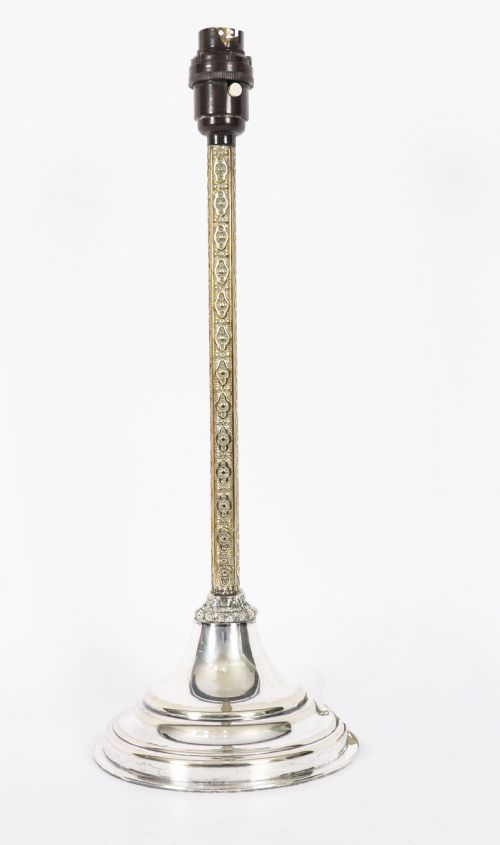
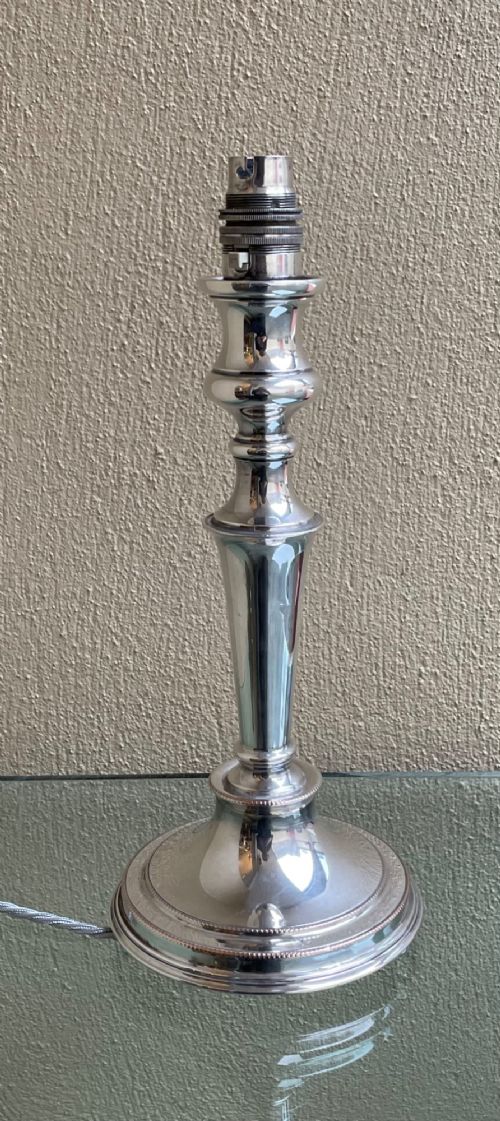
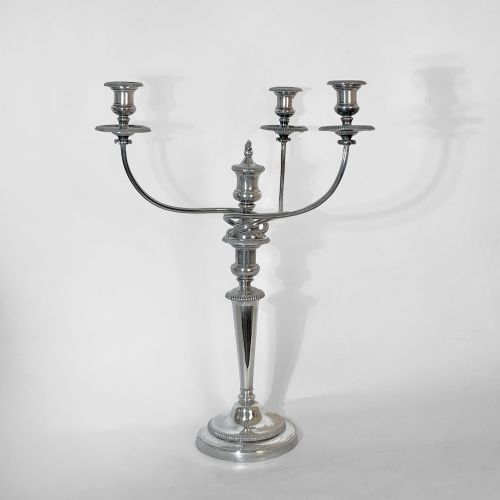
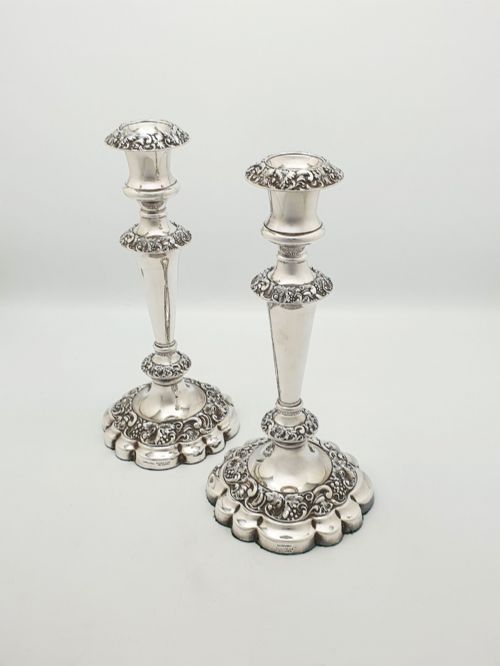
The assortment relies heavily on candlesticks, multi-light candelabra, and converted oil lamps alongside dedicated table lamps. Many examples date from the Victorian and Edwardian eras, displaying classical revival motifs adapted for domestic use.
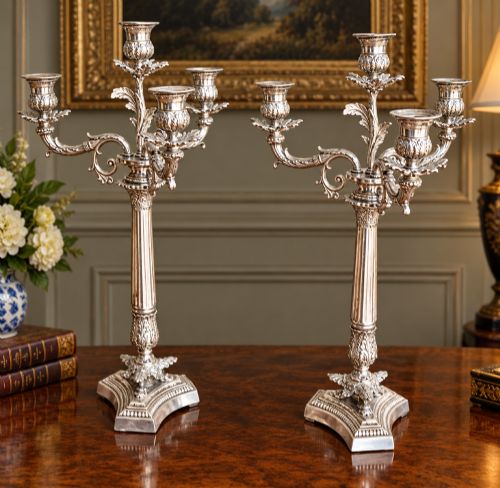
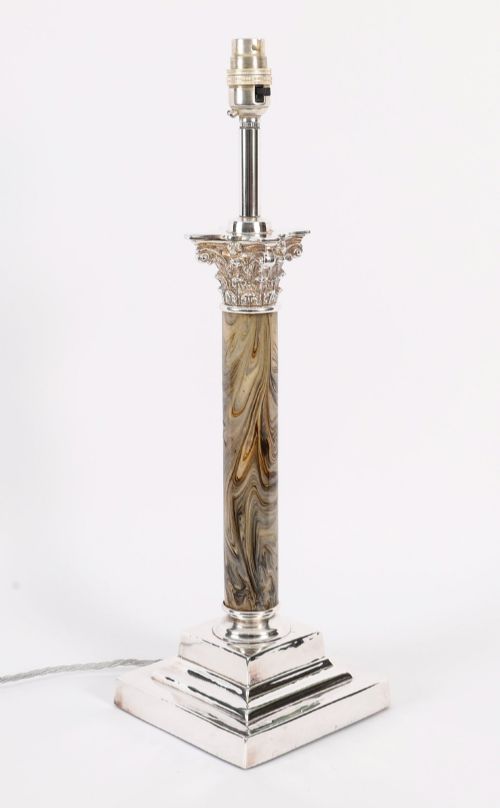
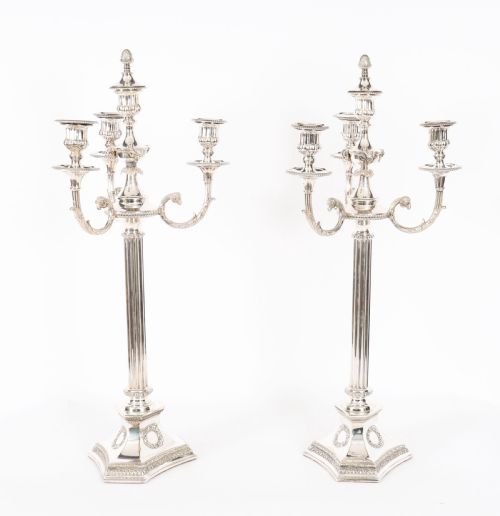
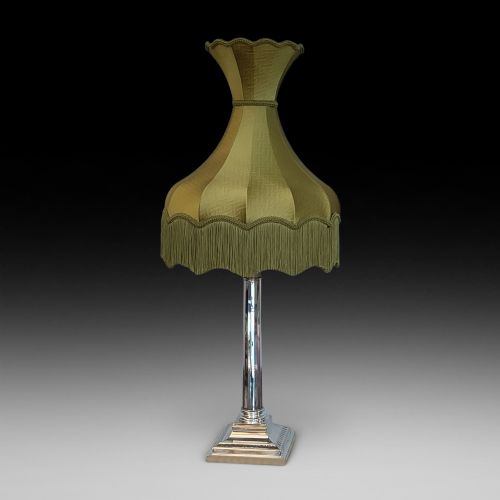
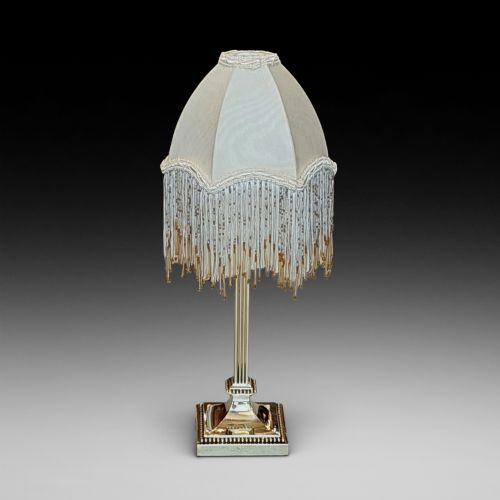
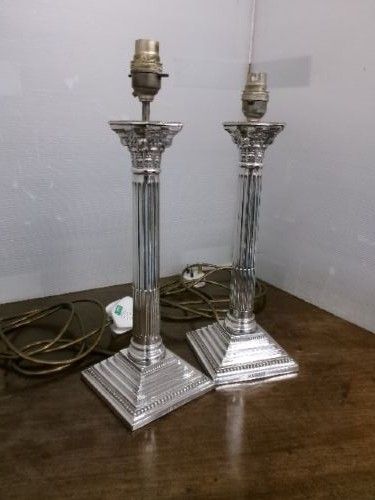
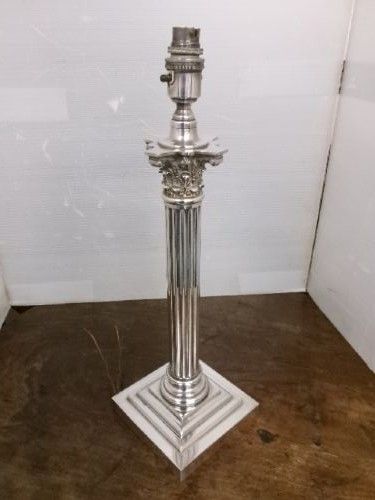
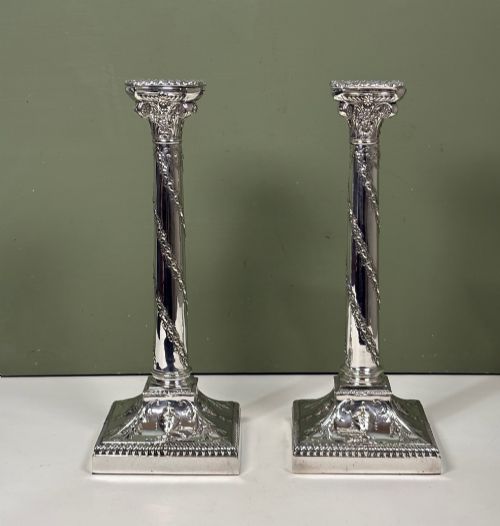
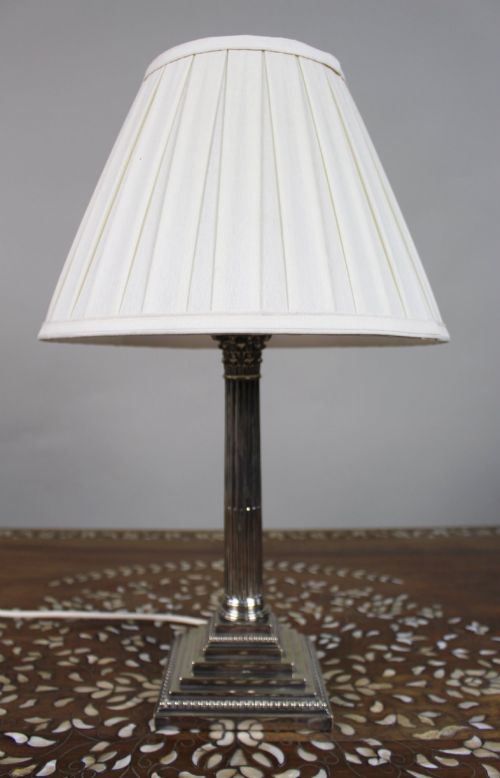
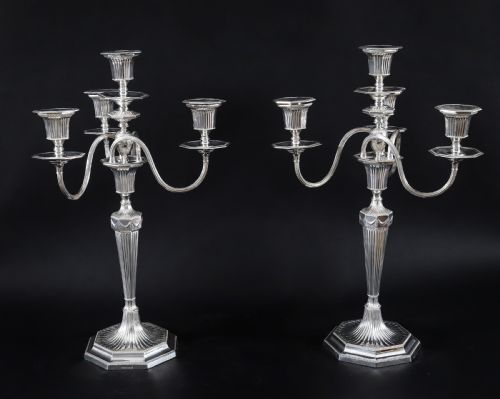
Makers utilised durable base metals such as brass, copper, and electroplated nickel silver beneath a layer of silver. Corinthian column designs and ornate multi-branch candelabra dominate the selection, often found as matched pairs suitable for mantelpieces or sideboards.
How they were made
Silversmiths applied thin sheets of silver to base metals using early fusion methods like Old Sheffield Plate, or later electroplating techniques involving an electrical current. Structural components such as columns, bases, and bobeches were cast or spun separately before being soldered or screwed together.
Detailing on these pieces often involved applied cast mounts, chased enrichment, and parcel gilt highlights to accentuate decorative borders. Weighted bases filled with pitch, resin, or wood were commonly employed to provide stability to tall candlesticks and multi-light candelabra.
Certain nineteenth century dining table centerpieces include palm tree motifs and figural cavaliers, bringing theatrical storytelling straight to the dinner party.
What varies in quality
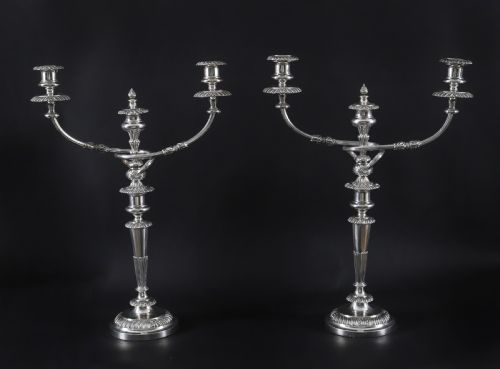
The standard of a piece depends heavily on the crispness of the cast ornamentation and the thickness of the original plating layer. Superior examples retain sharp acanthus leaves on Corinthian capitals and well-defined gadrooned borders without excessive wear exposing the base metal.
Construction weight and the balance of multi-branch candelabra distinguish finer workshop output from standard commercial production. Maker marks from established firms indicate higher standards of design and metalwork execution.
Mappin & Webb·Hawksworth Eyre·Garrard & Co·Matthew Boulton·Smith & Sissons & Co·Goldsmiths and Silversmiths Company
The Silver Plated Table Lights Glossary
- Old Sheffield Plate
- An early method of fusing a thin sheet of silver to a copper ingot before rolling them into sheets together. This technique often reveals a thin line of copper along cut edges.
- Electroplated Nickel Silver
- A process introduced in the nineteenth century where a layer of silver is deposited onto a nickel alloy base using electricity. It quickly superseded older fusion methods for mass production.
- Candelabra
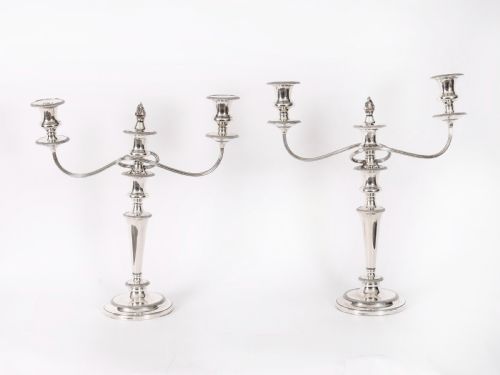
- A branched lighting fixture holding multiple candles or lamp fittings. These often feature detachable branches allowing them to function as single candlesticks.
- Corinthian Column
- A classical architectural column style featuring an ornate capital decorated with acanthus leaves. It became a favoured motif for nineteenth century table lamps and candlesticks.
- Bobeche
- A small removable disc or pan fitted just below the candle nozzle to catch drips of melted wax. They help protect the main body of the candlestick from residue.
Silver Plated Table Lights: Frequently Asked Questions
How do I clean silver plated lamps?
Use a soft cloth and a specialised silver polish formulated for plated items to maintain the shine without removing the thin metal layer.
Avoid abrasive cleaners or harsh scrubbing pads that can strip the silver plating away from the underlying brass or copper base.
Can antique candlesticks be wired for electricity?
Many antique candlesticks and oil lamps are converted into electric table lamps to suit modern domestic lighting needs.
Professional conversion typically preserves the original structure while running wiring safely through the centre without causing permanent damage.
What is the difference between Sheffield plate and electroplate?
Sheffield plate involves mechanically fusing silver and copper sheets under heat prior to shaping the metal into an object.
Electroplate uses an electrical bath to bond silver particles onto a nickel silver or base metal foundation at a later date.
How do I identify the age of a table light?
Examine the stylistic motifs, construction methods, and any stamped maker marks or registry numbers found on the base or drip pans.
Victorian pieces often display heavy neoclassical revival details, while Edwardian examples lean towards lighter, refined classical proportions.