

Silver Plated Platter Tray
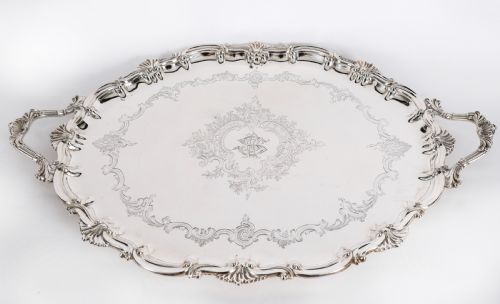
A silver plated platter tray brings enduring hospitality to the table, offering a polished surface for serving drinks and afternoon tea.
Silver Plated Platter Tray
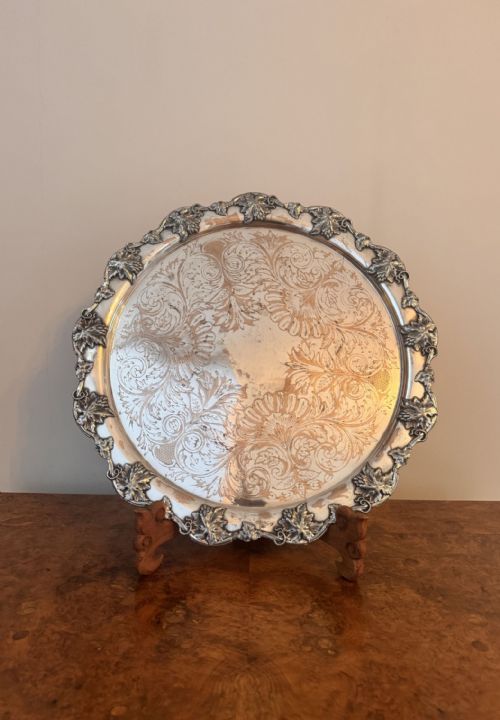
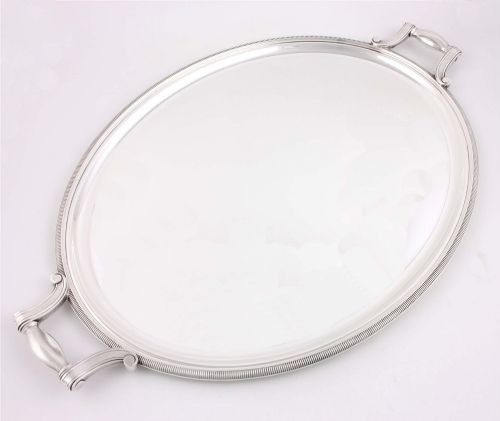
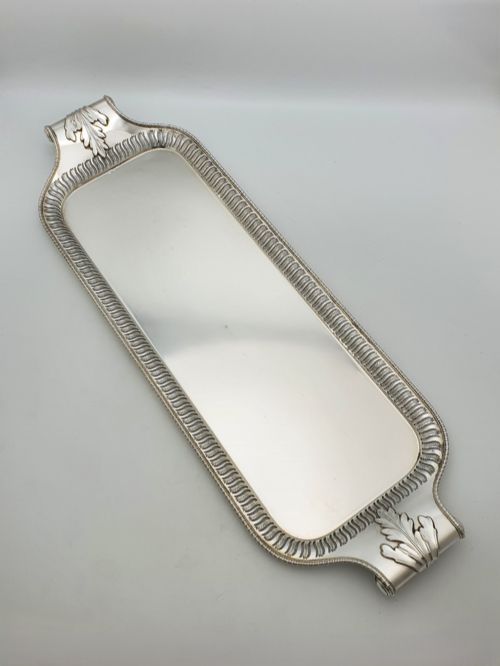
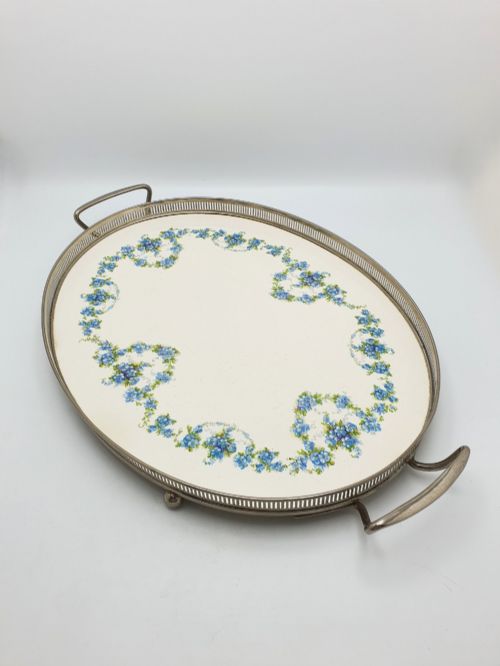
A silver plated platter tray serves as a functional centrepiece for entertaining, spanning forms from simple tea service bases to elaborate drinks and cocktail servers. The selection ranges widely across the Victorian, Edwardian, and Art Deco periods, capturing shifts in domestic dining habits over more than a century.
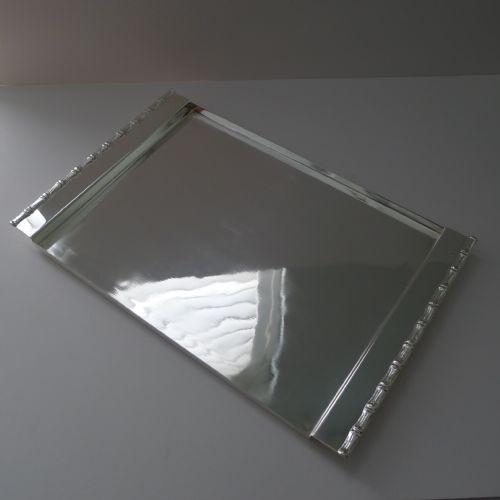
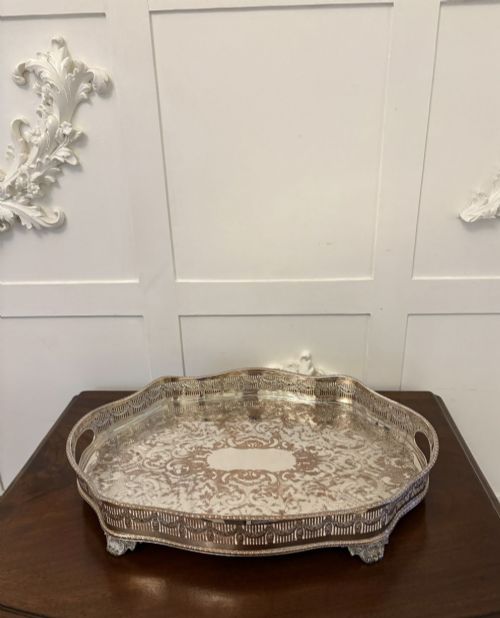
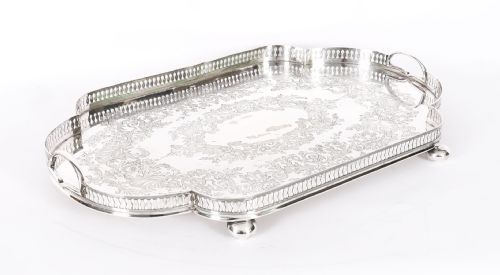
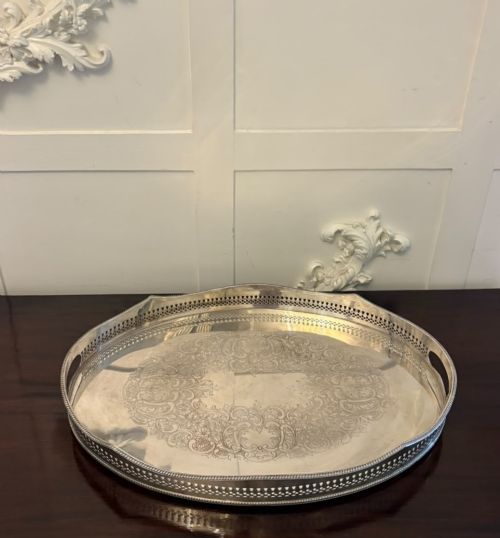
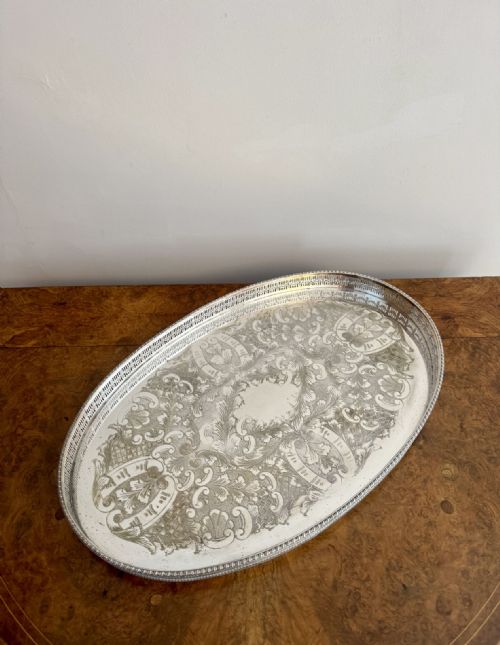
Edwardian and Victorian examples frequently feature pierced galleries, engraved surfaces, and robust handles designed for steady carrying during formal gatherings. Later Art Deco and Mid-Century Modern iterations favour geometric shapes, clean lines, and integrated bamboo or shell details.
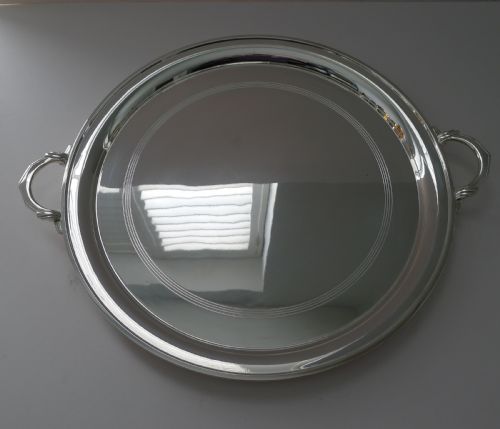
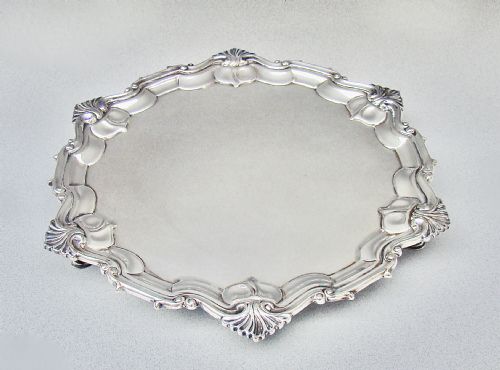
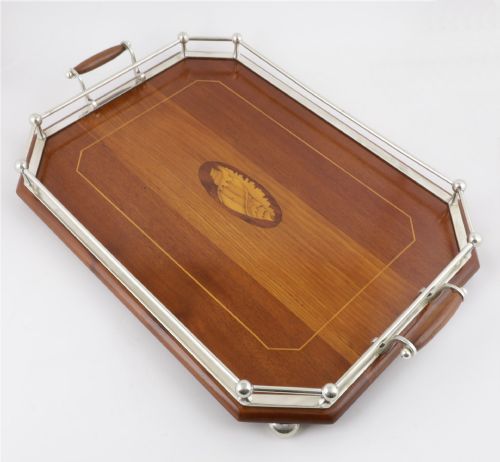
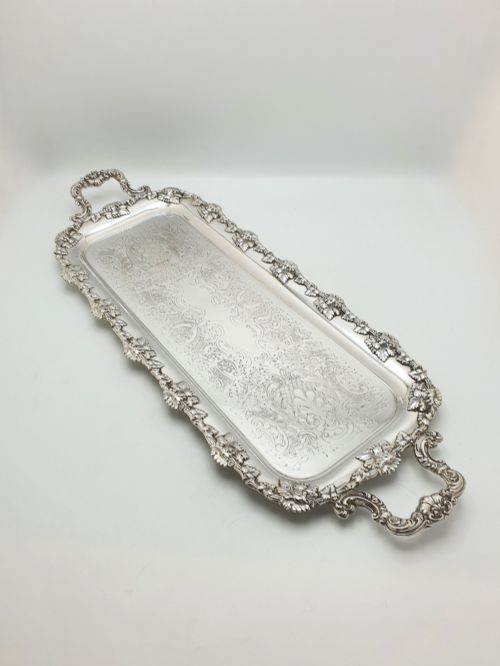
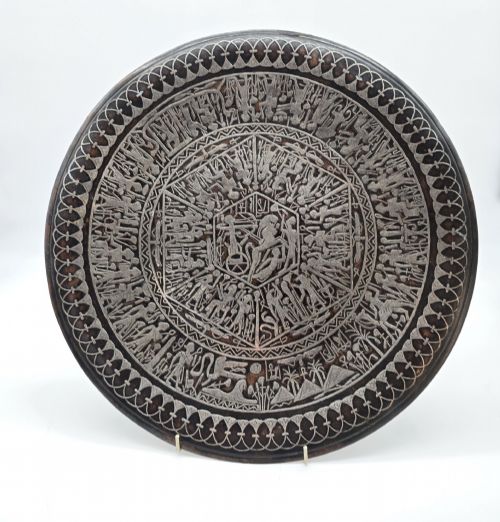
Shoppers will encounter various configurations including oval, circular, octagonal, and rectangular formats, alongside specialised wall chargers and gallery trays. These pieces bridge utilitarian needs and decorative display, reflecting the social rituals of their respective eras.
How they were made
Manufacturers built these trays using base metals such as copper, bronze, nickel silver, and electroplated nickel silver as a foundation for silver plating. Master craftsmen applied techniques like piercing, repoussé, engraving, and embossing to decorate borders and central fields with floral motifs, scrolls, or geometric patterns.
Makers also incorporated mixed materials, combining silver plate with inlaid mahogany, wood, and shell to create textural contrast. Older items utilise Old Sheffield Plate methods, fusing a thin layer of silver to a copper core before shaping and finishing.
Several trays managed to survive generations of afternoon tea without suffering a single dent from an over-enthusiastic Victorian teapot.
What varies in quality
The distinction between standard and superior pieces rests on the crispness of the chased or engraved detailing and the substantial weight of the underlying metal. Trays bearing the marks of recognised makers demonstrate superior smithing, heavier plating durability, and more rigidly constructed handles and galleries.
Fine examples display harmonious proportions and meticulous finishing around soldered mounts, pierced borders, and inset wooden bases. Lesser pieces show mechanical shortcuts, thinner plating that wears to the base metal, and weaker structural joins.
Keith Murray For Mappin & Webb·James Deakin·William Hutton & Sons·Mappin & Webb·Thomas Bradbury & Sons·John Harrison·Walker & Hall·Padley Parkin·Christofle
The Silver Plated Platter Tray Glossary
- Electroplated Nickel Silver
- A base alloy of copper, nickel, and zinc coated with a layer of pure silver via an electrolytic process. This material became the dominant standard for manufacturing durable domestic tableware from the mid-nineteenth century onward.
- Gallery Tray
- A serving tray featuring an elevated pierced or solid metal gallery border around the perimeter. This architectural rim kept decanters and glassware secure while being transported.
- Old Sheffield Plate
- An early composite material created by fusing a sheet of silver to a thick copper ingot under heat and pressure. Pieces made this way reveal a thin line of copper along cut edges upon close inspection.
- Salver
- A flat, often footed serving vessel traditionally used for presenting letters, glasses, or visiting cards. In silver plate, these frequently appear in circular formats with decorative scalloped or pie-crust rims.
- Repoussé
- A metalworking technique where the artisan hammers the design from the reverse side to form a raised pattern in relief. This method creates tactile floral and scrollwork borders on serving platters.
Silver Plated Platter Tray: Frequently Asked Questions
How do I clean a silver plated tray?
Use a specialised silver polish and a soft microfiber cloth to gently remove tarnish without abrading the thin silver layer. Avoid harsh chemical dips that can strip the finish, particularly on antique pieces with copper bleed.
Rinse the tray thoroughly in warm soapy water and dry it immediately with a soft towel to prevent water spots and preserve the polished shine.
Can I use these trays for serving food?
Most silver plated platters are well suited for presenting dry foods, cakes, and bottled drinks during social gatherings. Acidic foods should not be left in direct contact with the surface for extended periods to avoid damaging the plating.
Lining the tray with a decorative doily provides a protective barrier between silver and food items while maintaining a traditional presentation style.
How can I tell a Victorian tray from an Edwardian one?
Victorian serving trays often display heavier ornamentation, deep floral engraving, and elaborate grapevine or scroll borders reflecting high Victorian tastes. They tend to feel exceptionally heavy and frequently incorporate robust cast handles.
Edwardian pieces generally lean towards lighter constructions, featuring refined pierced galleries, neoclassical motifs, and geometric Sheraton Revival influences tailored for afternoon tea.
What is the difference between EPNS and solid silver?
EPNS consists of a base metal core coated with a thin outer layer of pure silver, whereas solid silver is uniform throughout. Electroplated items offer the visual appeal and lustre of silver at a more accessible weight and cost.
Examining stamped hallmarks on the underside reveals maker marks that designate whether the piece is plated or solid.