




Silver Plated Pail
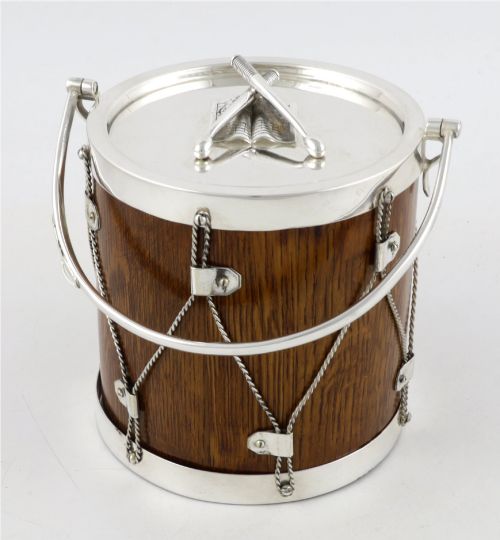
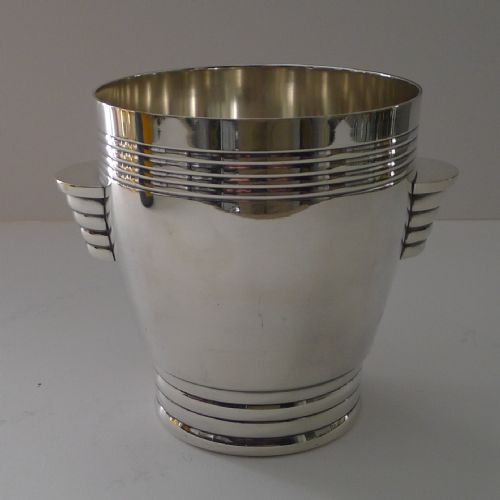
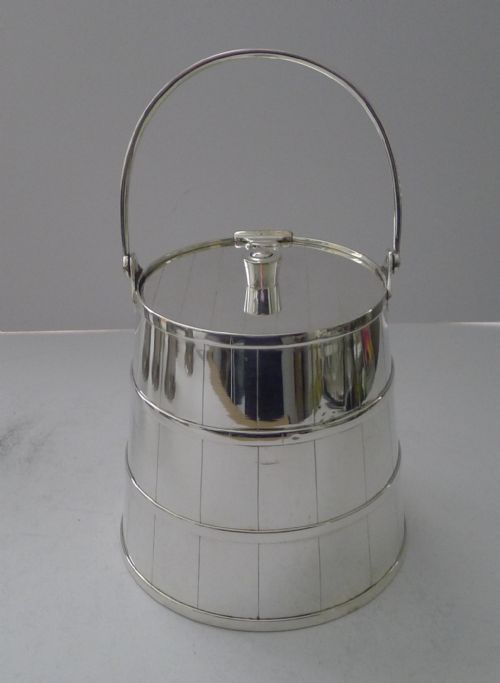
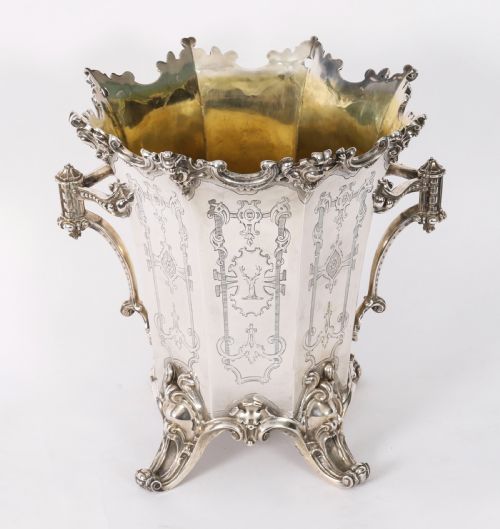
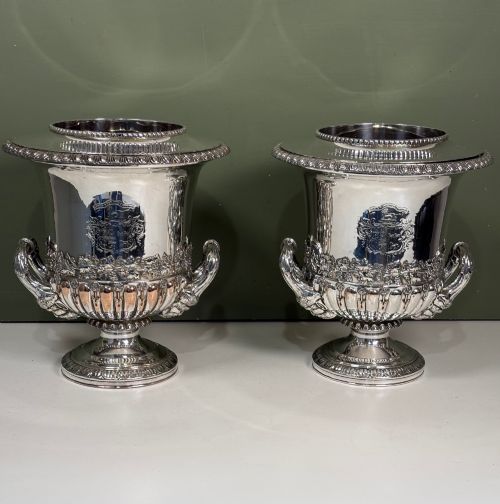
A silver plated pail brings functional elegance to any room, serving as an ice bucket, wine cooler or biscuit barrel.
Silver Plated Pail
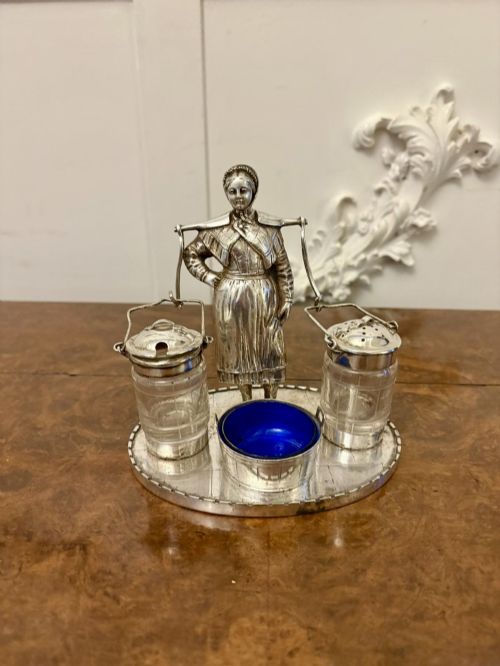
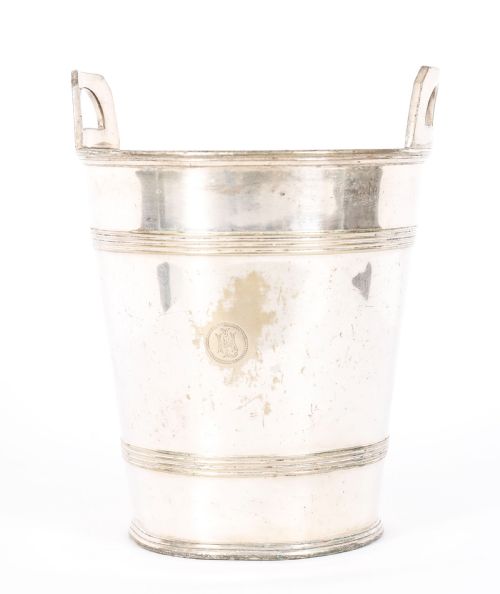
A silver plated pail encompasses a variety of barware and serving vessels, most frequently appearing as ice buckets, wine coolers and biscuit barrels from the nineteenth and twentieth centuries. These vessels combine utility with decorative metalwork, often taking cylindrical, urn or barrel forms designed for entertaining.
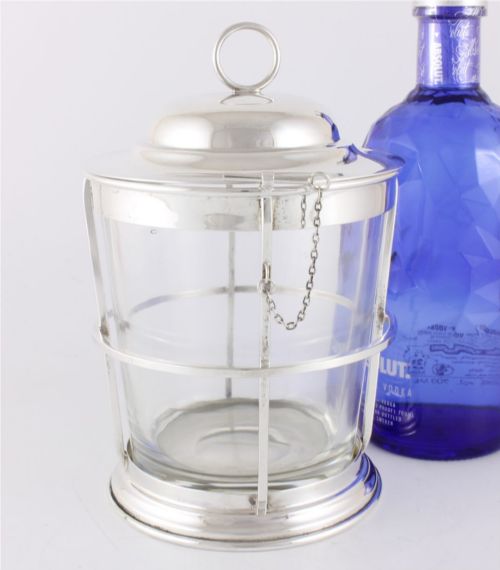
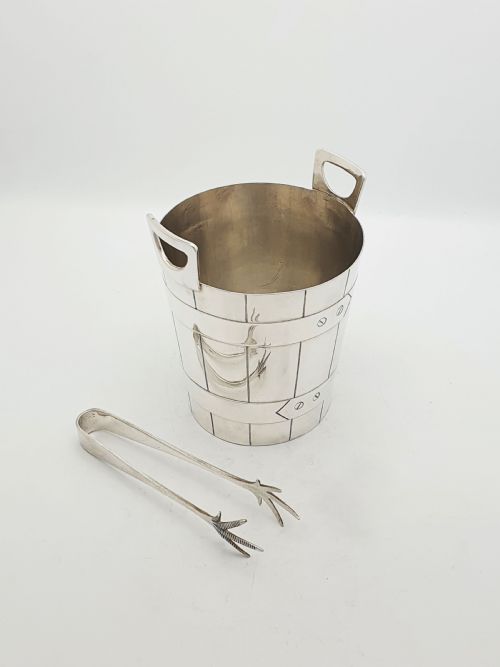
The pieces listed span multiple eras, including Victorian, Edwardian, Art Deco and Mid-Century periods, originating from English, French and Italian makers. Buyers encounter items ranging from plain glass bodies with plated mounts to heavily embossed champagne coolers and coopered oak staves bound in metal.
Objects under this search phrase double as functional table service and decorative display, merging cooling functions with refined metal craft. Whether utilising cut glass inserts or ceramic creamware liners, each vessel fulfils a specific dining or bar role.
Materials and construction methods
Construction relies on a base metal foundation - often copper, base metal or oak staves - coated in silver plate or Old Sheffield plate through early fusion techniques or later electroplating processes. Master silversmiths shaped handles, applied reeded bands and embossed surfaces with intricate motifs.
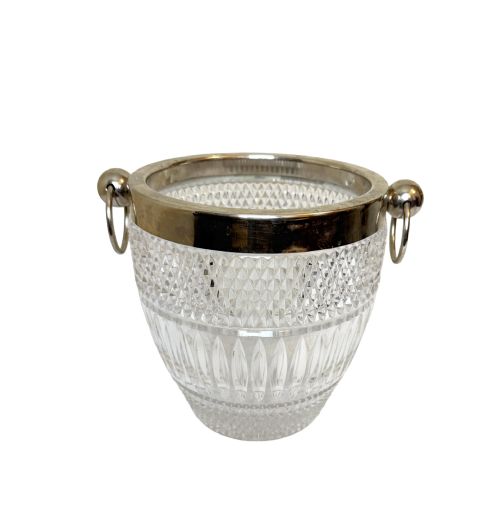
Interior containers utilise transparent cut glass, lead crystal, frosted glass or ceramic creamware liners to hold ice and beverages safely without damaging the outer metal sheath. Many examples incorporate matching accessories such as talon tongs, claw tongs or draining spoons.
Maker execution involves structural combinations of wood, glass, ceramics and silverplate, secured with mounts, collars and swing handles. The integration of diverse materials defines the durability and appearance of each pail.
Silver Plated Pail Retail Price Guide 2026
Typical asking prices for silver plated pail among the pieces listed under this phrase on Sellingantiques today, from the lower quarter to the upper quarter. They describe what is for sale here now, not the wider market.
Listings feature items spanning the 19th Century, Edwardian era, Art Deco period and Mid-Century designs.
Assessing quality and execution
Quality rests upon the weight of the metal, the clarity of the cut glass or lead crystal liner, and the crispness of embossed or chased details. Substantial thickness in both the silver plate and the glass body indicates superior manufacturing standards.
The reputation of the maker and the integrity of the original fitted liners or associated tongs elevate the standing of a piece. Finer examples display balanced proportions, secure joints and well-preserved plating over the underlying base metal.
Hutton Sheffield·PH Vogel·Elkington Mason And Co·IMA·Dawson·Matthew Boulton And Co·Christofle·Macabo·Mappin And Webb
The Silver Plated Pail Glossary
- Old Sheffield plate
- A composite material made by fusing a thin sheet of silver to a thicker copper base before shaping. This early method creates a distinct edge where the copper core shows.
- Silver plate
- A layer of silver deposited onto a base metal substrate using electrochemical or chemical techniques. It offers the visual appeal of solid silver with greater structural rigidity.
- Lead crystal
- A heavy, high-clarity glass containing metal oxide that adds brilliance and weight. It is frequently cut with geometric patterns to line ice buckets.
- Creamware
- A fine earthenware developed in the eighteenth century with a warm cream-coloured glaze. It appears inside select pails as an insulating liner.
- Biscuit barrel
- A covered vessel used for storing dry biscuits at the table. Many share cylindrical pail forms adapted with swing handles and metal lids.
Silver Plated Pail: Frequently Asked Questions
What is a silver plated pail used for?
These vessels primarily function as ice buckets, champagne coolers, wine holders and biscuit barrels for dining and bar service.
Their sturdy metal and glass construction keeps ice solid and bottles chilled during meals or gatherings.
How do I identify Old Sheffield plate?
Old Sheffield plate involves a fused layer of silver over copper rather than electroplating. Inspecting edges often reveals thin lines where the underlying copper shows through the silver surface.
Items utilising this technique typically date from the late eighteenth or early nineteenth centuries.
Are liners original to the pails?
Many pails retain their fitted cut glass, lead crystal or ceramic creamware liners designed to protect the outer metal. Original liners match the dimensions and wear patterns of the surrounding frame.
Replacements remain common due to the fragile nature of glass over decades of use.
How do I clean silver plate?
Maintenance requires gentle washing with warm water and mild soap, followed by thorough drying with a soft cloth. Harsh abrasives will wear away the thin silver coating over time.
Occasional treatment with specialist silver polish preserves the reflective shine without stripping the plate.