

Silver Plated Metal
Silver plated metal offers the gleam of solid precious metal through durable base materials shaped into lamps, trays and tableware across multiple periods.
Silver Plated Metal
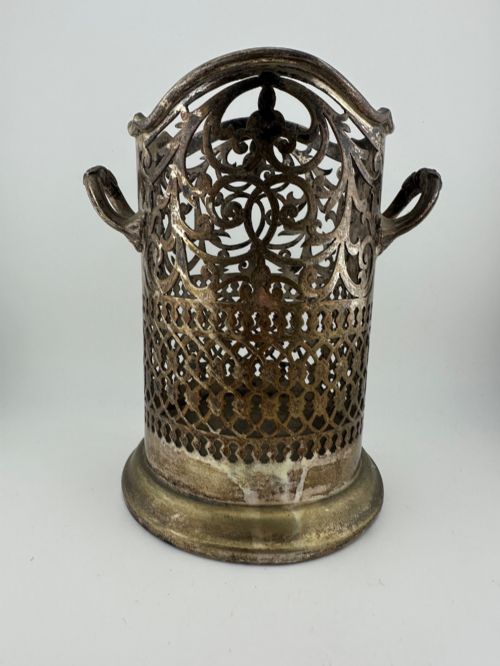
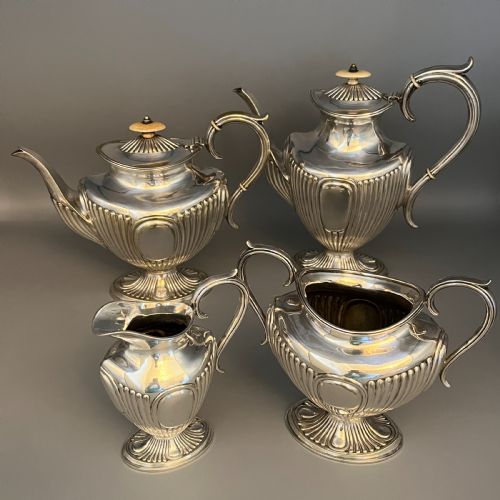
Silver plated metal spans centuries of domestic and decorative objects, encompassing tea sets, candlesticks, table lamps and serving trays. These items bridge the gap between utilitarian service and ornamental display, bringing polished brilliance into the home without the full cost of solid silver.
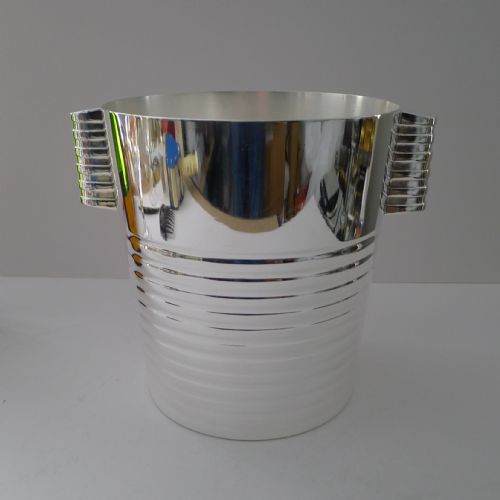
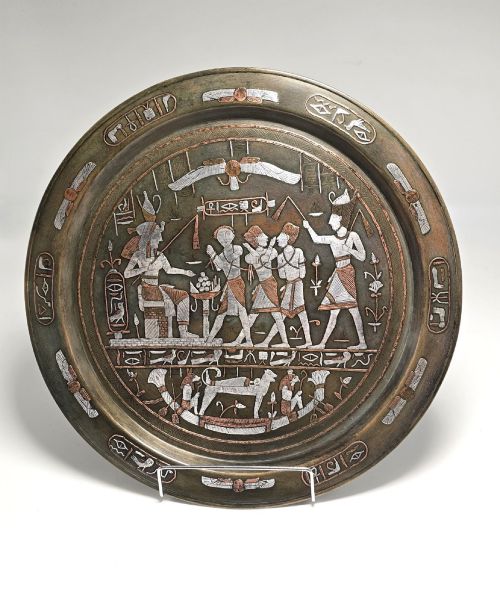
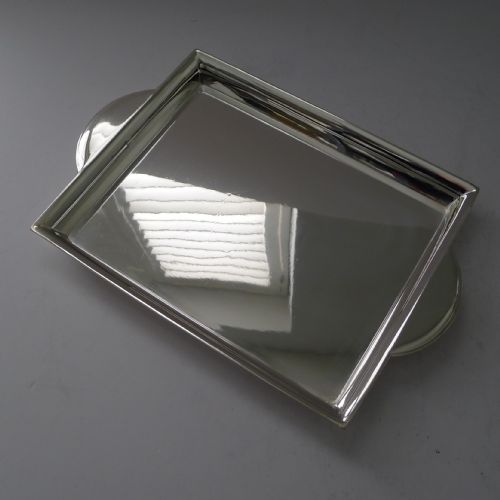
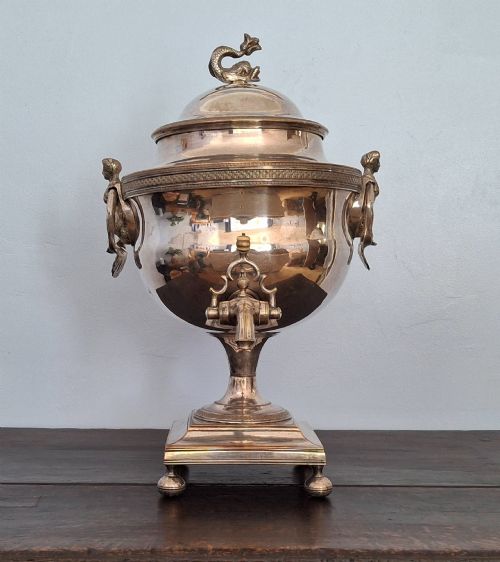
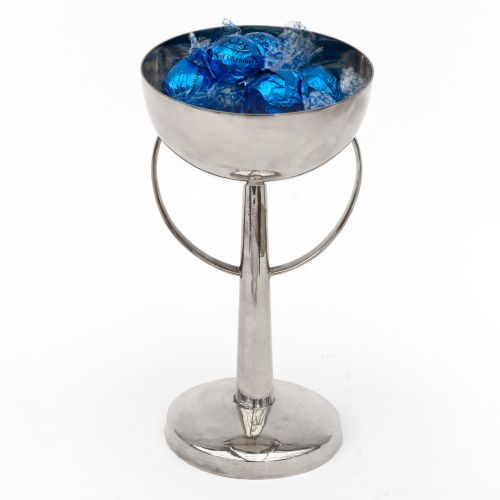
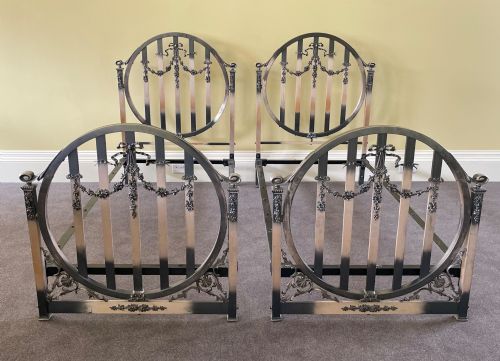
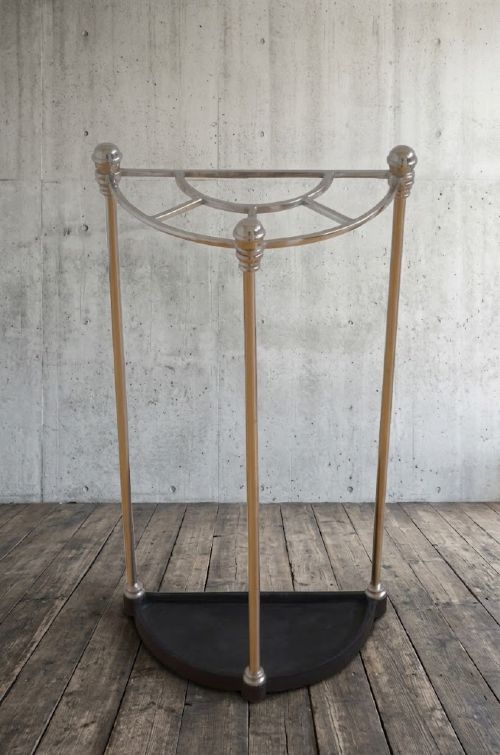
The selection here ranges from Georgian Old Sheffield plate through Victorian repoussé work to sleek Art Deco cocktail trays and Edwardian hotelware. Buyers encounter diverse forms, including samovars, champagne coolers, chambersticks and umbrella stands, originating from British, French and continental European workshops.
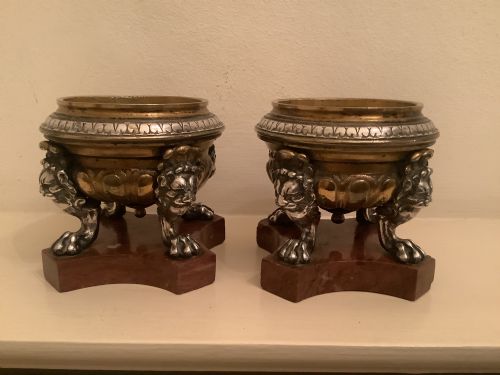
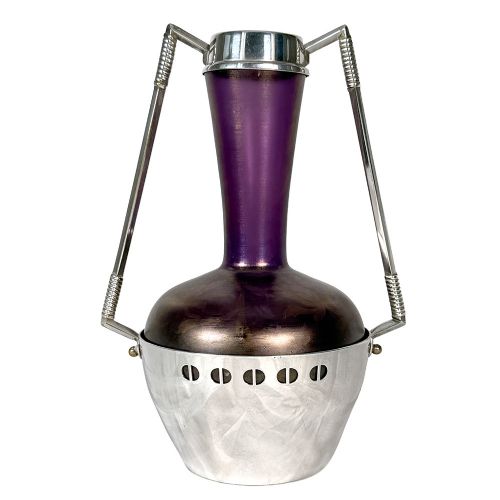
Pieces frequently incorporate secondary materials alongside silver plate, such as bronze, copper, brass, nickel silver and white metal. Glass inserts, parcel gilding and intricate metal inlay further expand the repertoire of forms available on the market.
How they were made
Early items rely on Old Sheffield plate, a technique fusing a thin sheet of silver onto a thicker copper core by heat and pressure. This method leaves characteristic subtle copper bleeding along edges and seams.
Later Victorian and Edwardian production employs electroplating, depositing a microscopic layer of silver onto base metals like nickel silver, brass or white metal through an electrical current. Artisans then enrich these surfaces via repoussé hammering, engraving, chasing or parcel gilding.
Silver Plated Metal Retail Price Guide 2026
Typical asking prices for silver plated metal among the pieces listed under this phrase on Sellingantiques today, from the lower quarter to the upper quarter. They describe what is for sale here now, not the wider market.
Listings feature items spanning the 18th century, Victorian, Edwardian, Art Nouveau, and Art Deco periods, created in silver plate, copper, brass, and nickel silver.
What varies in quality
Quality rests on the integrity of the underlying metalwork and the thickness of the original plating layer. Heavier gauge base metals resist denting and distortion over decades of domestic use.
Artisanal execution distinguishes mass-produced items from superior workshop output, visible in crisp chased detail, balanced proportions and secure handle or foot attachments. The harmony between decorative mounts, such as glass inserts or bronze elements, determines overall success.
Christofle·Mappin & Webb·Loetz and Argentor·G R Collis·Walker & Hall·F Abella & Sons·Luc Lanel·Keith Murray
The Silver Plated Metal Glossary
- Old Sheffield Plate
- An early fusing technique where a sheet of silver is bonded to a copper base before rolling into sheets. This method predates electroplating and often reveals a warm copper hue along high-wear edges.
- Electroplate
- A chemical process using electrical currents to coat base metals with a thin layer of silver. This technology revolutionised manufacturing from the mid-nineteenth century onwards.
- Repoussé
- A metalworking technique where the artisan hammers the design from the reverse side to form raised relief patterns on the front. It creates tactile depth on chargers, trays and ewers.
- Parcel Gilt
- A decorative treatment where specific areas of an object receive a coating of gold while the main body retains silver plating. It highlights particular motifs and creates tonal contrast.
- Samovar
- A heated metal urn traditionally utilised to boil water for tea. These large vessels often feature ornate taps and handles.
- Tazza
- An ornamental shallow cup or plate mounted on a stem and foot. They function primarily as centrepieces or fruit dishes.
Silver Plated Metal: Frequently Asked Questions
How do I clean antique silver plate?
Clean silver plated metal gently with a soft cloth and a specialised non-abrasive silver polish formulated for antiques. Avoid vigorous rubbing, which can wear through thin plating layers to expose the base metal beneath.
Store items away from direct sunlight and damp environments to minimise tarnishing. Regular, gentle dusting preserves the integrity of engraved and repoussé decoration over time.
What is the difference between Old Sheffield plate and electroplate?
Old Sheffield plate involves mechanically fusing a sheet of silver to a copper core under high heat before shaping. This creates a thick, durable sandwich of metals with a distinctive warm edge where copper shows through.
Electroplate uses electricity to bond a thin silver coating onto a white metal, brass or nickel silver substrate. This later nineteenth-century invention allowed for sharper stamped details and uniform coverage across complex three-dimensional forms.
Can I use silver plated tableware for food and drink?
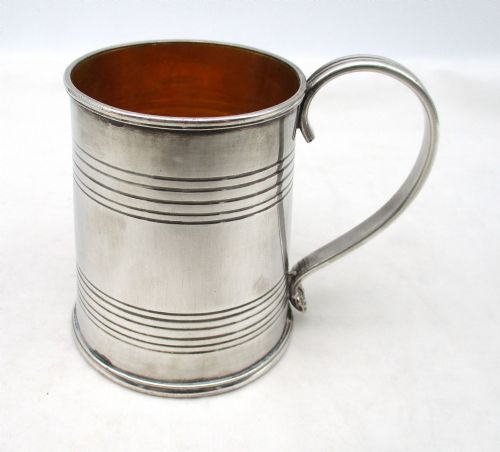
Many historical pieces such as trays, champagne coolers, tea sets and tankards were manufactured specifically for culinary service. Ensure pieces remain clean and check that the plating layer is intact before serving acidic foods or beverages.
Items intended purely for decorative display, like certain table lamps or structural epergnes, are better kept away from direct food contact.
How do I date silver plated metal items?
Dating relies on stylistic clues, manufacturing techniques, and maker marks stamped into the base metal. Georgian and early nineteenth-century pieces often display Old Sheffield construction, whereas Victorian items frequently show heavier cast mounts and electroplate stamps.
Art Nouveau, Art Deco and Edwardian designs incorporate characteristic geometric or organic motifs that align with specific twentieth-century decades.