





Silver Plated Meat Dish
A silver plated meat dish brings heavyweight Victorian and Georgian hospitality straight to the dining table.
Silver Plated Meat Dish
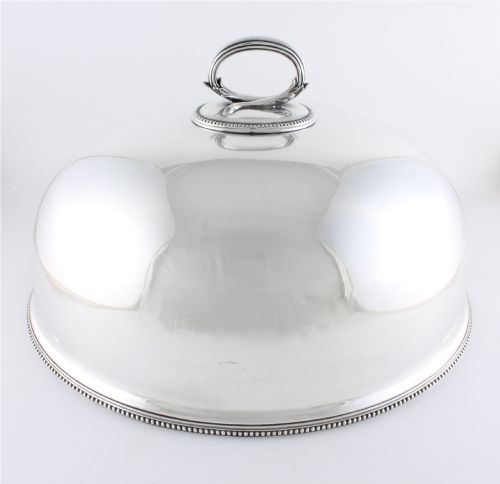
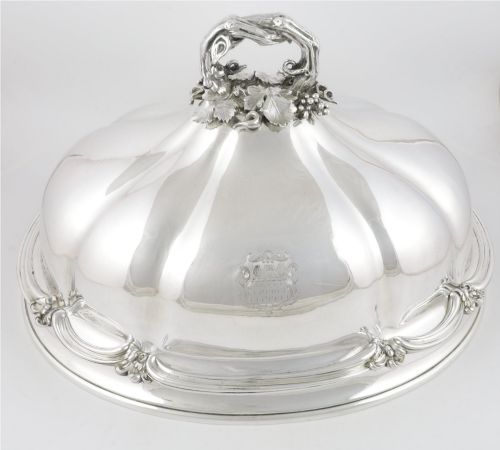
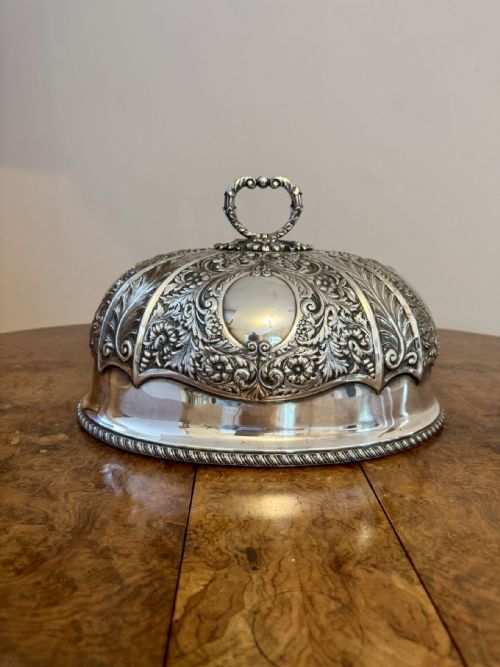
A silver plated meat dish encompasses heavy service covers, domes, warming trays, and mazarines designed for grand dining. You will frequently find Old Sheffield Plate pieces alongside Victorian and Edwardian examples on this page.
Makers produced these serving dishes in styles ranging from Georgian and Regency to William IV and Victorian. They functioned primarily to keep large joints and game hot between the kitchen and the dining room.
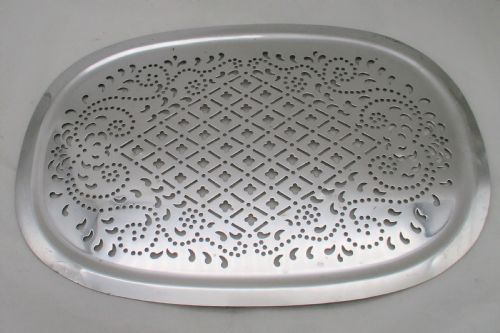
The selection here includes pairs of cloches, warming dishes with internal compartments, and draining plates designed for joints of meat. These items form a distinct category of tableware distinct from standard platters.
How they were made
Old Sheffield Plate involves fusing a thin layer of silver to a thick copper base, often visible at seams or worn edges. Later Victorian pieces typically utilise electroplated nickel silver, known as EPNS.
Some warming dishes incorporate base metal structures and wooden handles to assist with lifting heavy covers. Smith work and fusion plating define the construction methods across the 18th and 19th centuries.
Silver Plated Meat Dish Retail Price Guide 2026
Typical asking prices for silver plated meat dish among the pieces listed under this phrase on Sellingantiques today, from the lower quarter to the upper quarter. They describe what is for sale here now, not the wider market.
Listings feature items spanning the Georgian, Regency, Victorian, and Edwardian periods, utilising Old Sheffield Plate, EPNS, copper, and wood.
What varies in quality
Substantial weight and thick gauge metal separate superior domes and covers from lighter domestic wares. Crispness in the chased borders and handles indicates better workshop execution.
The integrity of the original plating layer dictates the overall visual success of a piece. Examples retaining deep copper undertones or intact silver surfaces command attention.
Roberts Cadman·Henry Wilkinson·Boulton·Dan Holy
The Silver Plated Meat Dish Glossary
- Old Sheffield Plate
- An early fusing technique where silver and copper are melted together. This predates standard electroplating and shows distinct edge characteristics.
- EPNS
- Electroplated Nickel Silver. A mid-19th century method applying a silver coating via electrical current.
- Mazarine
- A decorative draining plate placed inside a dish. It allows juices to collect beneath the meat.
- Cloche
- A bell-shaped dome used to cover food. These items kept joints warm on the dining table.
- Warming Dish
- A specialised vessel featuring a compartment for hot water. This kept large portions heated during extended meals.
Silver Plated Meat Dish: Frequently Asked Questions
What is a meat dome used for?
Meat domes covered large roasted joints on the dining table. They retained heat and protected the food until carving.
Servants lifted the heavy covers when guests were ready to be served. This kept the meat warm during long multi-course meals.
How do I clean old silver plate?
Gentle cleaning with a specialised silver cloth preserves the remaining metal surface. Avoid aggressive chemical dips that strip underlying layers.
Old Sheffield Plate requires particular care because vigorous polishing can expose the base copper beneath.
What is Old Sheffield Plate?
Old Sheffield Plate is a fused bilayer material created before electroplating was invented. Silver and copper were heated and rolled together.
This technique produced durable tableware with a warm lustre. You can often spot the thin copper line where the edges meet.
How do warming dishes work?
Warming dishes contain an inner cavity designed to hold hot water. This heated the serving surface from below.
They allowed hosts to serve large joints of meat without the food turning cold on the table.