


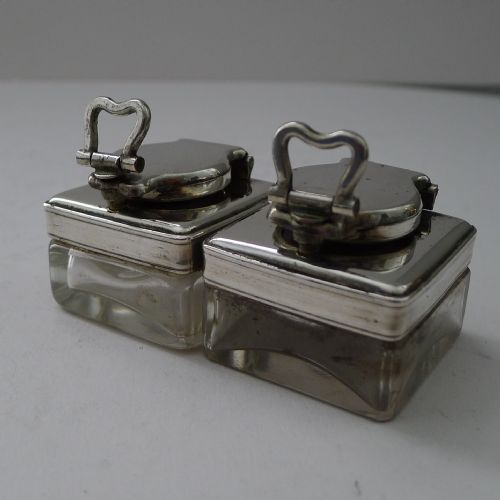


Silver Plated Lid
A silver plated lid secures everything from Victorian breakfast dishes to Georgian tankards, offering domestic metalwork designed to preserve heat and contents.
Silver Plated Lid
A silver plated lid appears across diverse serving vessels, notably entree dishes, butter barrels, tankards, and sauce tureens. These covers serve functional roles in dining and hospitality across multiple centuries.
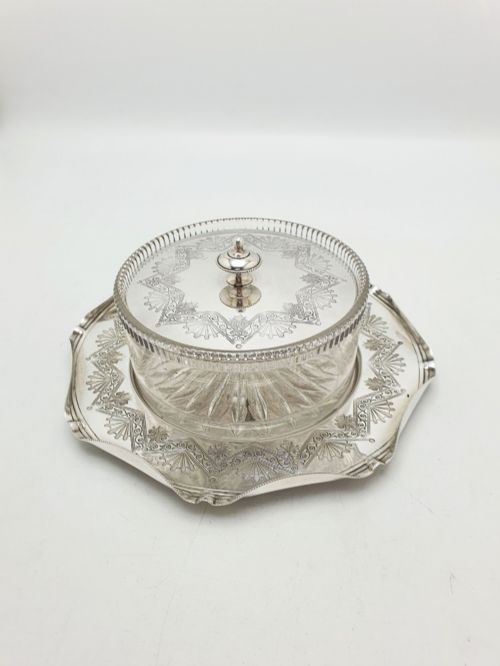
Edwardian entree dishes and Victorian revolving butter dishes represent common domestic forms on this page. Georgian and 19th Century Old Sheffield Plate items also populate the selection.
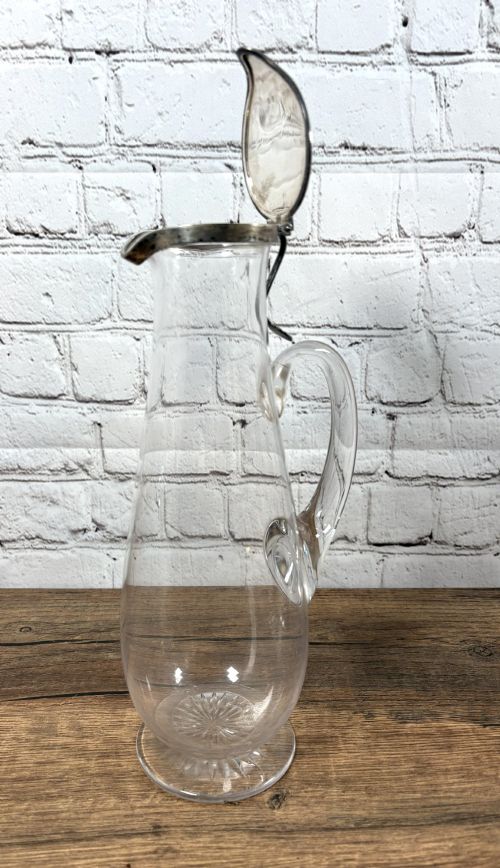
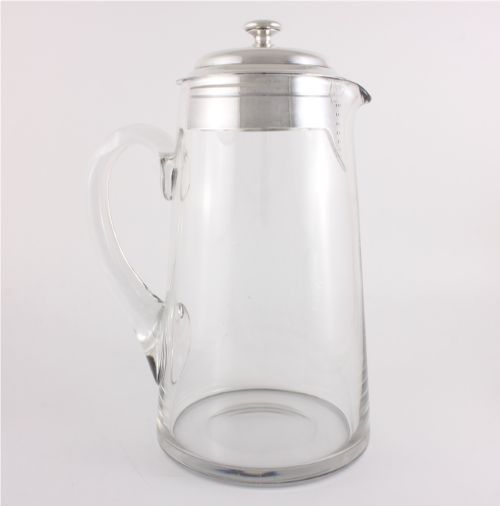
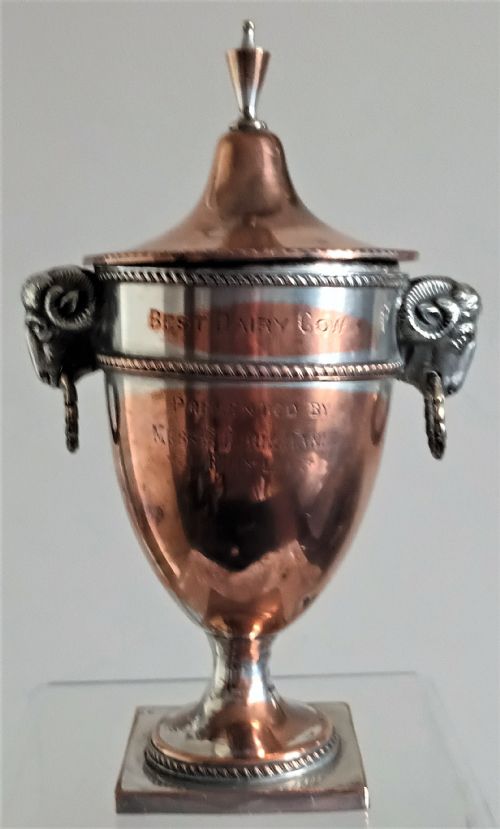
Makers integrated these covers into serveware ranging from claret jugs to miniature chestnut urns. Each lid matches the specific profile and decorative style of its parent vessel.
Materials and construction
Old Sheffield Plate fuses a thin sheet of silver onto a heavier copper core, an early technique visible on 18th Century and Georgian pieces. Electroplated nickel silver and standard silver plate dominate later Victorian and Edwardian manufacturing methods.
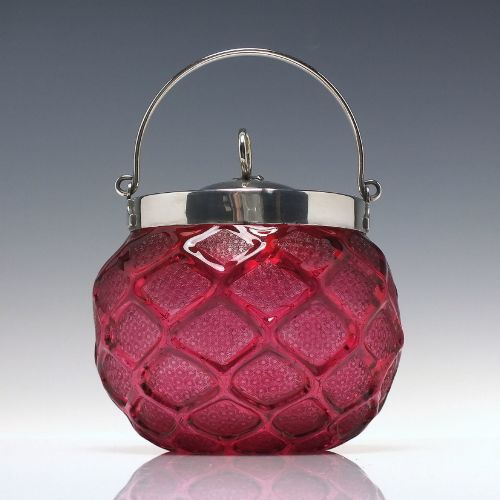
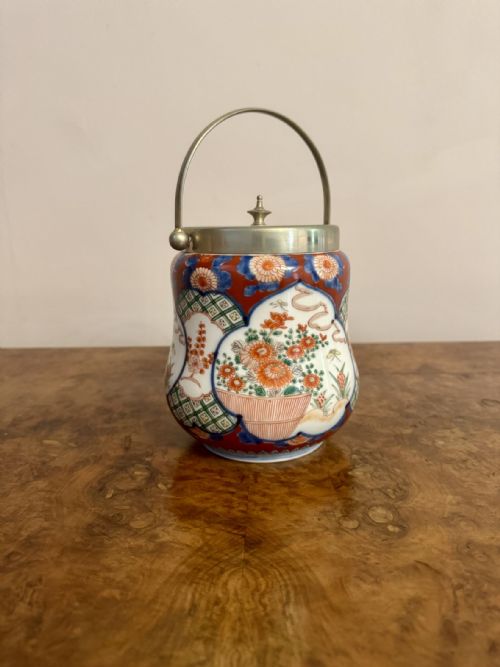
Glass, ceramic, and cranberry glass bodies frequently pair with metal mounts and covers. Craftspeople utilised cut glass and ceramic jars alongside hinged or rolling metal lids to create secure kitchen and dining containers.
Silver Plated Lid Retail Price Guide 2026
Typical asking prices for silver plated lid among the pieces listed under this phrase on Sellingantiques today, from the lower quarter to the upper quarter. They describe what is for sale here now, not the wider market.
Assessing quality and execution
The weight of the base metal and the thickness of the silver layer determine the durability of the piece. Substantial Old Sheffield Plate displays copper telegraph lines where the underlying metal shows through wear, indicating age and genuine fusion.
Decorative detailing on handles, finials, and borders reveals the hand of the maker. Fine Edwardian and Victorian examples exhibit crisp casting and precise mechanism alignment on revolving and lidded servers.
Christofle·Thomas Bradbury·Hamilton and Inches·Mappin and Webb·Daniel and Arter·Walker and Hall
The Silver Plated Lid Glossary
- Old Sheffield Plate
- An early method of fusing silver to a copper base before electroplating became common. Pieces from the 18th and early 19th centuries often reveal thin copper lines at the edges.
- Electroplated Nickel Silver
- A base alloy of copper, nickel, and zinc coated in a layer of silver via an electrical current. This process largely replaced Old Sheffield Plate during the Victorian era.
- Entree Dish
- A covered serving vessel used for bringing main courses to the dining table. They frequently feature removable lids that double as secondary shallow serving platters.
- Biscuit Barrel
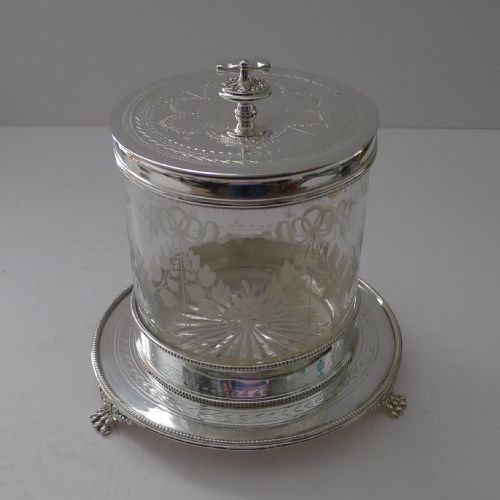
- A lidded container designed for storing dry biscuits or crackers in the parlour or dining room. Victorian and Edwardian examples often combine ceramic or glass bodies with metal lids and mounts.
- Sauce Tureen
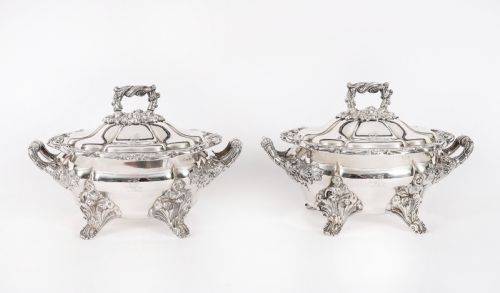
- A small vessel with a fitted lid intended for holding gravies and sauces during formal meals. They often rest upon matching fixed or separate underscoring bases.
Silver Plated Lid: Frequently Asked Questions
How do I clean a silver plated lid?
Use a soft cloth and a gentle, non-abrasive silver cleaner formulated for plated items. Avoid harsh scrubbing that can strip the thin silver layer.
Wash the piece in warm soapy water afterwards and dry it thoroughly with a lint-free cloth to prevent spotting.
What is Old Sheffield Plate?
Old Sheffield Plate is an early composite material made by fusing a sheet of silver to a copper ingot. Artisans then rolled the combined metals into sheets for manufacturing wares.
This technique predates electroplating and leaves characteristic copper edges visible on older items.
Can I use these lidded dishes daily?
These antique and vintage vessels function well for modern dining if handled with reasonable care. Hand washing preserves the delicate plating and any glass or ceramic liners.
Avoid putting silver plated items into dishwashers or using metal utensils that might scratch the surface.
How do I tell Victorian from Georgian pieces?
Georgian pieces often utilise Old Sheffield Plate construction with visible copper borders and restrained neoclassical or plain decorative styles. Victorian items frequently employ electroplating on nickel silver with more elaborate ornamentation.
Maker marks, screw types, and overall design motifs also help differentiate the manufacturing periods.