



Silver Plated Flatware Set
A silver plated flatware set brings period elegance to the dining table, offering matching service for everything from fish courses to dessert.
Silver Plated Flatware Set
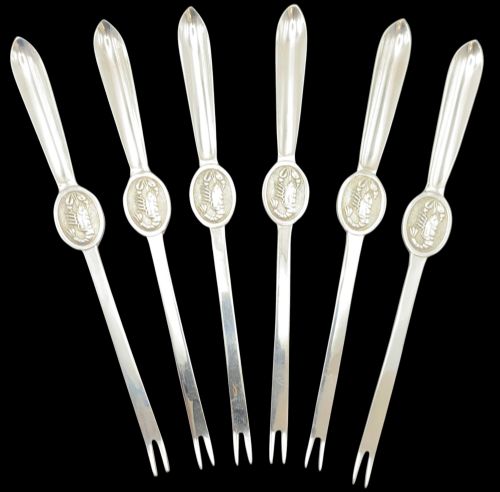
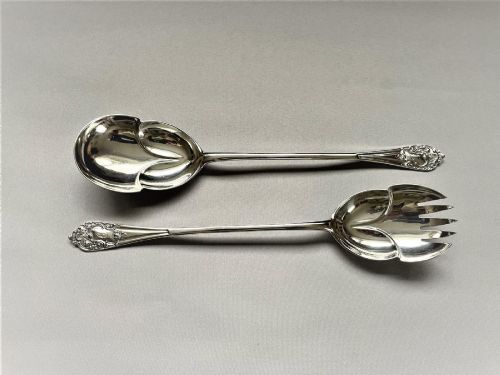
A silver plated flatware set comprises matched or fitted collections of cutlery designed for specific dining tasks, ranging from large canteens to specialised serving implements. When exploring this selection, buyers encounter diverse configurations such as fish servers, grapefruit spoons, lobster picks, and full canteens.
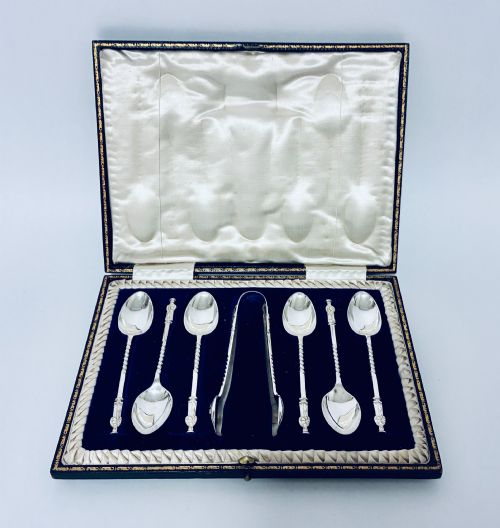
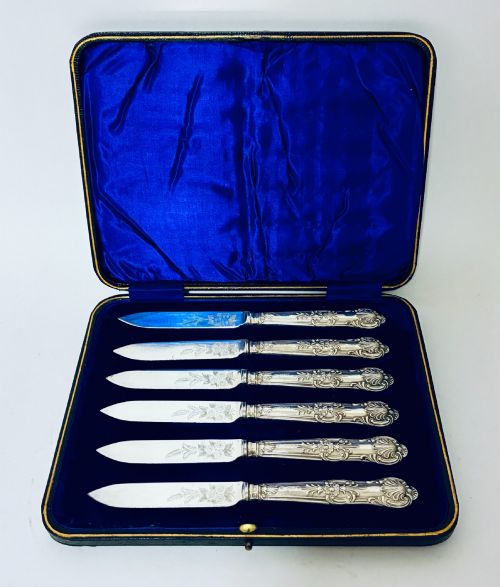
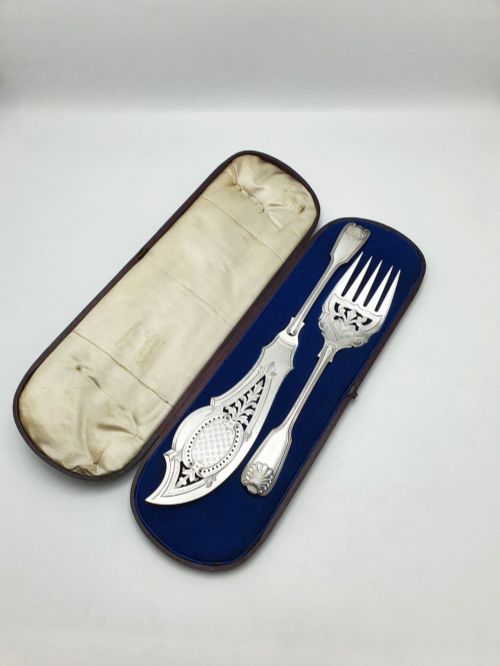
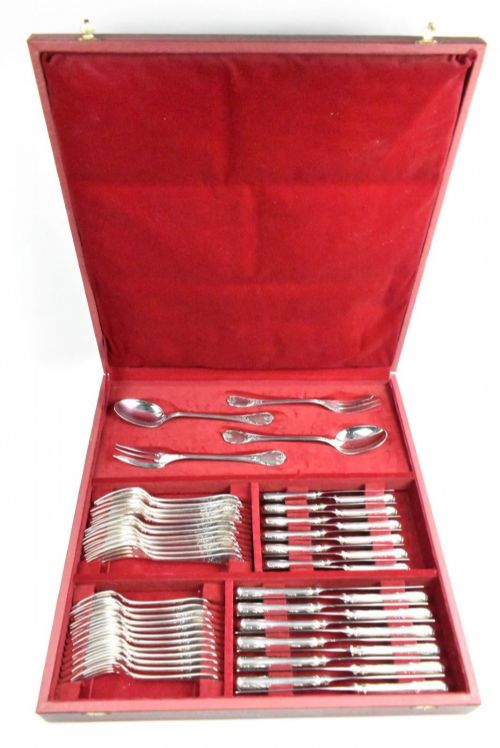
The objects span multiple eras, encompassing Victorian, Edwardian, and Art Deco designs alongside mid-century French productions. These sets frequently arrive housed in fitted wooden boxes lined with velvet, silk, or fabric.
Originating across domestic workshops and prominent Continental houses, the pieces reflect formal dining rituals of the nineteenth and twentieth centuries. Buyers find both modest serving sets and extensive place settings intended for elaborate meals.
Assessing quality and craftsmanship
Quality reveals itself in the crispness of surface engraving, the integrity of the plating over the base metal, and the sturdiness of handle construction. Superior sets maintain even metal coverage across intricate decorative motifs without excessive wear.
The inclusion of original fitted cases, whether oak boxes or fabric-lined chests, influences the completeness and preservation of the set. Consistency across maker marks and the harmony of matched pieces distinguish comprehensive canteens from assembled groups.
Listings span the Victorian, Edwardian, Art Deco, and mid-century periods, utilising silver plate, oak, velvet, and antler.
Christofle·Suckling Ltd
The Silver Plated Flatware Set Glossary
- Silver Plate
- A base metal coated with a thin layer of silver through electroplating or older techniques. This provides the appearance and lustre of solid silver at a different production scale.
- Canteen
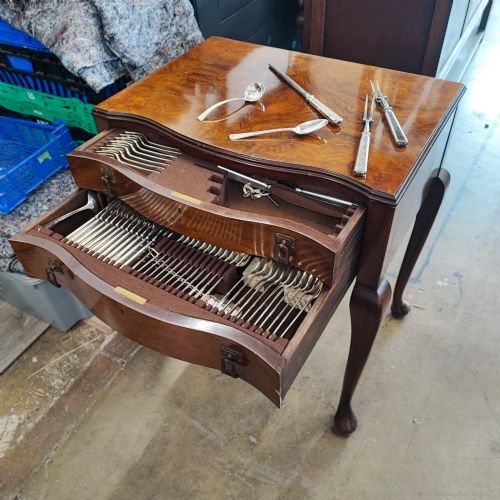
- A fitted box, chest, or cabinet designed to hold a complete set of cutlery securely. These wooden enclosures often feature multiple tiers or slotted trays.
- Fish Servers
- A matched knife and fork combination specifically shaped for serving fish courses. The blade is typically wide and decorated with engraved scrollwork or pierced designs.
- Apostle Spoons
- Spoons featuring figures of the apostles cast or stamped onto the handle terminals. They frequently appear in sets accompanied by matching serving tongs.
- Antler Handles
- Grips fashioned from natural deer antler attached to cutlery tines and blades. This material provides a tactile, textured grip common in Victorian and Edwardian serving sets.
Silver Plated Flatware Set: Frequently Asked Questions
How do I clean a silver plated flatware set?
Maintenance requires specialised silver polishes and soft cloths to protect the plated surface from abrasion. Avoid harsh scrubbing materials that might wear away the silver layer over time.
Store the pieces in dry environments, utilising anti-tarnish rolls or the original fitted wooden cases when not in use. Regular gentle washing prevents residue build-up from everyday dining.
Can I use these sets for daily dining?
Many buyers incorporate vintage and antique cutlery into modern table settings for special occasions or everyday meals. The durable construction of silver plate and steel components suits practical application.
Careful hand washing helps preserve the delicate engravings and handle materials found on Victorian and Edwardian pieces. Modern dishwashers are generally unsuitable for antique plated flatware.
What is the difference between a canteen and a set?
A canteen refers specifically to a comprehensive collection housed within its own dedicated storage chest or cabinet. These often contain dozens of pieces organised for multiple place settings.
Smaller sets typically comprise specialised serving tools or specific course implements without a large storage cabinet. These smaller groups often arrive in presentation boxes lined with fabric.
How do I identify the period of my cutlery?
Stylistic indicators such as Art Deco geometric lines or ornate Victorian Rococo revival scrollwork point toward specific eras of manufacture. Maker marks and stamps on the metal surface offer further chronological context.
Case construction and lining materials like silk or velvet also assist in dating the ensemble. Comparing the decorative motifs with known design periods clarifies the origin.