



Silver Plated Dining Cutlery
Silver plated dining cutlery brings heavy metal shine and period detail to the table, offering everything from knife rests to large canteens.
Silver Plated Dining Cutlery
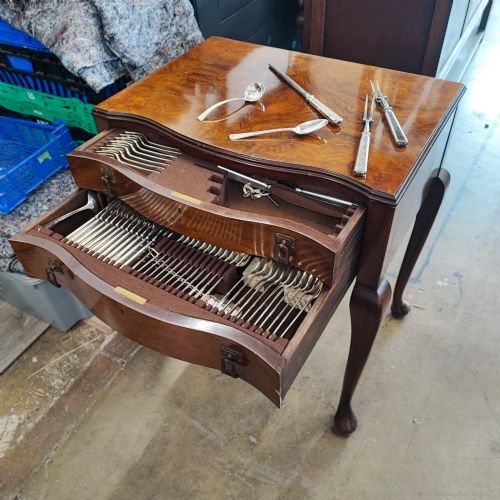
Silver plated dining cutlery encompasses a wide range of table items designed for serving and dining, from complete large canteens down to individual fish servers, knife rests, and lobster crackers. You will find pieces spanning the nineteenth century through the Art Deco era, covering styles from Victorian to Egyptian Revival and Queen Anne.
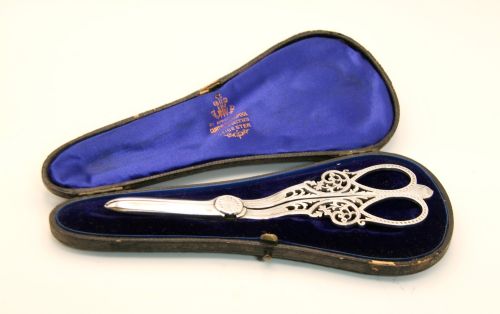
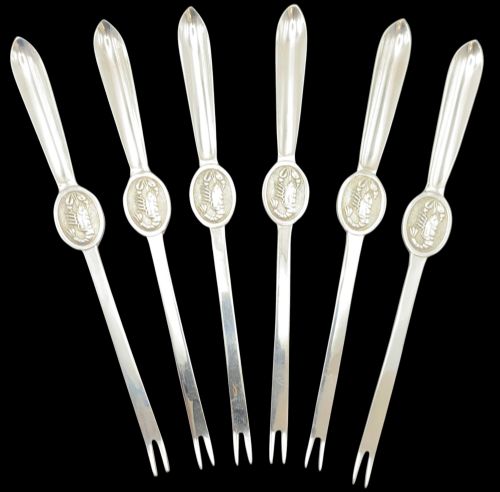
The selection on this page centres on practical and decorative tableware, including canteens, fish sets, knife trays, and specific implements like grape scissors, stilton scoops, and seafood picks. Many items arrive in original presentation boxes or fitted cases, incorporating materials such as mother of pearl, horn, and antler alongside metal plate.
Victorian and Edwardian items dominate the mix alongside 1930s sets, reflecting shifting dining habits and elaborate tables over several decades. Whether looking for a modest pair of knife rests or a large multi-piece service, the range covers varied hosting needs across traditional and revivalist designs.
How they were made
Makers built these pieces using silver plate over a base metal, frequently combining steel for cutting edges in items like knives and canteens. Craftspeople applied detailed engraving, such as hunting scenes or floral patterns, directly onto the metal surfaces.
Handles and decorative accents often utilised natural materials including mother of pearl, horn, and antler, attached securely to metal shafts. Presentation boxes and fitted cases frequently incorporated wood lined with velvet or silk to protect the plated surfaces.
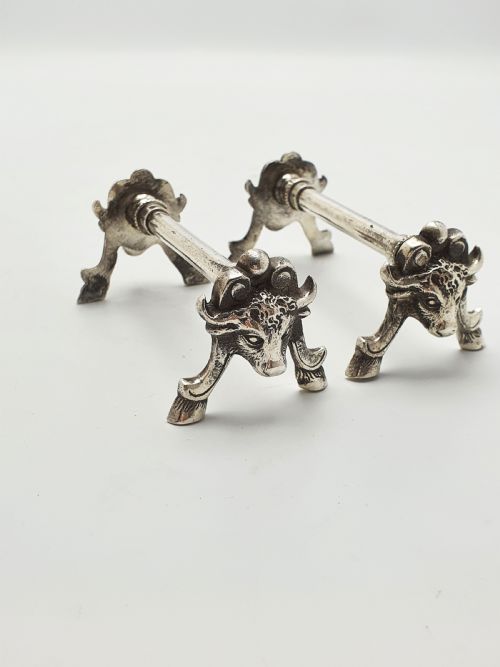
Some dining sets come equipped with dedicated lobster crackers and bull head knife rests, proving that Victorian meal times were delightfully dramatic.
What varies in quality
Quality rests heavily on the weight and gauge of the silver plate used across the body of each piece, distinguishing substantial items from lighter alternatives. Heavier gauge metal retains its form and plating integrity far better through decades of use and cleaning.
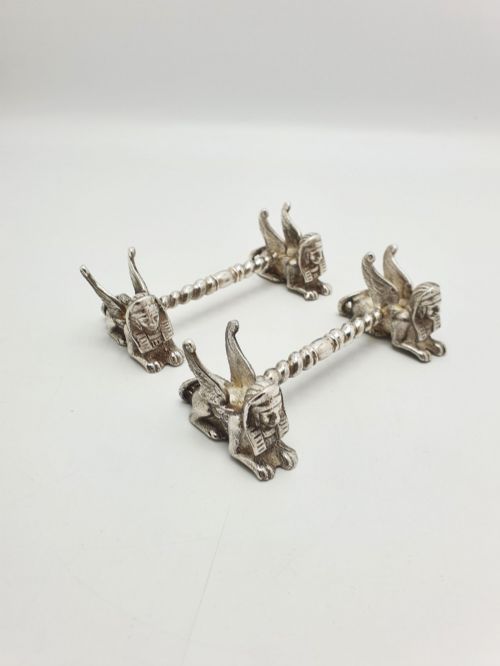
The choice of handle material and the crispness of cast or engraved ornamentation also define the tier of an item. Finely carved mother of pearl, distinctive figural castings like sphinxes or rampant lions, and intact original presentation cases mark out superior examples.
Christofle Marly
The Silver Plated Dining Cutlery Glossary
- Silver Plate
- A base metal coated with a thin layer of pure silver, providing the appearance and lustre of solid silver at a different scale of production. This technique allowed elaborate dining wares to reach broader households during the Victorian period and beyond.
- Canteen
- A fitted box, chest, or case designed to store a matched set of cutlery securely. These often contain dozens of individual pieces arranged in tiered trays lined with fabric.
- Knife Rest
- A small support, often cast in pairs, designed to keep carving or dining knives elevated above the tablecloth between courses. They frequently feature decorative figural ends such as animals or architectural motifs.
- Fish Server
- A specialised flatware pairing, typically comprising a large knife and fork with pierced and engraved blades designed for serving fish. Handles on these pieces often incorporate horn or mother of pearl.
- Stilton Scoop
- A long-handled utensil with a semi-cylindrical blade used for cutting and serving aged cheeses. They often feature decorated metal bowls paired with turned bone or wooden handles.
Silver Plated Dining Cutlery: Frequently Asked Questions
What is included in a silver plated cutlery set?
Sets vary widely from small specialist groupings like fish servers and knife rests to massive multi-piece canteens containing over one hundred items. They generally combine forks, knives, and serving pieces tailored for multi-course dining.
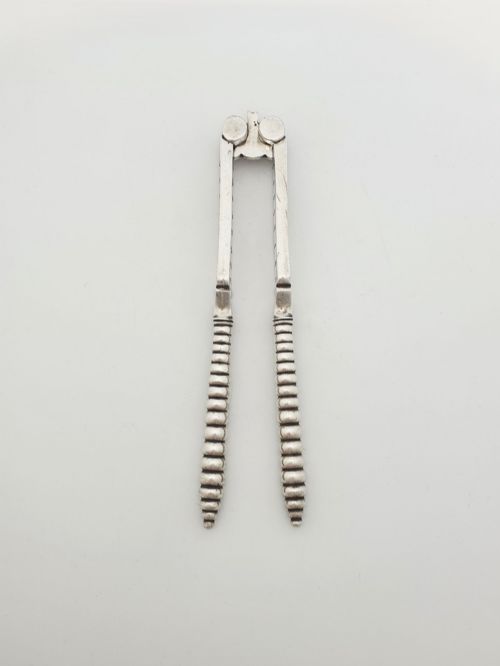
Larger options may include specialised tools such as seafood picks, nutcrackers, and carving implements, all housed within fitted wooden cases.
How should I clean silver plated cutlery?
Clean plated items gently using specialised silver polish and a soft cloth to avoid wearing through the thin silver layer to the base metal underneath. Wash them by hand in warm soapy water rather than placing them in a mechanical dishwasher.
Dry the pieces thoroughly immediately after washing to prevent water spots and tarnishing from developing on the surface.
How do I identify Victorian silver plate?
Victorian pieces often display characteristic dense ornamentation, revivalist styles like Egyptian Revival or French Rococo, and heavy cast details such as animal figures or floral engraving. Makers during this era frequently utilised natural handle materials like mother of pearl, antler, and horn.
Examining the overall weight, form, and stylistic cues helps place an item within the late nineteenth-century manufacturing period.
Can I use antique cutlery every day?
Many people choose to use vintage and antique silver plated tableware for regular dining, provided the pieces are handled with appropriate care and hand-washed. Sturdy items like heavy gauge knife rests and solid canteens withstand normal use well.
Delicate items with organic handles like silk-lined boxes or fragile mother of pearl may require more careful treatment to preserve their condition over time.