





Silver Plated Dish Set
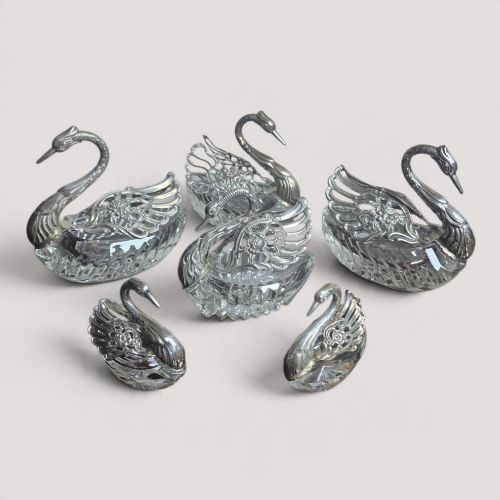
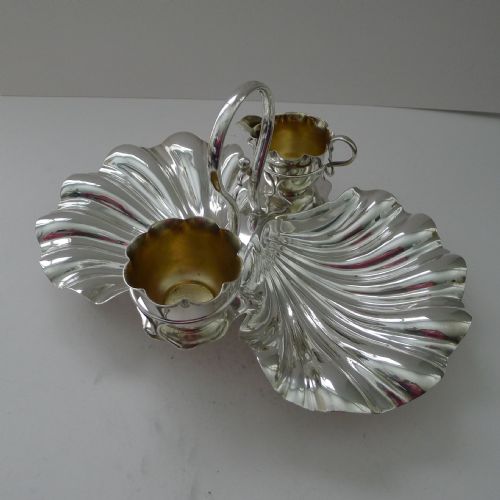
These silver plated dish set pieces combine plated metal with glass or porcelain to serve preserves, fruit, and condiments at the dining table.
Silver Plated Dish Set
A silver plated dish set encompasses various dining table groupings intended for serving specific foods such as strawberries, asparagus, caviar, and condiments. These collections span the Victorian, Edwardian, and Art Deco periods, shifting in form from elaborate nineteenth-century arrangements to cleaner twentieth-century geometric designs.
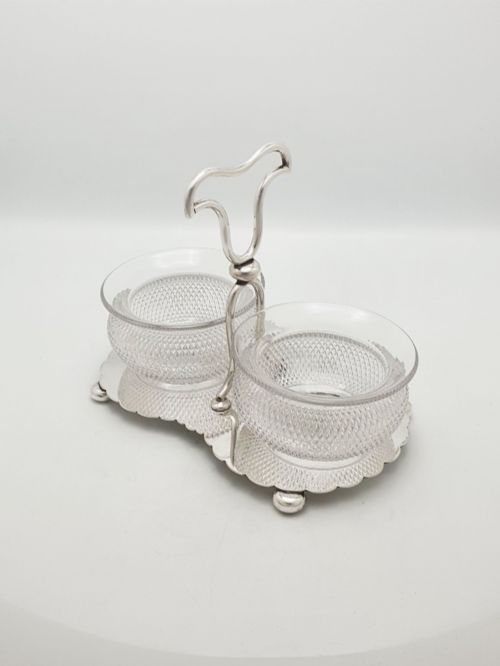
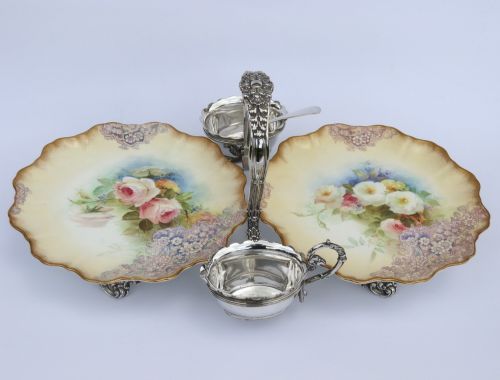
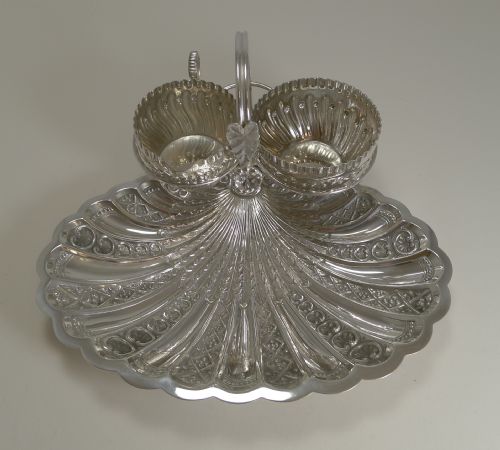
Buyers examining a silver plated dish set will encounter matching condiment stands, preserve bowls with cranberry glass liners, and dessert sets complete with ceramic plates. The selection includes multi-piece ensembles featuring cut glass inserts alongside simpler groupings of sauce dishes and chargers.
Materials and Construction
Manufacturing methods rely on electroplated nickel silver or traditional Old Sheffield plate applied over a base metal foundation. Artisans combined this durable metalwork with blown, cut, or cranberry glass inserts and hand-painted porcelain plates.
Detailing often incorporates applied borders, cast handles, and occasional gold washes on the interior of bowls to protect the metal from acidic foods.
Silver Plated Dish Set Retail Price Guide 2026
Typical asking prices for silver plated dish set among the pieces listed under this phrase on Sellingantiques today, from the lower quarter to the upper quarter. They describe what is for sale here now, not the wider market.
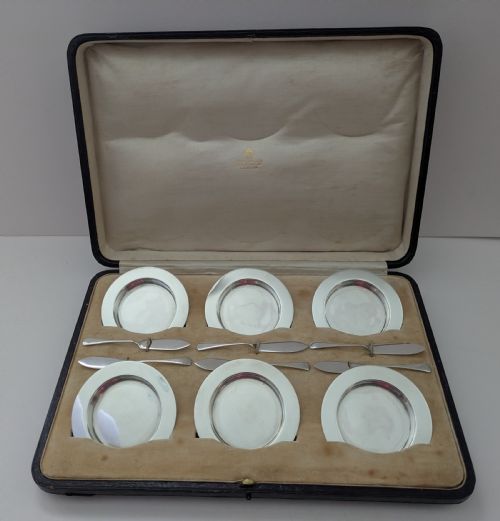
Several sets include dedicated small forks and butter knives, proving that Victorians invented specialised cutlery for virtually every edible substance on the table.
Assessing Quality
Quality rests upon the crispness of the original metal casting and the thickness of the silver plating relative to surface wear. Superior examples retain their original matching glass liners and bear clear maker marks from prominent workshops.
The integration between the metal frame and its glass or porcelain components demonstrates the overall standard of manufacture, where custom-fitted bowls sit securely within their plated mounts.
Daniel Arter·Walker and Hall·Asprey and Co·W M F·Roberts and Belk
The Silver Plated Dish Set Glossary
- Electroplated Nickel Silver
- A base alloy of copper, nickel, and zinc coated with a layer of pure silver through an electrical process. This method became widespread in the nineteenth century as a cost-effective alternative to solid silver.
- Old Sheffield Plate
- A composite material formed by fusing a thin sheet of silver to a thicker copper core before rolling them into sheets. This technique predates modern electroplating.
- Cranberry Glass
- A rich red-pink glass coloured by the addition of gold chloride to the molten batch. It frequently appears in Victorian and Edwardian preserve bowls and condiment sets.
- Condiment Stand
- A fitted metal frame designed to hold multiple small glass pots, jars, or bottles for sauces, salt, and mustard on the dining table.
- Gold Wash
- A thin layer of gold applied to the interior surface of silver plated bowls or dishes. This application prevents acidic foods like fruit or preserves from tarnishing the silver beneath.
Silver Plated Dish Set: Frequently Asked Questions
What foods were these sets used for?
These sets served specialised dining roles, accommodating seasonal fruits like strawberries, delicate asparagus spears, or individual portions of caviar and condiments.
Their design reflected the formal dining habits of the Victorian and Edwardian eras, where specific dishes required dedicated serving vessels.
How do I date an Edwardian set?
Edwardian pieces generally date between nineteen hundred and nineteen ten, displaying lighter forms than their Victorian predecessors.
Look for hallmarks or maker stamps on the metal base that correspond to known working periods of silversmiths from this decade.
Are the glass inserts original?
Original glass liners fit snugly into the metal framework and match the period style of the plated stand.
Cut glass, cranberry glass, and Vaseline glass inserts were manufactured specifically for these frames, often showing minor base wear consistent with their age.
How should I clean silver plate?
Maintenance requires gentle washing with warm soapy water and a soft cloth to preserve the thin silver layer over the base metal.
Harsh abrasive dips can strip the plating entirely, particularly on older electroplated nickel silver or Old Sheffield pieces.