



Silver Plated Dining Flatware
Silver plated dining flatware brings the refined weight of past centuries to the table, offering complete canteens and specialist serving pieces for formal meals.
Silver Plated Dining Flatware
When you search for silver plated dining flatware, you are looking at items designed for the dining table, ranging from large canteens to specialist servers. The selection spans the Victorian, Edwardian, and Art Deco periods, encompassing both traditional and French Rococo styles alongside vintage traditional designs.
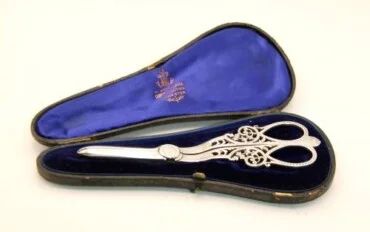
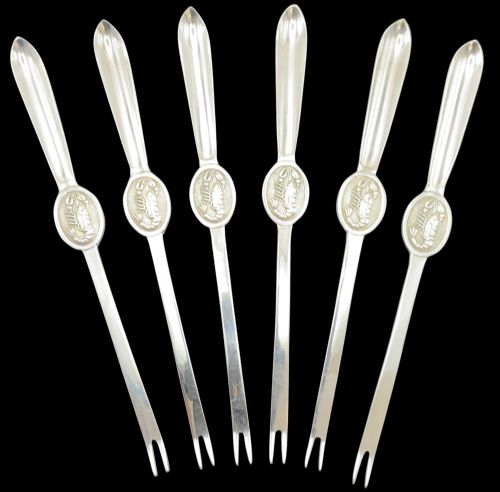
The most common forms you will meet on this page are comprehensive cutlery sets and canteens alongside specific dining implements. These include fish servers, lobster forks, seafood picks, cheese scoops, serving tongs, and grape scissors.
Materials extend beyond silver plate itself to incorporate steel for cutting edges, wood and burr walnut for fitted cases, and velvet or leatherette for interior linings. Pieces arrive from various eras, showing how dining rituals evolved through the nineteenth and twentieth centuries.
How these pieces were made
Manufacturing methods combine base metals with electroplated silver layers, frequently pairing plated bowls and tines with durable steel for functional strength on items like cheese scoops and fish servers. Handles draw on diverse resources, utilising natural materials such as antler alongside traditional metals.
Canteens and storage cases involve fine cabinet-making techniques, utilising timber such as burr walnut to house large sets securely. Interiors receive careful finishing with velvet or leatherette linings designed to protect individual pieces from friction and tarnishing during storage.
Silver Plated Dining Flatware Retail Price Guide 2026
Typical asking prices for silver plated dining flatware among the pieces listed under this phrase on Sellingantiques today, from the lower quarter to the upper quarter. They describe what is for sale here now, not the wider market.
Victorian diners required dedicated lobster forks and grape scissors, proving that formal dining once demanded specific miniature tools for almost every single bite.
What varies in quality across these pieces
Quality differences show in the thickness of the silver deposition over the base metal and the crispness of chased or pierced ornamentation on items like serving tongs and fish servers. Superior sets maintain their plating evenly across high-friction areas such as spoon bowls and fork tines.
The integrity of fitted storage canteens reflects overall standard, with solid timber construction and well-preserved velvet or leatherette linings indicating higher manufacturing tiers. Specialist pieces featuring natural handles, such as antler on Victorian servers, depend on secure mounting and material stability for their enduring appeal.
Christofle
The Silver Plated Dining Flatware Glossary
- Silver Plate
- A base metal such as copper, nickel brass, or Britannia metal coated with a layer of pure silver through chemical or electrochemical processes. This technique allowed domestic households to enjoy the appearance of solid silver at a lower cost.
- Canteen
- A fitted box, chest, or cabinet designed specifically to store a complete set of cutlery and serving utensils. These housings often feature multiple tiers and fitted slots lined with velvet or leatherette.
- Stilton Scoop
- A specialist utensil featuring a long, semi-cylindrical blade used for cutting and serving aged cheeses like Stilton. The design allows the host to tunnel into the centre of the cheese without damaging the crust.
- Fish Servers
- A matched pair comprising a large knife and fork designed for serving fish courses at formal dinners. The blade of the knife is typically wide and flat with a pierced or engraved decorative pattern.
- Grape Scissors
- Specialist shears designed for cutting small clusters of grapes from the main stem at the dining table. Their elongated handles and curved blades prevent bruising of the fruit.
Silver Plated Dining Flatware: Frequently Asked Questions
What is included in a large cutlery canteen?
Large canteens typically house extensive sets containing upwards of one hundred pieces, designed to cater for multiple place settings at formal dinner parties.
These collections bring together standard dining knives and forks alongside specialised serving implements, all housed within a dedicated wooden box.
How were specialist fish servers used?
Fish servers were employed during multi-course Victorian and Edwardian meals to portion delicate fish dishes cleanly at the table. The wide, often pierced blade of the server lifted the flesh away from the bones without breaking it.
Matched pairs included a large fork to steady the fish while the server divided it.
Why do some pieces combine silver plate and steel?
Combining materials allowed makers to utilise the decorative visual appeal of silver plate alongside the functional rigidity of steel. Steel was essential for cutting edges on items like cheese scoops and knives where plating alone would wear down too quickly.
This union ensured both aesthetic grace and practical durability during daily dining use.
How do I care for silver plated flatware?
Silver plated items require gentle cleaning with dedicated silver polishes and soft cloths to preserve the thin metal coating over the base metal. Storing pieces in lined wooden canteens or anti-tarnish rolls protects them from airborne sulphur and moisture when not in active use.
Hand washing is strongly recommended to prevent damage to organic handles such as antler or wood.