
Silver Plated Column Light
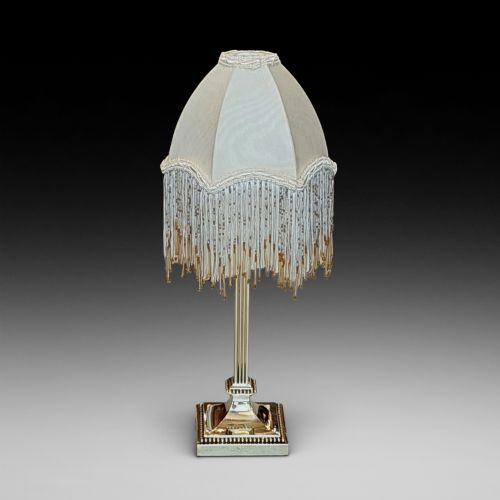
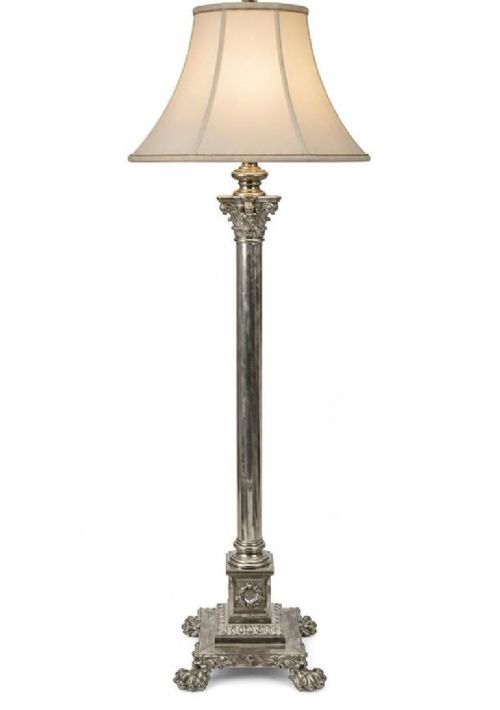
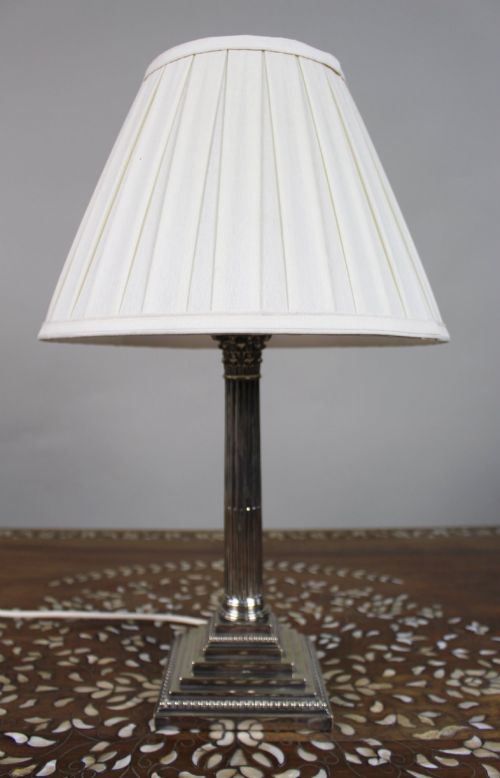
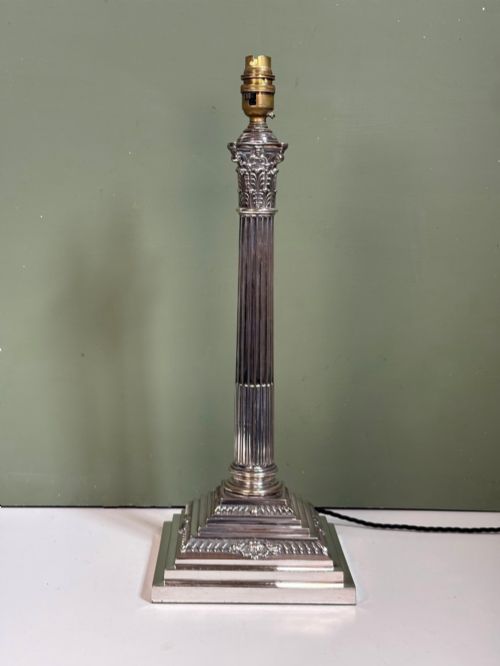
A silver plated column light brings classical architectural form and warm illumination into a room, most often seen in the stately Corinthian style.
Silver Plated Column Light
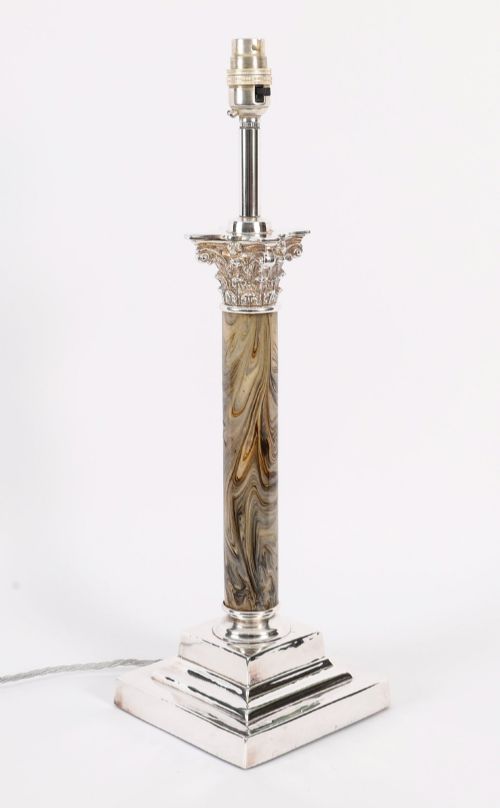
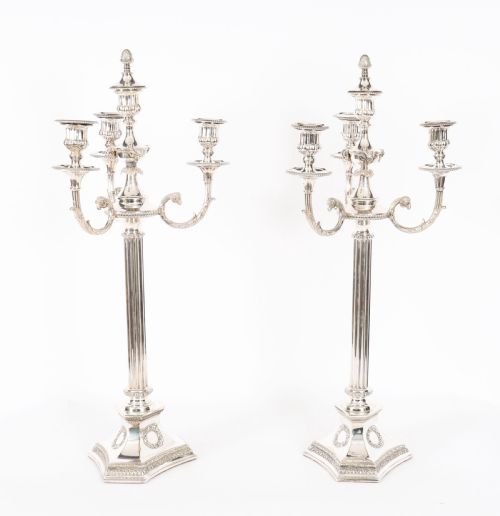
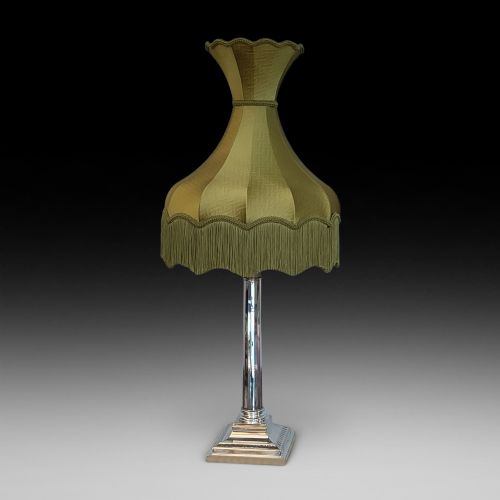
A silver plated column light takes its design cues from ancient architecture, translating stone orders into domestic metalwork. These pieces frequently appear as table lamps, floor standing standards, and multi branch candelabra.
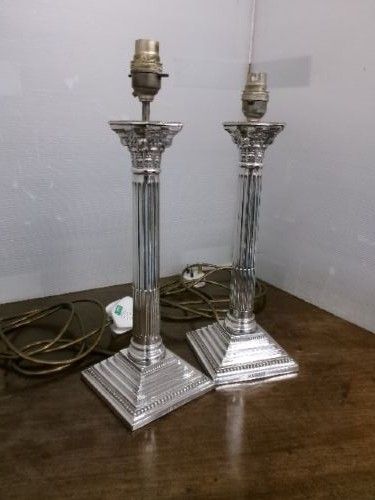
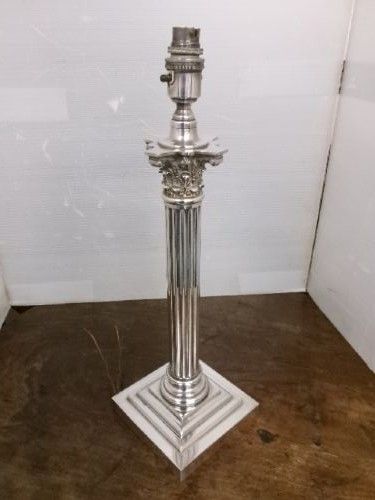
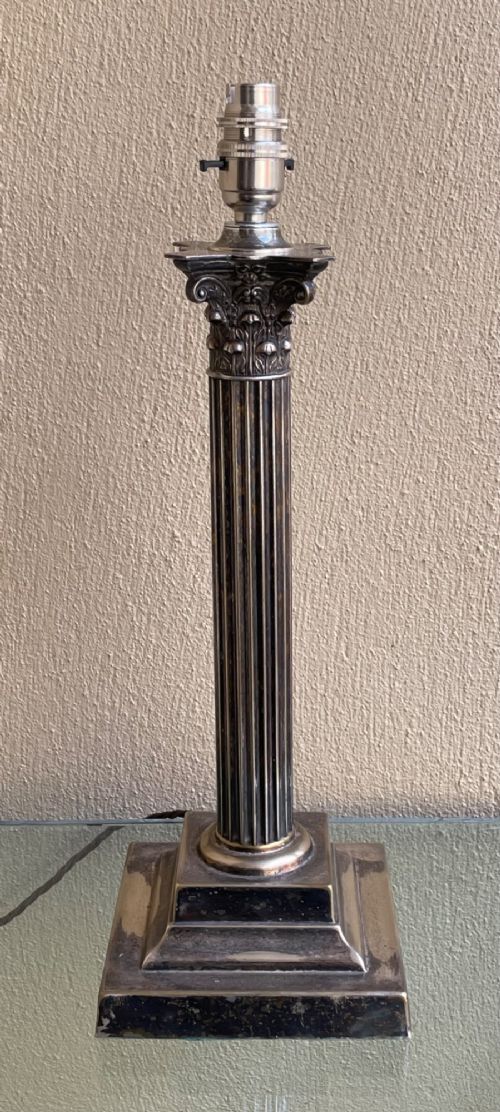
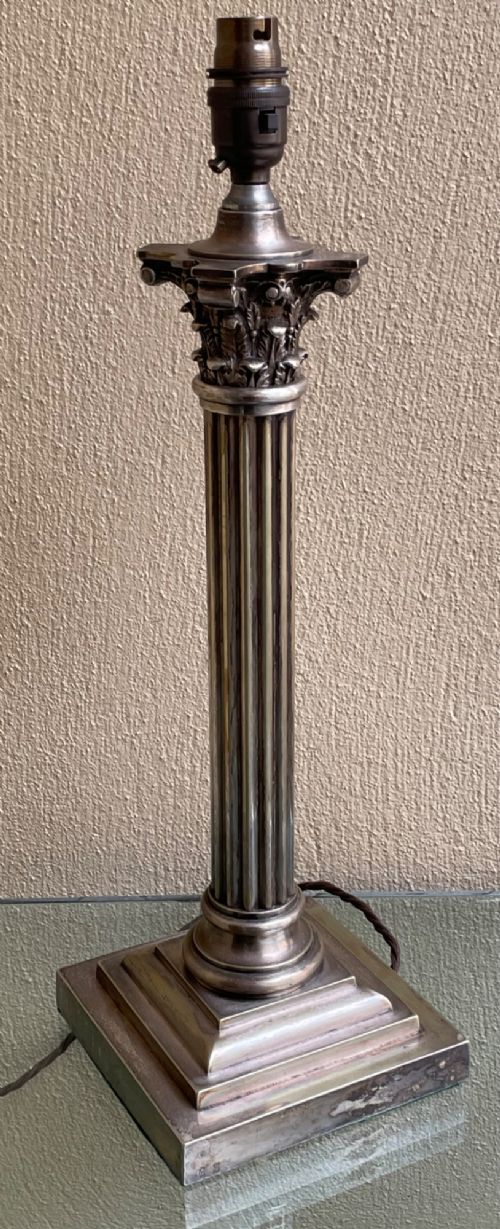
Most examples found here date from the Victorian and Edwardian eras, alongside pieces produced around nineteen twenty and stretching back to the eighteenth century using Old Sheffield Plate. The Corinthian order, complete with acanthus leaf capitals and fluted shafts, dominates the selection.
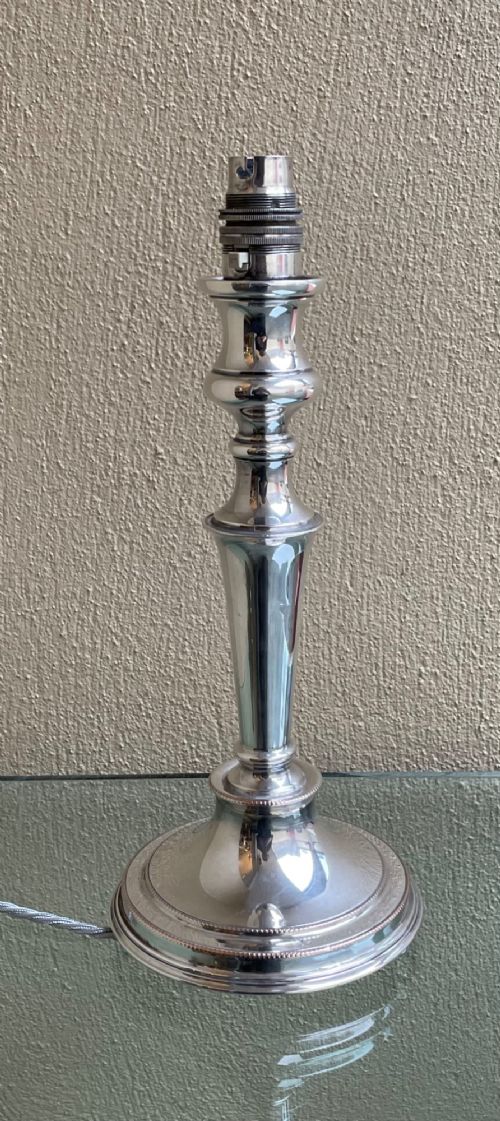
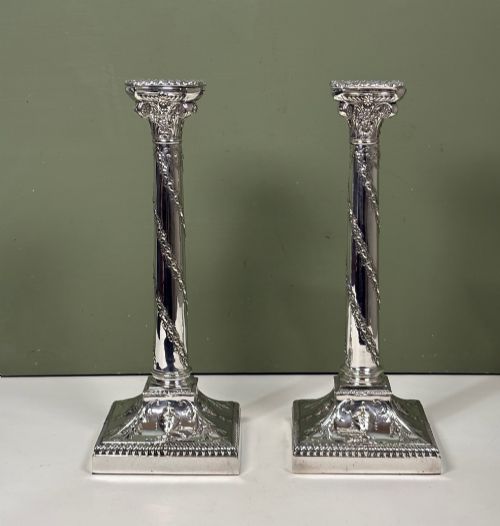
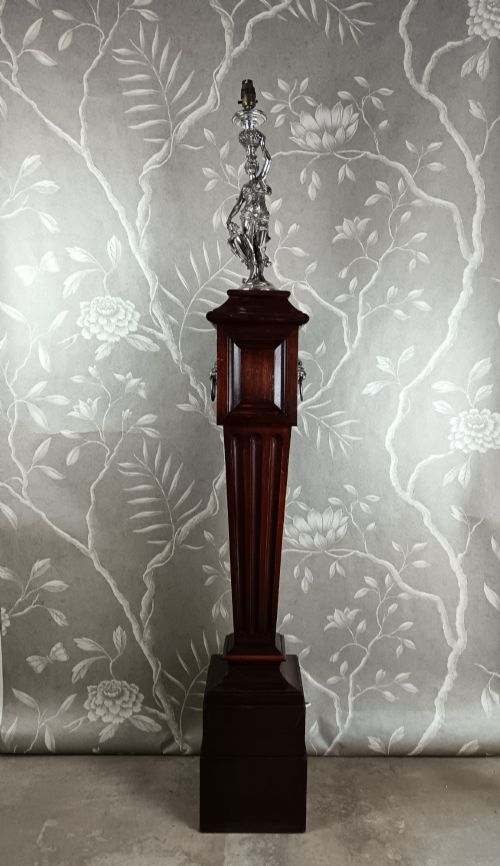
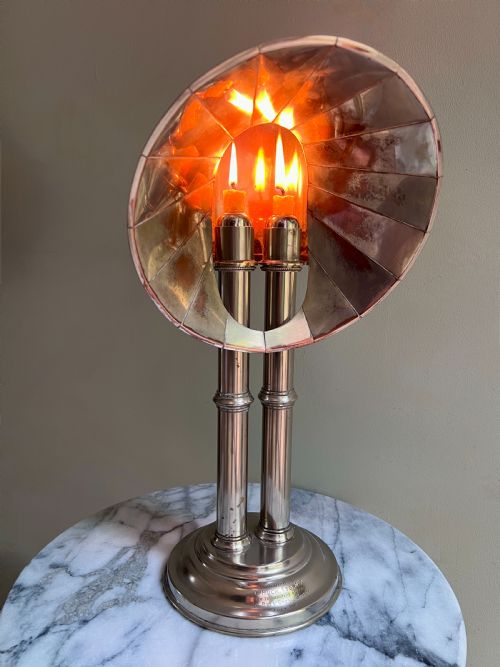
Buyers also encounter simpler classical columns, lyre shaped candelabra, and pedestal torchere floor lamps paired with figural statuary. These items originally served to light grand reception rooms and dining tables before being adapted for modern electrical use.
How they were made
Maker workshops built these lights using a base metal such as brass, copper, or standard metal, which was then coated in silver via electroplating or the earlier Old Sheffield Plate fusion method. This created a durable reflective surface that emulated solid silver without the prohibitive cost.
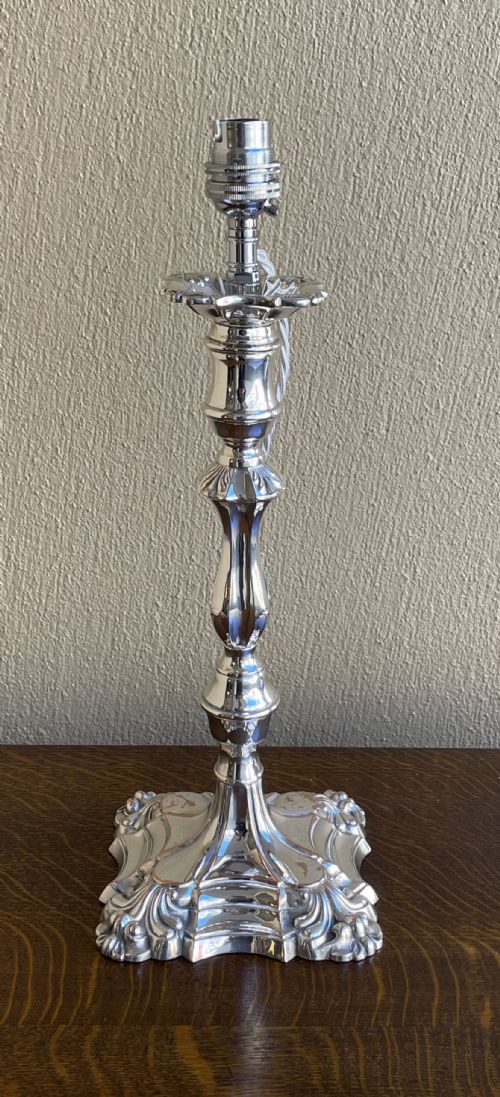
Capitals, bases, and decorative elements like lion paw feet were cast separately and soldered or mechanically joined to the central column shaft. Many examples incorporate weighted bases filled with resin, pitch, or wood to provide stability for tall table lamps and candelabra.
Detailing often included applied beaded borders, reeded fluting, and removable drip pans or sconces on candelabra to catch melting wax. Later adaptations for electricity involved channelling wiring down the central core and mounting compatible lamp holders.
Materials utilised across these pieces include traditional silver plate, Old Sheffield Plate, brass, copper, cut glass, and fabric lampshades.
What varies in quality
Quality rests upon the crispness of the cast ornamentation and the thickness of the silver application over the underlying metal. Finer pieces display deeply carved acanthus leaves on the capitals and sharply defined fluting along the column shaft.
Goldsmiths and Silversmiths Company·Harrison Brothers and Howson·WMF
The Silver Plated Column Light Glossary
- Old Sheffield Plate
- An early fusing technique where a thin sheet of silver is fused to a thicker copper core by heat and pressure. This method predates nineteenth century electroplating and often shows subtle traces of copper showing through high points.
- Corinthian Column
- A classical architectural order featuring an ornate capital decorated with rows of acanthus leaves and small volutes. It serves as the predominant design motif for table lamps in this category.
- Electroplate
- A nineteenth century chemical process that deposits a layer of silver onto a base metal using an electrical current. This technique superseded Old Sheffield Plate and allowed for mass production of heavily detailed items.
- Sconce
- A removable metal pan or nozzle fitted into the top of a candlestick or candelabra arm to catch dripping wax. These components are frequently lost over time, making intact sets more desirable.
- Torchere
- A tall freestanding pedestal or lamp stand designed to hold a light source high above the floor. These pieces often incorporate figural statuary or decorative woodwork alongside silver plated elements.
Silver Plated Column Light: Frequently Asked Questions
How do I clean a silver plated column light?
Use a soft microfibre cloth and a mild, non abrasive silver cleaning cream designed for plated items. Avoid harsh rubbing that might wear through the thin silver layer down to the base metal.
Apply the cleaner gently around cast details like acanthus leaves where residue can accumulate, then rinse carefully and dry immediately with a clean cloth.
Are these lamps safe for modern electrical use?
Many antique lamps have been rewired at some point in their history to meet current safety standards. However, it remains wise to have a qualified electrician inspect older wiring before regular use.
Lamps retain their value when wiring is installed without drilling new holes into the main structural body, preserving the original metalwork.
How can I tell Old Sheffield Plate from later electroplate?
Old Sheffield Plate often reveals a faint reddish hue of copper showing through along sharp edges or high points where the silver layer has thinned from centuries of polishing. Electroplated items usually show a base metal of brass or a uniform greyish metal beneath worn areas.
Weight and manufacturing seams also help date the piece, as fusion plating generally points to eighteenth or early nineteenth century production.
Can I convert a candelabra into a table lamp?
Converting period candelabra is technically possible but alters the original function and historic integrity of the piece. Most collectors prefer to keep multi light candelabra and candlesticks in their original configuration.
Dedicated table lamps designed for lighting usually feature internal weighting and wiring channels specifically engineered for electrical fittings.