





Silver Plated Boats
Silver plated boats bring remarkable dining table elegance, offering the timeless appeal of traditional serveware through durable metal plating.
Silver Plated Boats
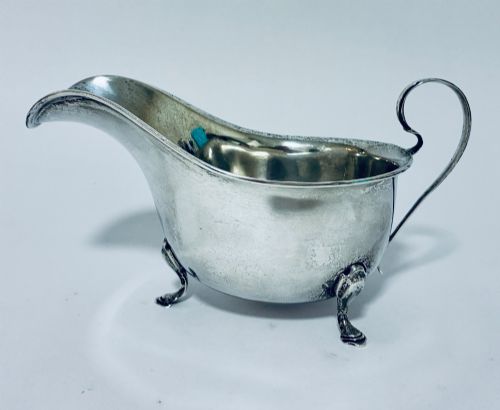
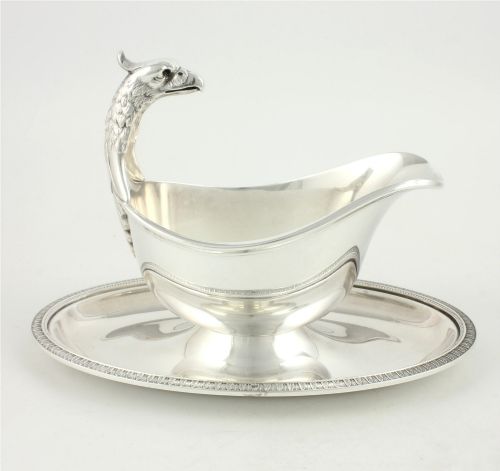
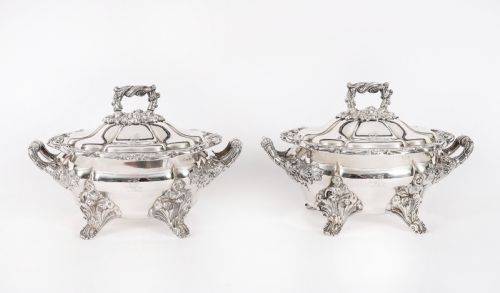
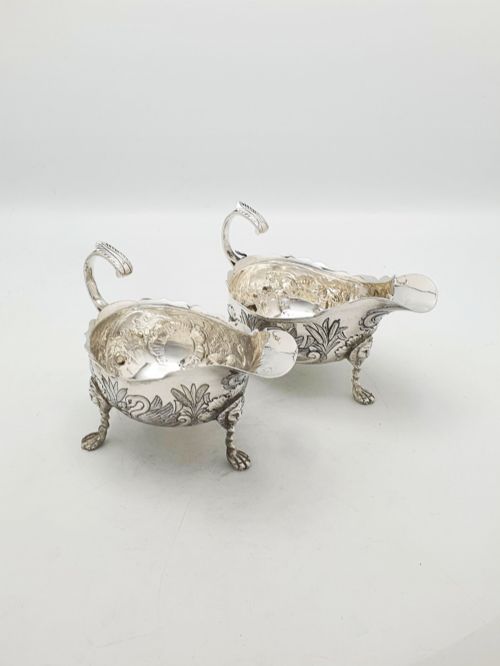
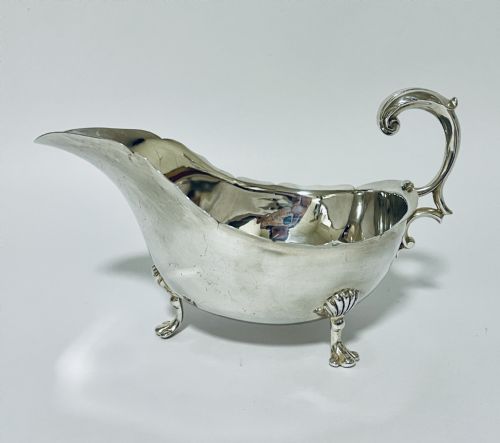
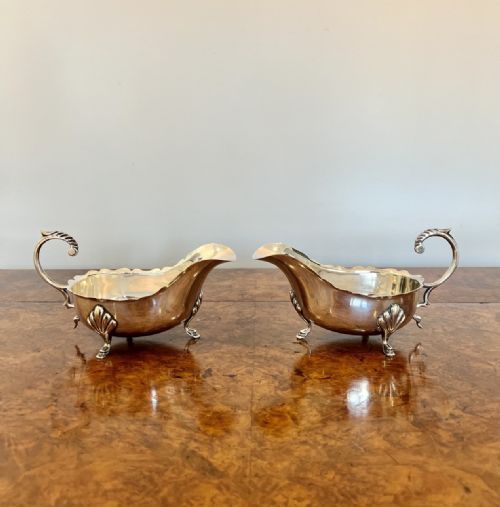
Silver plated boats encompass a range of functional dining vessels designed for sauces, gravy, and condiments, featuring heavily in selections from the eighteenth century to the mid twentieth century. Buyers seeking silver plated boats will encounter classic sauce boats, gravy warmers, and tureens shaped by diverse historical periods including the Edwardian, Victorian, and Georgian eras.
The assortment on this page spans from early Old Sheffield plate specimens to later nickel plated and silver plated items produced by notable makers such as Christofle Gallia and W M F. Alongside traditional sauce boats, collectors find related maritime lighting pieces like ship's gimbal lamps and specialised serving dishes.
Most examples originate from English and French workshops, utilising historical styles that range from restrained eighteenth century forms to flowing Art Nouveau lines and geometric Art Deco designs. These pieces served practical dining functions in period households and now function as decorative serveware.
Materials and Techniques
Makers utilised base metals such as copper, brass, and nickel, applying silver plating or Old Sheffield plating techniques to achieve the appearance of solid silver at a lower cost. Early nineteenth century examples frequently employ Old Sheffield plate, fusing a thin layer of silver to a copper core.
Surface ornamentation involved hand engraving, wirework frames, and applied cast handles or feet, creating detailed forms for sauce boats and tureens. Selected pieces integrate mixed media, combining metal bodies with fabric elements or walnut wooden structures.
Silver Plated Boats Retail Price Guide 2026
Typical asking prices for silver plated boats among the pieces listed under this phrase on Sellingantiques today, from the lower quarter to the upper quarter. They describe what is for sale here now, not the wider market.
Listings include items spanning the eighteenth century through the nineteen fifties, featuring materials such as copper, brass, and nickel alongside silver plate.
Assessing Quality
Quality in silver plated boats depends on the thickness of the original plating and the crispness of the chased or engraved details, which reflect the maker's skill. Pieces retaining their original surface without excessive wear to the underlying copper or brass show superior preservation.
Construction methods also distinguish finer specimens, particularly cast handles, balanced stands, and the structural integrity of hinged lids on argylls and tureens. Maker attribution to established firms like Christofle Gallia or W M F adds significant weight to an object's execution.
Christofle Gallia·Padley Parkin And Staniforth·W M F
The Silver Plated Boats Glossary
- Old Sheffield Plate
- An early method of fusing silver to a copper ingot before rolling into sheets, creating plated metal with a characteristic copper seam visible on close inspection. This technique predates modern electroplating.
- Argyll
- A type of gravy warmer featuring a central cylinder or jacket for hot water to keep sauces warm during meals. These vessels often take the form of small covered tureens or pots.
- Sauce Boat
- A curved vessel with a lip and handle designed for serving gravies or sauces at the table. They frequently rest on fitted trays or integral bases.
- Gimbal Lamp
- A lighting fixture suspended in a ring system to keep the flame level regardless of motion. These were commonly utilised aboard ships.
- Tureen
- A deep covered bowl used for serving soups, sauces, or gravies. Antique examples often appear in matched pairs.
Silver Plated Boats: Frequently Asked Questions
What are silver plated boats used for?
These vessels primarily served to hold and pour gravies, melted butter, and sauces during formal dining. Table guests relied on them to accompany roasted meats and vegetables.
Today, collectors utilise them as decorative dining table centerpieces, condiment holders, or floral display vessels. Their varied forms adapt easily to contemporary interior display.
How do Old Sheffield plate boats differ from later items?
Old Sheffield plate involves fusing silver directly onto a copper base through heat and pressure before fabrication. This eighteenth and early nineteenth century technique creates a distinct visual depth.
Later pieces typically utilise electroplating on nickel, brass, or white metal blanks. This chemical process coats the base metal evenly without the layered structure of fused plate.
What is an argyll gravy warmer?
An argyll is a specialised vessel designed to keep gravy warm by housing a heated water compartment inside the body. This prevents animal fats from solidifying during long meals.
Examples from the eighteenth and nineteenth centuries often feature removable inner cylinders for hot water. They represent sophisticated engineering in historical tableware.
How should silver plated tableware be cleaned?
Maintenance requires gentle washing with warm water and mild soap, followed by thorough drying with a soft cloth. Harsh abrasives must be avoided to protect the thin silver layer.
Occasional polishing with a dedicated silver cream preserves the shine without stripping the plate. Proper storage in dry environments prevents tarnishing.