


Silver Plate Coasters
When choosing silver plate coasters, you are selecting dining table accessories designed to protect polished wood surfaces from bottle moisture.
Silver Plate Coasters
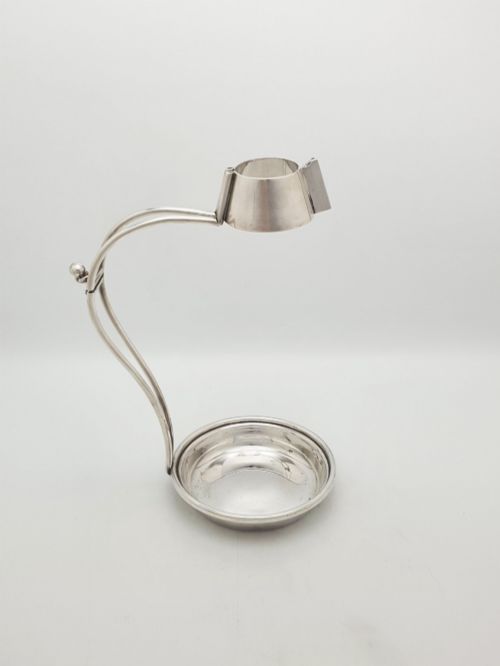
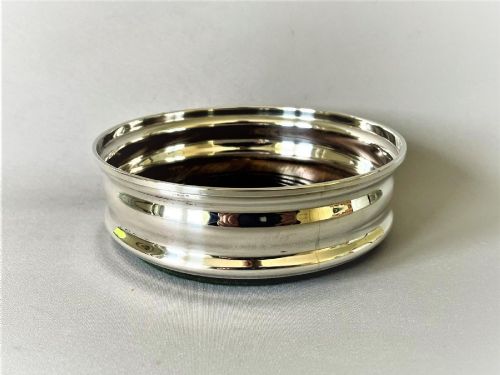
Silver plate coasters are table accessories designed to hold wine bottles, decanters, or champagne magnums while protecting dining room furniture. The selection includes single holders, pairs, and multi-bottle carts spanning from the Georgian and Regency periods through the Victorian and Edwardian eras.
Most examples encountered on this page date from the nineteenth and early twentieth centuries, featuring circular galleries or deep dish forms. Buyers will find individual pieces alongside matching pairs and larger rolling trolleys designed for formal dining.
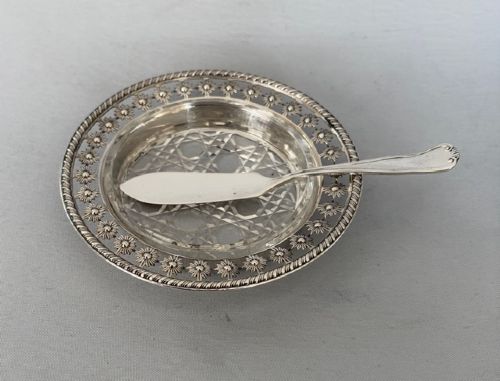
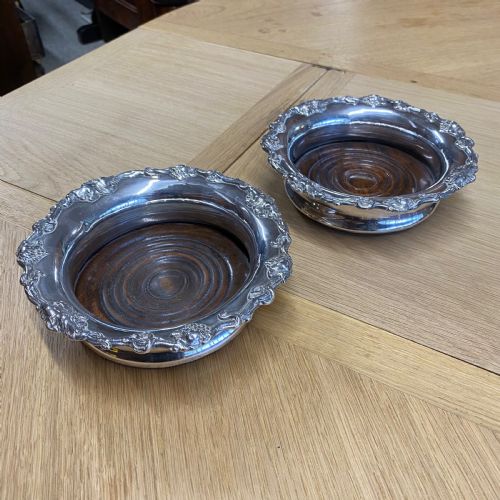
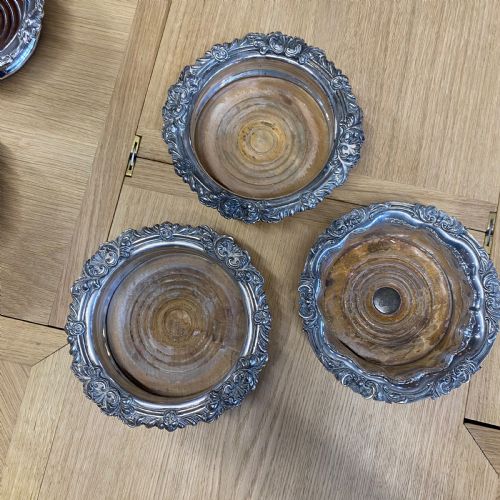
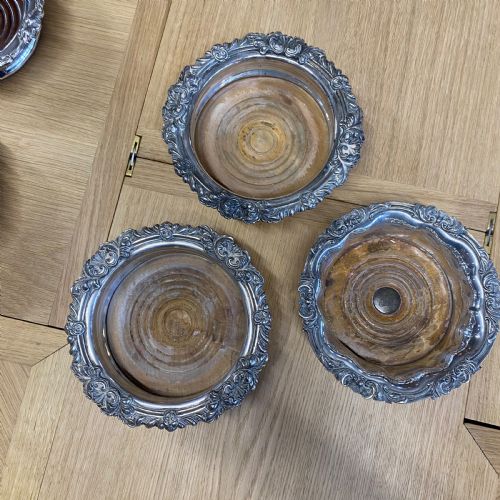
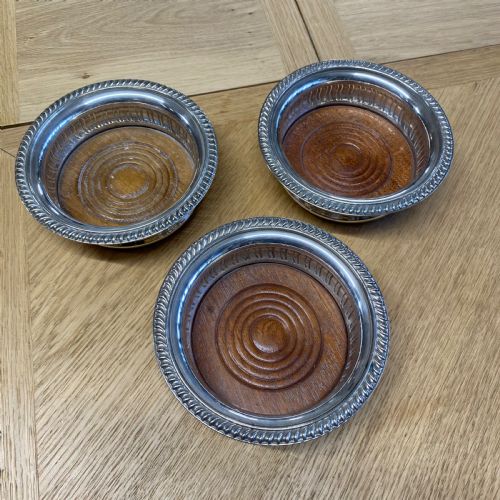
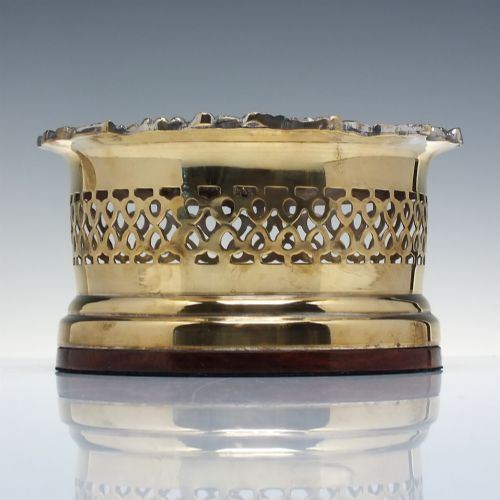
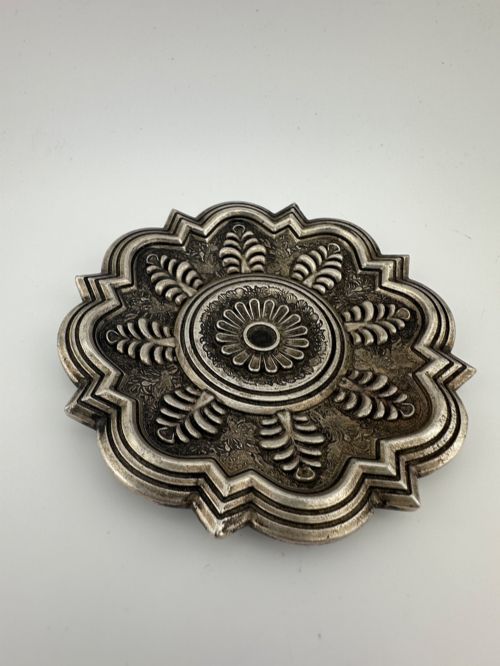
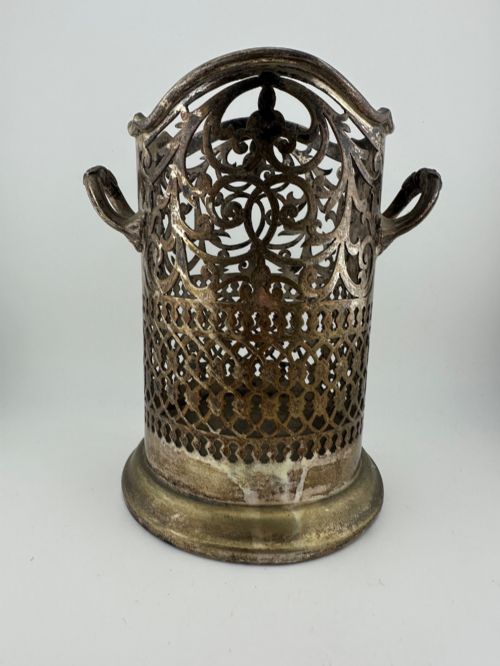
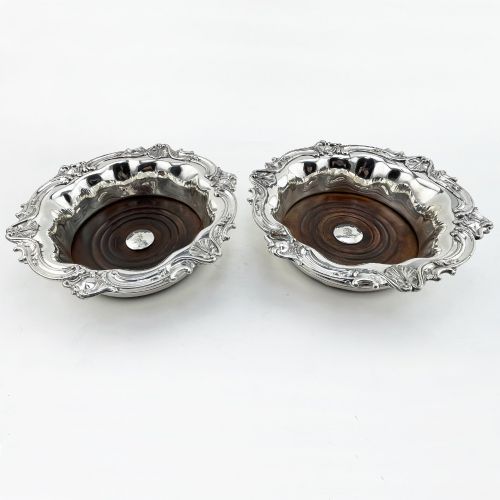
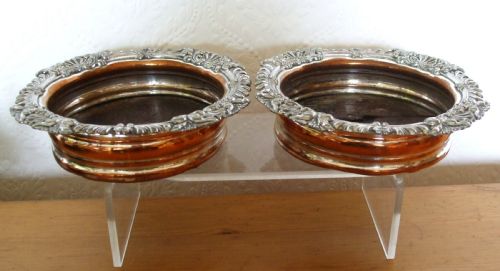
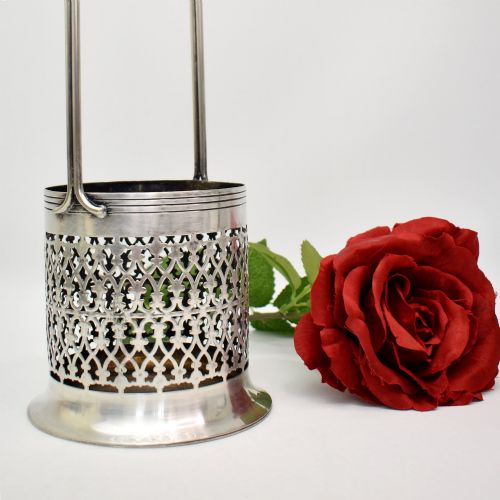
The objects frequently incorporate turned wooden bases made from mahogany or oak, centred with metal buttons. Others utilise pierced metal galleries decorated with vine motifs, floral patterns, or gadrooned rims.
Materials and methods of construction
Early pieces often rely on Old Sheffield Plate, a technique fusing a thin sheet of silver onto a thicker copper base before shaping. This method frequently reveals faint copper seams along the exposed edges where the metals meet.
Later nineteenth and twentieth-century production shifts to electroplating, applying a silver coating directly onto base metals like copper or white metal alloys. Workshops combined these plated galleries with turned timber inserts, securing the wood with central metal bosses.
Silver Plate Coasters Retail Price Guide 2026
Typical asking prices for silver plate coasters among the pieces listed under this phrase on Sellingantiques today, from the lower quarter to the upper quarter. They describe what is for sale here now, not the wider market.
Some nineteenth-century hosts preferred rolling wheeled carts so the port could navigate sharp corners around the table without spilling.
Markers of distinction and craftsmanship
Quality rests in the crispness of the chased or pierced decoration, where hand-piercing and deep relief work outlast shallow machine stampings. Heavy gauge metalwork provides structural integrity, ensuring galleries resist bending during daily use.
The integrity of the turned wooden base and the retention of the original silver layer dictate the standing of an individual piece. Makers who incorporated weighted baize-lined bases and distinct maker marks elevate the historical interest of the object.
Matthew Boulton·Mappin & Webb·Christofle·Elkington & Co·Barker-Ellis·Hawksworth Eyre & Co·Brook & Son·Rupert Favell & Co·Maple·Tiffany & Co
The Silver Plate Coasters Glossary
- Old Sheffield Plate
- An early fusing technique where a sheet of silver is melted onto a copper ingot before rolling. This process creates distinctive dual-metal edges visible on pieces from the Georgian period.
- Gallery
- The raised outer wall of the coaster, often pierced or pierced and engraved with decorative motifs. This structure holds the bottle upright while displaying ornamental metalwork.
- Decanter Trolley
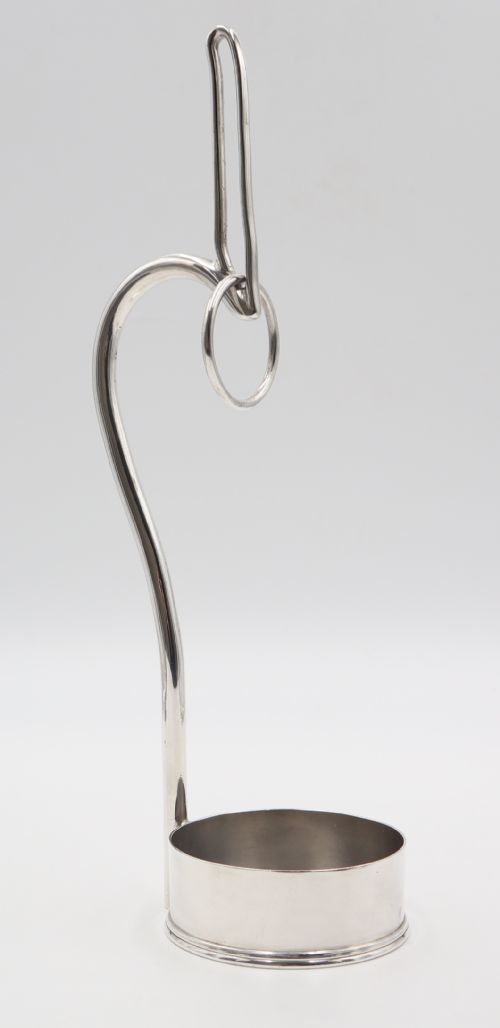
- A wheeled carriage or cart designed to transport multiple wine bottles across the dining table. These frames frequently connect two or three coaster rings together on small wheels.
- Base Button
- A central metal disc set into the wooden insert of the coaster. This element often bears maker initials or provides a fixing point for the turned timber.
- Vermeil
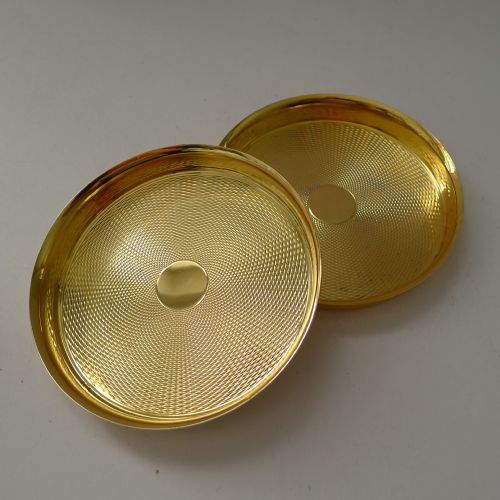
- Sterling silver plated with a thin layer of gold. This decorative coating appears on select mid-century dining accessories.
Silver Plate Coasters: Frequently Asked Questions
How were silver plate coasters used on the dining table?
These pieces sat upon the dining table to hold decanters and wine bottles, sliding between guests during after-dinner port or claret service. The raised rims prevented condensation and drips from marking polished mahogany surfaces.
Multi-bottle carts and trolleys allowed hosts to glide several vintage selections along the table smoothly without lifting heavy glass bottles.
What is the difference between Old Sheffield Plate and later silver plate?
Old Sheffield Plate involves physically fusing a layer of silver to a copper core through heat and pressure prior to shaping the metal. Examination of the rim often reveals the underlying copper showing through.
Later Victorian and Edwardian manufacturing utilised electroplating, depositing a uniform layer of silver onto a base metal using electrical current. This chemical process left a more even coating without the characteristic edge seams of earlier production.
How do I date an antique silver plate coaster?
Dating relies on stylistic clues, manufacturing techniques, and maker marks stamped into the metal galleries. Georgian and Regency examples feature heavy gauge Old Sheffield Plate with crisp neoclassical or gadrooned borders.
Victorian and Edwardian versions often display pierced floral galleries, grape motifs, or turned wooden bases made from mahogany and oak. Maker stamps can be cross-referenced against historical hallmarking and registration records.
Can these coasters be used for modern wine bottles?
Most standard antique coasters accommodate traditional bordeaux and burgundy wine bottles comfortably. Some nineteenth-century examples specifically house wider champagne magnums or tapered decanters.
Measuring the internal diameter of the gallery ensures contemporary bottle shapes fit securely within the wooden or baize-lined base.