

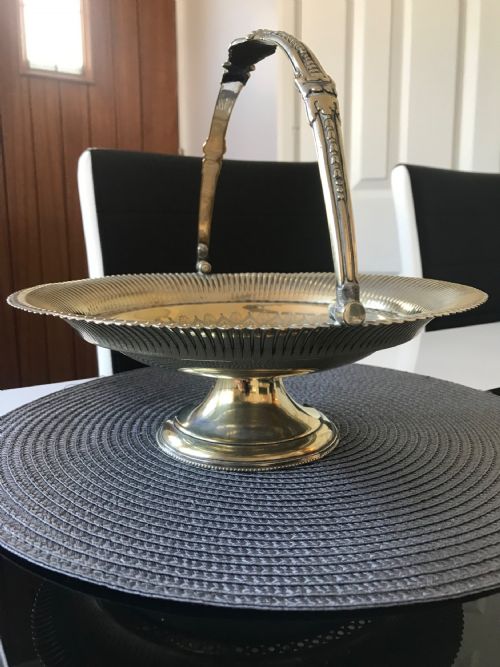
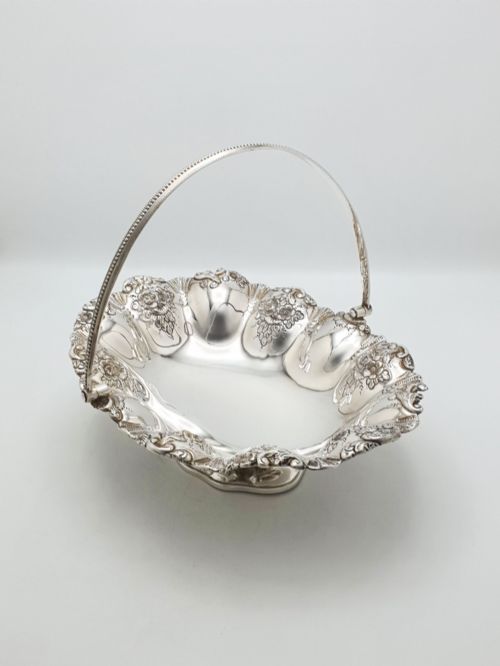


Silver Plate Bread Dish
A silver plate bread dish brings heavy Victorian and Edwardian weight to the table, offering a bright surface for bread, cakes or fruit.
Silver Plate Bread Dish
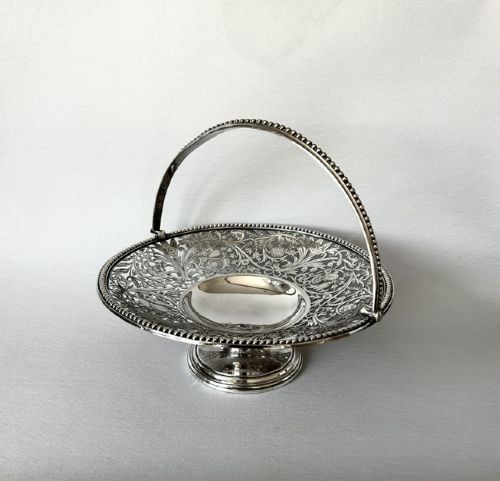
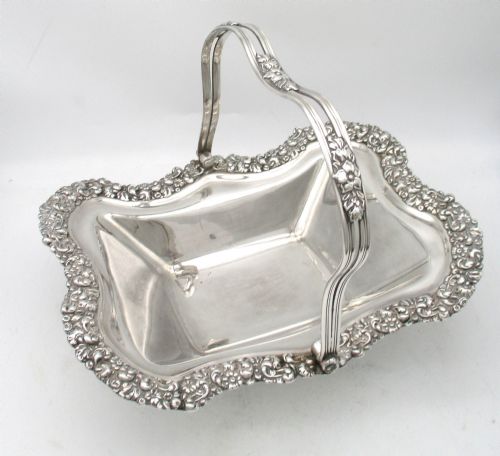
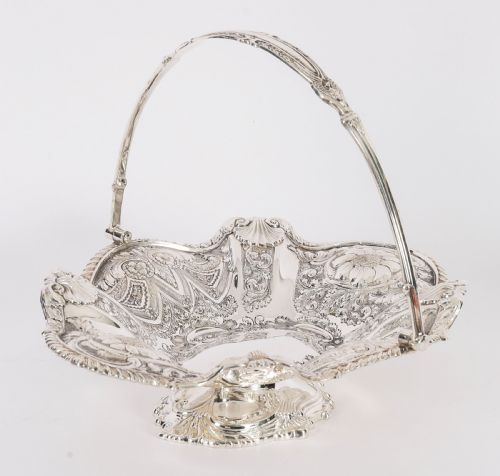
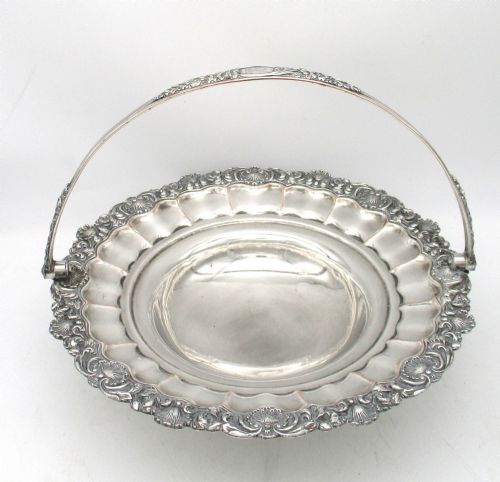
A silver plate bread dish serves table functions across periods spanning the nineteenth century through to the art deco era of the nineteen thirties. These pieces appear in forms such as swing-handle baskets, decorative fruit bowls, round serving dishes and knife trays.
The nineteenth century examples often display pierced or repoussé work, while later twentieth century pieces include French art deco designs and Edwardian cake baskets. Buyers meet these items under overlapping titles including bread baskets, fruit dishes and serving trays.
Methods and materials of manufacture
Makers utilised base metals like copper, nickel silver and brass, coating them with a layer of silver through electroplated nickel silver and standard silver plating. Early pieces frequently relied on old Sheffield plate, fusing a thin sheet of sterling silver to a copper core.
Detailing on these items involved hand chasing, floral engraving and piercing, alongside cast swing handles and applied floral repoussé rims.
Silver Plate Bread Dish Retail Price Guide 2026
Typical asking prices for silver plate bread dish among the pieces listed under this phrase on Sellingantiques today, from the lower quarter to the upper quarter. They describe what is for sale here now, not the wider market.
Listings feature materials spanning copper, brass, nickel silver, silver plate, EPNS, old Sheffield plate and solid silver across multiple styles.
Distinctions in craftsmanship and wear
Quality rests upon the weight of the base metal and the crispness of the hand-chased or pierced decoration, which separates mass-produced items from finely worked workshop pieces. Pieces retaining distinct crests, sharp floral engraving and intact plating demonstrate superior initial manufacture.
The durability of the underlying copper or nickel silver dictates how well the object handles centuries of polishing, while the retention of the original silver layer preserves the visual depth intended by the silversmith.
George W. Scott & Sons Ltd·Mappin & Webb·Elkington·Creswick·Walker Knowles·Walker & Hall·Atkin Brothers·Brille, Paris
The Silver Plate Bread Dish Glossary
- Old Sheffield plate
- A method of fusing a thin sheet of silver to a thick copper base before rolling them together into sheets for fabrication. This technique precedes standard electroplating.
- Electroplated nickel silver
- A base alloy of copper, nickel and zinc coated with a layer of silver via an electrical current. This process became widespread during the nineteenth century.
- Repoussé
- A metalworking technique where the artisan hammers the design from the reverse side to form raised patterns on the front. It frequently appears around the rims of baskets.
- Pierced work
- The practice of cutting decorative apertures through the metal wall of a dish or basket. This lightens the overall form and creates intricate patterns.
- Swing handle
- A movable arched handle attached to the sides of a basket or dish via pivots. It allows the vessel to fold flat or remain upright for serving.
Silver Plate Bread Dish: Frequently Asked Questions
How do I clean a silver plated bread dish?
Use a soft cloth with a mild, non-abrasive silver polish formulated to protect plated surfaces from excessive wear.
Avoid harsh scrubbing or dips that strip the remaining silver layer away from the base copper or nickel.
Can I use these dishes for food daily?
These pieces serve bread, fruit and dry foods safely provided the underlying metal remains covered by intact silver plating.
Wash them by hand immediately after use and dry thoroughly to prevent moisture damage.
What is the difference between old Sheffield plate and electroplate?
Old Sheffield plate involves physically fusing a sheet of solid silver to copper, creating a rich edge where the copper shows through wear.
Electroplate applies a chemical silver coating over a base metal via electricity, a process introduced later in the nineteenth century.
How do I date a silver plated basket?
Examine the style, manufacturing marks and techniques such as hand piercing versus machine stamping to narrow the period.
Victorian pieces often feature heavy floral repoussé, while nineteen thirties items adopt geometric art deco lines.