







Silver Plate Beverage Mixer
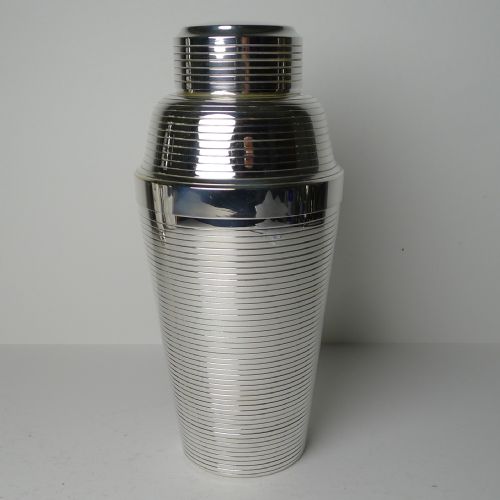
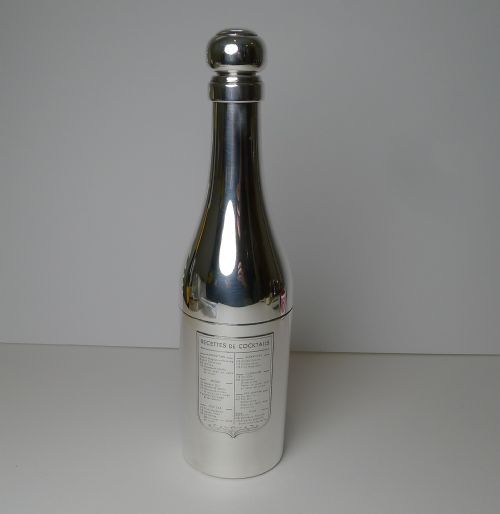
These silver plate beverage mixer designs bring quintessential Art Deco and Mid-Century Modern style to the cocktail hour.
Silver Plate Beverage Mixer
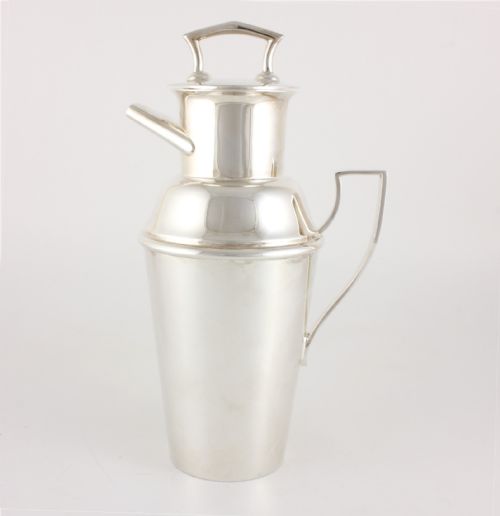
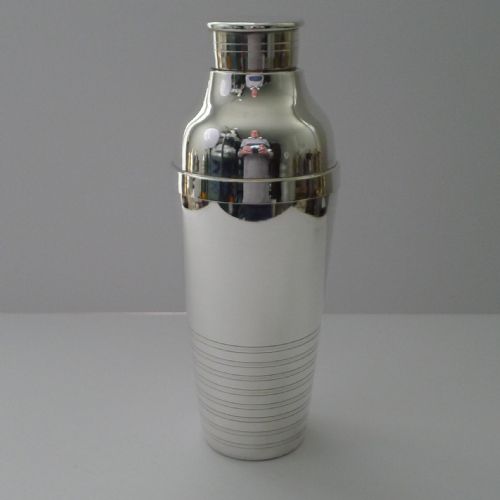
A silver plate beverage mixer is fundamentally a cocktail shaker designed for preparing mixed drinks in style, most frequently taking the form of striking Art Deco and Mid-Century Modern barware. These vessels span decades from the nineteen-twenties through to the nineteen-fifties, with nineteen-thirty examples appearing most commonly on this page.
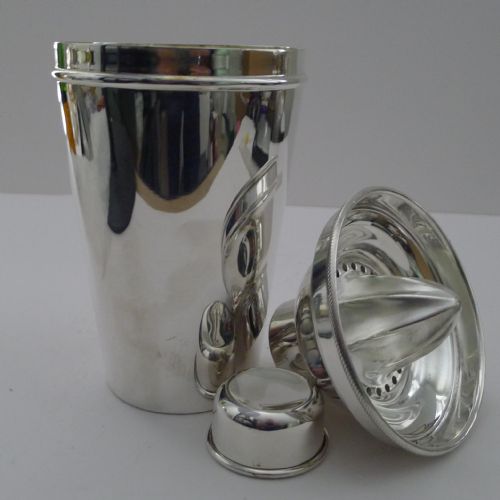
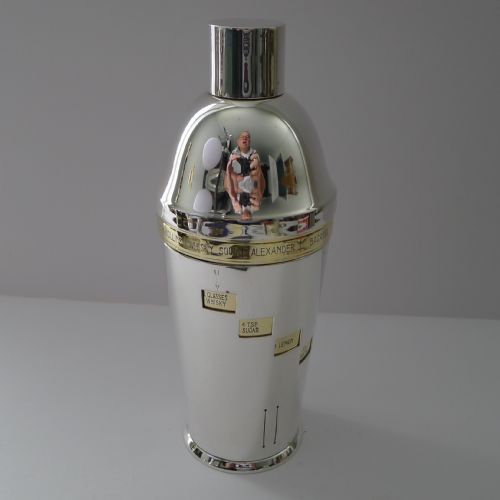
The collection ranges from standard cylindrical shakers to novelty forms shaped like milk churns, champagne bottles, and versions featuring integral lemon squeezers or rotating recipe mechanisms. English, French, German, and Italian makers are all represented in these barware pieces.
Buyers will find both plain polished surfaces and elaborately engraved recipe designs. The objects serve as both functional bar equipment and decorative centrepieces for home entertaining.
Materials and construction
These pieces utilise base metals coated with a layer of silver, predominantly appearing as silver plate, electroplated nickel silver, and EPNS, occasionally accompanied by brass components. The application of silver plating provided the brilliant sheen associated with luxury dining without the cost of solid silver.
Manufacturing techniques of the period allowed for complex assemblies, such as internal lemon squeezers, rolling mixer recipe bands, and rotating dials. Joints and seams were soldered or spun to create watertight vessels capable of vigorous shaking.
Listings feature items from the nineteen-twenties, nineteen-thirties, nineteen-forties, and nineteen-fifties, employing silver plate, brass, and EPNS.
Assessing quality in silver plate barware
Quality in a silver plate beverage mixer rests upon the thickness of the silver plating and the integrity of the underlying metal, which determines how well the surface resists wear over decades of use. Weight also plays a role, as heavier gauge metal offers a more substantial feel in the hand during operation.
The precision of mechanical elements, such as rotating recipe bands, tight-fitting lids, and functional integral squeezers, distinguishes standard production items from superior workshop output. Maker attribution and crispness of engraved decoration further elevate certain pieces above anonymous examples.
Asprey And Co·Lino Sabattini For Christofle·Hukin And Heath·Adie Brothers·Carl Deffner·Mappin And Webb
The Silver Plate Beverage Mixer Glossary
- Electroplated Nickel Silver
- A copper, nickel, and zinc alloy coated with a layer of silver through an electrolytic process. This material provided a durable and bright foundation for twentieth-century tableware.
- EPNS
- An abbreviation for electroplated nickel silver, commonly stamped as a mark on British metalware. It indicates the metallic composition beneath the silver coating.
- Art Deco
- A design style prevalent during the nineteen-twenties and nineteen-thirties characterised by sleek geometric shapes and stylised motifs. This aesthetic dominates the shakers seen here.
- Mid-Century Modern
- An architectural, interior, and product design trend spanning the middle decades of the twentieth century. It produced clean lines and functional minimalist forms.
- Barware
- Equipment and utensils used for mixing and serving alcoholic drinks. This category includes shakers, strainers, and measure cups.
Silver Plate Beverage Mixer: Frequently Asked Questions
How do I clean a silver plated cocktail shaker?
Use a soft cloth and a dedicated silver polish designed for plated items to gently remove tarnish without rubbing away the thin silver layer. Avoid harsh abrasives or soaking the piece in chemical dips, particularly if it has internal components or engraved text.
Dry the vessel thoroughly after washing to prevent water spots and tarnishing. Store it in a dry environment away from direct sunlight.
Are these vintage cocktail shakers still usable?
Most of these shakers remain fully functional for mixing drinks, provided the seals and lids fit securely. Ensure the interior is clean and the silver plating is intact before preparing beverages.
Hand wash only after use, as dishwasher cycles will damage the silver plate and any mechanical recipe components. Check that internal squeezers or strainers move freely before filling.
How do I identify the period of a mixer?
Examine the stylistic cues, such as the geometric lines of Art Deco pieces from the nineteen-thirties or the later modernist shapes from the nineteen-fifties. Maker marks and stamps stamped onto the base often provide clues to the manufacturing decade.
Consult the types of mechanisms used, as rotating recipe rings and novelty shapes like milk churns gained popularity in specific eras. Comparing the design to documented workshop output helps confirm the date.
What is the difference between EPNS and silver plate?
EPNS specifically denotes electroplated nickel silver, which uses a specific nickel-copper-zinc alloy as the base metal beneath the silver coating. Silver plate is a broader term that can describe silver applied over various base metals including brass or white metal.
Both materials achieve a similar outward appearance of polished silver. Maker marks often clarify the exact metal composition used beneath the plating.