



Silver Plate and Glass Jug
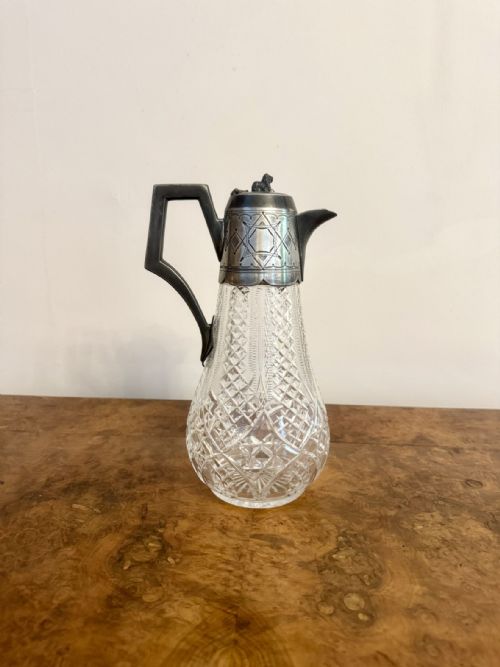
A silver plate and glass jug marries clear or coloured vessels with metal mounts to pour wine and water with distinction.
Silver Plate and Glass Jug
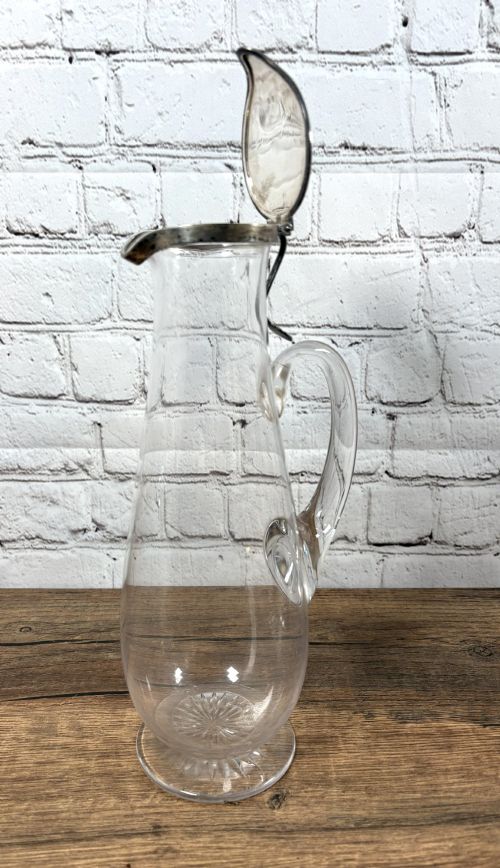
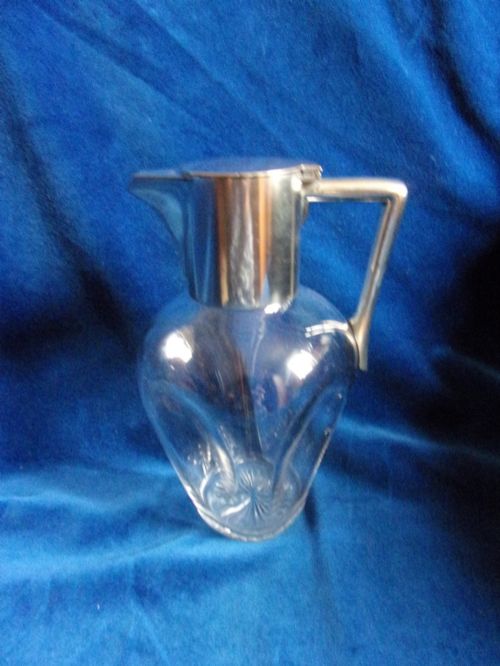
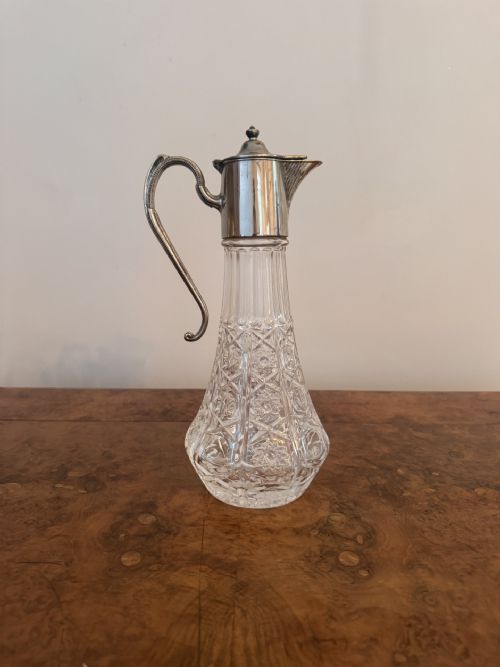
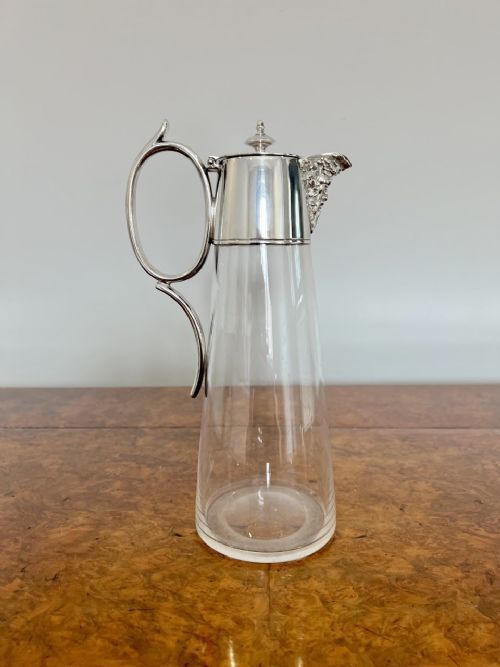
A silver plate and glass jug serves as a functional vessel for wine, claret, or water, combining tactile glass bodies with metal hinged lids, handles, and collars. Buyers searching this phrase encounter forms ranging from tall claret ewers to robust water pitchers and wine decanters.
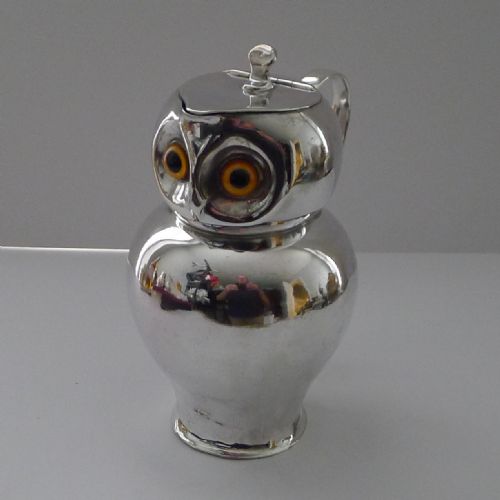
The versions met most frequently on this page date from the Victorian and Edwardian periods, stretching from the mid-nineteenth century through to the early twentieth century. Makers of these eras utilised diverse forms, including novelty animal shapes and geometric cut glass bodies.
Materials and technique
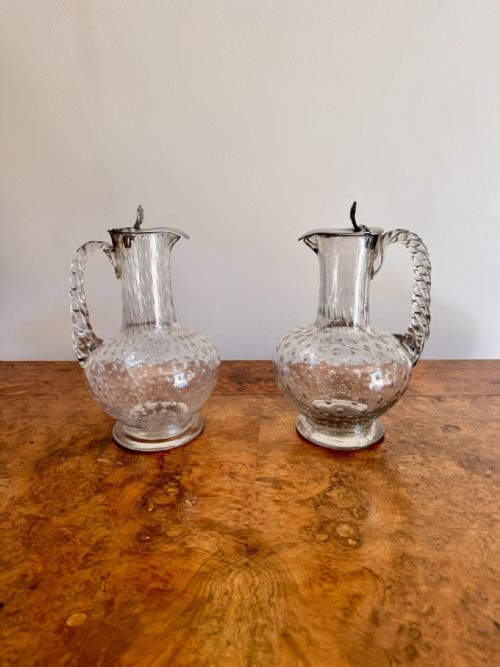
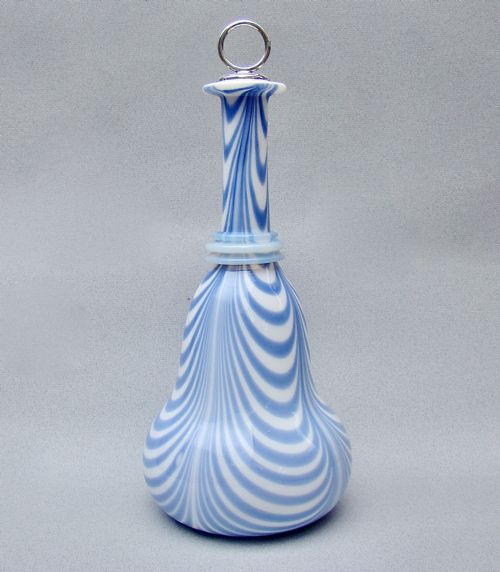
Craftsmen shaped the vessels using heavy lead crystal, cut glass, or blown coloured glass such as cranberry and Nailsea variants, often cutting deep facets or etching intricate patterns into the surface. These transparent and translucent bodies were then fitted with durable silver plate mounts, hinged covers, and substantial handles.
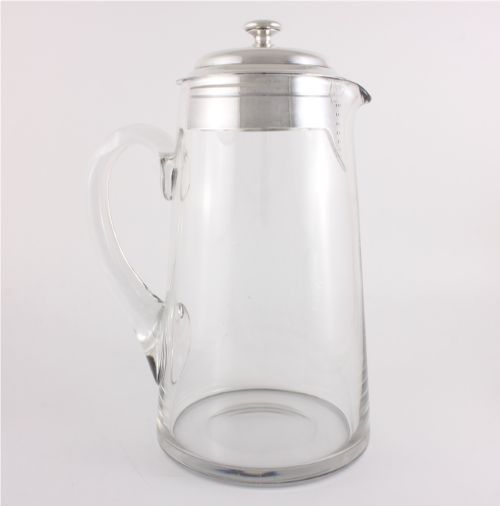
Silversmiths anchored the metalwork securely around the glass necks and rims, employing specialised techniques to attach decorative spouts and ergonomic handles without damaging the fragile vessel. Artisans also integrated internal silver-plated ice chambers to chill beverages without dilution.
Silver Plate and Glass Jug Retail Price Guide 2026
Typical asking prices for silver plate and glass jug among the pieces listed under this phrase on Sellingantiques today, from the lower quarter to the upper quarter. They describe what is for sale here now, not the wider market.
Listings feature Victorian and Edwardian pieces alongside rarer Arts and Crafts and Art Nouveau designs in cut glass, crystal, and cranberry glass.
Evaluating the standard
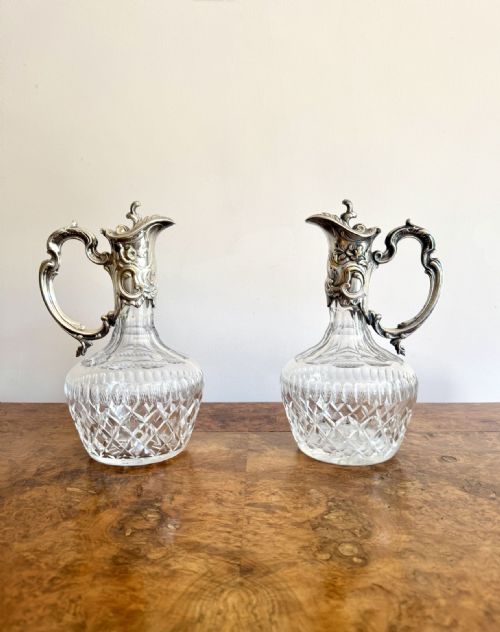
Quality rests in the harmony between the glass body and the silver-plated metalwork, where heavier cut crystal and thick silver plating command greater regard than thin, pressed glass with sparse mountings. Superior pieces exhibit crisp geometric cutting or precise etching that catches the light cleanly.
Design distinction elevates certain examples, particularly those bearing the hallmarks of recognised firms or avant-garde designers who integrated structural mounts with organic glass forms. The crispness of the casting on the handle and the secure articulation of the hinged lid further separate standard production items from masterworks.
Christofle·Mappin & Webb·Hukin & Heath·Elkington
The Silver Plate and Glass Jug Glossary
- Claret jug
- A specialised pouring vessel designed specifically for serving red wine, typically featuring a glass body and a hinged silver-plated lid.
- Old Sheffield Plate
- An early form of plated metal produced by fusing a sheet of silver to a copper base before rolling them together.
- Cranberry glass
- A rich red transparent glass coloured by the addition of gold chloride during the melting process.
- Ewer
- A large jug with a wide spout and a curved handle, often decorative in form and descending from classical shapes.
- Ice tube
- A cylindrical metal insert placed inside the jug to hold ice, keeping liquids cold without watering them down.
Silver Plate and Glass Jug: Frequently Asked Questions
How do I clean my jug?
Cleaning requires warm soapy water and a soft cloth to protect the silver plate from harsh abrasives. Avoid submerging antique pieces for extended periods to protect the internal seals and mounts.
Dry the metal thoroughly after washing to prevent tarnishing. For the glass interior, use specialised bottle brushes rather than chemical cleaners that might harm aged surfaces.
How were these jugs used?
Victorian households utilised these vessels during formal dinners and afternoon gatherings to dispense claret, lemonade, or water. The hinged lid allowed servants or hosts to pour wine easily at the table.
Some iterations included internal ice chambers to keep beverages chilled during long meals. Others served as decorative display pieces on sideboards when not in active use.
How do I date a jug?
Dating relies on stylistic clues, such as the geometric patterns of the cut glass and the curves of Art Nouveau or Arts and Crafts mounts. Victorian and Edwardian design aesthetics provide distinct markers for the manufacturing decade.
Maker marks stamped onto the silver-plated mounts offer direct evidence of the manufacturing firm and era. The thickness of the glass and the weight of the metal also point to specific nineteenth or early twentieth-century production methods.