




Silver Pique Jewellery
Silver pique jewellery brings together rich tortoiseshell and precious metals, offering a tactile piece of Victorian and Edwardian craftsmanship that collectors prize.
Silver Pique Jewellery
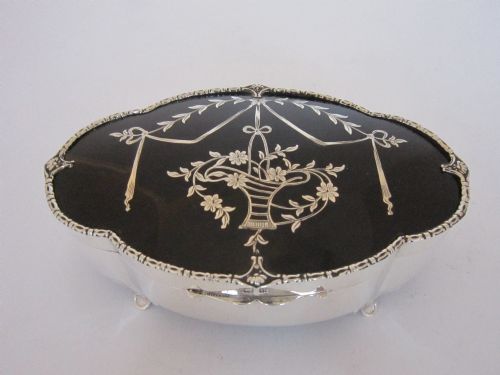
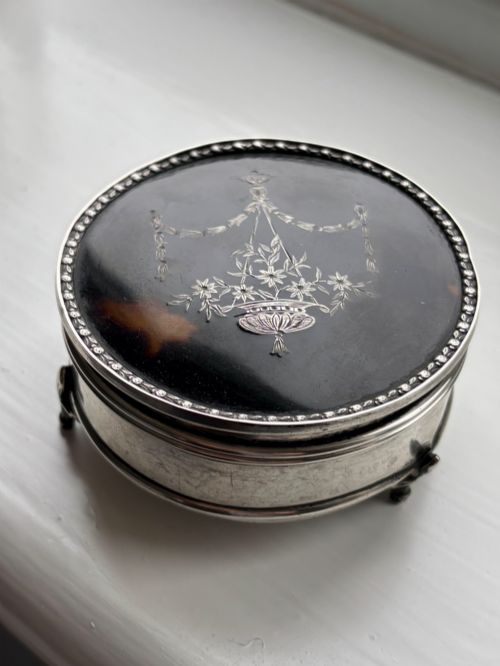
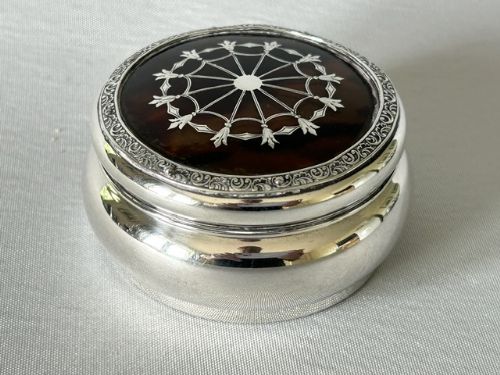
Silver pique jewellery encompasses small personal adornments and decorative containers created during the Victorian, Edwardian, and George V eras. Pieces range from brooches and pendants to larger trinket and dressing table boxes.
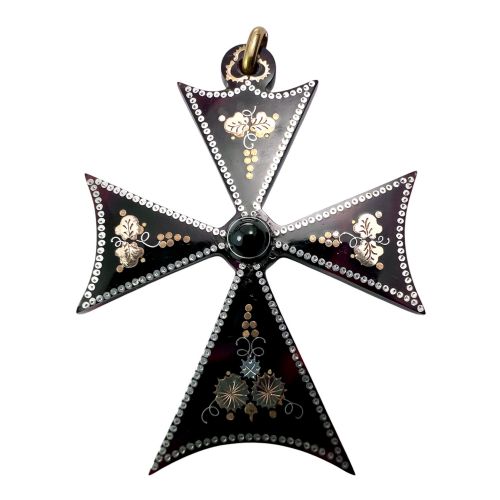
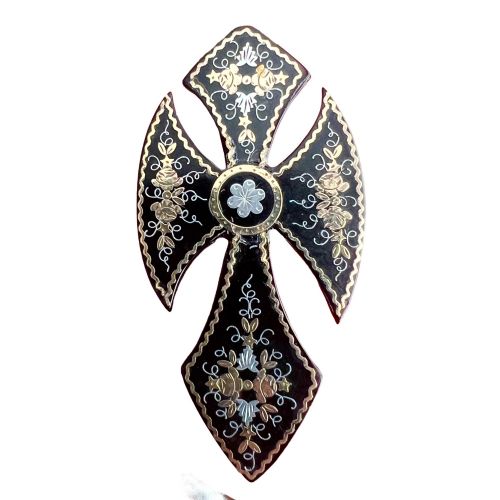
The most common formats on this page are tortoiseshell brooches featuring metallic inlay and silver-mounted boxes. These items combine organic shell bases with contrasting metalwork.
Victorian examples often lean towards crosses and lockets utilising gold and silver inlay, while later Edwardian and George V pieces frequently focus on sterling silver boxes.
How they were made
Craftsmen inlaid fine silver and gold wire or tiny stamped motifs directly into heated tortoiseshell or faux tortoiseshell. The organic material held the metal securely as it cooled.
Mounts and frames utilised sterling silver or gold, often featuring rope-edge details or enamel work. Boxes required precise carpentry and hinge fitting to house the delicate shell lids.
Silver Pique Jewellery Retail Price Guide 2026
Typical asking prices for silver pique jewellery among the pieces listed under this phrase on Sellingantiques today, from the lower quarter to the upper quarter. They describe what is for sale here now, not the wider market.
What varies in quality
The intricacy of the inlay work separates standard items from exceptional pieces. Denser patterns of gold and silver require greater skill than sparse geometric pins.
The condition and warmth of the underlying tortoiseshell dictate the visual appeal of a piece. Deeper amber tones and intact mounts elevate the overall standard.
Ollivant & Botsford·Asprey & Co.
The Silver Pique Jewellery Glossary
- Piqué work
- The technique of inlaying tiny pins, strips, or points of gold and silver into a non-metallic base such as tortoiseshell. This method creates shimmering surface patterns.
- Tortoiseshell
- A mottled brown and amber material sourced from the shell of certain turtle species, widely used in nineteenth-century decorative arts. Faux alternatives replicate this coloration.
- Trinket box
- A small lidded container designed for storing rings, brooches, and pins on a dressing table. Many feature inset pique panels on their lids.
- Rope-edge mount
- A twisted metal border enclosing a cameo, stone, or pique panel. This framing technique adds texture and structural security to brooches and pendants.
Silver Pique Jewellery: Frequently Asked Questions
How do I date silver pique jewellery?
Dating relies on hallmarks stamped on the silver mounts, combined with stylistic clues such as the shape of the brooch or box. Victorian pieces often display heavier gold and silver inlay, whereas Edwardian and George V items frequently use sterling silver framing.
Examining the construction of the hinges and pin stems also helps establish the era of manufacture.
What is faux tortoiseshell?
Faux tortoiseshell is a manufactured substitute designed to mimic the mottled amber appearance of natural shell. It appears in several dressing table boxes on this page.
This material allowed makers to produce decorative items without relying entirely on natural organic supplies.
How were pique brooches worn?
Victorian ladies wore pique brooches fastened to heavy fabrics, lace collars, or sashes. Many examples from this era double as pendants, offering versatile ways to display the inlay work.
The secure rope-edge mounts helped protect the tortoiseshell edges from everyday friction.
How should I clean silver pique items?
Cleaning requires a soft, dry cloth to remove dust from the tortoiseshell and silver surfaces. Harsh chemical dips will damage the organic shell and ruin the inlaid metals.
Keeping pieces away from direct sunlight and excessive heat preserves the colour and prevents warping.