





Silver Page Opener
A silver page opener is a desk accessory designed to cut paper edges and turn leaves, combining practicality with fine metalwork.
Silver Page Opener
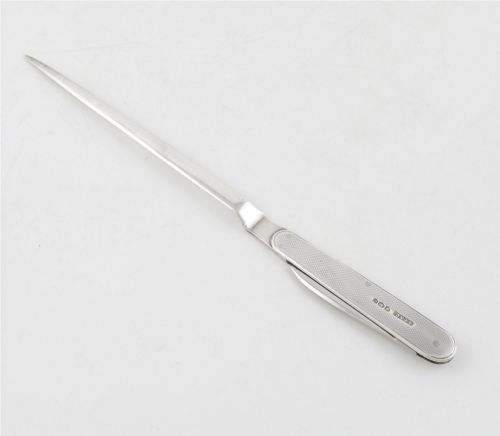
A silver page opener serves as a refined desk accessory for cutting uncut pages and turning leaves in books or correspondence. When you search for a silver page opener, you encounter forms ranging from simple metal blades to substantial page turners combined with handles.
The pieces listed on this page span the Victorian, Edwardian, and Art Deco periods, alongside Scottish Provincial and Arts and Crafts examples. You are most likely to meet sterling silver and silver-mounted designs paired with organic materials.
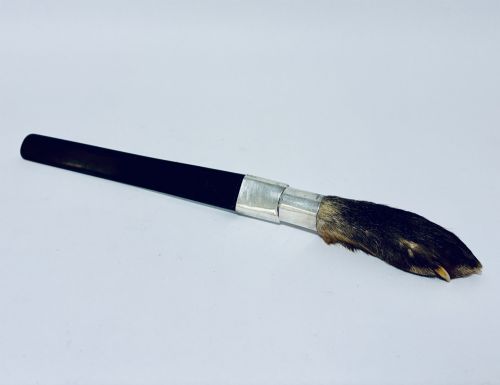
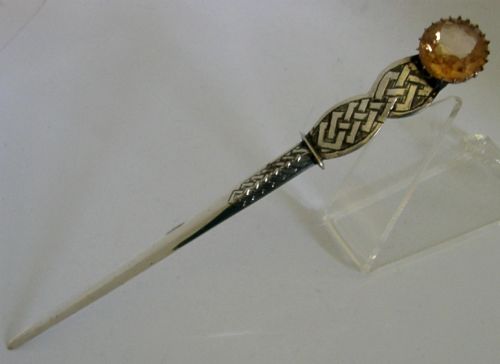
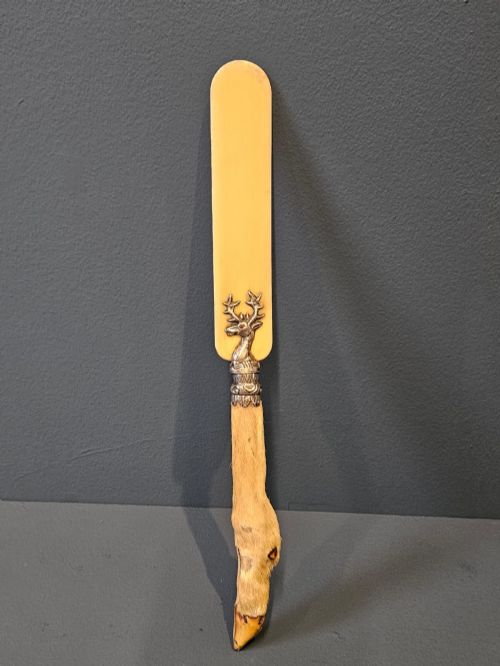
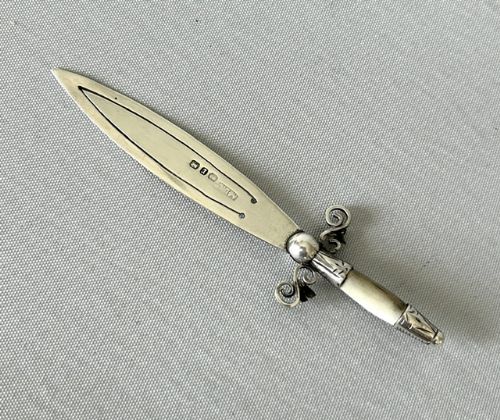
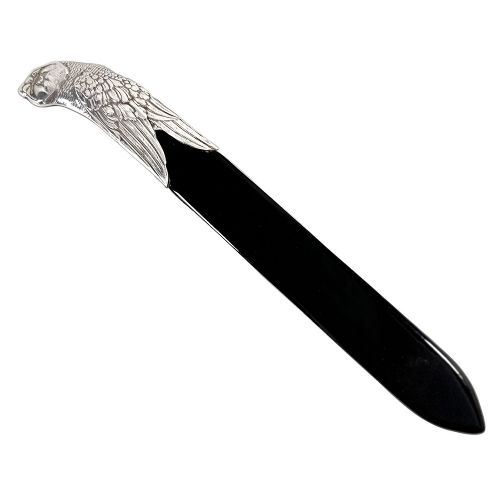
Makers produced these tools for domestic writing desks, often incorporating handles shaped as animals, thistles, or commemorative motifs. The selection includes dedicated letter openers, bookmarks, and combination page turners.
How they were made
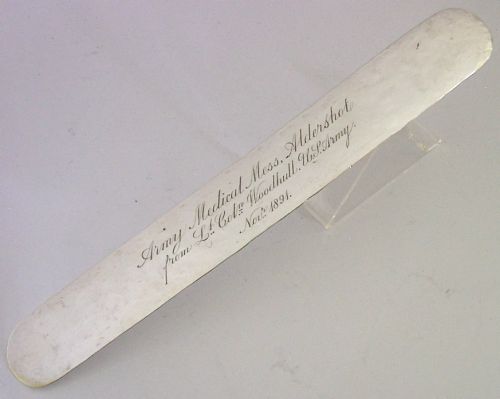
Silversmiths formed the blades from sterling silver or silver plate, sometimes integrating hallmarks denoting assay offices in London, Birmingham, Chester, Glasgow, and Inverness. These metal components provide rigidity for the cutting edge while offering a surface for engraving and chased decoration.
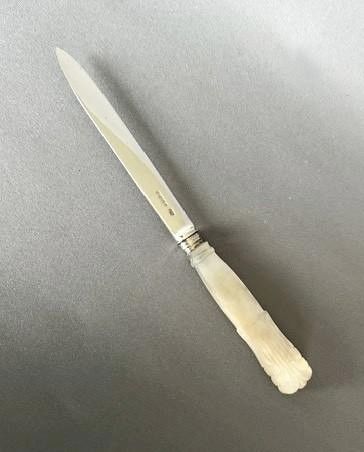
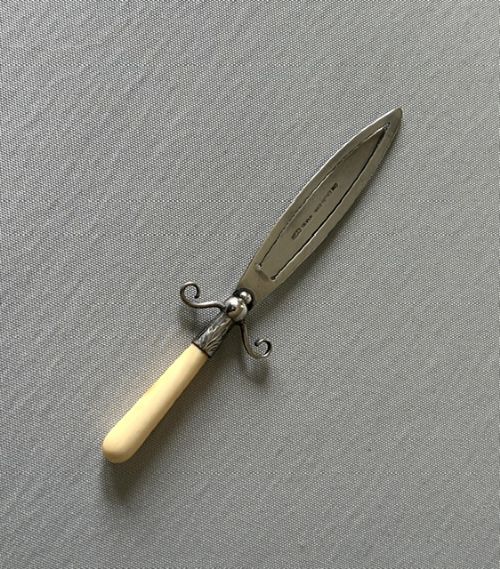
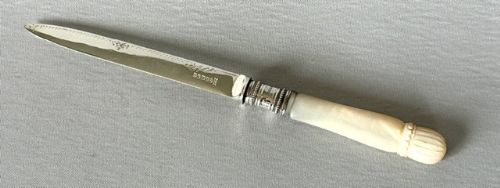
Makers combined silver with natural materials such as tortoiseshell, mother-of-pearl, horn, bone, ivory, agate, citrine, and Connemara marble for the handles and turning blades. Rivets and silver mounts secure these contrasting organic textures to the metal work.
Silver Page Opener Retail Price Guide 2026
Typical asking prices for silver page opener among the pieces listed under this phrase on Sellingantiques today, from the lower quarter to the upper quarter. They describe what is for sale here now, not the wider market.
The listings show materials including sterling silver, tortoiseshell, mother-of-pearl, horn, citrine, bone, agate, and Connemara marble across Victorian, Edwardian, and Art Deco periods.
What varies in quality
The distinction between standard production and superior craftsmanship rests in the integration of materials and the detail of the handle. Pieces featuring carved motifs, mounted gemstones like citrine and agate, or intricate Scottish provincial horn work represent the higher tier of the range.
Execution of the silver blade also dictates quality, with thicker gauge silver and clear hallmarks indicating superior manufacture. Simpler stamped metal blades paired with celluloid sit at the more utilitarian end of the spectrum.
William Graeme
The Silver Page Opener Glossary
- Page Turner
- A long, flat implement traditionally used for turning leaves in books without creasing the paper. They often feature extended blades of tortoiseshell, horn, or mother-of-pearl mounted in silver.
- Letter Opener
- A small blade designed specifically for slitting open envelopes and folded correspondence. These typically measure shorter than page turners and emphasise metal blades.
- Sterling Silver
- A silver alloy containing 92.5 percent pure silver and 7.5 percent other metals, usually copper. Most British pieces carry hallmarks confirming this standard.
- Assay Office
- An official body that tested and stamped precious metal items with hallmarks. Towns such as London, Birmingham, Chester, and Glasgow maintained these offices.
- Scottish Provincial
- Items manufactured and hallmarked in Scottish towns outside Edinburgh and Glasgow, such as Inverness. These regional pieces often utilise local materials like horn.
Silver Page Opener: Frequently Asked Questions
What is a silver page opener used for?
These implements were essential tools for Victorian and Edwardian correspondence and reading. They served to slice open folded envelopes and separate the uncut folded edges of newly printed books.
Beyond utility, they functioned as decorative accessories for the desk. Owners displayed them alongside inkstands and blotters to project refinement and taste.
How do you distinguish a page turner from a letter opener?
Page turners typically feature long, wide, flat blades made of tortoiseshell, horn, bone, or ivory, designed to slip between book pages. Letter openers are shorter and possess rigid metal blades intended for slicing paper envelopes.
Many antique examples combine both functions, featuring a silver handle that transitions into a long organic blade with a pointed tip.
What materials are combined with silver?
Silversmiths frequently paired silver with natural materials to create textural contrast on the handles and blades. Tortoiseshell, mother-of-pearl, horn, and bone are common, alongside decorative additions like agate, citrine, and Connemara marble.
Later pieces occasionally incorporated early plastics such as celluloid for the blade or handle components.
How do you date a silver page opener?
Dating relies primarily on the hallmarks stamped into the silver, which identify the assay office, year letter, and maker's mark. Stylistic clues such as Arts and Crafts or Art Deco design motifs also help establish the period.
The presence of specific commemorative inscriptions or Victorian patent styles provides further chronological context.